






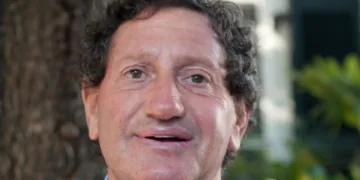















Turkish filmmaker Nuri Bilge Ceylan is facing mounting criticism from exiled and independent Iranian cinema figures after reports that he has agreed to serve on the jury of Iran’s state-run Fajr International Film Festival. The director, who won the Cannes Palme d’Or in 2014 for “Winter Sleep,” has reportedly accepted an invitation from the government-backed event, often described as the country’s most prominent official film showcase.
The Iranian Independent Filmmakers Association (IIFMA) published an open letter addressing Ceylan directly, saying that “the news of your collaboration with the Fajr Film Festival in Iran under the rule of the Islamic Republic has caused astonishment and distress,” and urging him to reconsider his plans. The group argues that attending state-organized events sends the wrong signal at a time when artists inside Iran face pressure, censorship and the risk of arrest for their work or their support for recent protest movements.
IIFMA emerged in the wake of the Woman, Life, Freedom protests sparked by the 2022 death of Mahsa Amini, positioning itself as a dissident counterpart to official cinema bodies. The association has repeatedly criticized state control over Iranian film, including a campaign calling on the Academy of Motion Picture Arts and Sciences to rethink its recognition of Iran’s government-run selection body for the international feature Oscar, citing “ongoing censorship enforced by the Iranian government.” Inside Iran, dozens of professional unions have recently joined directors and screenwriters in demanding the abolition of pre-production permits and tighter state controls, calling the current approval system a form of prior censorship.
Fajr itself has long been at the center of these disputes. The festival is overseen by the Ministry of Culture and Islamic Guidance, and has repeatedly been accused by domestic filmmakers of excluding politically sensitive or socially challenging works, even as festival officials insist that films are judged on artistic quality rather than ideology. In recent editions, prominent Iranian directors and actors have boycotted opening galas, while some artists have used rare public appearances at the event to denounce censorship and describe the festival as a “cultural war” rather than a celebration of cinema.
Festival organizers, meanwhile, present Fajr as a space for cultural diplomacy. This year’s international edition, relocated to the city of Shiraz, is framed as a response to “cultural and festival sanctions” and features a special focus on Turkish cinema as part of an Iran-Turkey cultural year, with officials openly hoping to host high-profile Turkish guests. Ceylan’s reported participation sits at the intersection of that outreach and the growing demand from Iranian filmmakers for international colleagues to show solidarity with those challenging state control over their industry.