




























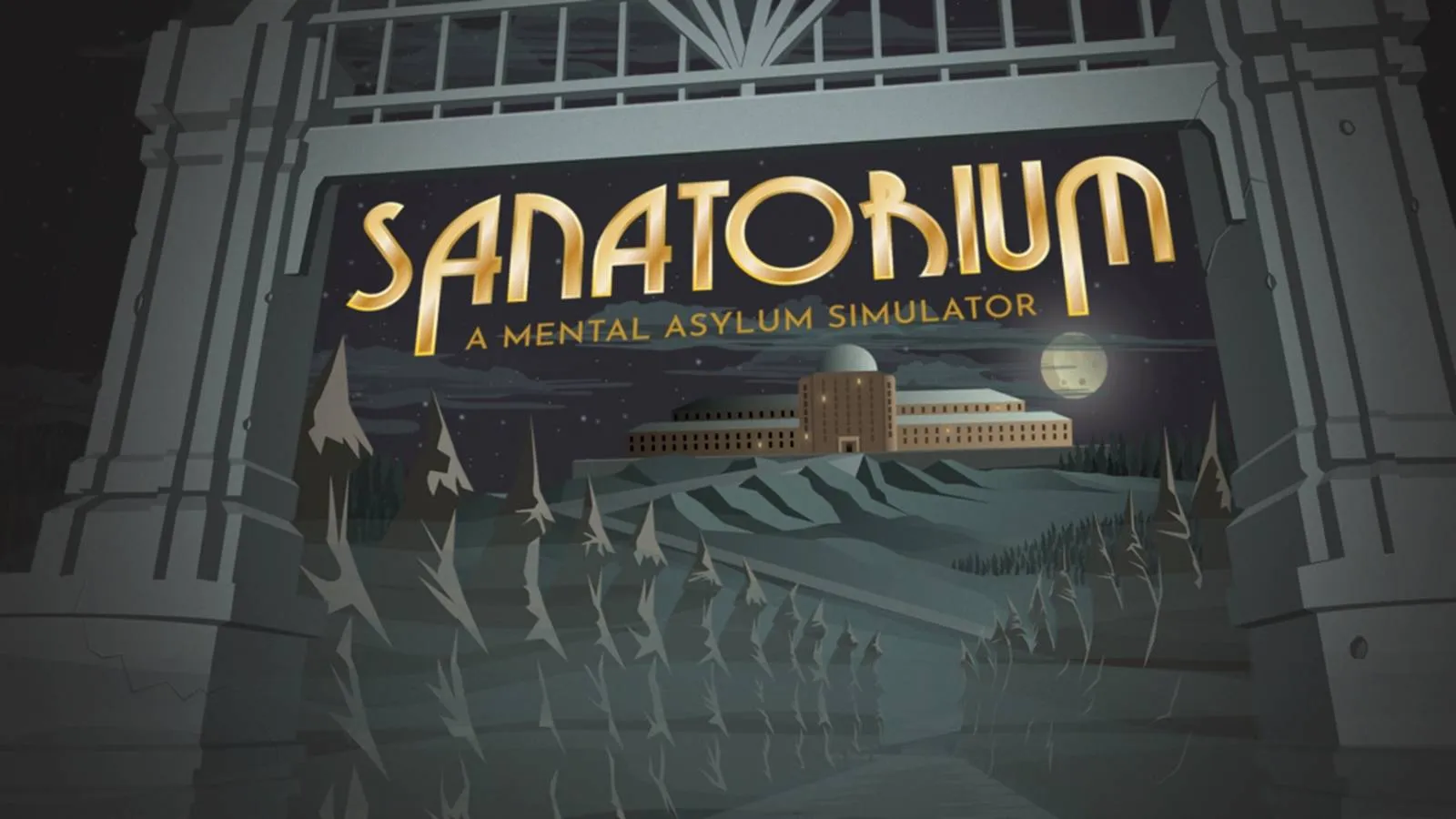

Sanatorium: A Mental Asylum Simulator frames a card-driven management sim inside a 1920s setting. The action unfolds in Castle Woods Sanatorium, a space defined by sharp Art Deco geometry and classical lines. Games rarely use this visual language, so the location reads as distinctive from the first screen.
The protagonist is a journalism graduate without clinical training who poses as a doctor to enter the facility. The motive is personal: investigate the questionable commitment of Aunt Patty. The daily loop splits cleanly. Daytime work sustains the disguise through patient treatment. Nighttime prowling through damp corridors feeds a larger investigation into rumors of conspiracy within the institution.
The Mechanized Mind
Patient care runs on a precise card system. Each morning begins at the ward desk with a purchase of limited Test and Treatment cards that must cover the incoming queue. Diagnosis leans on the period pseudo-science of phrenology. Test cards expose symptoms, which then need sorting into the correct brain regions to assemble a named syndrome. Placing the appropriate syndrome card from the diagnostics catalog clears those symptoms and gives a sense of crisp order.
Treatment follows immediately with the matching cards. Small physical actions lock in the roleplay. Signing waivers with the mouse and stamping discharge forms in wet ink create a quick hit of tactile authority that suits a character practicing medicine under false pretenses.
Resource pressure defines the strategy layer through a cash and prestige balance. A minimum number of successful treatments per day preserves professional standing and keeps suspicion in check. Cures raise prestige and open fresh material, including access to new wards such as Ward 4. The income model rewards longer stays, which turns patient throughput into a moral calculus. Hospitalizing wealthy cases for longer stretches can fund card purchases and upgrades, even as it delays recovery.
The loop encourages a managerial mindset that feels chilling and administrative. The tone invites comparison with the ethical chill of Papers, Please. Progression across four wards introduces new brain regions and illnesses that move from nervous complaints to trauma, alongside experimental treatments. Extra card options and gradual rule layering increase complexity at a measured tempo.
Narrative Shadows and Dark Deco
Castle Woods earns attention through mood. The 1920s Art Deco design supports a Dark Deco feel that keeps rooms oppressive and corridors heavy. Music underlines the tone with Doom Jazz and a funky jazz bed that alternates between playful unease and impending dread. Ambient touches finalize the space: the clack of a typewriter, a gramophone in the office that can switch tracks.

The story loop sits on top of the workday. After sessions, the game moves into a nightly search of restricted wings. Exploration yields evidence in the form of lore scraps, letters, and confidential files that add pieces to the question of the sanatorium’s business practices. The investigation remains light in mechanics and still fits the routine cleanly.
Characters carry pointed traits that read quickly. An imposing head doctor radiates suspicion. A chain-smoking station nurse leaves a haze over the desk. Patients range from traumatized veterans to socialites. Dialogue writing gives each a voice, and their comments during sessions often plant clues. The period frame also reflects the language of its time, using terms like shell shock that mark the era’s approach to mental health.
Execution Stumbles
Strong ideas meet uneven implementation. Reported issues include progress halts and mission resets. Players have hit frozen Continue buttons after sessions, card previews that remain stuck on screen, and sudden lockups that force a full Campaign restart. A game built around branching outcomes and replay loops suffers when restarts pile up and undercut the pacing.

Design choices create friction in daily play. A wrong diagnosis triggers sharp penalties that raise staff suspicion quickly and push a repetitive grind to rebuild prestige and momentum. Interface limits add to the strain. The diagnostic catalog can balloon into an unwieldy reference, and some players resort to external notes to track syndrome structures.
Patient monologues cannot be skipped or sped up, which wears thin during replays and after reloads. Economic balance also drifts. By Ward 3 the budget pressure slackens, and cash accumulates far faster than card spending can keep up. That surplus cuts away the early strategic tension that made purchases and triage meaningful. Technical instability and late-game economy drift interrupt immersion. The core concept asks for stability updates to reach its potential.
The Review
Sanatorium - A Mental Asylum Simulator
Sanatorium: A Mental Asylum Simulator offers an addictive simulation defined by a dark 1920s aesthetic and morally complex management. The card-based system for diagnosis using phrenology is an original mechanic, creating genuine tension between ethical patient care and the player's financial survival. The core concept is excellent and often compelling. However, the experience is severely undermined by critical technical flaws, including numerous progression-blocking bugs and quality-of-life deficits like harsh failure states and a frustrating interface. The solid foundation is currently unstable; wait for patches to ensure a smoother, more reliable play-through.
PROS
- Evocative 1920s Art Deco atmosphere
- Unique card-based phrenology mechanics
- Strong moral tension in management decisions
- Sharp writing and memorable characters
CONS
- Progression-blocking bugs and crashes
- Harsh punishment for incorrect diagnosis
- Interface and quality-of-life deficits
- Late-game economic imbalance