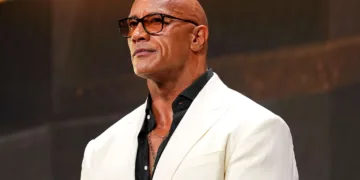

























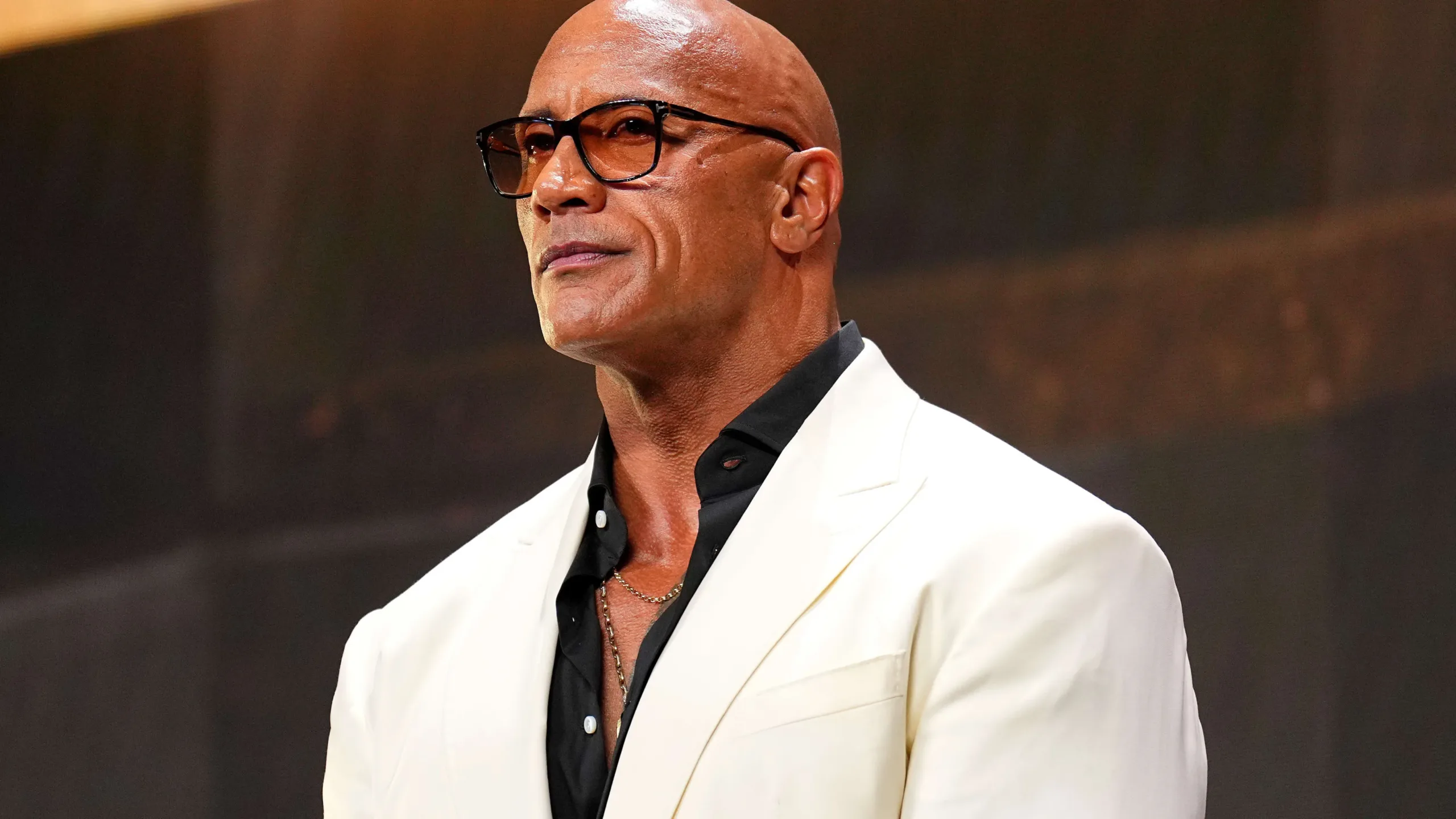

Dwayne Johnson used the morning of his first Golden Globe nomination to send a clear message about the future of movie theaters, arguing that theatrical exhibition will endure even as Netflix moves to acquire Warner Bros. Discovery in a deal worth more than $70 billion and Paramount pursues a rival hostile bid. Johnson, recognized in the lead actor drama category for Benny Safdie’s MMA biopic The Smashing Machine, said he believes “theatrical will survive” studio consolidation and streaming disruption, framing the big-screen experience as a habit audiences are not ready to abandon.
His comments land at a tense moment for the business. Netflix has agreed to buy Warner Bros.’ film and TV studios, HBO and HBO Max in a transaction valued at about $82.7 billion, a move that would combine the industry’s dominant streamer with one of its most theatrical-centric libraries. At the same time, Paramount has gone directly to Warner Bros. Discovery shareholders with a higher all-cash offer that includes the company’s cable networks.
Regulators and politicians have already signaled concern. President Donald Trump told reporters he plans to be “involved” in the review of the Netflix-Warner deal and called the combined market share “a problem” that economists will need to weigh. Cinema United chief Michael O’Leary has warned that the merger poses an “unprecedented threat” to exhibitors and urged antitrust agencies to examine how a vertically integrated Netflix-Warner entity could reshape moviegoing.
Filmmakers, meanwhile, worry about both jobs and windows. An analysis of the proposed deal argues that Netflix’s model of high upfront fees and limited back-end participation could speed the erosion of residuals and reduce mid-budget theatrical output, with one former studio chief saying the streamer has “taken a bomb and dropped it on Hollywood.” The same piece raises the possibility that Netflix could shorten or even bypass theatrical runs for certain Warner titles, a fear echoed by exhibition leaders who already watched the standard window compress from 90 days to roughly 45 in the streaming era.
Ted Sarandos has tried to calm those fears, promising to “continue to support” a release pattern that begins in theaters, while questioning “long exclusive windows.” Directors such as Joachim Trier and Park Chan-wook have stressed their commitment to the big screen, and Johnson’s remarks place one of Hollywood’s most bankable stars in the same camp at a moment when his own awards hopes are tied to a mid-scale drama that drew a 15-minute standing ovation at Venice before moving into theaters.