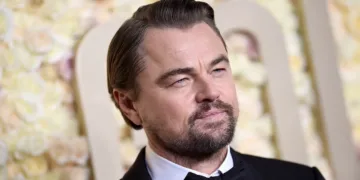
















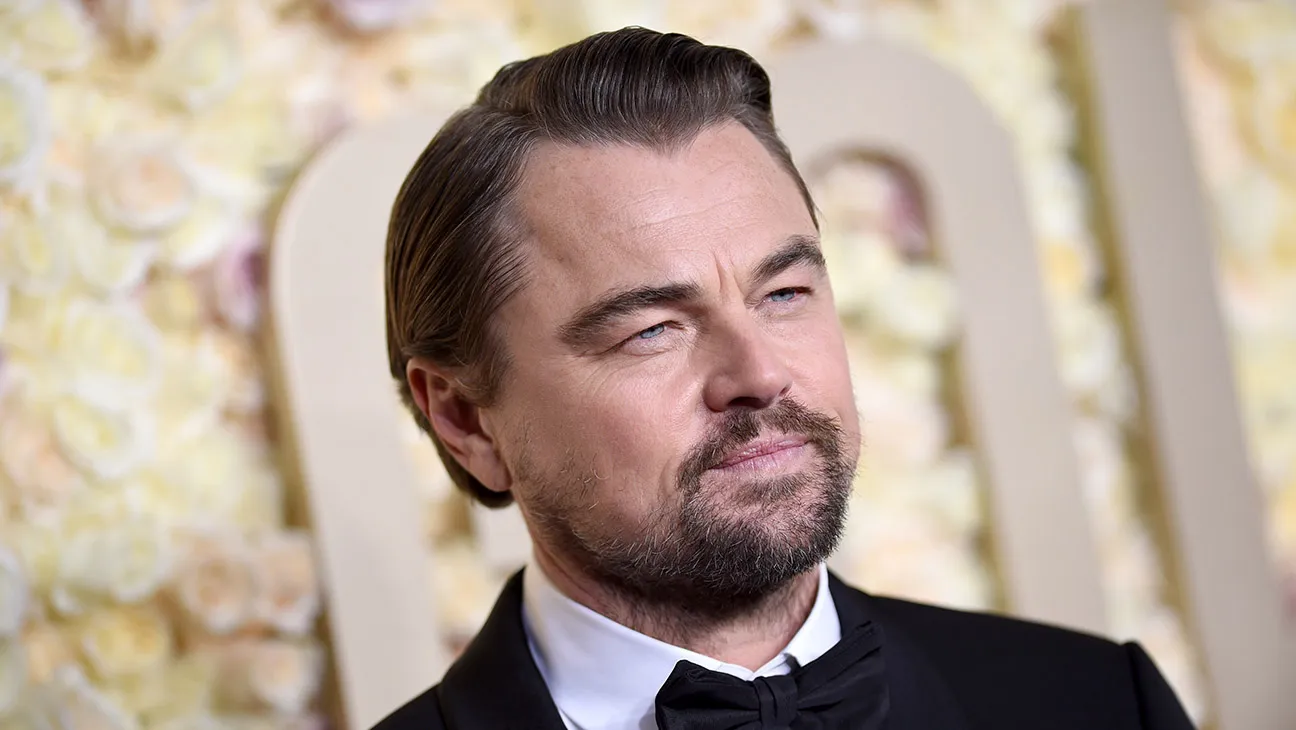

Leonardo DiCaprio has staked out a distinctly human-first stance in Hollywood’s accelerating fight over artificial intelligence, calling AI-generated work “brilliant” at times but ultimately “internet junk” unless a person is at the core of it. The actor, newly named Time’s Entertainer of the Year and a Golden Globe nominee for Paul Thomas Anderson’s One Battle After Another, said he sees AI as a powerful aid for young filmmakers, not a replacement for their creative judgment.
In the Time profile, DiCaprio describes AI as an “enhancement tool” that could help emerging directors attempt images and sequences that would otherwise be out of reach. At the same time, he draws a sharp line around authorship. Anything regarded as true art, he argues, must originate with a human being. He points to AI-generated song mashups—Michael Jackson-style vocals laid over tracks from acts like the Weeknd or A Tribe Called Quest—as clever novelties that burn bright for a moment, then vanish into the online churn because they lack what he calls “anchoring” and “humanity.”
DiCaprio’s remarks arrive as One Battle After Another leads the 2026 Golden Globe race with multiple nominations, including recognition for his performance and Anderson’s direction. The actor links his cautious approach to AI to a broader philosophy about visibility: he prefers to speak publicly only when he has something concrete to show, a strategy he credits with helping him maintain a long career under intense scrutiny.
Other stars frame the same technology in more opportunistic terms. Reese Witherspoon has urged women in Hollywood to engage directly with AI, calling it the “future of filmmaking” and warning that those who ignore it risk being left behind as tools spread through development, production and marketing. She still stresses human craftsmanship but treats AI as an arena where representation and access must be fought for now, rather than resisted from afar.
Directors such as James Cameron voice a harder line. In a recent TV interview, the Avatar filmmaker labeled AI-created actors “horrifying,” arguing that generative systems remix past performances into an anonymous average instead of capturing the specific quirks of a writer’s life or an actor’s presence on set. For Cameron, the live exchange between performer and director remains “sacred,” and outsourcing that to a model undermines the entire craft.
Regulators and unions are beginning to harden that sentiment into rules. After the 2023 Hollywood strikes, SAG-AFTRA secured contract language around “digital replicas,” and California followed with laws that bar studios from swapping in AI doubles without explicit, informed consent and require estates to sign off before resurrecting deceased performers.
DiCaprio has not weighed in on specific statutes, but his insistence that art remains anchored in human intention aligns with those efforts. His remarks land at a moment when young filmmakers are experimenting with AI storyboards and previs while studio veterans, labor leaders and lawmakers argue over how much human presence the medium can afford to lose.