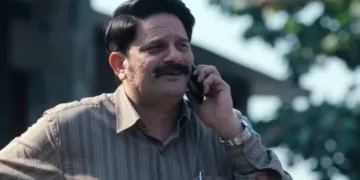










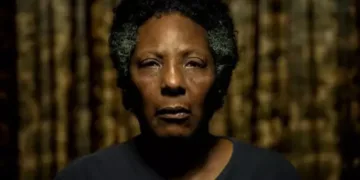

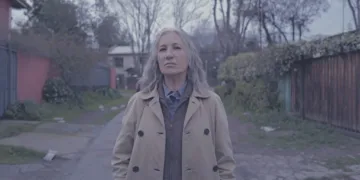

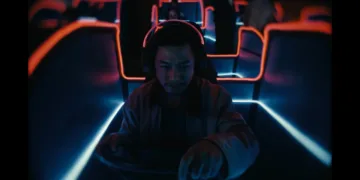











Migration dominates public debate at a volume that often drowns out the people whose lives sit behind the rhetoric. Sensational headlines and political soundbites flatten complex realities. Director Sam Abbas, an Egyptian-born American filmmaker, responds to that noise with Europe’s New Faces. The film functions less as traditional reportage and more as a sustained act of patient observation.
It offers a sober, unvarnished look at the lives of African and South Asian migrants as they move along precarious paths toward Europe and try to build a life once they arrive. Abbas sidesteps the familiar framework of documentary storytelling. There are no interviews, no guiding voice-over, no biographical sketches for the people on screen.
The film adopts a fly-on-the-wall stance that commits to an exacting mode of witnessing. Over a runtime that approaches two hours and forty minutes, the documentary positions itself as a humanistic counter-narrative, one that finds dignity in ordinary acts of survival and daily life for people living through an intense global crisis and invites the audience to engage with them on their own terms.
Structure and the Geography of Waiting
The most striking idea about storytelling sits in the film’s segmented structure, which distills the migrant experience into two central spaces. The film sidesteps a linear timeline and sets the movement toward Europe alongside the stalled existence that follows arrival, two forms of waiting that speak to each other.
The first large section, “Land & Integration,” focuses on African migrants who have reached Paris. They live in a disused building, often a former institutional space such as a retirement home, now functioning as an illegal squat. These homes lack glamour. They are cramped and run-down, yet they still turn into the setting for improvised small communities. Abbas commits to the plain texture of life inside these rooms.
The camera rests on the most ordinary activities: women frying chicken, men sharing a meal, a child playing in a tiny inflatable pool while being washed, people cleaning dishes, others gathered around a game of checkers or chess. This emphasis on the everyday serves a clear purpose. It shows that people framed as a threat to society devote their days to the same routines and domestic rituals as anyone else. A low but constant unease still hangs over these scenes. Conversations circle around an impending eviction notice, and a young man speaks about how his hopes must wait until he can secure the right legal “papers.”
The second section, “Sea & Passage,” shifts the film to the Mediterranean Sea. The camera joins the Geo Barents, a rescue ship run by the NGO Médecins Sans Frontières (Doctors Without Borders). Inside this high-pressure environment, the structure once again returns to the pattern of daily life. The crew appears in operational meetings, then soon after we see them sitting together, staring out at open water or playing foosball during a rare pause.
Once migrants come on board, routine reasserts itself. People pray, treat wounds, check their phones, and eat simple communal meals. The cyclical design, where the repetition of waiting reappears even after a moment of life-or-death rescue, underscores that for those on screen, uncertainty and suspended reality remain constant facts of existence.
Form and Texture of the Documentary
The film argues for a strand of independent, experimental cinema through its severe visual language. Abbas grounds his observational method in static framing and an intimacy that refuses to beautify the surroundings. His choice to keep people unnamed and, at times, partially obscured or held in extreme close-up works as a formal challenge. It creates an immediate, raw point of view that places the viewer inside the room or on the deck with them, though the absence of personal backstory can keep the experience somewhat remote on an intellectual level.
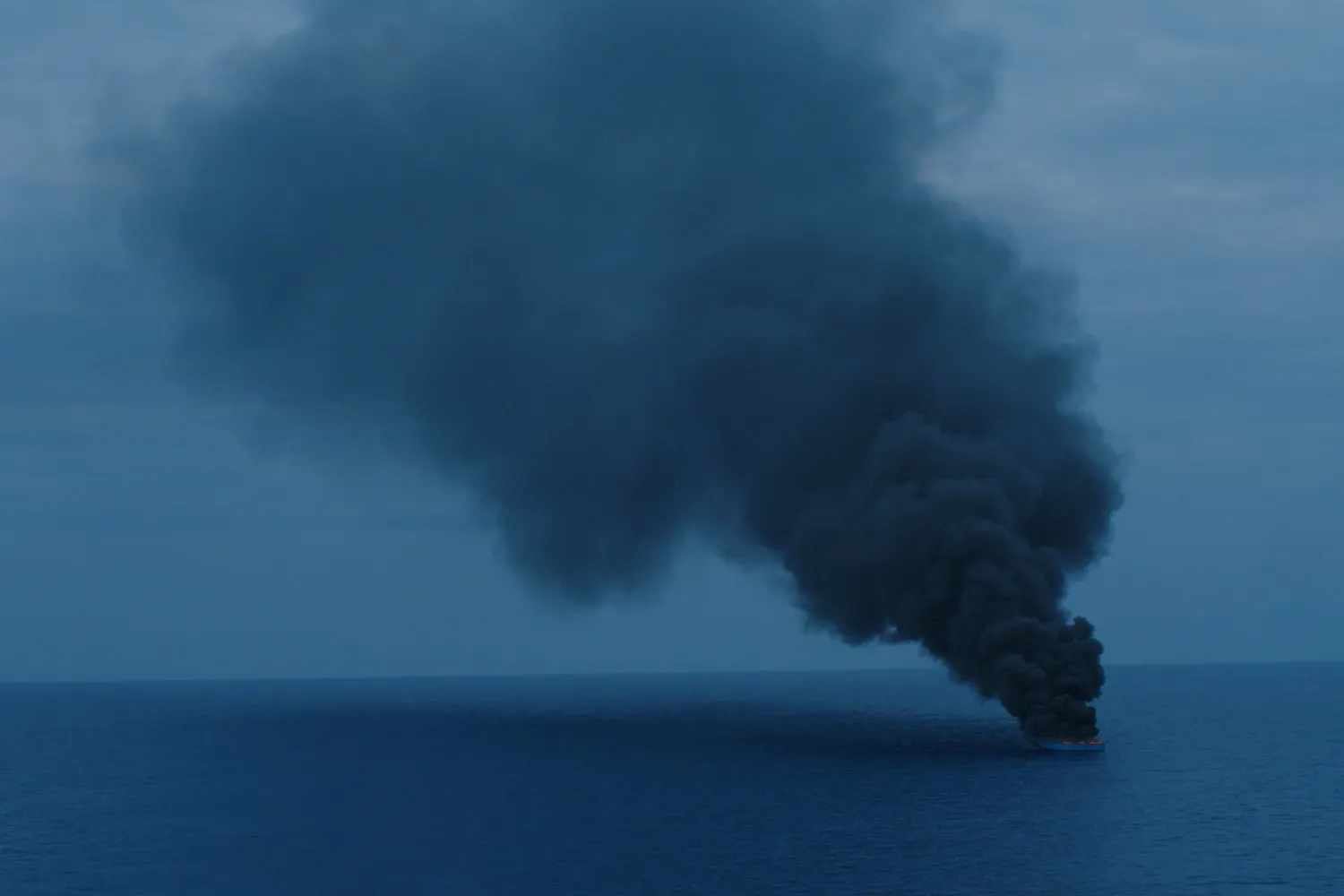
On a technical level, the film leans heavily on natural light, which contributes to a harsh sense of place. Many sequences are visually dim, which heightens the claustrophobia of crowded ship decks and cramped, deteriorating interiors. This visual strategy privileges the feel of real spaces over polished cinematic sheen.
Abbas also includes material that feels almost untouched by mediation, such as an emergency cesarean section shown in full and phone-quality clips shared by migrants that document torture or forced labor during their path to Europe. These visceral, graphic images rupture the film’s quiet rhythm at key points. In the second section, some moments shift into still photographs with a noticeable camera tremor. The device sets the fixed time of a single image against the insistent movement of lives that remain in motion.
Sound design, anchored by a score from Bertrand Bonello, shapes the atmosphere just as strongly as the images. The music introduces a layer of “machinic discordance” and a steady anxiety that stand against the relative calm of the visual field. The length of the film matters. The two-hour-and-forty-minute duration creates an experience of endurance that mirrors the long stretches of waiting endured by the people on screen.
As I watched, I felt that pacing as a deliberate structural decision, a way of making the audience sit with the drag of a life held on pause. The approach may challenge a mainstream audience that expects a brisk tempo, yet it deepens the film’s cultural weight by declining to offer quick answers or an easy sense of closure.
Dignity in the Ordinary Act of Living
Europe’s New Faces becomes a pointed contribution to social and cultural conversation. Abbas sets out to remove any trace of glorification. He refuses to reduce the people he films to statistics or, at the other extreme, to idealized “perfect victims” whose suffering places them on a pedestal. His main idea stays direct. These are ordinary people who face extreme hardship, and the pursuit of a stable daily life functions as a fight for basic human rights.
The film argues for the simple, unqualified dignity of its subjects. It asserts that they merit respect and rights because they are human, not because of the scale of pain they have endured. Short, piercing bursts of drama highlight this argument. The life-saving C-section, a brief phone call that exposes the struggle for medical care, the anxiety surrounding discussions of eviction, and fleeting but terrifying footage of an armed attack on a migrant vessel all act as sharp counterpoints. These images frame the quiet moments, revealing the high stakes that hover around a casual game of checkers. They remind the viewer that simple acts of living continue even as crisis presses in from every side.
The film’s central force lies in a soft-spoken, deeply humanistic portrait of a diaspora held in suspension. By paying close attention to modest gestures and daily routines, the documentary presses the viewer to confront the failures of a system that leaves people in such insecure, undignified limbo. Sitting with these images, watching lives unfold without explanatory narration, turns into its own kind of encounter. The film asks the audience to recognize the endurance of human spirit that runs through the quietest acts of survival.
Europe’s New Faces is an observational documentary that offers a raw, unfiltered look at the migrant experience, from the perilous crossing of the Mediterranean Sea out of Libya to the struggles of settling in Paris-based squats. Directed by Sam Abbas, the film challenges traditional narrative structures by eschewing interviews and voice-overs, focusing instead on the mundane, intimate details of survival and the simple human dignity of its subjects. It premiered at the Museum of Modern Art (MoMA) in New York on February 28, 2025, as part of the Doc Fortnight series, and began a theatrical run, including at venues like Cinema Village, in December 2025. Given today’s date, December 9, 2025, the film is currently in limited theatrical release.
Full Credits
Title: Europe’s New Faces
Distributor: Maxxie, Suzzee & Cinema
Release Date: February 28, 2025 (World Premiere at MoMA), December 12, 2025 (Theatrical Release)
Running Time: 159 minutes (2 hours 39 minutes)
Director: Sam Abbas
Writers: Sam Abbas
Producers and Executive Producers: Sam Abbas, Randleson Floyd
Director of Photography (Cinematographer): Sam Abbas
Editors: Sam Abbas
Composer: Bertrand Bonello
The Review
Europe's New Faces
Europe's New Faces is a demanding, essential piece of documentary filmmaking. Sam Abbas succeeds in stripping away political and sensationalist layers to present the migrant experience as a matter of simple human existence and enduring dignity. While its uncompromising observational style and extended runtime test the viewer’s engagement, the film’s powerful imagery and structural ingenuity make it a crucial cultural statement. It is a soft-spoken, yet visually raw, confrontation with a global crisis.
PROS
- Successfully de-glorifies the migrant experience by focusing on the ordinary acts of survival.
- The observational, fly-on-the-wall approach offers a rare, unfiltered, and intimate perspective.
- Strong cinematography and a compelling, atmospheric score by Bertrand Bonello.
- The split between "Land" and "Sea" creates an effective contrast, framing the lives in a state of purgatory.
CONS
- The extensive 159-minute runtime and slow pace may lead to audience disengagement.
- The deliberate choice to keep subjects nameless and faceless risks intellectual distance.
- The heavy emphasis on the mundane could detract from the emotional impact of the hardships.