








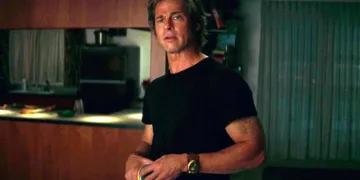
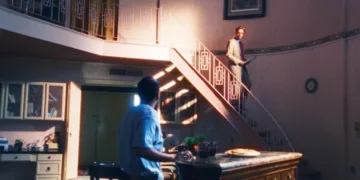












A bright bouncy castle, tumbling through the sky like a garish omen, tears through the stillness of a small house bought as a refuge from memory. With this single, terrible image, The Accident ($Accidente$), the searing Mexican series, brings Daniela back into view one year after the original tragedy.
What began as a portrait of multiple families shattered by the deaths of their children has hardened into a narrower, more volatile drama. The six-episode second season trades the slow-burn study of grief for a high-stakes investigation into retribution.
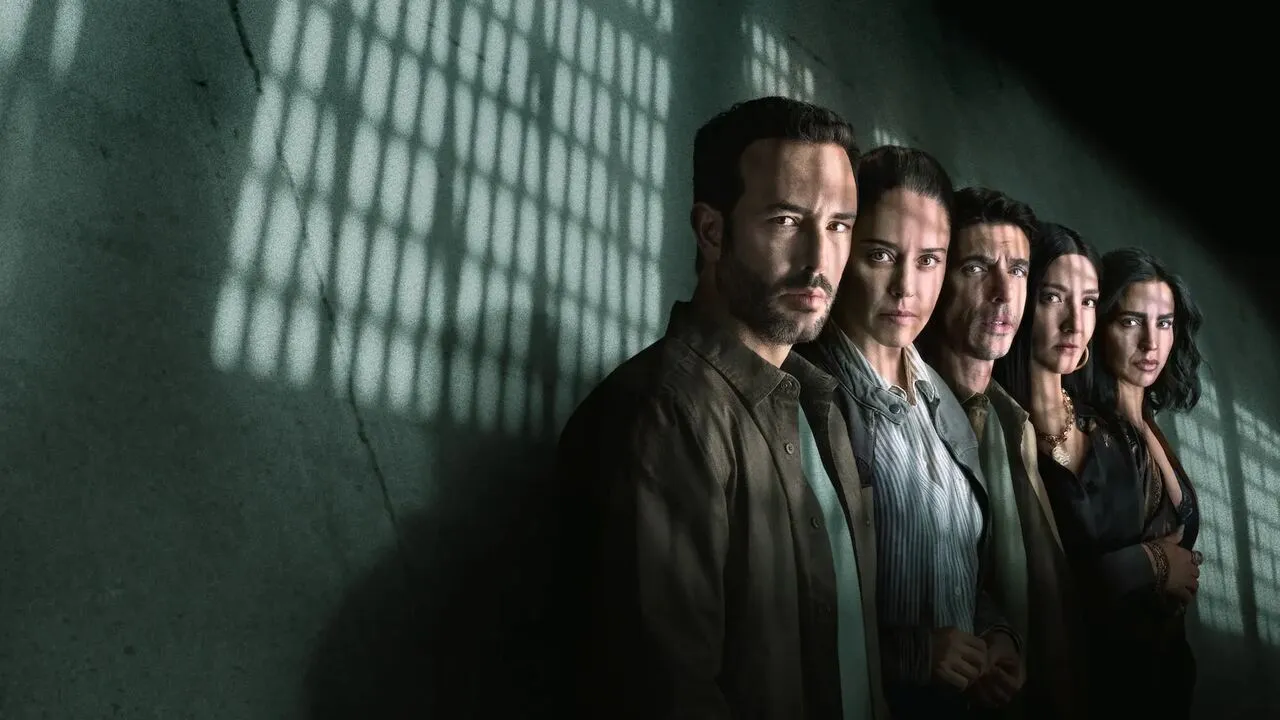
The world of the series has moved from the stunned quiet of tragedy’s immediate aftermath to the messy consequences of revenge and the demand for resolution. Key figures Emiliano and Charro stand locked in an escalating rivalry that starts in prison, while Daniela tries to carve out a purpose in police work, her sanity strained by loss. This brief run functions as an intense mix of crime thriller and melodrama, aimed at delivering a decisive, violent end to the core conflict.
The Tyranny of Charro’s Vengeance
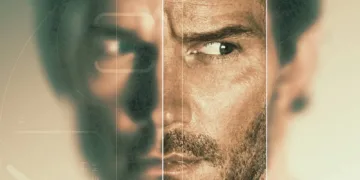
Season 2 runs on the lethal, ego-driven contest between Emiliano and Charro, a conflict that quickly becomes the dominant focus of the show. Charro emerges as the principal antagonist, his furious hunger for revenge powering nearly every major action and twist. His unpredictability charges the narrative with chaotic energy and keeps each development on edge.
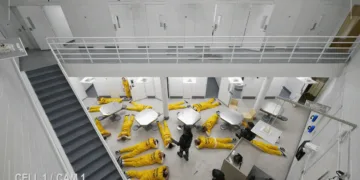
The series plunges directly into its high-stakes prison arc. The first episode opens with a brutal riot that culminates in Charro stabbing Emiliano in a moment loaded with symbolism. The weapon is the same unsecured stake Emiliano failed to hammer down, the very object that made the original tragedy possible. This act of violence lands with operatic force and defines the season’s temperament: raw, unrestrained and visceral.
Charro’s subsequent escape succeeds and becomes the magnetic force of the narrative, pulling every other character into his orbit. The tension around his evasion never eases, yet the conflict shifts into a different register once a colossal betrayal surfaces. Charro’s son, Alex, overhears a damning exchange in which Charro’s wife, Lupe, and his lawyer, Ulises, confess that they orchestrated the murders of two men and managed to frame Charro for the crimes. That revelation reshapes the meaning of Charro’s violent campaign, recasting it as a quest for personal justice directed at the family members who destroyed him.
Tamara, “La Pantera,” Charro’s powerful ex-lover, returns to introduce a more enigmatic layer to the story. She offers him shelter and resources and exerts a clear, if unexplained, influence over both him and Lupe. Her presence signals a conflict that stretches beyond the immediate family feud and hints at long-standing manipulations that have been shaping events from the shadows.
The Cost of Unresolved Sorrow
While the central revenge plot burns with intensity, the characters around it move through the wreckage of their emotional lives. Daniela’s profound grief for her son, Rodri, leaves her fragile and isolated. She leans heavily on her friend Fabian, calling for counsel at inappropriate hours, clinging to his voice as a lifeline. She tries to pour her energy into police work, yet her scattered focus produces professional mistakes. Even as she keeps her distance, she is drawn again toward Emiliano. Their mutual need for protection and closure in the face of Charro’s threats creates a renewed, fragile bond.
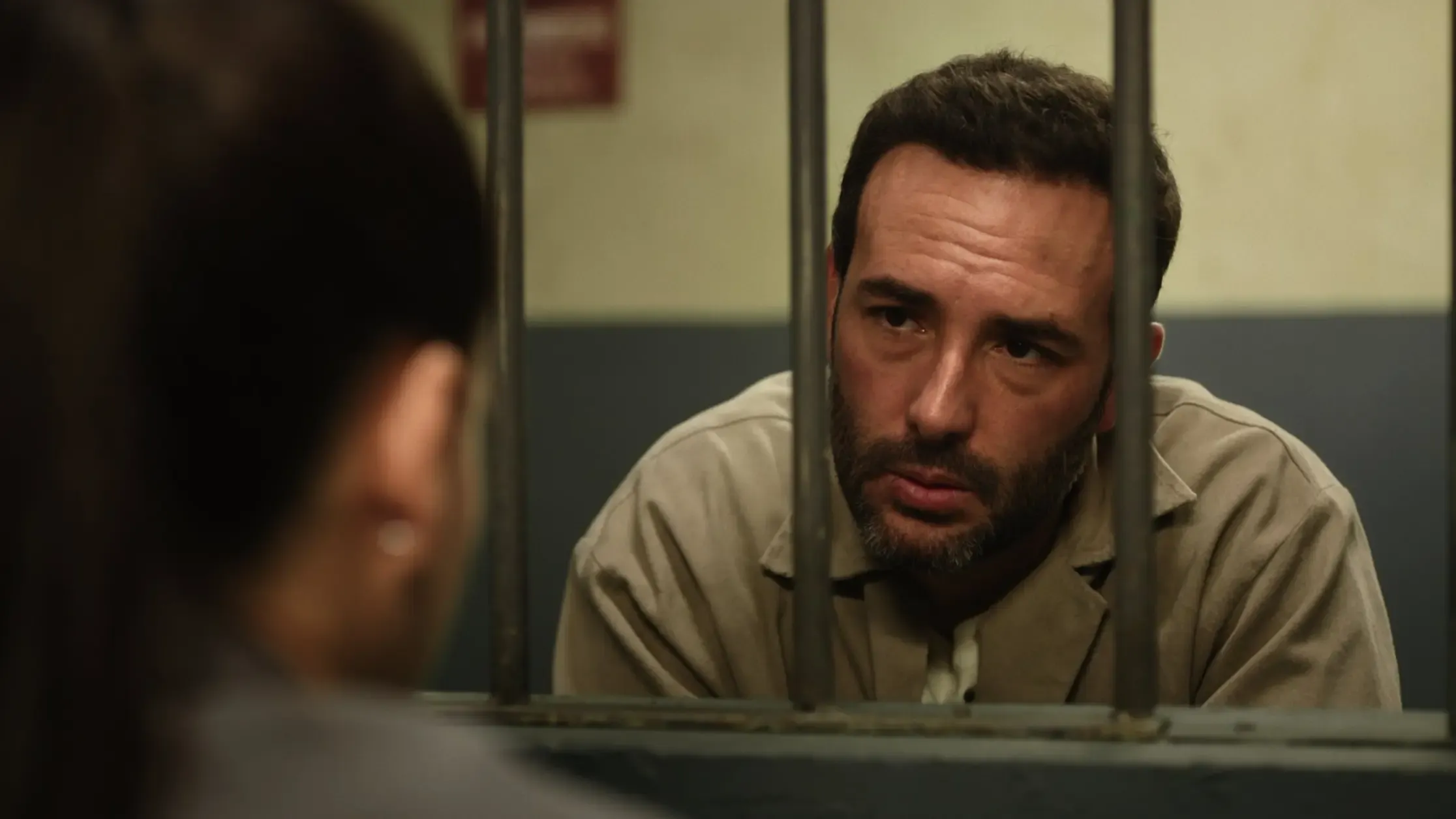
A separate, painful domestic drama plays out between Brenda and Javier. The birth of their second son cannot repair their broken marriage. Brenda refuses to release the past and insists that the newborn be named Mateo, the name of their dead child. The choice acts as a desperate embodiment of her unresolved sorrow and triggers immediate, serious conflict with Javier. His growing distraction with his new coworker, Cayetana, increases the strain on a home already stretched thin.
Carla’s story, carried for so long by the search for her missing husband, David, reaches a harsh finality. The discovery of David’s body, followed by the revelation of Lupe’s infidelity and proof of Charro’s brutality toward those who challenge him, brings Carla’s arc to a brutal close.
The series treats these intimate encounters with loss primarily as fuel for dramatic spectacle. Moments that could allow for deeper emotional excavation, such as Daniela’s sessions in therapy, Brenda’s complicated feelings about the new child, or Fabian’s fear that Paula is seeing “ghosts,” recede into the background. The show repeatedly favors high-stakes melodrama and action over a sustained, careful study of personal collapse and the long work of recovery.
Production Quality and Pacing
The production keeps the story’s kinetic charge alive from the first episode to the last. The series begins at maximum intensity and maintains a breathless pace through its six installments. Its structure leans on quick, efficient dialogue to supply exposition and remind viewers of Season 1 events, and it moves rapidly past anything that might slow the plot. The design mirrors contemporary serialized melodramas that seek constant twists and heightened moments to pull the audience along from episode to episode.
This relentless tempo carries a clear narrative cost. Many action sequences feel heightened to the edge of exaggeration. Charro’s smooth escape and extended evasion, paired with frequent gunfights, push the series far beyond believable territory and create distance from the grounded tragedy that opened this story. The script often relies on convenient turns to keep that speed intact. One of the most glaring examples arrives when Alex happens to overhear a crucial private confession between Lupe and Ulises, a device that accelerates the feud but limits more organic character development.
The show’s strongest asset remains its capacity for twists and sustained intensity, which keeps attention fixed through sheer narrative force. The limited six-episode span serves the revenge saga well, providing a clear path toward an ending that gives the main characters a stark sense of finality in the destructive route they have followed since the accident.
The Mexican thriller-drama series, The Accident ($Accidente$), returned for its second season, which premiered exclusively on Netflix on December 10, 2025. This season, composed of six episodes, continues the tumultuous story of four families one year after a devastating bouncy castle accident that claimed the lives of their children. The series is available for streaming globally on Netflix. The narrative in Season 2 shifts into a high-octane revenge thriller, following the escalating rivalry between Emiliano and Charro, as secrets surrounding past betrayals are revealed, forcing the characters to confront the violent consequences of their grief and guilt.
Full Credits
Title: The Accident Season 2 ($Accidente$)
Distributor: Netflix
Release date: December 10, 2025
Rating: TV-MA
Running time: Approximately 40–51 minutes per episode
Director: Gracia Querejeta, Carlos Villegas
Writers: Leonardo Padrón, Doris Seguí, Christian Jiménez, Carlos Eloy Castro
Producers and Executive Producers: Andrés Barahona, Leonardo Padrón
Cast: Ana Claudia Talancón, Sebastián Martínez, Alberto Guerra, Eréndira Ibarra, Erick Elías, Luis Ernesto Franco, Regina Blandón, Rubén Zamora, Valentina Acosta, Bárbara de Regil, Macarena García, Sebastián Dante, Shaní Lozano, Mauricio Isaac, Horacio García Rojas, Andrés Almeida, Erika de la Rosa
Director of Photography (Cinematographer): David F. Mayo
Editors: Juan Carlos Arroyo
The Review
The Accident Season 2
The Accident Season 2 delivers a conclusion driven by high-velocity action and revenge. The series successfully brings a sense of finality to the central conflicts, using its six-episode format to sustain a relentless, melodramatic pace. While it sacrifices nuanced emotional depth for exaggerated thriller conventions, its commitment to intense, chaotic storytelling ensures an engaging, if sometimes unbelievable, ride. The season is a definitive, action-packed epilogue to the initial tragedy.
PROS
- Sustained, chaotic intensity and pacing.
- Successfully wraps up the main revenge and crime plots.
- Charro serves as a compelling, volatile central catalyst for all events.
- Quickly establishes continuity without excessive exposition.
CONS
- Grief and therapy arcs are quickly abandoned for action.
- Sequences are often unbelievable and stray from the series' core.
- Relies on forced coincidences (e.g., eavesdropping) to drive key conflicts.
- Prefers high melodrama to layered psychological exploration.