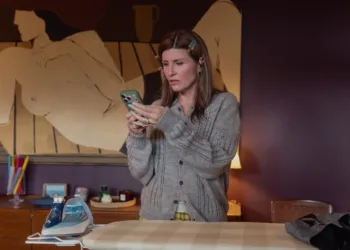






















The Orphanage runs on one bleak idea: America’s biggest danger wears an American badge. This deep-cover agency acts like a standing internal audit for the intelligence community, stationed in a lavish, resource-heavy headquarters where a special oversized key opens the restricted Upstairs levels. Alexander Hale lives in the Downstairs. He’s a first-generation Chinese-American analyst, a former Marine, and he carries the quiet weight of his parents’ sacrifices.
He wants to leave the desk for the field, and his promotion arrives with a nightmare stitched to it. An unknown adversary infects his mind with Cassandra RU-258, software that turns his eyes and ears into a live, high-definition feed for a ghost.
His superiors spot the breach and make a cold decision: they leave the program in place. Alexander becomes a human wiretap meant to flush out the hacker. He keeps his job and his relationships while every blink and every word belongs to the enemy. The story lands on a brutal truth: he loses the right to a private thought.
The Sensory Feed and the Architecture of Dread
Cassandra RU-258 is the show’s steadiest engine of tension, because it doesn’t stop at data. It occupies a human consciousness. The adversary rides along in real time, seeing what Alexander sees and hearing what he hears, and the series gives that violation a physical signature. Alexander’s agonizing migraines arrive like status updates, signalling when the feed is transmitting or dropping. These pains carry the sound of privacy getting skinned alive. Alexander moves through daily life like a performer trapped in a production he never agreed to join.
He hunts dead zones where the signal fails, clinging to those gaps as his only real freedom. He picks up Morse code to talk with allies, turning primitive tech into leverage against a futuristic hack. Inside the Orphanage, leadership watches with professional detachment. They recognize a victim and treat him as a tactical asset. Keeping the channel open tells you exactly what this agency prizes: information, first.
The hierarchy sharpens the cruelty. Downstairs analysts and Upstairs operatives live on different floors, and they live under different assumptions about value. Alexander exists in a double bind, watched by enemies and managed by employers, his mind treated like contested territory. Paranoia becomes the default setting. Conversations turn into calculations, glances toward classified material feel loaded, and the show hits hardest when it lingers on how exhausting that performance becomes.
A Study in Restraint and Rookie Intuition
Simu Liu brings a surprising quiet intensity to Alexander Hale. He plays him as studious and observant, steering clear of the flashy hero playbook. That choice makes the invasion land with extra force. Alexander built his life around watching, then the camera flips and traps him under a microscope. Liu carries the high-octane fight sequences with the grace he’s shown in past action work, and his best moments sit in stillness. Fear has to stay swallowed, because the facade can’t crack.
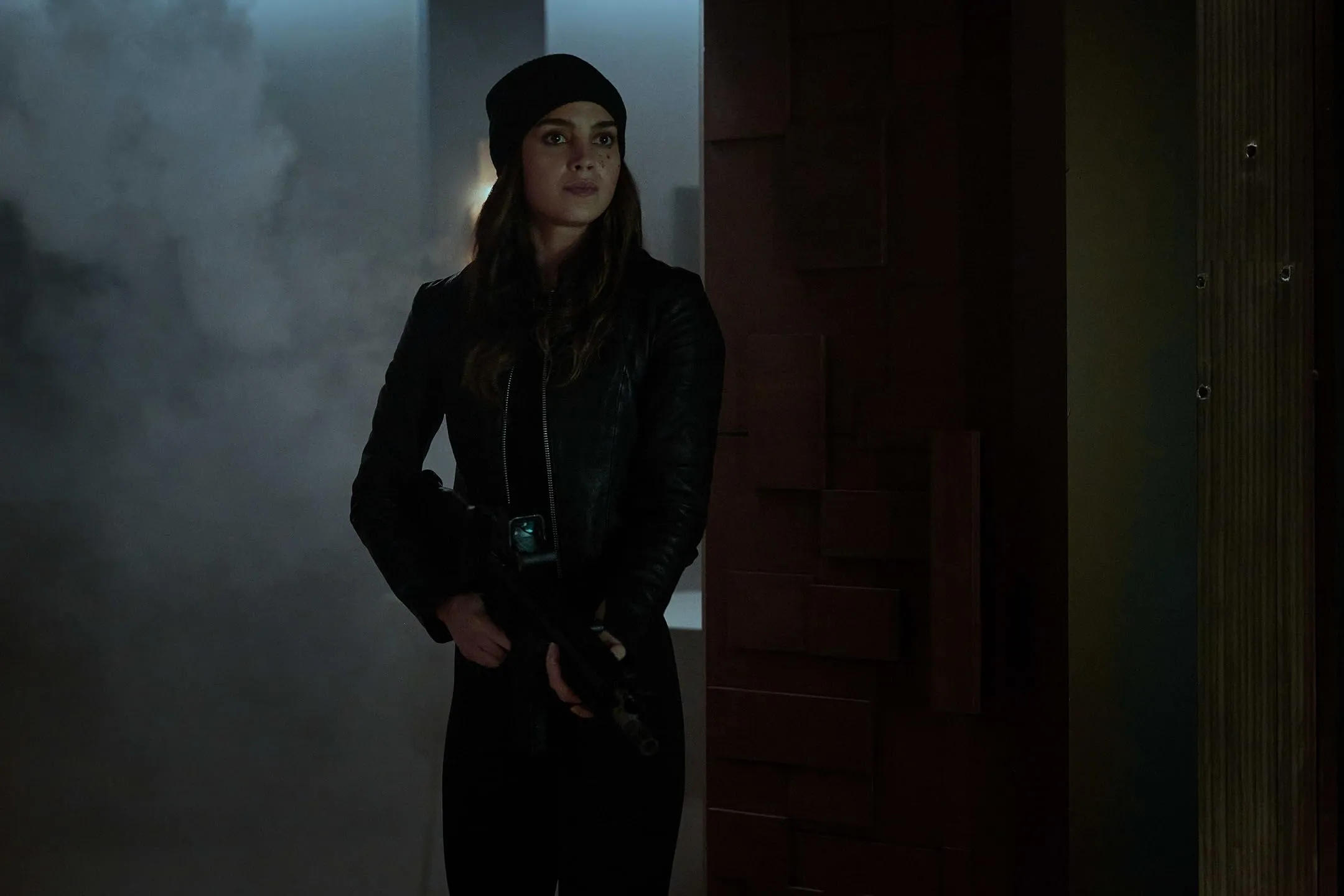
Melissa Barrera’s Michelle arrives with a guarded, chameleon-like quality. She enters Alexander’s orbit as a friendly bartender, and she’s also an operative assigned as his handler. The series coats their connection in ambiguity, and that slipperiness becomes the point. The line between mission and person keeps shifting, and Michelle reads as someone locked into the agency’s needs. The writing turns intimacy into surveillance, which makes her presence feel captivating and terrifying at the same time.
The leads hold steady, and Sinclair Daniel steals the show as Parker. She’s a rookie agent with the empathy this profession tries to sand down. Parker runs the operation through instincts and growing pains, giving the season its emotional momentum while letting the audience see the Orphanage’s cruelty from inside its walls. Her scenes with senior staff carry the season’s arc.
Brian d’Arcy James plays Moira with calculated bureaucratic chill, making paperwork feel like a blood sport. Kathleen Chalfant’s St. George stands as stoicism personified, leading with a stillness that suggests she’s seen every possible betrayal. Together, these veterans build a world where humanity reads as liability, and Parker keeps refusing to leave her soul at the door. Across eight episodes, that refusal becomes the narrative’s most satisfying thread.
Minimalist Tech and the Geometry of the Interrogation
The series leans into a clean, minimalist tech aesthetic. Directors Nima Nourizadeh, Kevin Tancharoen, and Jet Wilkinson shape a grounded near-future space, and the Orphanage headquarters serves as the clearest example: lavish, resource-heavy, and styled like a luxury hotel that happens to run on secrets.
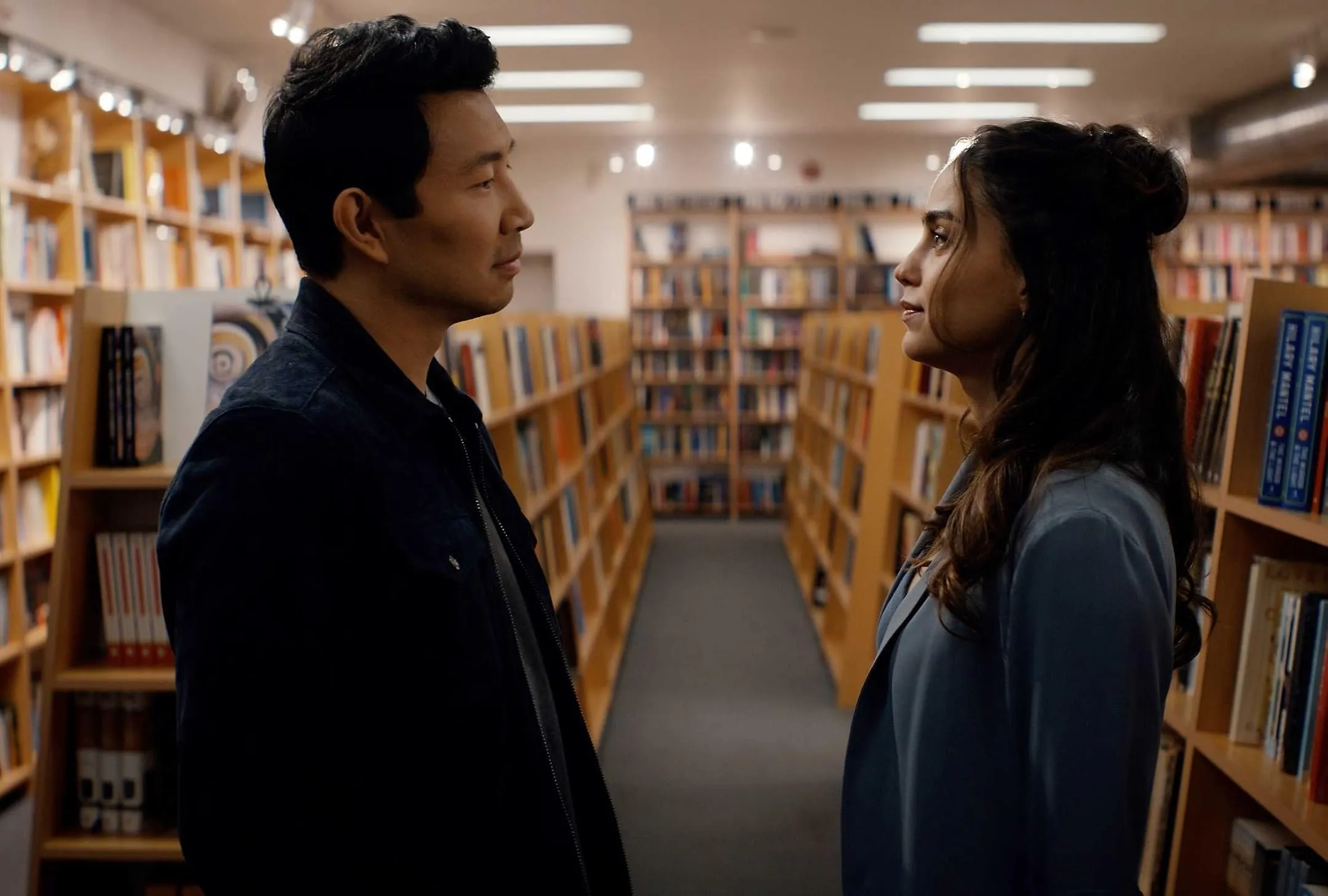
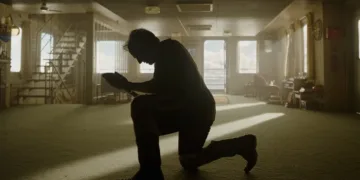
Field missions bring grit into the frame, and the switch keeps the season visually alert. The monochrome interrogation room stands out as a choice with real bite. A ring light, textured walls, and tight composition build a modern noir atmosphere that stays sharp and focused.
The stunt work earns its applause. Fights avoid repetition, and each sequence carries its own identity. Combat tracks character evolution, with Alexander applying lessons from earlier brawls as new enemies close in. Simu Liu’s martial arts background sells the weight and believability of the movement.
Editing turns choppy at times, with a rhythm that recalls action TV from two decades back, and that pulse fuels the chase scenes. The pacing holds steady across the season, moving from the pilot’s suspense to the finale’s frantic energy without losing direction. Sound design adds its own pressure point, with the migraines’ high-pitched whine pushing discomfort straight into the audience’s body.
The Ghost of the Past and the Price of Loyalty
The show uses spy machinery to take on cultural and ethical questions with real intent. Alexander’s identity as a first-generation Chinese-American shapes him, tied to the weight of his parents’ history and sacrifice. References to the 1980s and the struggles of political refugees ground that inheritance, giving heft to his desire to serve a country that may never fully trust him. The genre frame shifts in a telling direction, steering toward an immigrant experience where loyalty reads like survival strategy.
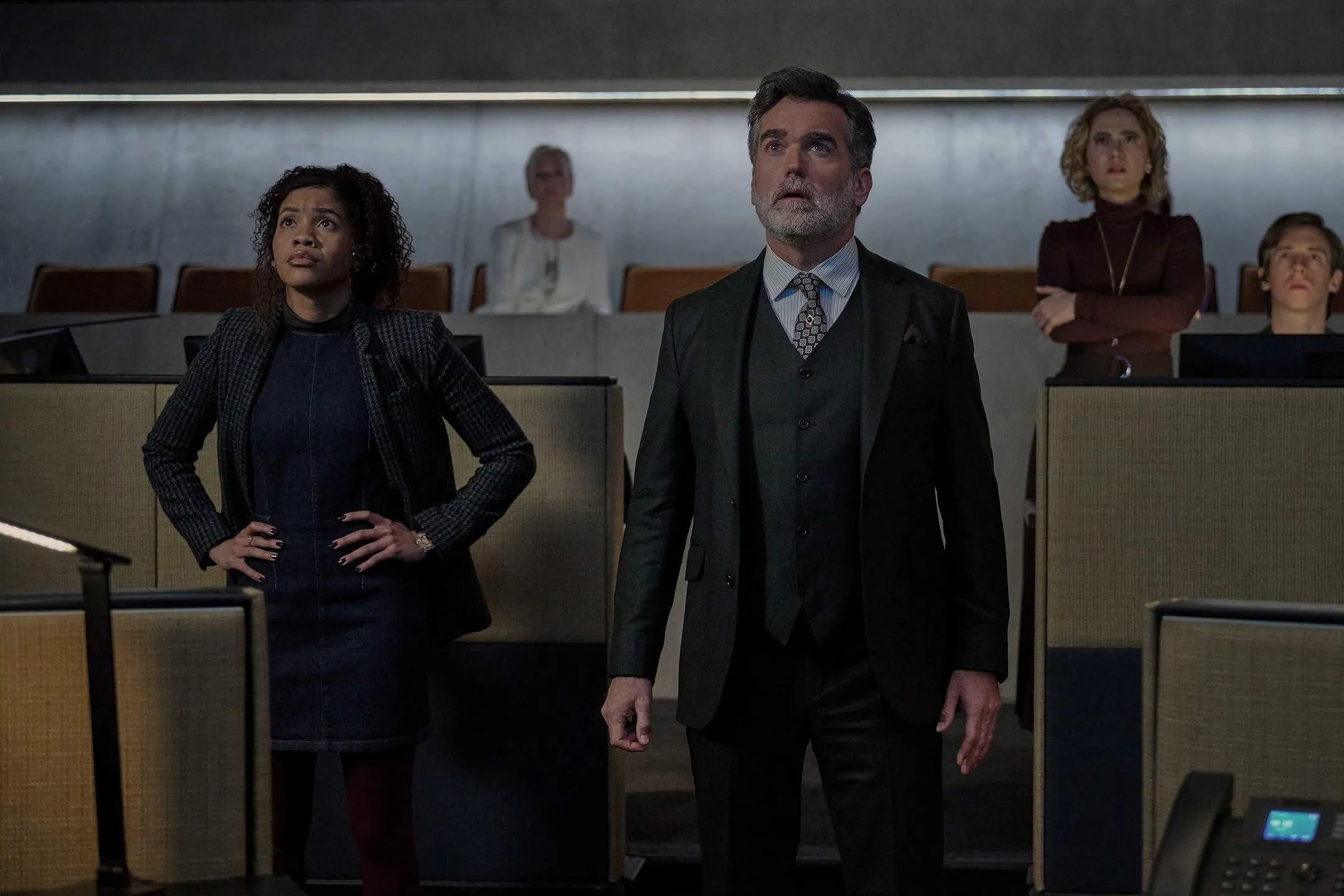
The title points to a psychological test used by government agencies to measure employee loyalty. The idea reaches back to a flashback: Alexander faced a choice between saving a child or an adult, and that moment becomes defining for him and for the series’ view of the intelligence community. The Orphanage demands surrender of the self, and the show asks a simple, brutal question about identity under ownership. Consent evaporates in Alexander’s situation.
He’s hacked, and his own agency keeps the violation running. Political commentary comes through loud and clear as security services drift from their original purpose, treating people like property and emotions like variables in an equation. The host nation becomes a frequent source of trauma, while immigrants fight to protect what remains of their humanity. The writers frame these people like Frankenstein’s monsters, assembled by an institution that has lost control of what it created. So who gets to claim innocence once the monsters start speaking back?
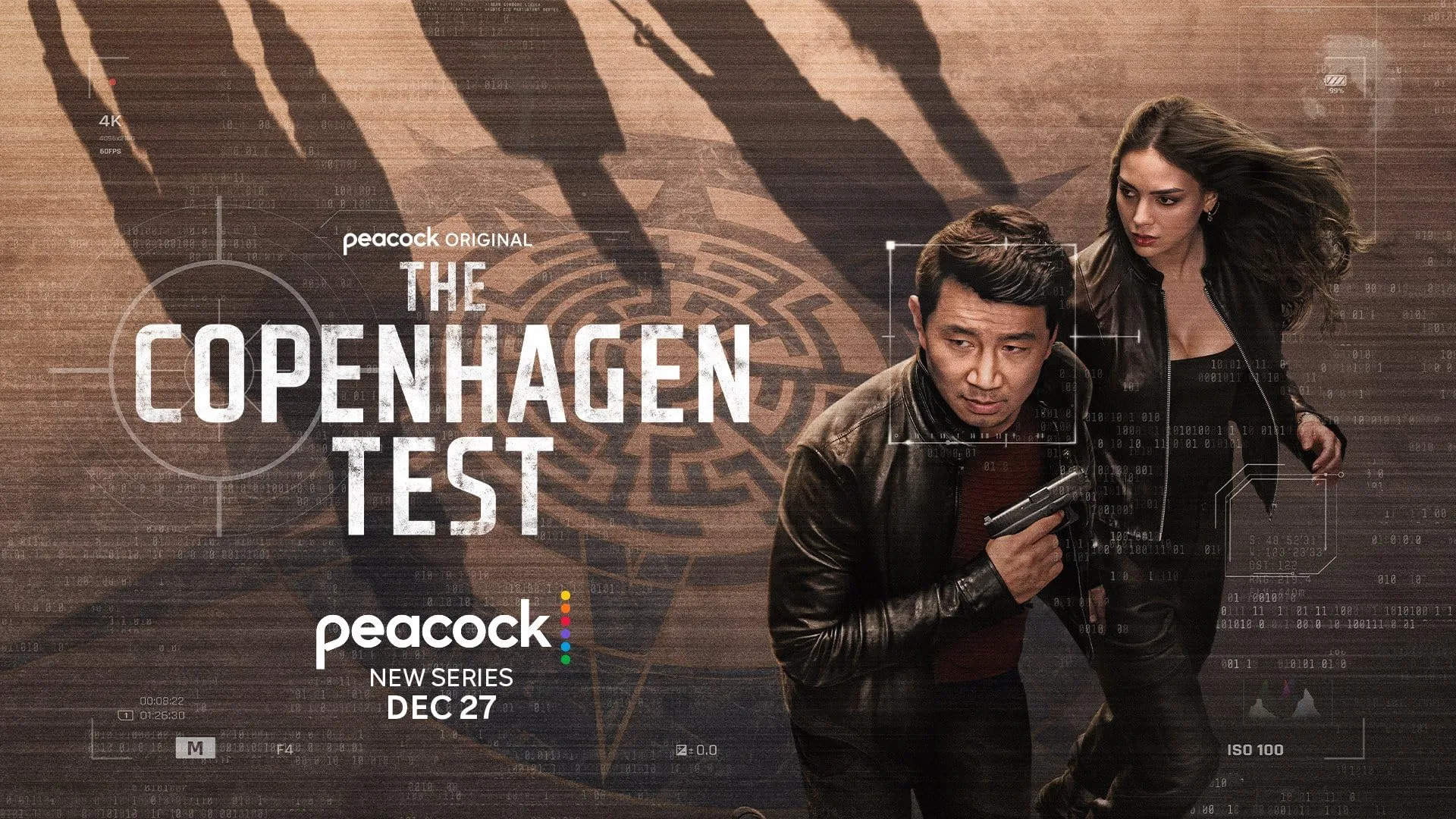
The Copenhagen Test premiered today, December 27, 2025, as a complete season drop on Peacock. This espionage thriller centers on Alexander Hale, a Chinese-American intelligence analyst whose life is upended when he discovers his brain has been compromised by a sophisticated hacking program. Forced to act as a double agent for his own organization, Hale must navigate a world of surveillance where his every thought and action is transmitted to an unknown adversary. All eight episodes are now available for streaming exclusively on the Peacock platform.
Full Credits
Title: The Copenhagen Test
Distributor: Peacock
Release date: December 27, 2025
Rating: TV-MA
Running time: 45–60 minutes per episode
Director: Jet Wilkinson, Nima Nourizadeh, Kevin Tancharoen
Writers: Thomas Brandon, Jennifer Yale, Jamie Chan, Adam Benic, Marilyn Fu, Hannah Rosner, Monica Buccini
Producers and Executive Producers: James Wan, Simu Liu, Jennifer Yale, Thomas Brandon, Michael Clear, Rob Hackett, Mark Winemaker, Jet Wilkinson
Cast: Simu Liu, Melissa Barrera, Sinclair Daniel, Brian d’Arcy James, Mark O’Brien, Kathleen Chalfant, Sara Amini, Saul Rubinek, Hannah Cruz
Director of Photography (Cinematographer): Celiana Cárdenas, Luc Montpellier
Editors: Various (Production through UCP)
Composer: Nathan Micay
The Review
The Copenhagen Test
The Copenhagen Test succeeds as a cold, calculated exploration of privacy’s death, driven by Simu Liu’s grounded intensity and Sinclair Daniel’s standout empathy. While the Orphanage’s lavish headquarters and some choppy editing lean into broadcast-era tropes, the "brain-hacking" premise injects a genuine sense of dread. It offers a stylish, paranoid ride that effectively flips the script on typical nationalist spy narratives. It is a sleek entry into the genre that favors psychological endurance over mindless spectacle.
PROS
- A refreshingly quiet and studious lead performance.
- Provides a vital, empathetic heart as the rookie Parker.
- Stunning use of minimalist tech and monochrome sets.
- Meaningful commentary on immigrant heritage and consent.
CONS
- The ending wraps up complex threads in a rushed fashion.
- Some sequences feel rhythmically disjointed or dated.
- The connection with Michelle occasionally feels forced.
- Certain plot devices rely on thin loopholes for convenience.