




















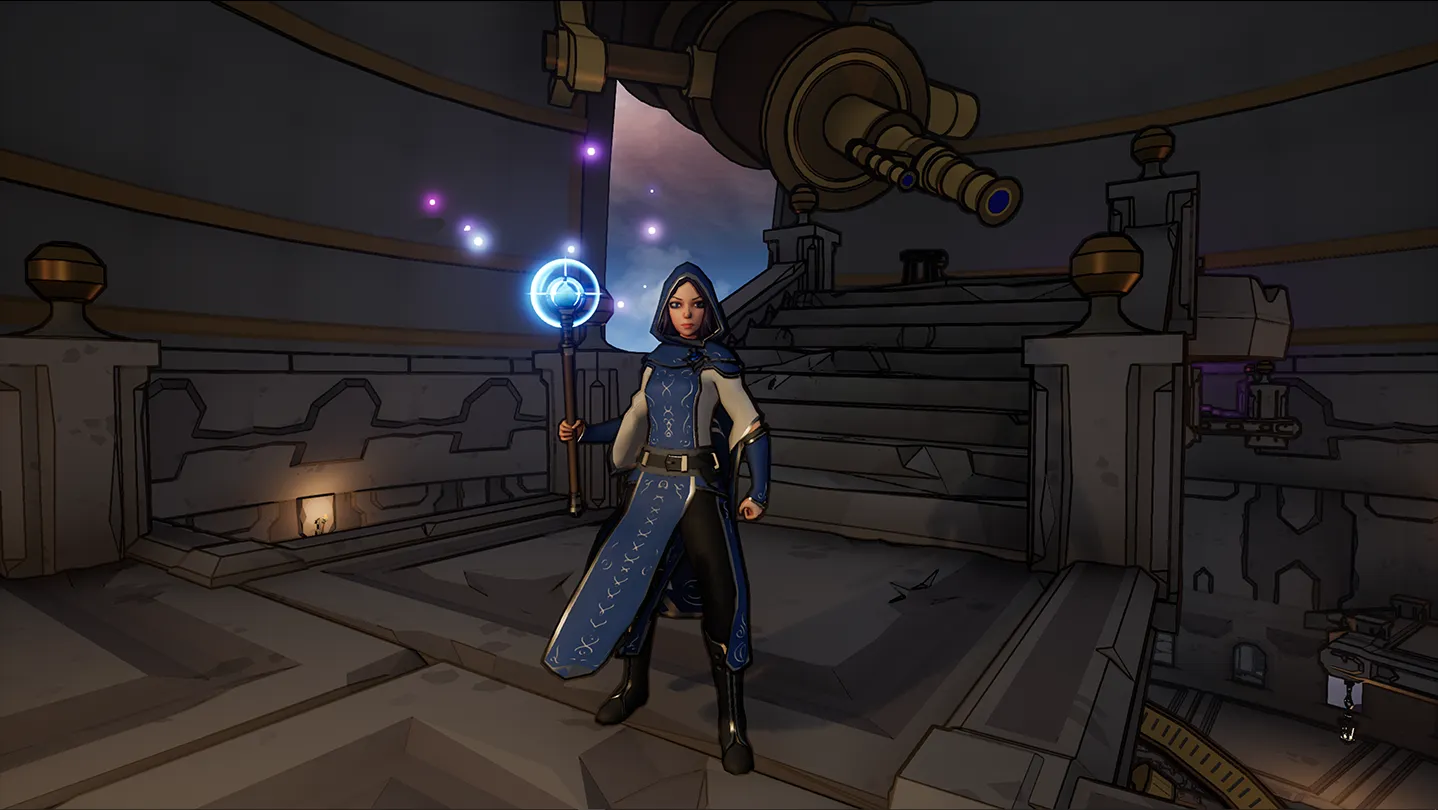

Mythrealm feels like a lost artifact from the PlayStation 2 era, carrying the same scrap-iron charm as titles like Shadow of the Colossus or the original God of War. It prioritizes atmosphere and experimental ideas, and it does not chase the sleek polish of modern blockbusters. Players step into the role of Alaris, a heroine who must traverse the crumbling continent of Arloria after the influential Wizards of Zelenar vanish.
A demonic threat from the Ragratha forces looms over the land, and the story unfolds through act one of this early access experience. Completing this initial segment takes about six to ten hours of play. The narrative avoids heavy cutscenes and leans on environmental storytelling.
You piece together the creeping darkness by reading scattered notes and journals left behind by NPCs. The result is a world of mythological monsters and forgotten ruins where exploration opens up without immediate restrictions. The developers plan to expand the content significantly over the coming six months.
The Trials of Arlorian Discovery
The level design in Mythrealm rejects constant hand-holding. Mini-maps and waypoint markers are absent, so you move across the continent by reading physical landmarks and trusting your own sense of direction. Finding a new area lands as a real accomplishment because you earn it through attention and memory.
The environments vary from damp, dark caves to dense forests and intricate dungeons, and they carry small details that sell the setting as lived-in. You might stumble upon a drunken skeleton celebrating in a tower, or you might find the journal of a poor lumberjack inside a small cabin. It is the kind of worldbuilding that makes you pause, smile, and then keep digging because the next corner might have its own odd little story.
Physical movement sits at the center of play, built around climbing, rolling, and crouching. The parkour system can create genuinely tense moments, but technical flaws keep interrupting that momentum. Jumps often feel unreliable due to floating hitboxes or invisible walls that block your path. Ledge grabs are a recurring irritation, since the animations do not always align with the terrain. Falling through the map is a real danger in the current build. The checkpoint system is forgiving, yet the lack of precise control during platforming sections can lead to repetitive cycles of failure, where the game keeps inviting you back to the same mistake until you finally wrestle a clean attempt out of the controls.
Exploration ties directly into survival. Searching every corner matters, and the game rewards that curiosity with potions and rare gear that visibly changes Alaris’s appearance. That visible progression makes rummaging through ruins feel meaningful, because the payoff shows up on your character, not just in a menu.
Steel, Sorcery, and Tactical Choices
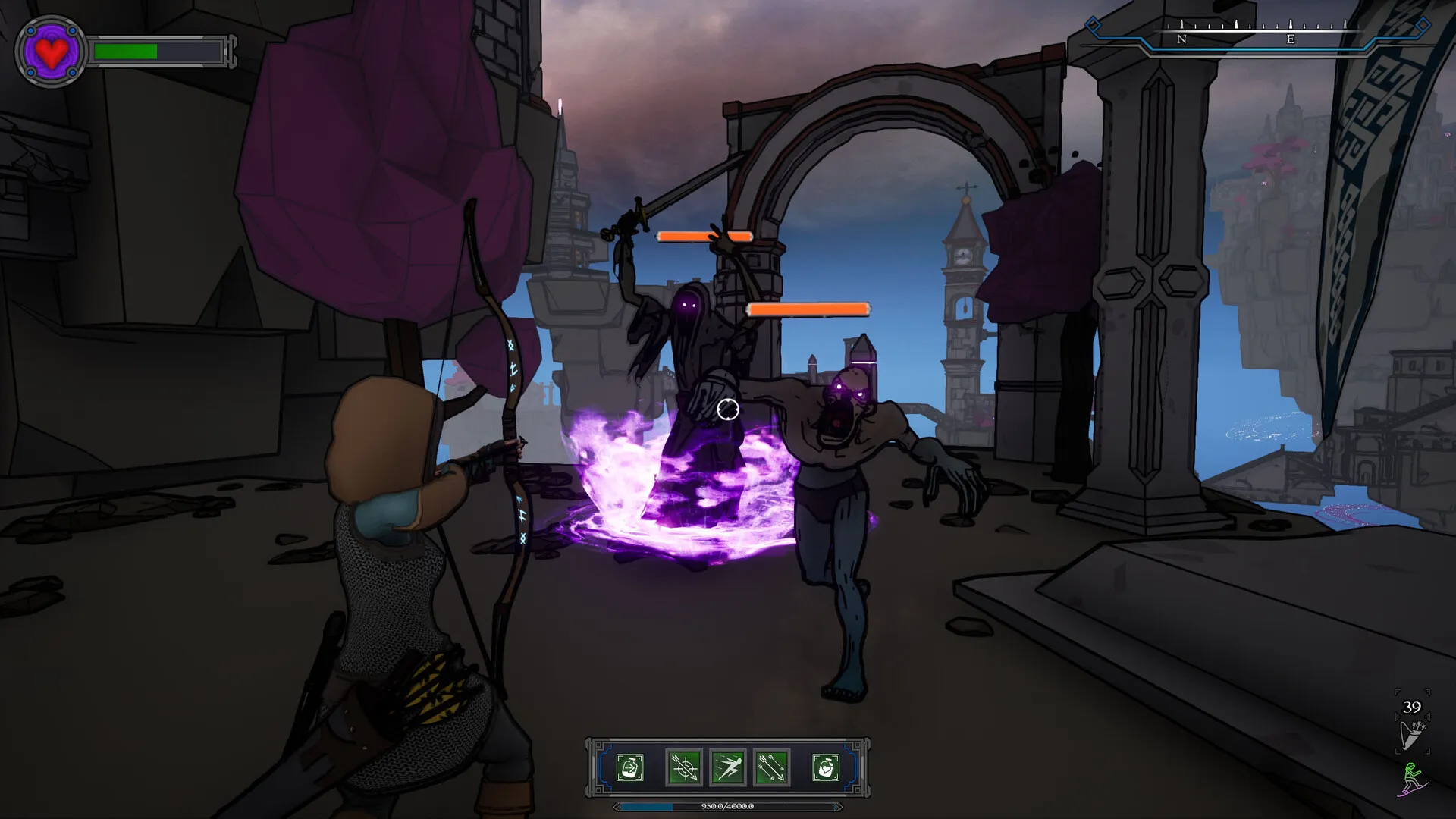
Combat uses a directional melee system that demands deliberate thought and timing. Your attacks follow the movement of the mouse or controller, forcing you to aim strikes at specific sides of an enemy. That system adds depth to encounters with a diverse roster of foes that includes mages, archers, and ancient monsters. The soulslike influence is apparent in the high cost of failure.

Even small creatures can end your run if you stop paying attention. Bosses raise the pressure further, since you must use the dodge mechanic with precision to survive their heavy blows. When the timing clicks, the system has a satisfying weight to it, and each exchange feels like a small test of control and decision-making.
Enemy intelligence is a weak point in the current build. Foes often move in random patterns and can be manipulated with little effort. Ranged enemies struggle to stay at an effective distance, which drains tension from fights that should feel like a careful push through arrows and spells. A stagger mechanic exists, and players can exploit it to simplify battles. Repeatedly hitting an enemy with arrows or spells can keep it frozen in place until it is defeated, turning many encounters into a repeatable routine rather than a shifting tactical problem.
Character progression offers significant variety through a flexible stat system. You can invest points into strength, agility, or magic to suit your preferred style. That flexibility supports diverse builds, such as a high-health tank or a 360 no-scope archer. Some players might prefer arcane melee skills with dodge buffs, and others will focus on high-damage sorcery. Equipment is balanced by damage and rarity, and every new piece of armor is reflected on the character model, giving upgrades a concrete, visible impact.
Controller support is currently half-formed. Using a gamepad for directional strikes feels clunky compared to a mouse. Swapping weapons on a controller often fails to respond cleanly, leading to moments of frustration in the heat of battle, right when the combat system demands steady execution.
The Aesthetic of Low-Poly Fantasy
Visually, Mythrealm occupies a space between a 3D animated film and a work-in-progress sketch. The low-poly art style uses bright lighting and cel-shaded models to create a warm, nostalgic feel. Some environments evoke the look of a classic Disney film, and the magic and combat recall early fantasy cinema from the late seventies. The world itself looks polished and atmospheric, but the character models still appear stiff. Sharp edges and textures do not feel finalized, which makes Alaris and other figures stand out as the clearest reminder that this is early access.
The audio design helps sustain the mood of the adventure. An orchestral soundtrack provides an epic scale to the world, and the voice acting is solid enough to add depth to the characters. The sound mixing during combat lacks a dynamic feel. Hits and spells sometimes sound artificial or flat, which dulls moments that should land with force and clarity.
Technical performance remains a concern in the current early access phase. Frame rates can drop significantly even when the graphics settings are lowered. Bugs still show up, including falling through geometry or enemies getting stuck in the terrain. The user interface remains simple and avoids the clutter found in many modern RPGs. The development team is active and engages with the community to fix glitches as they are reported. Mythrealm carries a great deal of charm beneath its rough edges, and further refinement could help it reach its full potential.
The Review
Mythrealm
Mythrealm is a scrappy, atmospheric throwback that prioritizes discovery and build variety over modern polish. While the parkour and technical glitches present real hurdles, the rewarding exploration and directional combat offer a depth rarely seen in the indie space. It feels like a rough diamond from the early 2000s, demanding patience but providing a genuine sense of wonder. If you enjoy watching a project evolve through active development, this fantasy adventure is worth your time.
PROS
- Rewarding non-linear exploration and environmental storytelling.
- Flexible character progression with visible gear changes.
- Nostalgic, bright low-poly art style.
- Active developers who address bugs quickly.
CONS
- Frustrating and inconsistent parkour mechanics.
- Weak enemy AI and exploitable combat systems.
- Incomplete controller support and optimization issues.