





























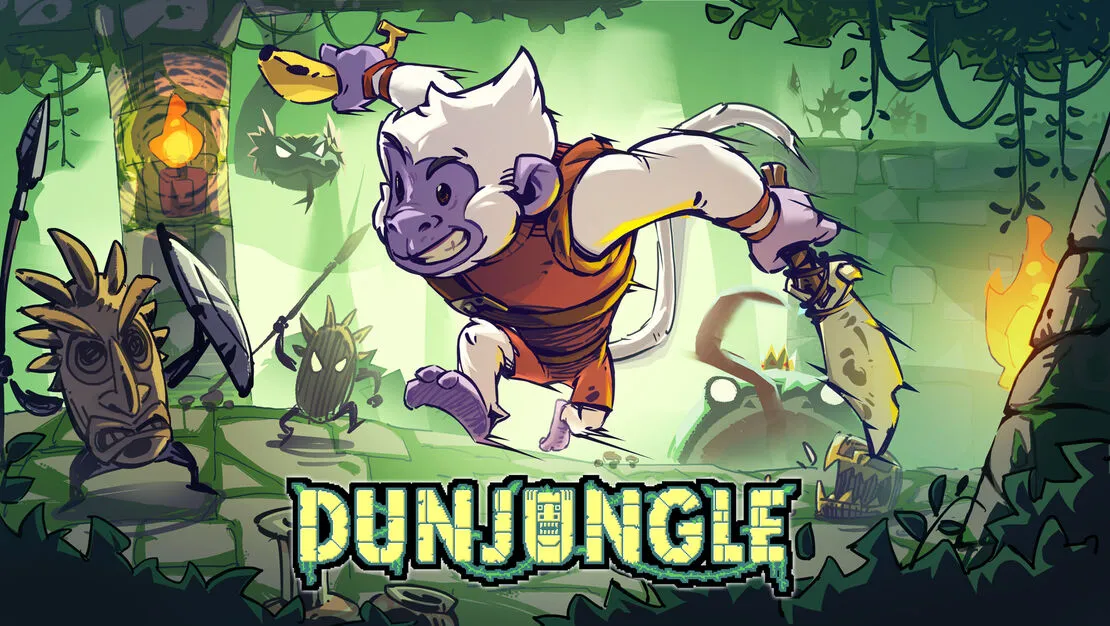

A thick, magical rot has seized the forest. The corruption spreads like a living sickness, twisting once-peaceful animals into aggressive threats and throwing the natural order into chaos. You enter that collapse as a warrior monkey, a small figure asked to carry the full weight of bringing his home back.
The side-scrolling view keeps everything tight and immediate, calling for clean inputs and fast reactions. Progress means hopping between platforms, reading trap placements, and threading through dense thickets and ancient stone ruins without letting the environment punish a sloppy step.
Your anchor in this ruined ecosystem is a magic medallion, the protagonist’s frontline defense against the darkness. It gathers the forest’s energy and turns it into a way to push back the corruption. The map breaks into distinct zones, from shadowed crypts to overgrown temples, and each space shifts both the look of the world and the problems it throws at you.
The story stays light on exposition. The burden comes through pressure: hostile creatures keep forcing engagement, and the environment itself looks like it is coming apart. Exploration becomes a physical act, with danger constantly close enough to feel personal.
Technical Mastery of the Four Slot Arsenal
Combat hinges on a strict four-slot equipment layout that rewards players who think about loadouts as systems. The primary slot is locked to a melee weapon, while three secondary slots hold specialized tools. That structure makes every choice about reach, tempo, and coverage matter, since close-range swings need support from utility gear.
A heavy hammer can hit hard while demanding patience, since its slower pace leaves openings for enemies to punish. Secondary slots can patch that vulnerability through faster projectiles or a protective shield. The gear pool stretches across magical spells, throwable spears, and small familiars that fight at your side. Each weapon carries its own sense of weight and speed, so timing becomes a constant recalibration from one find to the next.
Holding the attack button triggers a weapon-specific special move, which turns raw aggression into a question of windows and risk. Some moments invite a charged blow, and others call for quick, light stabs that keep you safer in a crowded fight. Builds deepen through elemental effects tied to items, including fire, paralysis, and life steal. Those effects reshape enemy interactions in concrete ways, like slowing fast-moving bugs or pulling health back from a swarm of bees.
A blacksmith NPC can appear during runs with weapon upgrades, and those boosts start to matter more as you press into the harsher crypts. The medallion adds another strategic axis by charging from defeated foes and cashing out as healing bursts or temporary boosts to combat attributes. The healing model leans aggressive: staying close and landing rapid hits can trigger small health recovery, nudging you toward sustained pressure instead of disengaging at the first sign of danger.
The Economy of Death and Growth
Runs open with choices that shape your path through the jungle room by room. Each room ends at two doors, and small cave paintings carved into the stone above them hint at what waits inside. One symbol can point toward a shop run by a strange NPC, while another signals a tougher elite enemy encounter.

That information keeps decision-making active, because you are always weighing current health and equipment against what a riskier route might pay back. This loop becomes the pulse of the experience. A difficult combat room can look tempting when you need currency to afford a healing item in the next shop, and the game keeps asking you to make that call with incomplete safety.
Between attempts, the hub area carries long-term progression. Petals collected during runs fund permanent upgrades, including larger maximum health and a wider spread of items that can appear at the start of a match. Diamonds serve as a rarer currency used to unlock new equipment types for the random loot pool. Beyond stat growth, character classes arrive through animal costumes that change your look while providing distinct stats or altered medallion abilities.
A tiger costume can lean toward raw power, while another outfit shifts toward magical utility. Ancient statues found out in the world offer temporary pacts with massive bonuses and steep costs, sometimes summoning a magical entity that hunts you through the levels. Surviving that pressure, or managing to defeat the threat, pays out a significant reward. Rescuing baby monkeys adds a gentler note to the cycle, turning them into short-term allies that follow you and help in combat until the run ends, giving your offensive tools a brief lift.
Aesthetic Detail and Technical Performance
The game’s colorful pixel art captures the jungle’s personality while leaving room for menace. Shadow effects sharpen the mood as you enter darker crypts and deep forest groves, and lighting helps the magical corruption feel tangible and heavy in the spaces it infects. Enemy design keeps variety high, ranging from aggressive insects to strange creations like living slot machines.
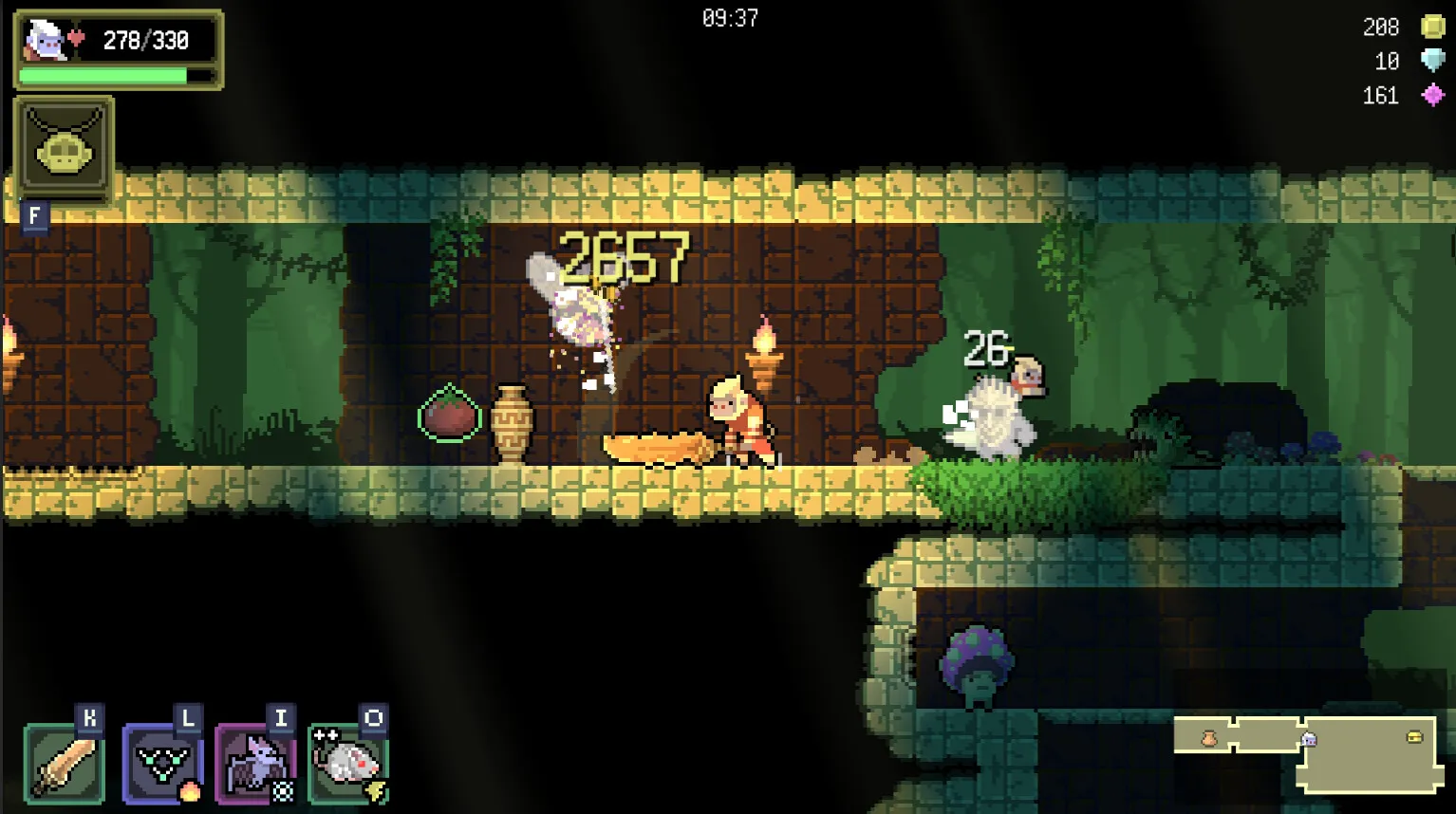
The tone stays lighthearted, using humor to counterbalance the challenge. Food items can make your monkey emit poison clouds, and that gag doubles as practical crowd control. Those playful beats keep the world from sinking into pure gloom, even while the rot keeps pressing in.
On Nintendo Switch, performance deserves attention. The frame rate holds steady in simpler platforming stretches, then starts to fluctuate once the screen fills. Large enemy counts combined with layered elemental effects, like fire and electricity, can introduce stutters during moments that demand tight control. The hit to fluidity stands out in intense boss fights, where precision carries real stakes. Players on more modern hardware, or the Switch successor, get a smoother experience with stable frame rates.
Localization covers several languages, including Brazilian Portuguese, and that clarity helps item descriptions and mechanics read cleanly. Room layouts rely on procedural generation, and patterns do become familiar over time, with certain platform setups and enemy spawns starting to repeat after a few hours. The combat’s consistency helps carry that repetition, keeping the moment-to-moment play satisfying through repeated attempts to save the forest.
The Review
Dunjungle
Dunjungle provides a mechanical experience that rewards precision and patience. The combat systems offer depth through a structured gear layout. While room variety dips after many hours of play, the core loop remains satisfying. It stands as a solid choice for players seeking a focused action title.
PROS
- Tight and responsive movement controls.
- Creative weapon synergy with the four-slot system.
- Charming and colorful pixel art presentation.
- Rewarding long-term progression hub.
CONS
- Occasional performance dips during intense scenes.
- Repetitive room layouts and enemy patterns.
- Complex four-button attack layout.