
























![Kingdom Hearts Collection [I-III] Review](https://gazettely.com/wp-content/uploads/2026/10/Kingdom-Hearts-Collection-I-III-1-360x180.webp "Kingdom Hearts Collection [I-III] Review: KHII Holds Steady as Newer Entries Fluctuate 37")



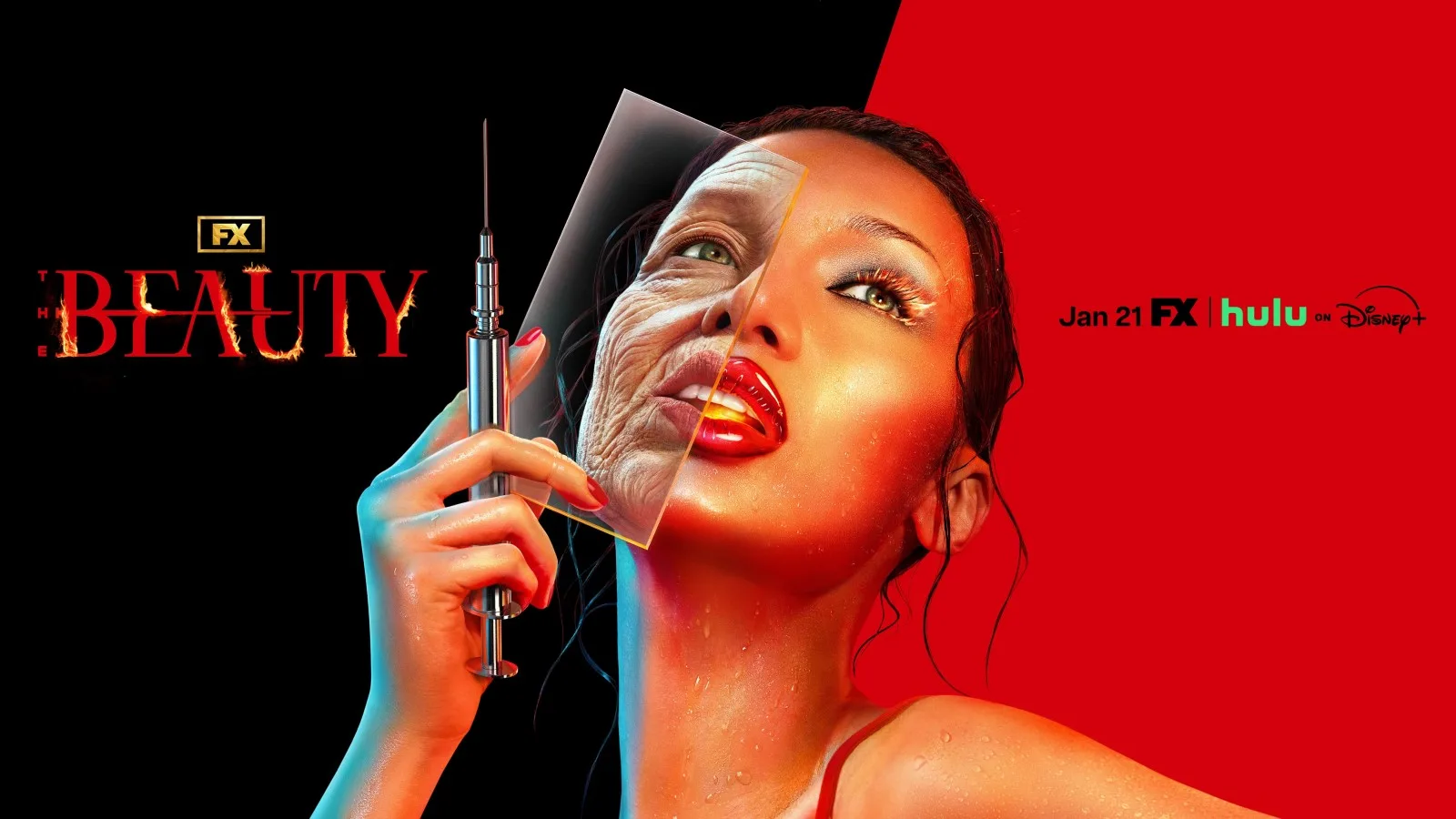

The Beauty stages a premise where physical perfection spreads like a contagion. Ryan Murphy and Matt Hodgson adapt a graphic novel idea into a glossy nightmare. The central engine is a designer virus that instantly sculpts bodies toward an ideal. Infected people grow leaner, younger, and conventionally attractive almost immediately. That transformation carries a deadline. After a brief run at peak health, infected subjects combust.
FBI agents Cooper Madsen and Jordan Bennett drive the investigation. Their work pulls them through fashion capitals from Paris to Rome. Their trail uncovers a network of corporate extraction headed by a billionaire intent on turning the disease into profit. The series pairs slick visual design with explicit body horror to interrogate contemporary obsession with looks. The cast includes Evan Peters, Rebecca Hall, and Ashton Kutcher. The show frames vanity and biotech as dangerously entangled and treats the desire for perfection as a social condition people will risk everything to access.
The Biological Cost of Aesthetic Ascent
The script anchors terror in concrete physical change. The virus operates like a violent chemical process. Subjects suffer fevers as high as 118 degrees while bones audibly snap and reorganize. Murphy and Hodgson consistently point to the bodily price of these improvements. The transformation proceeds in a viscous cocoon.
That cocoon converts flesh into a form of commodity. On the far side of this metamorphosis each person surfaces with a standardized beauty. Faces move toward an Instagram-ready symmetry that strips away inherited features. Skin smooths to a poreless plane. Bone becomes honed into a sharpened structure. The new face functions as a mask that erases personal history.
Perfection carries a clock. Two years at the new peak end in spontaneous combustion. The show treats the finale as a fevered hallucination. People grow so biologically hot that they dissolve into a mist of red fluids. The mechanic converts sexual attraction into a literal survival gamble. Intimacy becomes a vector for transmission. Sex operates as risky social currency because a single encounter can trigger a metabolic time bomb. The investigation maps this danger through elite venues. The pathogen moves among the upper echelons. The most beautiful become walking hazards. The series uses specific set pieces to trace the contagion’s path.
Madsen and Bennett uncover the virus’s designer nature. The series likens its behavior to a hybrid of rabies and HIV to underline its predatory logic. It seeks those who prize surface. It rewards shallow choices with temporary reward and fatal consequence. These biological rules build procedural suspense. Every attractive stranger reads as potential menace. The series forces attention on the gore. It makes viewers confront the bodily fluids and filth required to manufacture the image of perfection.
Monetizing the Flesh: The Corporate Architect
The narrative centers Byron Forst as the architect of commercial chaos. Ashton Kutcher plays this billionaire with petulant affect and a god complex. He treats populations as assets. Forst plans a subscription model to extend life at a cost. He aims to sell expensive boosters that halt the final internal combustion.
The story reframes a biological disaster as a recurring revenue stream. Forst asserts that beautiful people operate outside ordinary rules. He works to align morality with bone structure. His posture represents an extreme biotech arrogance. One sequence shows him dancing through labs to Tame Impala, a visual that accentuates his distance from the human cost. He treats the epidemic like entertainment.
Antonio, his enforcer, introduces an absurd strain of violence. Anthony Ramos plays the assassin with playful detachment. The character wears a metal eye patch and favors soft rock when committing murders. The use of Christopher Cross’s music during his most brutal acts gives those scenes an odd rhythmic cruelty. That tonal juxtaposition produces grim humor. Isabella Rossellini appears as Forst’s wife and serves as an internal counterpoint to the greed. She plays a figure trapped in a gilded enclosure and delivers sharp lines about her husband’s lack of humanity while wearing towering hats. Her performance supplies an operatic strain within corporate corridors.
Subplots widen the view beyond elite circles. A character named Jeremy embodies the desperation of marginalized people. He self-identifies as an incel and seeks the drug from profound loneliness. His arc registers the sorrow that drives the desire for instant alteration. He stands in for millions who would pay with their lives for a fleeting moment of belonging. The subplot exposes how the corporation profits off that longing. Forst does not invent the desire for beauty. He harvests it. He understands that visibility commands payment. The company comes to own both body and cure.
The Visual Syntax of Excess
The production privileges surface as a way to hide interior collapse. High-fashion garments and luxury objects conceal internal rot. Widescreen compositions and a desaturated palette render the world sleek and lifeless. Murphy’s camera lingers on midriffs and jawlines, inviting the audience into the same shallow gaze that defines the characters. The series borrows from classic body horror. Slime and pod-people imagery reference practical-effects traditions that emphasize transformation as material violence. Those visuals place the show in a lineage alongside earlier practitioners who dramatized flesh as a site of anxiety.
Sound design reinforces the material cost. The squelch of flesh and the crunch of bone populate transformation scenes. The auditory choices keep the drug’s price present even during attractive moments. These sequences feel wet and heavy in a way that creates a persistent tension.
Viewers see surfaces that gleam and faces that please while also confronting the fluids and filth required to produce them. The A NU U clinic scenes function as pointed parodies. They mimic the clean choreography of weight-loss commercials. Technicians move with surgical precision around patients, and that choreography critiques the modern wellness industry.
Visual motifs suggest characters have traded interior life for a high-definition exterior. Matrix-style sunglasses and minimalist architecture reinforce sterility. Lighting renders infected bodies luminous. The glow becomes a biological marker of status and a signal of impending death. The series maintains a steady contrast between beautiful subjects and violent eruptions. Gore integrates with erotic presentation so the aesthetic pleasure of the world constantly collides with collapse. That collision produces an experience that is both alluring and repulsive.
Performative Perfection and Human Stakes
Evan Peters anchors the series as Agent Cooper Madsen. He holds a controlled, stoic demeanor that mirrors the show’s institutional cynicism. Madsen reads human interaction primarily as a hunt for status and treats behavior through a lens of sexual economy. Rebecca Hall supplies an anchored presence as Jordan Bennett.
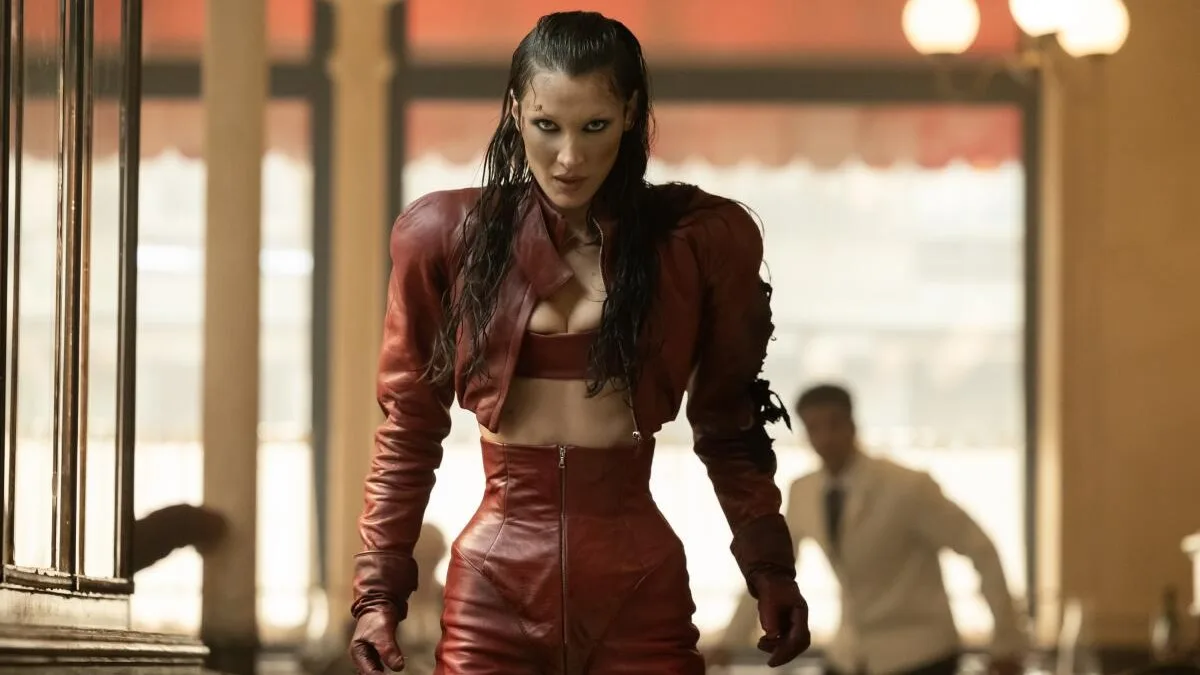
Her character understands how toxic vanity can be and continues to feel its pull. The narrative makes a daring structural move when Jordan takes the drug and the role shifts to Jess Alexander. That casting decision confronts the audience with its own biases by asking whether one woman rates above another under the show’s beauty logic.
Real-world celebrities appear and tether the fiction to present attention culture. Cameos by Meghan Trainor and Bella Hadid underline the social currency on offer. The series finds emotional grounding in intimate character work. An episode centered on a trans scientist examines the drug through questions of identity and suggests the possibility of self-actualization through alteration. Another subplot follows a father trying to help his terminally ill child, and those scenes show that the search for appearance can stem from urgent, human need.
Performances amplify the script’s tonal balancing act. John Carroll Lynch plays an FBI official who describes the pathogen in clinical and terrifying language. Those measured moments make the absurd claims feel credible. Jeremy Pope communicates the brittle vulnerability of a man pushed toward violence.
Characters in the series often behave reprehensibly. They also remain recognizably human in their flaws. The ensemble persuades viewers to care about people who have chosen to become products. That investment adds genuine tragedy to the show’s camp elements. The series remains a sharply skeptical portrait of a culture that prizes image above other values.
The Beauty premiered on January 21, 2026. Viewers can watch the series on the FX cable channel or stream it via Hulu in the United States. International audiences can access the episodes on the Disney+ platform. The story follows federal agents as they investigate a designer virus that grants users their ideal physical form. This transformation creates a dangerous biological countdown, leading the characters into a conflict with a tech billionaire.
Full Credits
Title: The Beauty
Distributor: FX, Hulu, Disney+
Release date: January 21, 2026
Rating: TV-MA
Running time: 45 to 60 minutes
Director: Ryan Murphy, Alexis Martin Woodall, Michael Uppendahl
Writers: Ryan Murphy, Matthew Hodgson, Jeremy Haun, Jason A. Hurley
Producers and Executive Producers: Ryan Murphy, Matthew Hodgson, Evan Peters, Anthony Ramos, Jeremy Pope, Eric Kovtun, Scott Robertson, Nissa Diederich, Michael Uppendahl, Alexis Martin Woodall, Eric Gitter, Peter Schwerin, Jeremy Haun
Cast: Evan Peters, Anthony Ramos, Jeremy Pope, Ashton Kutcher, Rebecca Hall, Isabella Rossellini, Bella Hadid, Meghan Trainor, Ben Platt, Jessica Alexander, Vincent D’Onofrio, Ari Graynor, Peter Gallagher, Lux Pascal, Amelia Hamlin, Billy Eichner
Director of Photography (Cinematographer): Stanley Fernandez
Editors: Philip Welch
Composer: Mac Quayle
The Review
The Beauty
Ryan Murphy delivers a polished, grotesque exploration of physical obsession. The series succeeds by grounding its wilder body horror in the cold reality of corporate greed. The narrative occasionally favors style over deep logic. The performances provide enough weight to anchor the spectacle. It provides a biting look at a world addicted to its own reflection.
PROS
- Strong lead performances from Evan Peters and Rebecca Hall.
- Visceral practical effects and body horror design.
- Sharp satirical commentary on celebrity and wellness culture.
- Provocative use of casting as a storytelling device.
CONS
- Uneven pacing in the middle chapters.
- Repetitive nature of the transformation sequences.
- Some supporting characters remain underdeveloped.







