
























![Kingdom Hearts Collection [I-III] Review](https://gazettely.com/wp-content/uploads/2026/10/Kingdom-Hearts-Collection-I-III-1-360x180.webp "Kingdom Hearts Collection [I-III] Review: KHII Holds Steady as Newer Entries Fluctuate 37")



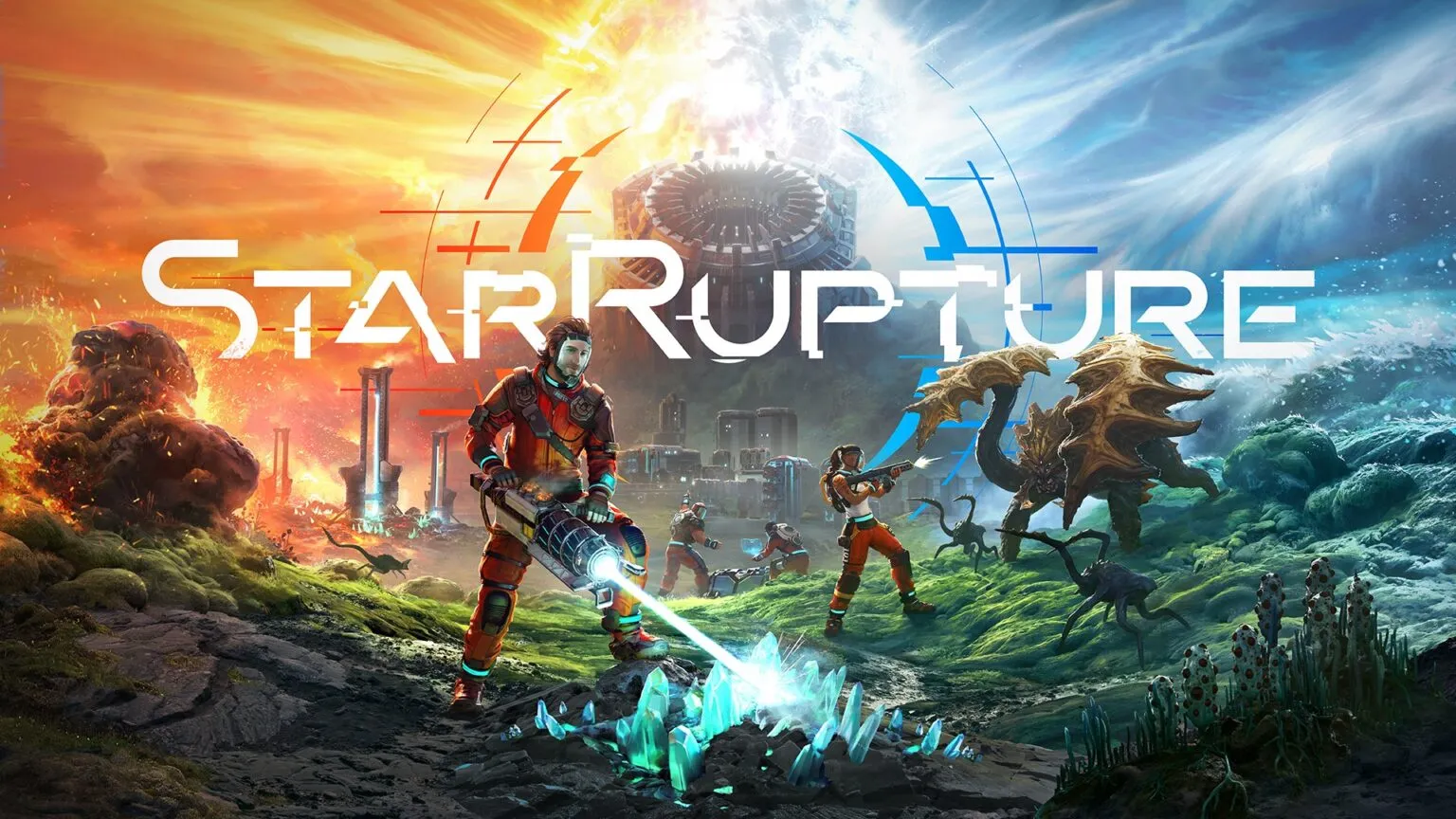

The sky over Arcadia-7 acts as a timer that controls the survival of every living thing on the surface. The sun in this system is dangerously unstable, and it produces a solar rupture with mechanical regularity. Each hour, a wave of fire rolls across the planet and wipes out anything that fails to reach a shielded habitat in time. You play as a laborer for the Claywood Corporation, stuck in a job where your output carries more weight than your safety. Life exists in the short stretches of calm between eruptions, and the game makes those minutes feel borrowed.
Your guide is an artificial intelligence named GAL. It talks through your actions with a mocking edge and keeps the corporate framing in view. It reminds you that your life can be reduced to a line item in a budget. The environment reinforces that pressure through speed and repetition.
Vegetation burns to ash, then regrows within minutes. You watch the world die and return in a cycle that controls your movement. You weigh the urge to grab resources against the certainty of the next rupture. That countdown sets the pace for every task, and it keeps the fantasy clear: you are one disposable worker inside a larger industrial machine. You learn to respect the fire, and you learn to fear the star.
Industrial Logistics and Passive Demand
Success begins with meteorite hearts. You search impact craters for these glowing fragments and use them as the power source for your base cores. Growth depends on a grid-based construction system that supports organized facilities and readable layouts. Rails become the defining feature of your industrial footprint. Metal tracks carry resource packets between machines, and the movement gives constant feedback on whether your design holds together. Items fly through the air like cargo on a conveyor, turning logistics into a visible stream you can diagnose at a glance.
The factory follows a passive pull model. Machines request materials based on their current production needs, which keeps output tied to demand. That design choice avoids the kind of clutter that builds up in factory management games when parts pile up without a clear destination. Your time goes into planning the paths between smelters, fabricators, and everything that depends on them.
A single missing rail can stop the entire system, and the game makes that failure feel immediate and absolute. Progress also connects to corporate tech trees. You complete missions for different companies to earn data points, then spend those points on improvements for your suit or your base. Each company offers its own set of upgrades. Some lean toward survival equipment. Others lean toward heavy machinery and automation.
Advancement comes from sending finished goods off the planet through an orbital cargo launcher. That launcher functions as the gate that turns production into forward motion. The act of placing rails and configuring a base can feel genuinely satisfying, especially when a line runs cleanly without intervention.
There is a specific joy in the silent operation of a well-aligned system, because it reflects planning that held up under pressure. The game asks you to think several steps ahead to keep logistics functional, and the complexity rises as you unlock more advanced technologies. Every new machine demands a rethink of your existing layout, and the planning work can consume you as the factory expands.
Predatory Ecosystems and Rupture Windows
Managing your basic physical needs places lighter demands on your attention than the factory. Hunger and thirst sit on simple indicators, and you meet those needs by foraging for local fruit or finding water sources. The developers aim for a more forgiving survival experience than their previous titles, and the environment provides enough raw material to keep you alive while you focus on building.
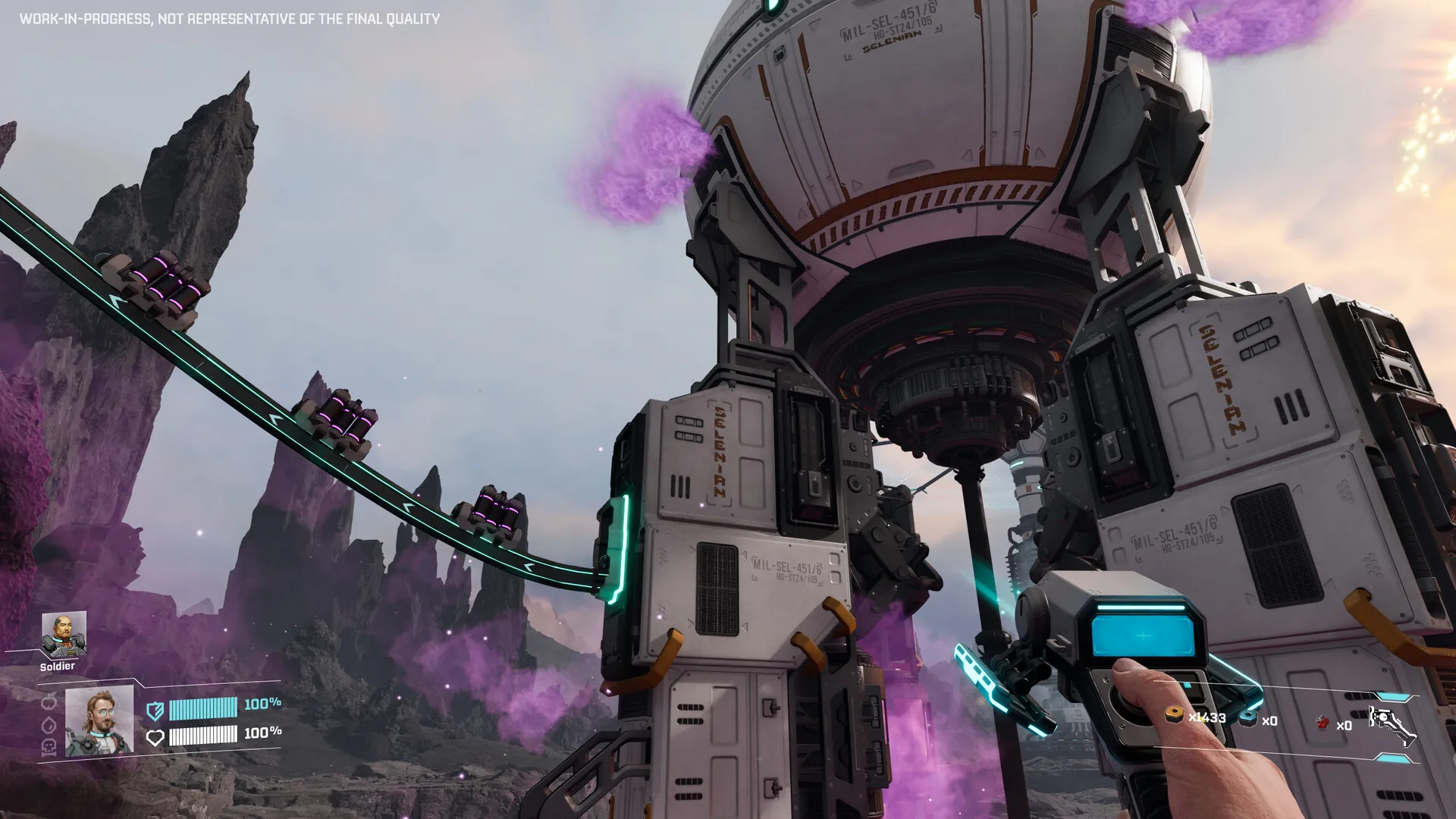
The main threat to expansion comes from the local fauna. The Vermin are aggressive, spider-like creatures that hunt in packs. You run into scouts early, then face armored chargers and enemies that spit acid as the pressure escalates.
Combat feels physical and weighty. You use pistols and assault rifles to clear areas for new buildings, and each shot lands with impact. The ecosystem also links directly to the solar rupture in a way that turns timing into part of exploration. Thick vines block the entrances to valuable caves and mineral deposits. Standard tools cannot destroy these plants, so progress depends on the environment itself.
You wait for the fire wave to clear the vines away, then move fast. The rupture creates a high-stakes window where you rush into smoking terrain, gather rare ores, and retreat before the vegetation regrows. This mechanic forces you to engage with the planet at its most dangerous moment, and it turns exploration into a sprint measured in seconds.
Base defense adds persistent tension that feeds directly into player choice. Swarms of creatures can attack your structures without warning, and alarms can trigger while you are miles away at a secondary base. Distance becomes a gameplay decision with consequences for your infrastructure.
You can race back to defend your core, or you can stay where you are and accept damage while the machines take the hit. That decision sits beside the constant pull of industrial greed, since expansion always promises more output and more tech. Physical safety remains part of the cost, and the rupture timer keeps that cost present at all times.
Technical Stability and Interface Friction
Unreal Engine 5 supports a large world and high-quality lighting effects. During a rupture, the sky shifts toward deep charcoal as embers drift through the air. The atmosphere feels heavy, and it reinforces the danger that drives the game’s rhythm. Performance remains steady even as your industrial footprint grows large, which matters in a system-driven experience where you need to read movement, timing, and throughput across a sprawling network.
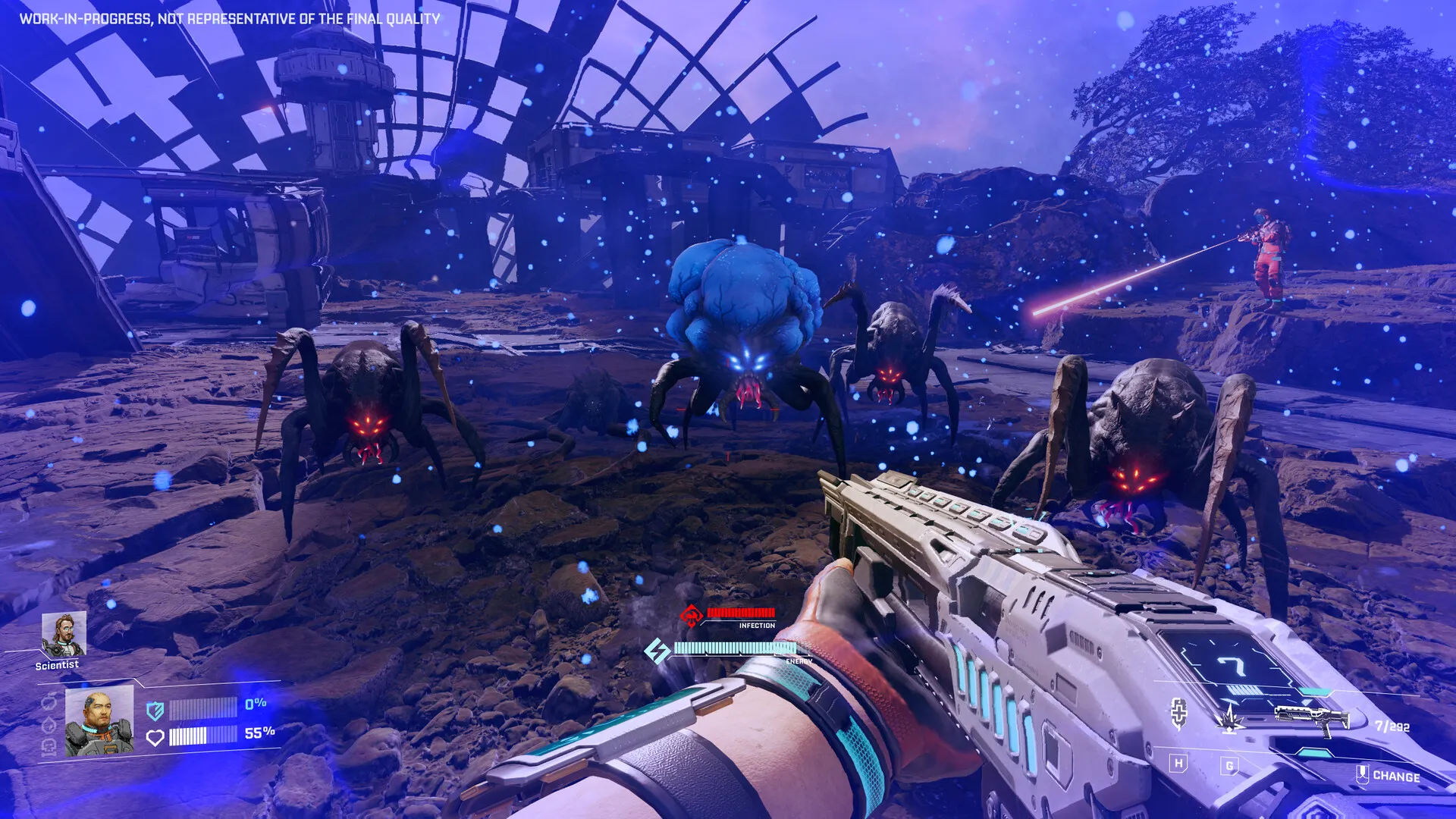
The user interface creates several points of friction. The text size is small, and mission objectives can be difficult to read. Key remapping is missing, which feels like a strange omission for a modern game. Movement can also feel slow because there is no fast travel system, and you spend a lot of time walking between bases. That travel becomes tedious during retrieval runs, especially when you need an item stored in a distant crate. Building collision adds its own frustration. Pieces sometimes refuse to connect, and the game offers little clarity when a placement fails.
Inventory management demands manual work for several hours. Storage containers lack a quick sort function, so organization becomes another routine task alongside production planning. Audio design captures the industrial theme well, with heavy clanks that make machinery feel solid and present.
Some sound choices distract, including loud slurping for drinking. Those visceral effects may bother some players. The game provides a strong technical foundation for an early access release, with few bugs. Future updates need better navigation and a cleaner interface, since quality-of-life improvements would make the systems easier to manage while keeping the tension of the rupture cycle intact.
The Review
StarRupture
StarRupture establishes a compelling loop of industrial expansion and rhythmic survival. The solar rupture mechanic creates a unique pressure that forces careful planning and rewards bold exploration during the planet's most dangerous moments. While the user interface and inventory management currently suffer from early access friction, the technical foundation and automation systems are remarkably polished. It provides a distinct, atmospheric alternative to the leaders of the genre.
PROS
- Satisfying and visual rail-based automation.
- High-stakes environmental mechanics with the solar rupture.
- Stable performance and impressive Unreal Engine 5 lighting.
- Meaningful synergy between industrial growth and combat upgrades.
CONS
- Small text size and lack of custom keybindings.
- Tedious long-distance travel without fast travel options.
- Manual inventory management before late-game unlocks.
- Sparse environmental variety in certain biomes.







