













![Kingdom Hearts Collection [I-III] Review](https://gazettely.com/wp-content/uploads/2026/10/Kingdom-Hearts-Collection-I-III-1-360x180.webp "Kingdom Hearts Collection [I-III] Review: KHII Holds Steady as Newer Entries Fluctuate 37")



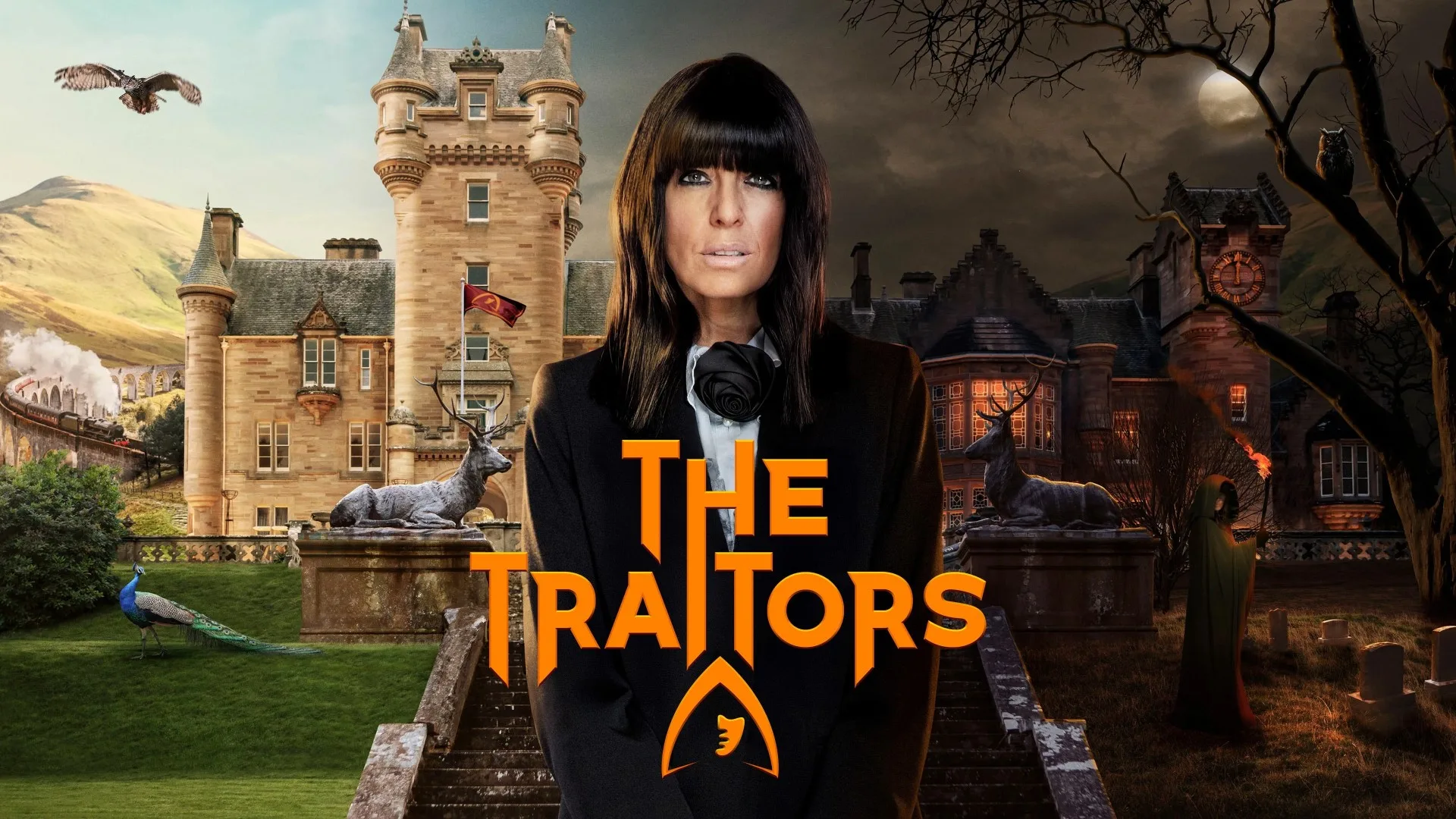

The Highland fog clings to the stone turrets as a familiar green velvet cloak steps out of a black 4×4. Claudia Winkleman is back at her ancestral home of televised treachery. This fourth outing ushers twenty-two new faces into the castle, each arriving with the same bright, dangerous thought: £120,000. The group reads like a cross-section of Britain with the volume turned up. There’s a 22-year-old internal auditor, a 66-year-old retiree, and plenty of personalities in between, all trekking to this remote corner of Scotland for a psychological battle that has become a national obsession.
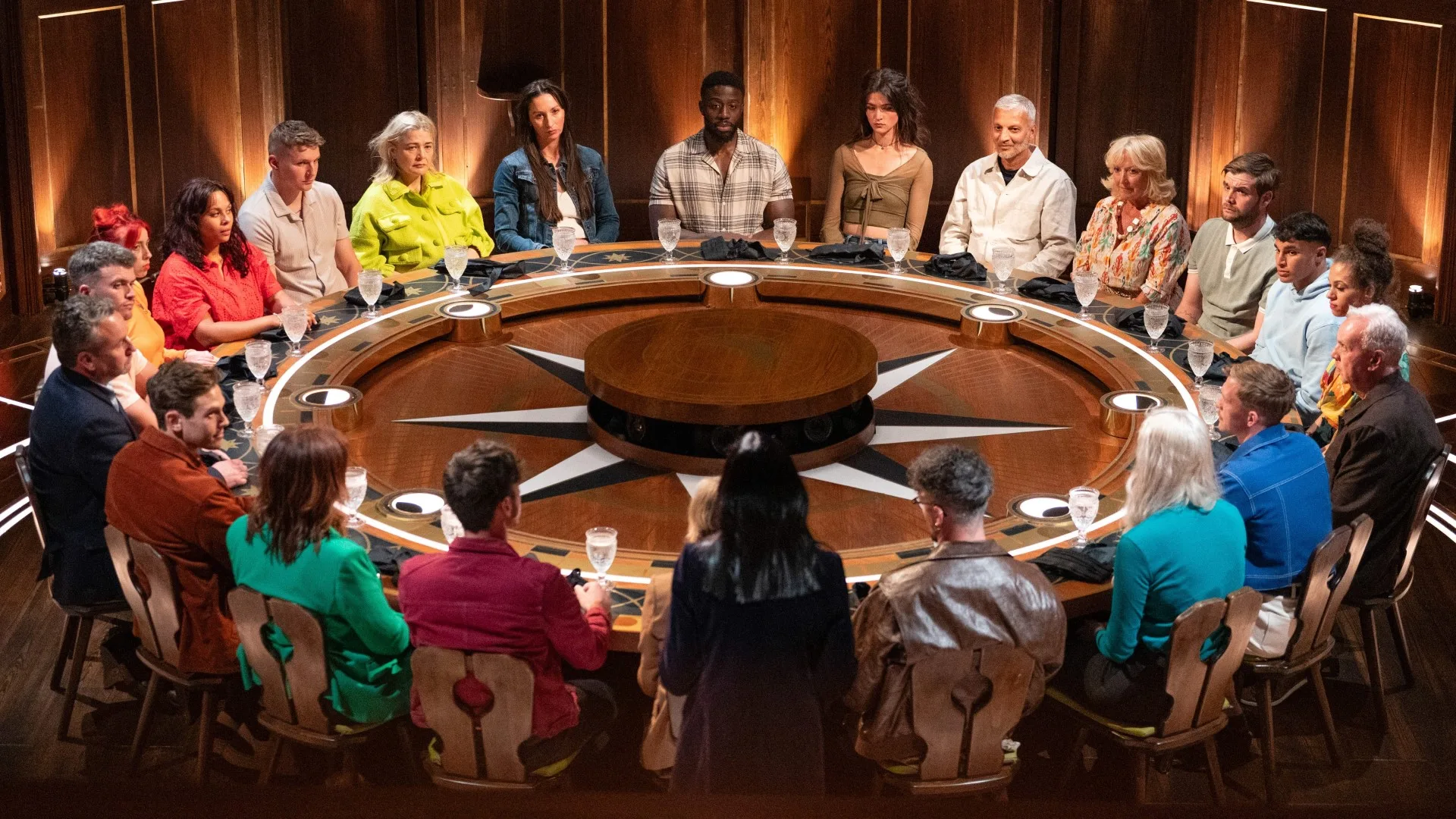
The premise still plays like a cruel social experiment with better lighting. A small group of Traitors picks off the Faithful one by one under the cover of night. The Faithful try to trust their instincts, then weaponize them at a daily round table where everyone talks like they are calm and looks like they are not. The stakes stay simple and sharp: if a Traitor reaches the final day, they take every penny. The production leans hard into gothic mystery, and it works. This remains high-stakes camp with real strategic tension, the sort of show that makes paranoia feel like a party game.
Power Shifts and Red Shadows
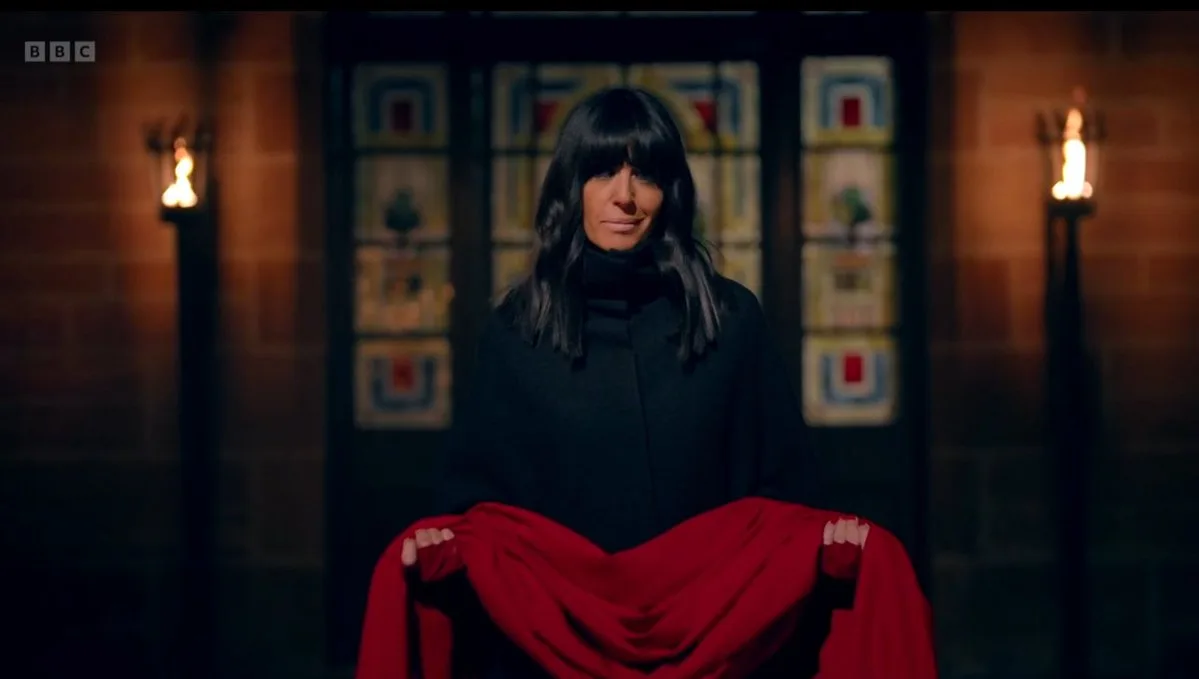
The biggest change arrives wrapped in secrecy: the Secret Traitor. This figure wears a distinct red cloak and stays completely isolated from the group. Their identity is hidden from the Faithful, hidden from the main Traitors, and hidden from the audience too. That triple-blind setup does a neat trick. Viewers get dragged into the same anxious guessing game as the people living inside the castle’s echo chamber.
The Secret Traitor also carries real authority. They control the shortlist for the nightly murders. The regular Traitors lose their usual freedom to pick any victim they want. Instead, they receive a list of three names and must choose a target from that set group. It’s a major rule shift, and the show makes sure the audience feels the floor move.
Up in the turret, the effect lands immediately. Hugo and Stephen do not mask their frustration with the new mechanic. Hugo calls the role a kind of middle management, which is a brutal insult in a game about betrayal and bloodless ambition. He wants free rein over who he removes, and the format tells him to take a number.
The twist also scrambles the Traitors’ informational advantage. The Traitors usually operate with a near-total view of the board. Here, they start guessing the motives of a higher power they cannot see. That uncertainty creates friction fast. The Traitors begin talking about identifying and removing the Secret Traitor so they can reclaim control. It turns their alliance into a workplace grievance with cloaks.
That internal conflict plays beautifully on screen. It keeps the game from settling into familiar grooves, and it forces even the sharper players to adjust mid-stride. The whole season opener starts acting like a meta-exercise, with the audience finally solving alongside the cast, not trailing behind them. The paranoia gets shared. The fun gets sharpened.
The Professional Deceivers
This cast comes stocked with people who have spent years studying behavior, shaping perception, or keeping truths in their back pocket. Hugo is a 51-year-old barrister from London with experience in financial sanctions and serious crime. He describes himself as a psychopathic teddy bear, which sounds like a joke until you watch how comfortable he looks while sizing up the room. Backstabbing, to him, reads like a professional skill with a friendly label.
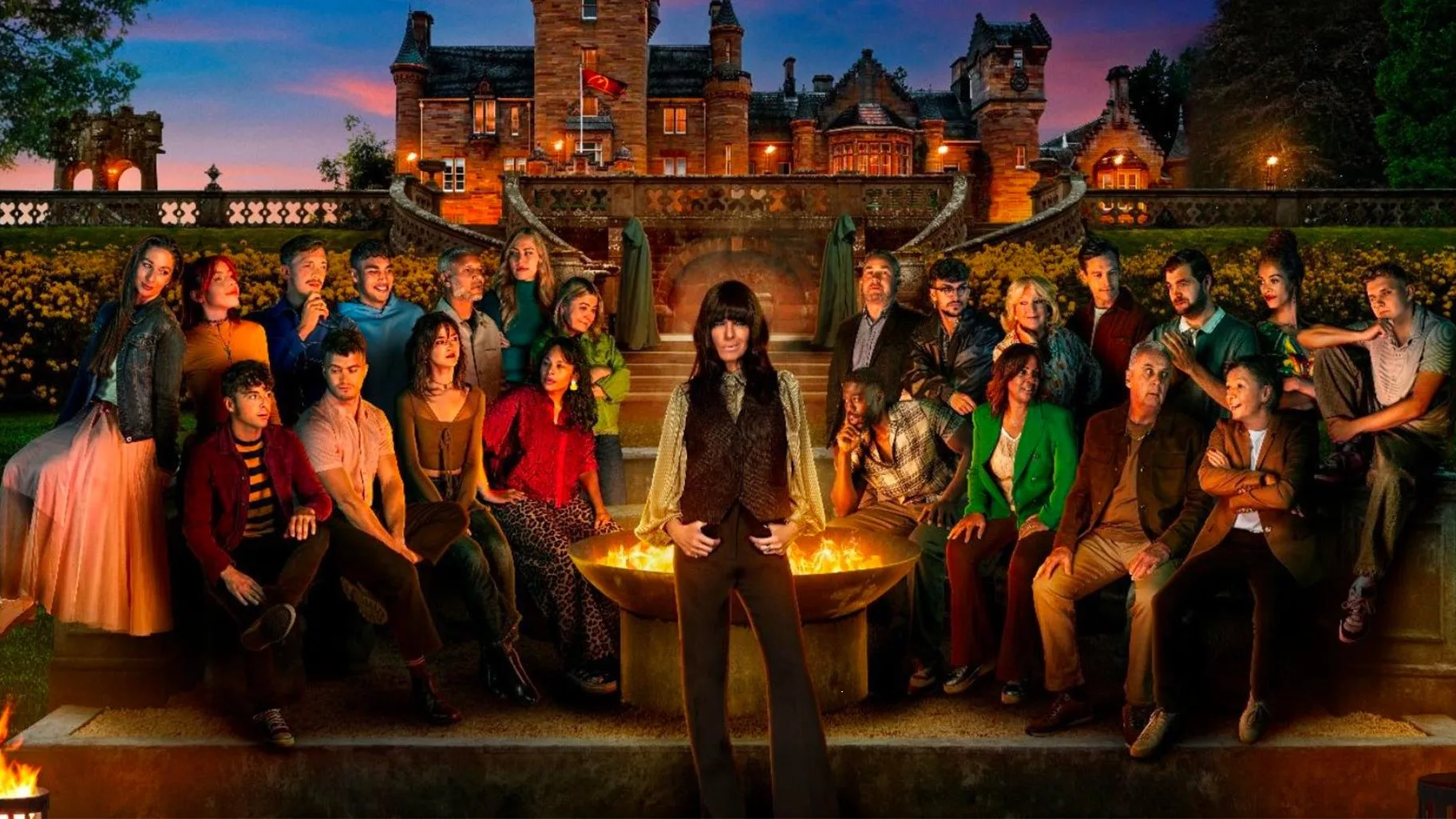
Harriet arrives with her own toolkit. She’s a 52-year-old crime writer and former barrister, and she uses her legal background to hide how well she reads people. She’s used to plotting murders on the page. Now she’s doing it in real life, and the show milks the irony without winking too hard.
Amanda brings a different kind of threat. She’s a 57-year-old retired police detective from Brighton, and she chooses secrecy as her first move. She keeps her past under wraps because she knows what happens once people decide you can spot lies for a living. Her interview experience makes her dangerous to any Traitor who gets sloppy, and the season plants that landmine early.
Then there’s Rachel, head of communications, with a story that tells you exactly how she plays. She once talked her way into a presidential hotel suite by pretending to be the daughter of the Irish president. She treats the game like a live-fire test of her professional instincts, and that confidence reads loud in a room full of quiet watchers.
Stephen, a 32-year-old cybersecurity consultant, explains his own background with a level of candor that lands. Growing up queer in a small community pushed him to learn how to be different people in different settings. That skill translates cleanly to a game built on camouflage and timing, and he understands the value of staying under the radar.
Faraaz, the youngest at 22, chooses patience as a strategy. He plans to keep quiet, watch the older players, then make a move when he has enough data. Sam, a 34-year-old account manager, chooses the opposite posture and gets framed early as the season’s villain. He calls himself a fantastic liar and says he will throw anyone under the bus to win. Subtlety clocks out when Sam walks in.
The age range adds texture to the social dynamics. Older players like Ben and Fiona get underestimated, filed away as harmless, and that misread gives them space to operate. The cast also comes from across the UK, and the regional variety shows up in every conversation, each accent carrying its own rhythm in a game where cadence can read like guilt.
Secrets Between the Sheets
Hidden connections thread through the episode like tripwires. Judy and Roxy enter with a secret that could shift votes if it gets exposed: they are mother and daughter. They keep the relationship quiet because the group would likely treat them as a voting bloc, a powerful pair with the potential to steer banishments.
Netty and Ross carry a different kind of history. They are acquaintances who have not seen each other in fifteen years, and their reunion at the start of the episode lands as a genuine shock. The show gives them just enough space for the awkwardness to breathe. They now face a choice about proximity in the game: work together, keep distance, or get caught hovering in the same orbit.
The season leans on a familiar truth about hidden ties. They tend to go badly. One person caught in a lie can drag the other down, and that risk adds pressure to every casual conversation. The emotional cost of keeping those secrets becomes part of the drama, a private strain running under the public performance.
Casting also emphasizes people who come to play the game. Money and strategy sit at the front of their motivations, and you can feel it in how quickly paranoia hardens. The round table remains the pressure cooker where suspicion turns into theatre. Tiny habits get dissected. People watch for shifts in body language, a phrase said too sharply, a laugh held half a second too long.
One moment captures how fast this group can ignite. A player says they are curious about who picked a coffin for them, and the room snaps into immediate defensiveness. A simple question becomes an accusation. That’s the show’s magic trick: it makes curiosity feel like a knife.
The moral dilemma also sits right there on the surface. Hugo embraces the role of the bad guy with open comfort. Others struggle to lie to people they have known for a handful of hours and already call friends. That creates tension between their real-world self and the self required to win. Survival strategies pop up fast. Some players isolate and nudge suspicion toward the people who seem most honest. Fiona leans into a ditherer persona, playing indecisive so she reads as non-threatening. It’s clever, and it also feels like the kind of mask that becomes hard to remove once it starts working.
Stunts, Sound, and the Queen of Darkness
The challenges arrive with extra spectacle this season, and the opener goes big. The first mission features 100 coffins floating on a loch. Players row out to retrieve them, find money inside, then place the coffins into graves marked with contestants’ names. The visual lands instantly. It forces a public act of risk assessment, a physical declaration of who you are willing to endanger, and it does it in front of everyone.
Seeing graves labeled with people’s names triggers arguments on the spot. The game turns personal at speed, and the episode lets that discomfort sit in the air. The Scottish landscape deepens the isolation. The castle looks gorgeous in daylight and threatening at night, exactly the kind of setting that makes murder feel like part of the décor.
Claudia Winkleman remains the glue holding the tone together. She manages funny and intimidating in the same breath. Her gothic outfits and heavy fringe feel locked into the show’s identity now, and she speaks to the players with a mix of affection and coldness that keeps them off-balance. She even slips in a small singalong in the first episode, a flash of warmth that works because the rest runs so hot.
The pacing stays tight. Quick cuts keep energy high and feed the sense that everyone is always one heartbeat from a bad decision. The sound design does heavy lifting too. Orchestral swells at the round table build anxiety, while silence during the murders makes each moment hit harder. Drone shots sell the scale of the Highlands, and close-ups catch every tiny facial flicker during banishments. The show is edited like a high-budget thriller, with each technical choice feeding dread and excitement.
And then there’s the tap on the shoulder, still the sharpest punctuation mark in reality television. The question is simple and nasty: after all this pageantry, paranoia, and performance, who hears it next?
The fourth season of this hit reality series premiered on BBC One and BBC iPlayer on January 1, 2026. Set in the grand Ardross Castle within the Scottish Highlands, the show features twenty-two contestants who must survive a game of psychological deception to win a prize fund. You can watch new episodes as they air throughout January 2026, with the full series available for streaming on the BBC iPlayer platform.
Full Credits
Title: The Traitors UK Season 4
Distributor: BBC One
Release date: January 1, 2026
Rating: TV-MA
Running time: 59 minutes
Director: Ben Archard
Writers: Marc Pos, Jasper Hoogendoorn
Producers and Executive Producers: Mike Cotton, Toni Ireland, Stephen Lambert, Sarah Fay
Cast: Claudia Winkleman, Hugo Lodge, Rachel Duffy, Stephen Libby, Amanda, Ben, Ellie, Faraaz, Fiona, Harriet, Jack, Jade, James, Jessie, Judy, Matthew, Maz, Netty, Reece, Ross, Roxy, Sam
Director of Photography (Cinematographer): Cody Burridge, Euan Cherry
Editors: Mark Wyatt, Dave Grewal
Composer: Sam Thompson, Samuel Karl Bohn
The Review
The Traitors Season 4
This season successfully revitalizes a familiar format by introducing genuine uncertainty through the Secret Traitor. The casting of high-stakes professionals like barristers and detectives ensures the psychological warfare is sharper than ever. While the new "middle management" twist occasionally slows the primary Traitors' momentum, it adds a layer of mystery that bridges the gap between the players and the audience. It remains the gold standard for strategic reality television, blending gothic atmosphere with ruthless human behavior.
PROS
- The Secret Traitor twist adds a fresh, interactive layer of mystery for viewers.
- Exceptionally strong casting featuring professionals skilled in deception and analysis.
- High production values and atmospheric use of the Scottish Highlands.
- Claudia Winkleman continues to be the perfect tonal anchor for the series.
CONS
- The murder shortlist restricts the strategic freedom of the primary Traitors.
- Some secret connections between players feel less impactful than in previous years.