























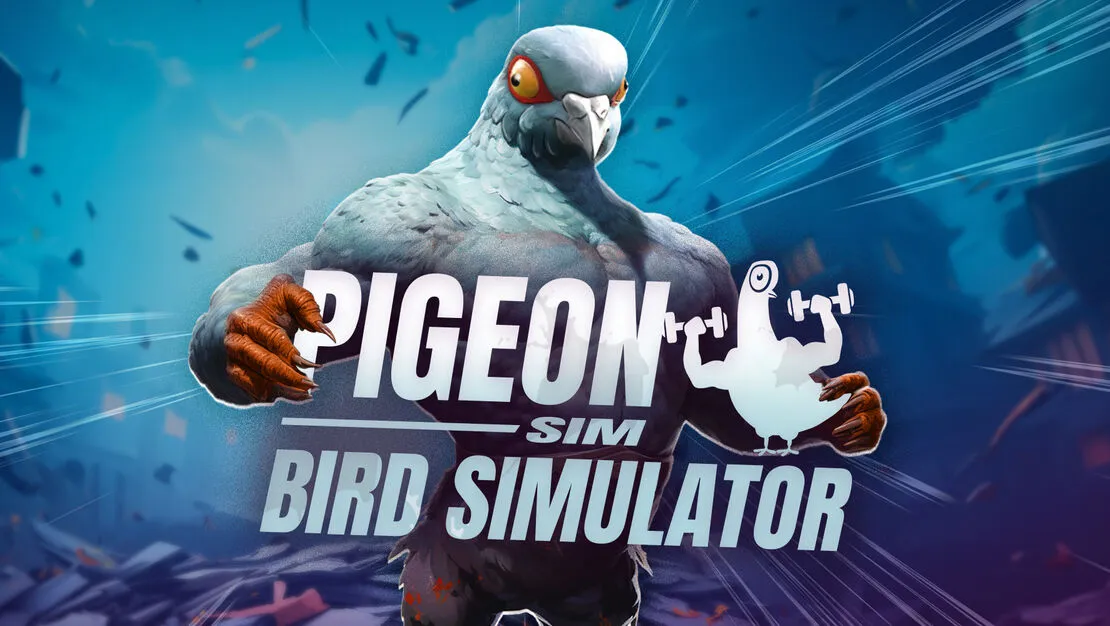

New Squawk City plays like a sprawling urban fever dream where everyday physics gives way to paranormal anomalies. You drop into that mess as a specialized operative for the Paranormal Examination and Kontainment unit, a secret outfit called P.E.K. That job title matters, because it frames your bird-brained chaos as work: you get high-tech gadgets and assignments that read like secret agent errands, even while the city itself behaves like a cartoon that wandered into cosmic horror. The art leans cute and elastic, yet the reality-warping distortions keep the threat level high enough that every alley and rooftop feels like it could turn into a problem you have to solve.
The core hook is simple and practical. You hunt down glowing hazards and neutralize them before local reality collapses. That goal gives shape to the mayhem, so your mischief has purpose instead of being random vandalism. The game keeps asking you to juggle two impulses: stir up panic in a living city, then act like a professional who has a job to finish.
Mechanics of the Extraction Cycle
Everything starts with a flight model built for personality, not clean precision. Flapping and gliding carry weight, so movement feels deliberate, and momentum becomes a constant concern when you snap into sharp turns or dive into crowded plazas. Landings land with tension, because the physics make every touchdown feel like a decision you commit to, then pay for.
Combat and utility feed into the same physical language. You can drop organic projectiles to scatter NPCs, then switch to government-issued grappling hooks to snatch objects straight out of the environment. Those tools support a loop pulled from extraction shooters: locate an anomaly, secure it, then reach a designated extraction point. The chaos timer puts pressure on that loop by steadily twisting the city as the clock runs.
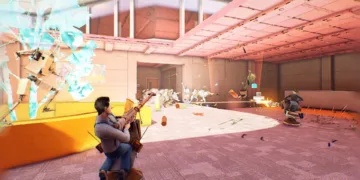
One run might throw exploding trash bags at you. Another might populate the streets with sentient televisions that spit projectiles at any bird they spot. These threats force you to track space and react fast, because the same physics that make flight expressive also punish sloppy positioning.
That punishment is often funny in the specific way slapstick is funny: one misstep becomes a chain reaction of bumps, rebounds, and collisions that pinball your pigeon across the map. NPCs complete the feedback loop. They flee, they flail, they spiral into panic when you disrupt routines, and that constant response keeps the city feeling alive, even while it feels fragile enough to break if the anomalies win.
Progression Paths and Technical Disparities
Your secret-agent pigeon grows inside a strict roguelite structure where choices made during a run shape survival odds. You earn points by extracting anomalies and by collecting red orbs from defeated threats. Those points feed a skill tree that improves mobility, attack speed, and specialized biological weaponry, so progression is tied directly to how you handle the extraction rhythm.
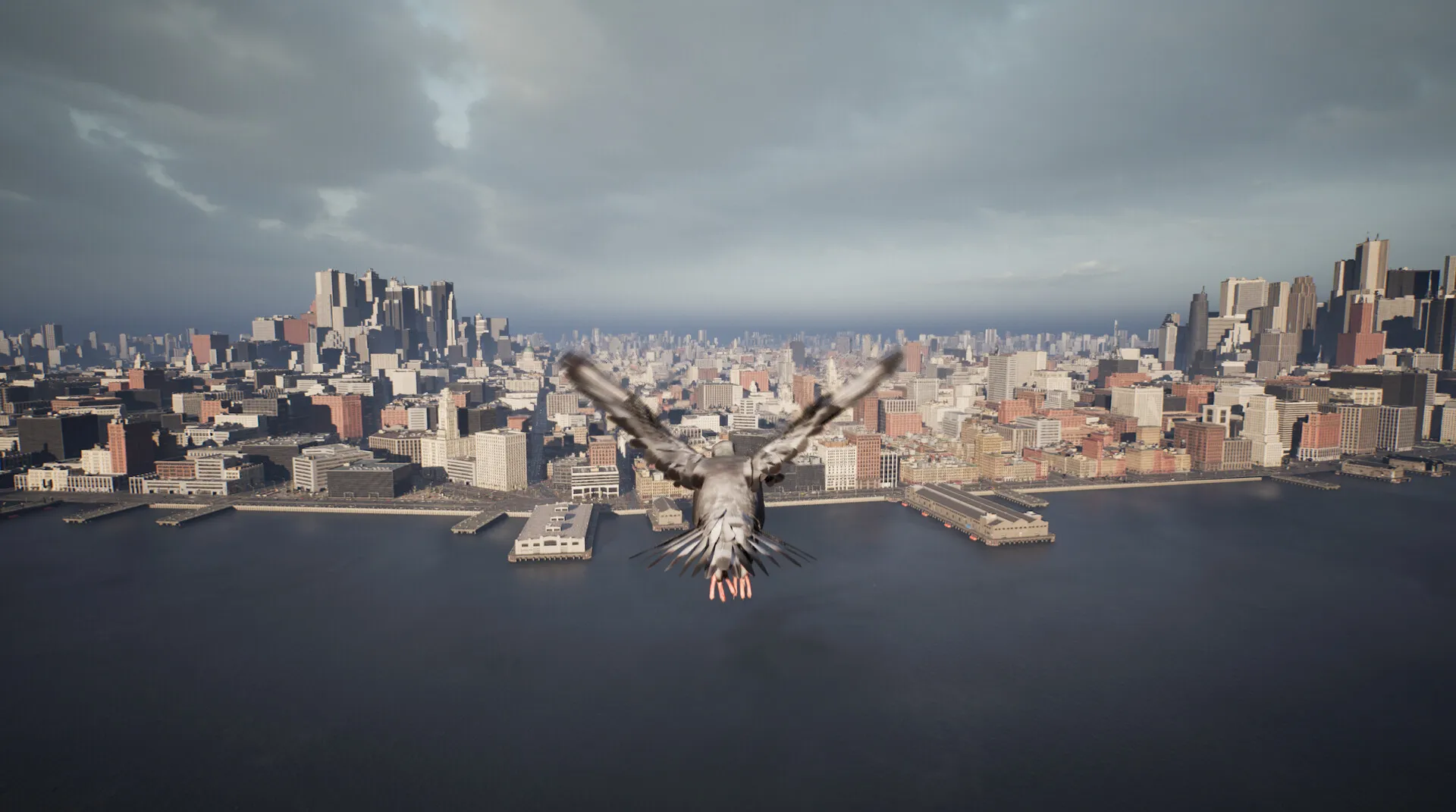
Commit hard to the weapon line and you can unlock a shotgun-like blast from your beak, which changes how you read danger and how aggressively you can push through hostile zones. The shift lands because the game’s difficulty makes power feel earned rather than decorative.
Gear adds another decision layer. Hats, radios, and suitcases let you tune stats, and that tuning influences what kind of risks you can afford once the chaos timer ramps up. Failure wipes those active upgrades and sends you back to the start, so every run becomes a test of what you learned and how well you adapt to the city’s escalating weirdness.
Platform differences also shape the experience. On PC, controls feel responsive, and accessibility options like colorblind filters help cut through the visual noise when high-chaos events stack on top of each other. On Xbox, the difficulty spikes in a different way. Controller flight makes precision harder to maintain, and the missing depth in visual settings can turn darker anomaly zones into a grind to read and manage. Console players also lose the possibility of local play, which narrows the game’s social reach on that platform.
Collaborative Chaos and the Social Playground
Multiplayer shifts the emphasis from personal survival to coordinated mayhem. With support for up to four players, the squad can split into clear roles: one bird can stack health and draw enemy fire, while others chase high-speed extractions or take on long-range artillery support. The shared wallet system makes spending a team decision, because upgrades affect the group’s chances and can’t be treated like private loot.
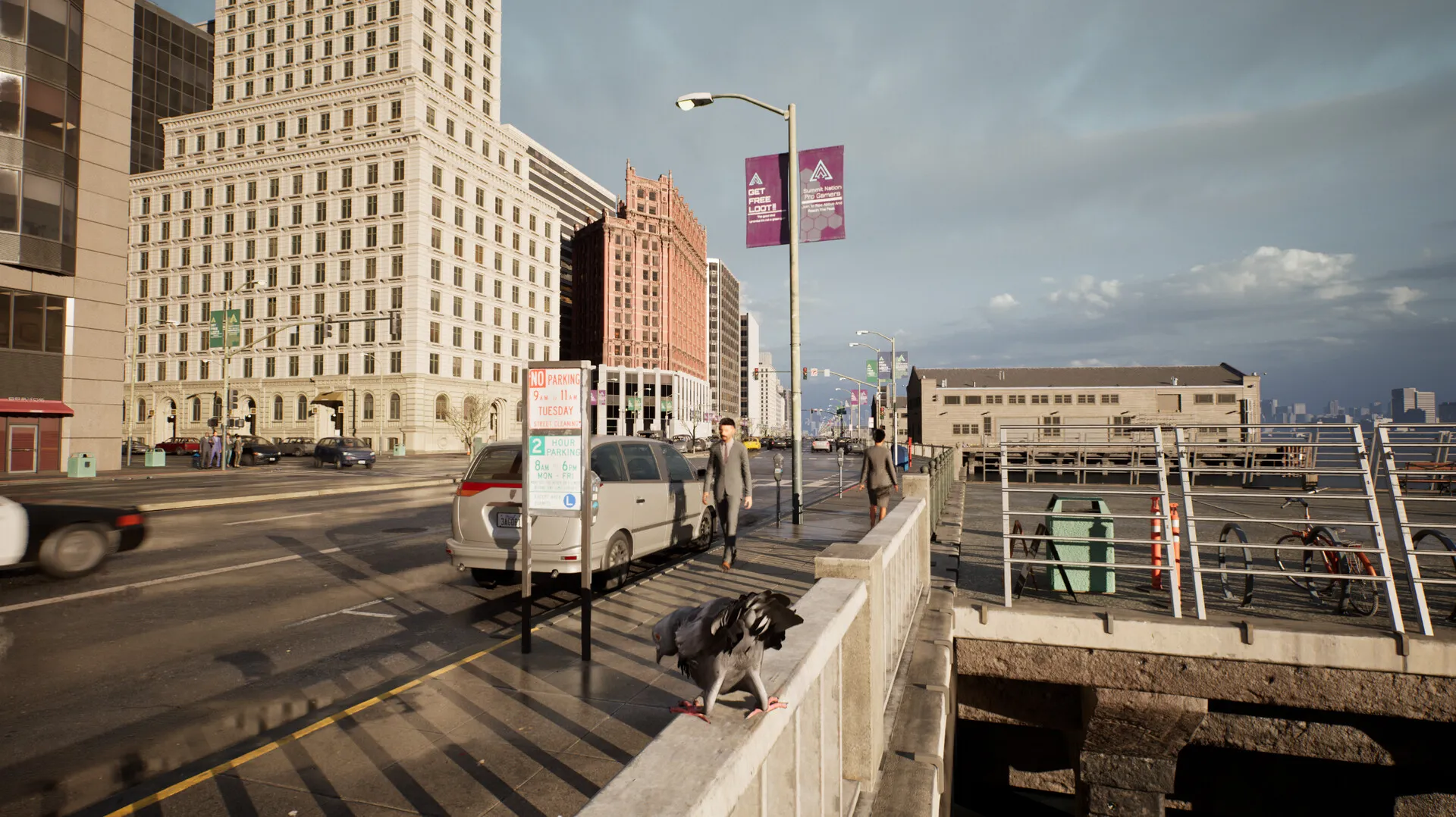
This setup hits hardest during extraction phases, when the chaos scale peaks and the city becomes a noisy obstacle course of threats, physics accidents, and desperate escapes. Proximity voice chat sells the panic. Friends sound closer or farther depending on where they are in the sky, which makes the scramble feel physical in a way solo runs cannot match.
The “friendslop” philosophy spells out the intent: the fun comes from player interactions, not from a deep, pre-written story. Solo play can settle into a repetitive list of tasks once you understand the loop. With a squad, those same tasks become a stage for shared jokes and unpredictable physical comedy, and the game’s best moments arrive when everyone leans into the absurd premise and turns a bird simulation into a messy theater of cooperative mistakes.
The Review
Pigeon Simulator
Pigeon Simulator offers a chaotic sandbox where the absurdity of being a secret agent bird provides genuine, if fleeting, entertainment. The game excels when players embrace the cooperative mayhem of "friendslop" with a full squad. However, solo players will likely find the mission variety thin and the flight controls occasionally frustrating. Technical disparities between PC and console versions also mar the experience for Xbox users. It remains a humorous physics experiment that rewards those who enjoy making their own fun within a bizarre, reality-warping city.
PROS
- Hilarious physics-based interactions and NPC reactions.
- Engaging cooperative play for up to four people.
- Deep upgrade system that rewards long-term runs.
- Creative blend of secret agent tropes and cosmic horror.
CONS
- Solo gameplay becomes repetitive quickly.
- Flight controls feel sluggish and stiff.
- Significant lack of accessibility options on console.
- Technical issues like camera stuttering near buildings.