


























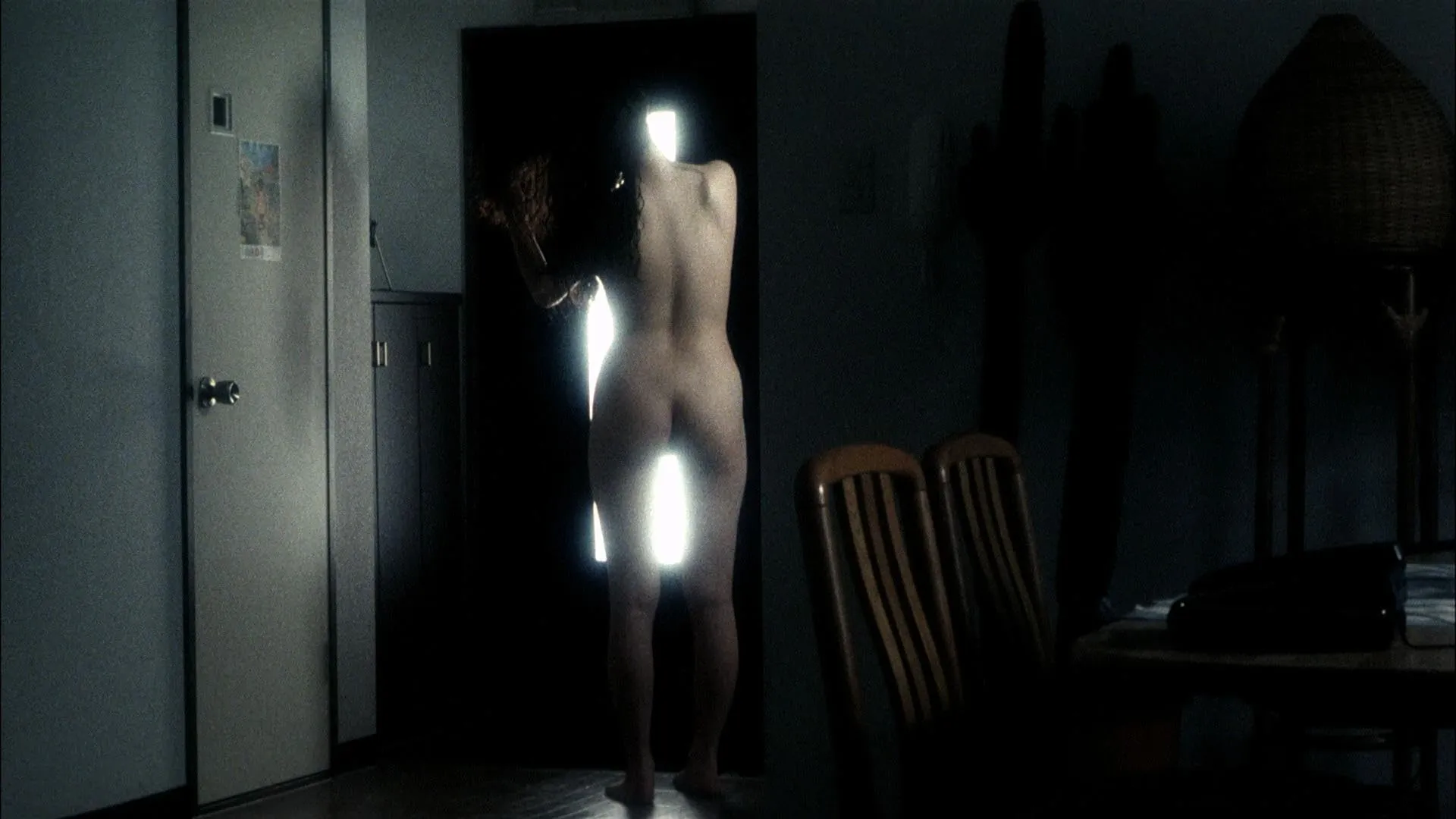

Banmei Takahashi brought a striking piece of Japanese cinema to the screen in 1994 with A New Love in Tokyo. The film follows the day-to-day rhythms of two women living at the edges of the city’s accepted norms. Rei spends her mornings and afternoons chasing an acting career.
After dark, she works at a specialized S&M club as a professional dominatrix, and that job pays for the life she wants on stage. Ayumi is younger and works as a call girl in the busy Shibuya district, quietly putting money aside because she pictures herself settling into marriage.
A chance meeting puts them in the same orbit, and the connection clicks fast and feels sincere. Takahashi treats their workplaces like workplaces, with no insistence that every scene must carry scandal or tragedy. The film lays out the practical mechanics of their labor as part of their routine, sketching a 1990s city where S&M clubs and escort agencies function as pieces of the urban economy.
Private Passions and Professional Personas
Rei keeps two lives running in parallel, and the film stays close to how much effort that takes. She commits to a local amateur theatre troupe and frames her night work as an extension of performance, a job that sharpens the same muscles she uses on stage.
Away from clients and rehearsal rooms, she shows a gentler set of habits: she tends a sunflower garden and looks after birds. That private space matters because it gives the viewer a clear read on her sense of freedom. She dates casually within her acting circle and draws firm lines around what she will accept. When a partner tries to control her or starts pushing for seriousness, she cuts things off.
Ayumi moves through the city with a different long-term plan. She wants a conventional future as the wife of a student preparing for medical exams, and she protects that dream by building a cover story. She tells him her money comes from gifts from her father, creating the image of a wealthy background that will not raise questions.
The film also gives her a sharp intelligence that separates her from the people around her. She completes complicated jigsaw puzzles and crossword puzzles in a single day while boyfriends struggle with the same challenges for weeks. That detail lands like a quiet character beat: she’s faster, more attentive, and more capable than the life she is pretending to live.
Their friendship grows through shared nights in Shinjuku and Shibuya, and the film treats that bond as emotional infrastructure. Their jobs are transactional by design, so the scenes of karaoke and late-night time together read as relief, a pocket of community where neither woman has to perform for clients or family. The masks still exist, but they slip more easily around each other, and the film uses that ease to show what these two get from the relationship: steadier footing, less isolation, and a place to be seen without negotiation.
The Banal Reality of the Underworld
Takahashi shoots with a neutral gaze that observes without moral commentary, and that decision shapes the entire experience. The film frames their work as a high-paying route to independence, not a trap set by desperation. With forced drama stripped away, the tone settles into something relaxed, almost like a hangout movie.
 A New Love in Tokyo Review
The pacing matches that mood, drifting through connected anecdotes and small moments in a way that recalls the low-stakes flow of modern life-simulation games. You are not being pushed toward a single explosive turning point. You are watching how a routine holds together, where it strains, and where it unexpectedly becomes comfortable.
That slice-of-life structure makes room for humor that shows up where you least expect it. There’s a scene of Rei studying her theatre lines with real focus while a client sits gagged and bound in the next room. The timing is played straight, which makes it funnier, and it also tells you something about how normalized the work has become inside her personal schedule. The film also finds comedy in the theatre group’s frantic response to a health concern among its members, another moment where the “danger” comes from everyday panic rather than underworld melodrama.
By leaning into these lighter beats and workplace details, the film avoids turning the setting into a cartoonish pit of darkness. You see the administrative texture of the industry: safety codes, office dynamics, and the plain logistics that keep everything running. That grounded attention to procedure undercuts familiar genre expectations and shifts the emotional weight to something quieter.
The impact comes from how little the film tries to manipulate you. Rei and Ayumi find agency inside repetition. Their jobs fund what they care about, and the film keeps returning to that link between labor and personal desire. The ordinariness becomes the point, and it’s what makes their lives feel lived-in and credible.
Aesthetic Texture and Visual Freedom
The film’s visual identity gets a major jolt from the periodic use of black-and-white photography by Nobuyoshi Araki. These still images arrive like punctuation marks, adding an extra layer of artistic texture to the portrait of the two leads. Around those inserts, the cinematography stays committed to realism. The camera holds a documentary-like steadiness, avoiding dramatic zooms and steering clear of intrusive musical cues. That restraint lets the environments do the talking.
The settings are varied and clearly defined: the flicker of Shibuya neon, the dark leather interiors of the dungeon, the bright natural feel of Rei’s sunflower garden, the open calm of a beach. The film moves between those spaces with a rhythm that alternates quiet observation and sudden bursts of energy. One standout sequence has Rei and Ayumi running through empty city streets in the early morning, and the scene hits with a rush of freedom and vitality. It’s a pure movement beat, the kind that communicates emotion through pace and motion rather than dialogue.
That range of environments builds a fuller picture of their lives and keeps the film from shrinking them down to a single identity. The structure balances gritty professional rooms with personal pockets of calm, reinforcing the theme of autonomy. It also echoes a familiar loop from character-driven games: you push out into demanding spaces, then return to a place that restores you, and the meaning comes from that back-and-forth rather than from a single grand gesture.
A New Love in Tokyo first premiered in Japanese theaters in December 1994. It remains a significant work within the pink film category for its honest depiction of urban life. As of 2026, the film is accessible through the Metrograph streaming service and digital platforms that host restorations from Kani Releasing. It offers a distinct window into the social dynamics of the Shibuya district during the mid nineties.
Full Credits
Title: A New Love in Tokyo (Ai no shinsekai)
Distributor: Argo Pictures, Kani Releasing
Release date: December 17, 1994
Rating: NC-17
Running time: 109 minutes
Director: Banmei Takahashi
Writers: Banmei Takahashi, Toshiyuki Takaoka
Producers and Executive Producers: Kunihiko Hirata, Yoshinori Sato, Banmei Takahashi
Cast: Sawa Suzuki, Reiko Kataoka, Tomorowo Taguchi, Yoshizumi Ishihara, Tetsu Watanabe, Akira Emoto, Kotomi Aoki, Mutsuo Yoshioka
Director of Photography (Cinematographer): Yoshihiro Yamazaki
Editors: Kikuo Nakagawa
Composer: Takashi Mizutani
The Review
A New Love in Tokyo
A New Love in Tokyo offers a refreshing departure from typical genre tropes. It captures the intersection of labor and identity with surprising grace. By treating sex work as a standard career path, Banmei Takahashi creates a grounded portrait of independence. The bond between Rei and Ayumi feels authentic. The artistic contribution from Araki adds a specific texture that lifts the film above standard pink cinema. It remains a vital piece of nineties independent filmmaking.
PROS
- Nuanced portrayal of sex work as a professional choice.
- Strong focus on female friendship and autonomy.
- Evocative visual style using black and white photography.
- Humorous and grounded approach to mundane details.
CONS
- Loose narrative structure lacks traditional tension.
- Extended play sequences might feel slow for some viewers.