

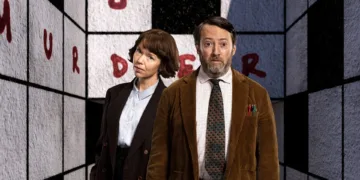

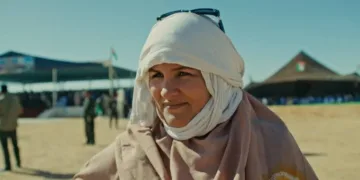


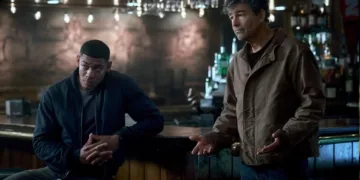

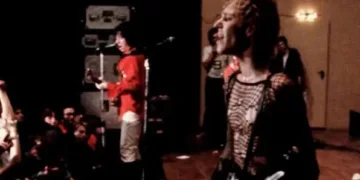




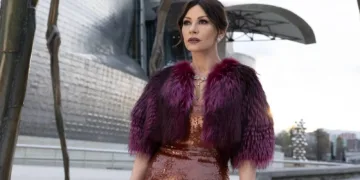
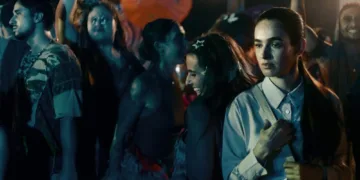
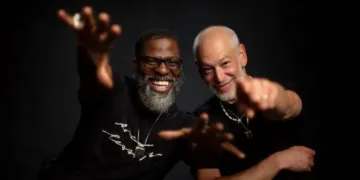









Neighbors is a six-part HBO documentary series that tracks volatile disputes between property owners across the United States. Directors Harrison Fishman and Dylan Redford steer the project. Josh Safdie and the production house A24 serve as creative backers. The series covers a wide stretch of terrain, moving from Montana ranchland to Manhattan apartment blocks, then shifting to Indiana suburbs and the bright coastline of Florida.
The show studies an American belief that land ownership carries the weight of a sacred right, then follows the collisions that erupt when two determined personalities meet at the same property line. Its visual language mixes polished cinematography with user-shot material, leaning heavily on cell phone clips and home surveillance footage as the main storytelling source.
The result is a raw record of modern conflict, built around people who treat their home as the final site of personal sovereignty. Each feud spotlights a particular strain of entitlement that feels inseparable from the place where it grows.
The Anatomy of Petty Warfare
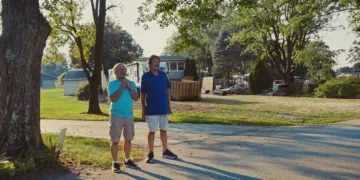
The people featured across the series form a parade of eccentric figures caught in disputes that tip into the absurd. In Montana, a landowner named Seth says he relocated to the wilderness to escape a perceived plague. He ends up in a bitter standoff with his neighbor Josh, who operates online under the name The Bearded Bard and claims an audience of 2.1 million TikTok followers. Their fight hinges on a locked gate Josh installed on a private road, and Josh leverages his reach to shame Seth in public view.
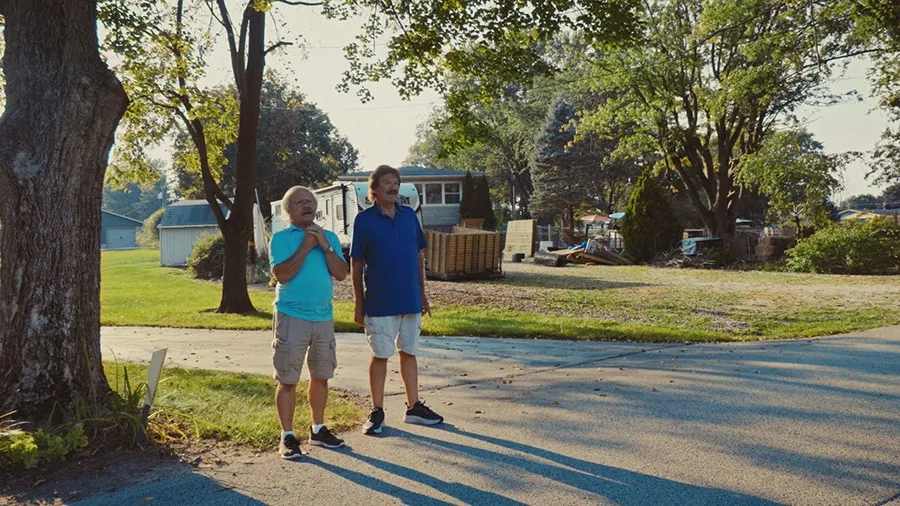
Indiana brings the series into a suburban environment where the conflict runs through property value and presentation. A man named Trevor runs an unauthorized farm in his grandmother’s yard, raising goats, turkeys, and pigs in a makeshift setup.
Nearby, Bruce and Darrell live among faux marble statues and gold-plated furniture. They argue that Trevor’s operation has taken $100,000 from their property value, turning the quarrel into a battle between two competing ideas of what a neighborhood should look like and what it should tolerate.
Florida offers a different kind of disorder in Santa Rosa Beach, where residents clash over the line between public and private sand. An activist who calls himself the Shoreline Defender appears for interviews in a rubber mask, keeping his identity hidden while pushing his arguments into the open.
Other episodes widen the roster of conflicts: a former stripper locked in a lawn dispute, a Texas woman constructing a massive wall paid for by proceeds from her books on New Age philosophy, and a New Jersey man in a MAGA hat trading barbs with a neighbor over Halloween decorations.
The Digital Panopticon of Modern Hate
Technology sits at the center of these feuds as both evidence machine and provocation tool. Neighbors turn Ring cameras and iPhones into instruments of strategy, filming each exchange with the aim of catching a rival in a misstep. Those captured moments then move online, where strangers become judge and jury. Many participants chase validation through the possibility of viral attention, treating public visibility as a form of leverage.
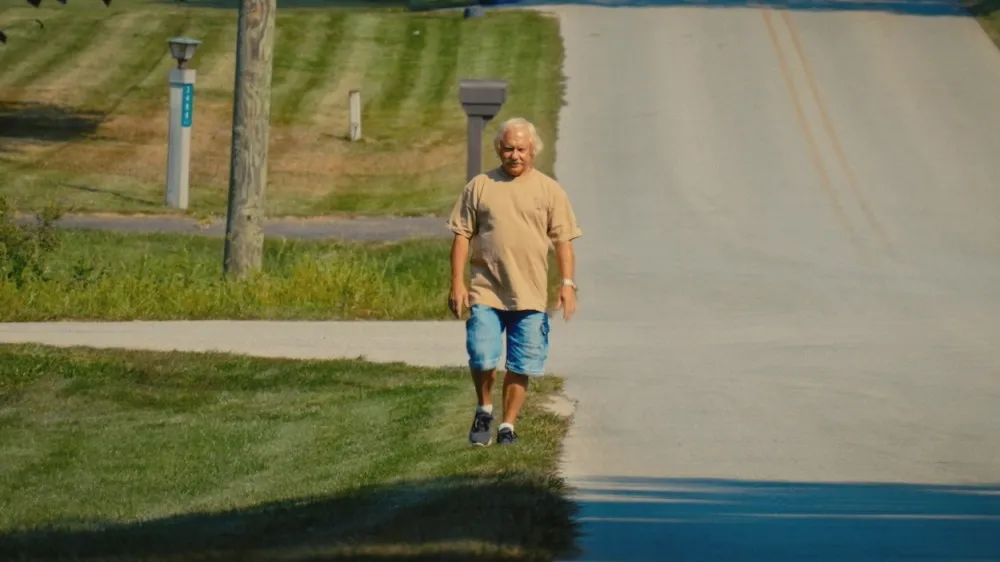
The series shows how that chase can harden into a routine. One man turns neighborly spite into a revenue stream, bringing in $26,000 from YouTube videos built around the conflict. Another participant prays, openly and directly, for a clip to blow up online in a way that shapes legal proceedings. The show also ties this behavior to the COVID-19 period, framing it as a time that sped up anti-communal instincts and left a vacuum where public life once offered friction, contact, and repair.
The vocabulary these neighbors use reflects a fractured nation: some label themselves First Amendment auditors, while others cite stand your ground laws. In the series, these legal phrases function as armor for personal grudges, and the digital arena feeds back into the physical one until private property starts to operate like a stage designed for an audience.
Sensory Distortions and the Final Shift
Fishman and Redford shape the series with stylistic choices that echo the mental temperature of the people on screen. Warped filters and 360-degree swiveling shots bend the image into a funhouse mirror, and auditory glitches sharpen the feeling of disorientation. Most half-hour episodes pair two stories in a rapid, high-energy rhythm, jumping between confrontations and revelations to keep the viewer off balance in the same way the participants seem to be.
The finale breaks that format by spending the full episode with a man named Danny in San Diego. Danny passes his days exercising in his driveway while wearing a tiny yellow garment, a routine that agitates neighbors and a nearby church. The episode follows him as he travels to a nudist community in Florida in search of people who share his values.
This choice changes the series’ tone, stepping away from the earlier posture of mockery and tracking what happens when someone marked as abnormal finds a space where his behavior reads as ordinary. The final chapter lands with a sharper sense of focus, granting Danny a sustained look at the desire for community that the earlier stories treat as impossible.
Neighbors is a six-part HBO docuseries produced in collaboration with A24 and the Safdie brothers’ Central Pictures. The series premiered on February 13, 2026, and is available to stream on Max in the United States, as well as on JioHotstar for international audiences. It explores the increasingly volatile nature of residential disputes across America, using a blend of professional cinematography and raw footage captured by the subjects themselves. By focusing on everything from property line disagreements in Montana to beach access wars in Florida, the show offers a sobering yet darkly comedic look at modern alienation and the legalistic tribalism of contemporary society.
Where to Watch Neighbors 2026 Online


Full Credits
Title: Neighbors
Distributor: HBO, Max, JioHotstar
Release date: February 13, 2026
Rating: TV-MA
Running time: 32 minutes
Director: Harrison Fishman, Dylan Redford
Writers: Harrison Fishman, Dylan Redford
Producers and Executive Producers: Rachel Walden, Natalie Teter, Harrison Fishman, Dylan Redford, Jonathan Hausfater, Chris Bowyer, Josh Safdie, Ronald Bronstein, Eli Bush, John Paul Lopez-Ali, Samuel Fishman, Brendan McHugh
Cast: Seth, Josh, Trevor Yeakley, Bruce Blasius, Darrell, Shoreline Defender, Danny
Director of Photography (Cinematographer): Harrison Fishman, Samuel Fishman
Editors: Harrison Fishman, Dylan Redford
The Review
Neighbors
Neighbors is a sharp, often unsettling look at the fraying social fabric. It exposes the friction between personal entitlement and communal living through a lens of modern surveillance. The visual choices are bold, yet they occasionally feel excessive. The series captures the absurdity of domestic feuds, but it sometimes prioritizes shock over deep empathy. It stands as a stark portrait of a nation struggling to share space.
PROS
- The show provides an unfiltered look at real American property disputes.
- It makes clever use of user-generated surveillance and cell phone footage.
- The project benefits from the distinct aesthetic associated with A24 and the Safdie production team.
- The final episode offers a refreshing and deeper perspective on belonging.
CONS
- The high-energy editing and visual distortions can feel chaotic and exhausting.
- Some segments prioritize mocking the subjects over providing meaningful insight.
- Many storylines stop abruptly without offering a sense of closure or mediation.
- Visual filters sometimes draw attention away from the actual human stories.