
























![Kingdom Hearts Collection [I-III] Review](https://gazettely.com/wp-content/uploads/2026/10/Kingdom-Hearts-Collection-I-III-1-360x180.webp "Kingdom Hearts Collection [I-III] Review: KHII Holds Steady as Newer Entries Fluctuate 37")



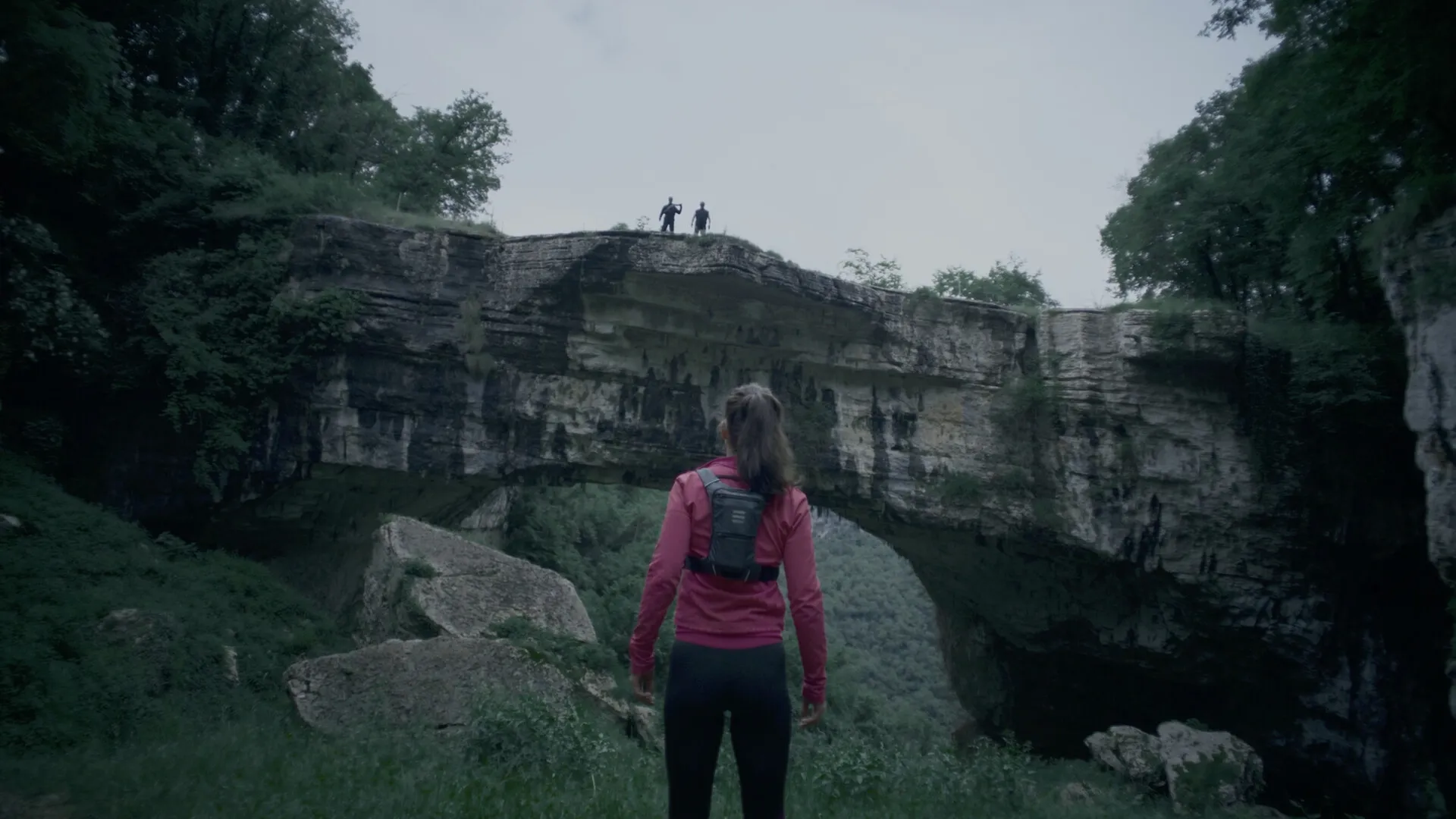

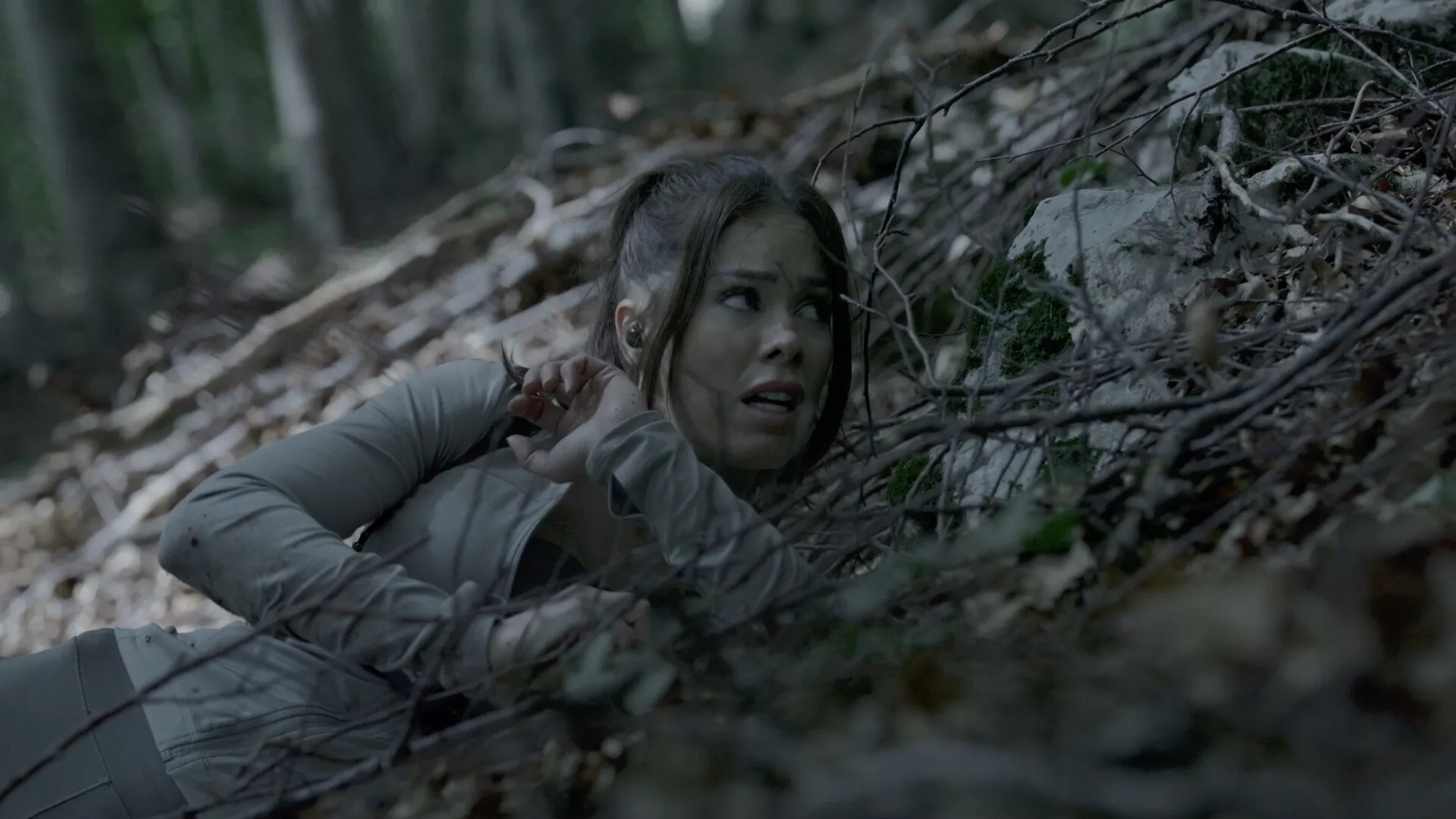
The Run drops you into Zanna’s sneakers, casting you as a high-profile fitness influencer whose morning vlog in the Italian mountains turns into a fight to stay alive. The live-action format demands fast calls as masked men chase her across harsh terrain.
Zanna soon runs into Matteo, a local farmer who can read as a lifeline or another problem. The project plays like an interactive thriller, with each decision steering her through a brisk chain of scenes. Real-world footage keeps the tension grounded, using the Lake Garda setting to stage a violent hunt against postcard beauty.
Digital Persona and Rustic Shadows
Zanna Hendricks arrives in Northern Italy carrying five million followers and a traumatic past she keeps out of frame. Her world-famous fitness-vlogger persona brings a present-day gaze to older, rougher landscapes, and the story leans on that friction from the start. Roxanne McKee plays Zanna with a slide from influencer polish to survival focus, with an American accent that sometimes slips.
Matteo enters as another jolt: George Blagden plays him as a former soldier turning up after a night of heavy drinking, and the first exchanges between them come loaded with suspicion. Their push-and-pull fits a B-movie horror mood, including dialogue that can land with deliberate clumsiness, as if the awkwardness itself is part of the unease.
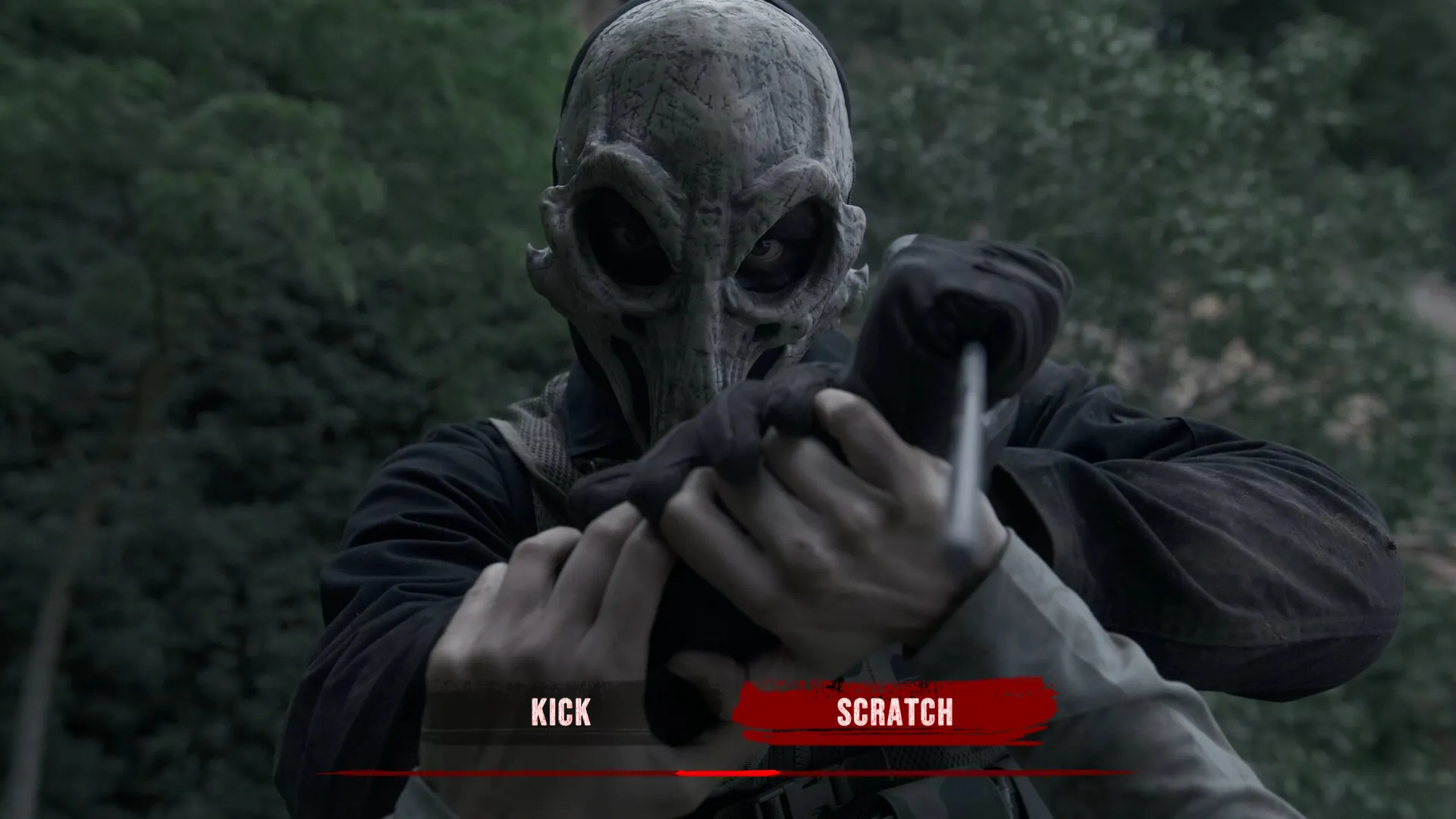
The hunters register as a silent, disciplined unit in skeleton masks, moving with an almost supernatural ability to follow Zanna through the wilderness. That pressure hits differently because Zanna’s life has been built on visibility, on curating herself for an audience, on treating exposure as power.
Here, exposure becomes risk, and the people tracking her thrive on concealment. Matteo stays hard to read across the chase, with motivations that shift with the player’s route. The acting keeps pulling attention back to a modern celebrity without her online armor, forced to bet on instinct and split-second judgment.
The Geography of Choice
The interactive design runs on a binary choice system that shapes Zanna’s survival and her moral footing. Decisions come constantly, sometimes in small moments with locals, sometimes in sudden moves that decide who gets away. Early on, the experience commits to a major fork: the player chooses the Northern trail or the Southern trail. That single selection reroutes the run into different sequences, with changes to scenes, character encounters, and escape beats.
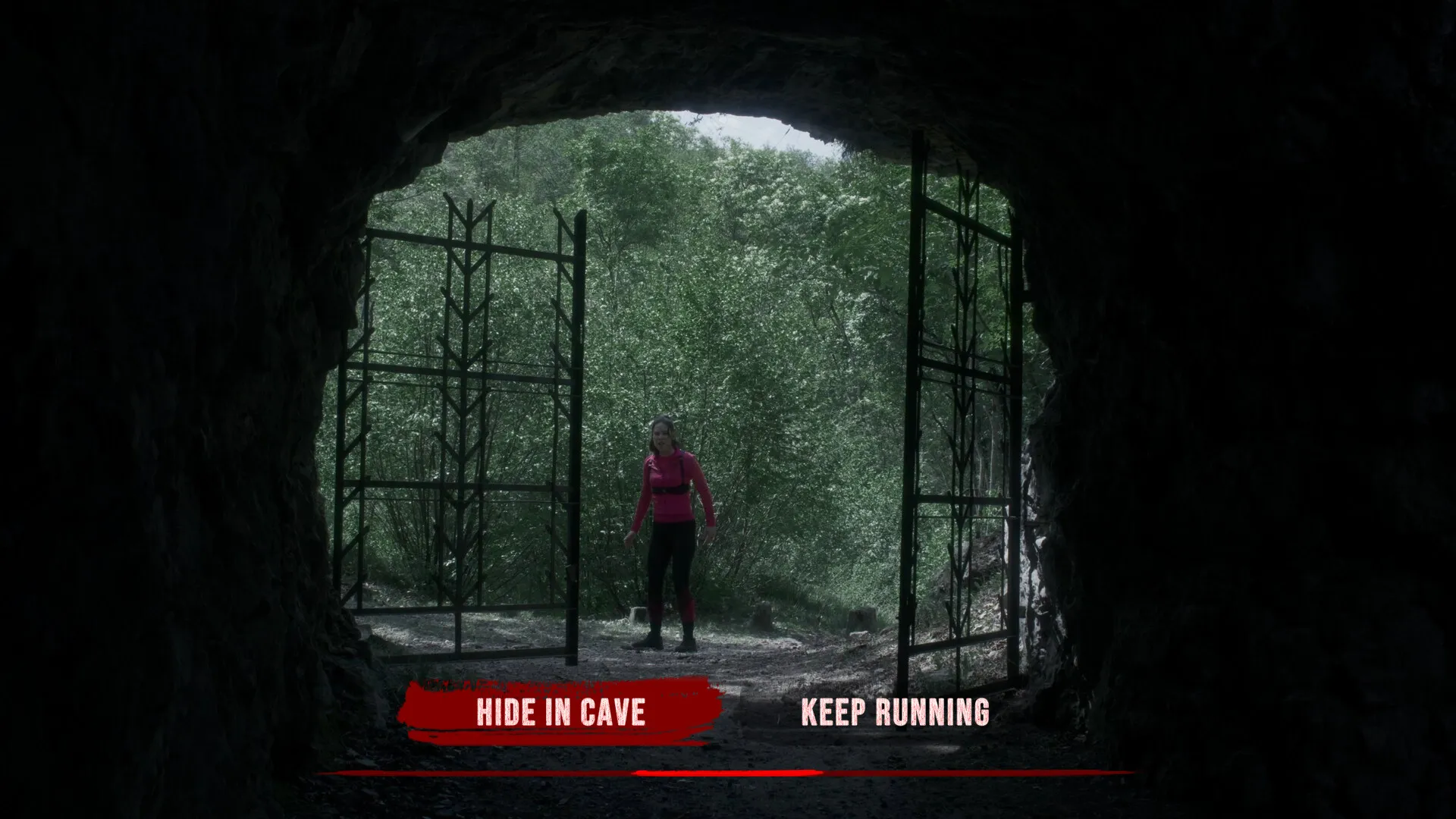
Death sits close to the surface throughout, with twenty distinct, frequently gruesome outcomes. The violence leans into genre creativity, and the structure stays forgiving through checkpoints that return you to the last decision so you can test another branch. A visual map records choices, flags paths left unseen, and nudges you toward a fuller sweep of the story’s two hundred scenes.
The final stretch lands on one of five endings tied to Zanna’s emotional intelligence. How she treats Matteo and the strangers she meets shapes the closing result, turning personality into a mechanic. Pressure does not just test reflexes here; it tests how you choose to present Zanna when no camera can protect her.
Cinematic Heritage and Environmental Isolation
The production treats the Northern Italian countryside with high visual ambition, turning the mountains near Lake Garda into a source of isolation that keeps pressing inward. Wide green spaces give the chase scale, making Zanna look smaller as the danger grows.
Editing keeps the pace sharp, stitching together cinematic footage and choice points with smooth transitions that rarely break the flow. Those craft decisions place the project in conversation with European thriller traditions, where landscape can carry threat through distance, silence, and the sense that escape has nowhere clean to go.
Franco Nero and Dario Argento appear as Italian horror icons, and their cameos tie the project to local genre history. Their presence reinforces the B-movie styling and nods toward Giallo lineage that helped shape modern slasher grammar.
The lead performers are British, playing Americans abroad, and that framing leans into an outsider dynamic, with Zanna reading the region through a visitor’s assumptions and anxieties. Accent slips during high-stress moments add a strange, faintly surreal edge that matches the heightened tone of interactive horror.
The Mechanics of Moral Persistence
Replay sits at the heart of the experience, helped by a short runtime of sixty to ninety minutes per playthrough. The length makes restarts feel practical, encouraging quick returns to the beginning to chase different answers and hidden information.
A skip option for already viewed footage supports that loop, letting players move back into new material without replaying every familiar beat. The story keeps rewarding repeat runs with fragments about the masked killers’ origins and Matteo’s history, details that only surface through multiple passes.
Many of the hardest decisions turn on the gap between Zanna’s public self and her private will to survive. Players choose between stopping to help others and keeping Zanna moving at speed, weighing reputation against the immediate danger chasing her down the trail.
The dilemmas keep the run in moral gray territory, since the chase keeps punishing hesitation even as the narrative keeps asking what kind of person Zanna becomes under threat. The experience finds its satisfaction in the act of assembling motives, piecing together the “why” behind the violence as you move across routes and outcomes, until play starts to feel like investigation and character study in the same breath.
The Review
The Run
The Run succeeds as a focused exercise in tension, effectively marrying the high-speed anxiety of a chase with the expansive beauty of the Italian landscape. It manages to balance its B-movie sensibilities with a sophisticated branching structure that rewards curiosity. While the dialogue and accents occasionally falter, the mechanical depth of the trail system and the weight of the moral choices provide a satisfying interactive experience. It is a polished, stylish thriller that understands its generic roots while offering a modern commentary on digital visibility and survival.
PROS
- Stunning Italian cinematography
- Seamless cinematic transitions
- Complex branching narrative paths
- High replay value via the story map
CONS
- Inconsistent American accents
- Occasional B-movie dialogue cliches
- Short initial playtime







