
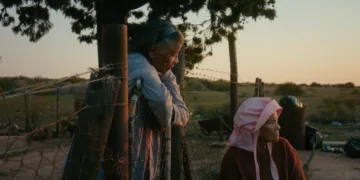







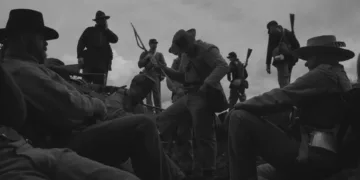



















Gabriel is a loyal soldier in service to the Sun God, sent on a grim assignment. He reaches the island of Tormentosa with orders to break the grip of a sinister Sea Cult. The world draws heavily from Spanish history and religious folklore, shaping a skyline of stone icons and collapsing architecture.
The visuals lean into a dark early 20th-century mood, where each street corner carries the weight of fanaticism and rot. Gabriel starts as an ordinary man and then changes rapidly after a fatal encounter. A divine resurrection pulls him back and leaves him with a supernatural gift that ties his physical life force directly to his weapons.
Tormentosa presses in from all sides, and isolation follows him through this fictionalized Spain. Living statues and warped religious symbols track his presence at every step. From the moment he lands on the shore, the setting locks in a haunting tone that fits the mission’s spiritual stakes and Gabriel’s altered body.
The Lethal Cost of the Crimson Link
The game’s central system reframes ammunition as a personal sacrifice. Guns do not fire lead bullets. They burn through Gabriel’s blood. Each reload drains a portion of the health bar, turning every top-up into a decision with immediate consequences.
Survival and offense draw from the same pool, so a full magazine can mean less tolerance for the next hit. Healing comes from syringes found across the island or by drawing blood from the corpses of humans and animals. That loop shapes the pacing into something measured and tense, since aggression carries a visible, numeric price.
The pistol fills the dependable role, offering a steady balance between power and a health cost that stays manageable. The shotgun and rifle hit harder and ask for a larger payment in blood, which can leave Gabriel exposed right after committing to a reload.
A sturdy knife supports close-range play and includes a parry system that rewards tight timing. Silver coins feed into upgrades at specific locations, and those improvements matter because the early firearms feel unstable and inaccurate. The result is a combat economy built around restraint: the player keeps weighing the need to shoot against the shrinking margin of Gabriel’s life force.
Shattering the Astiados
Tormentosa’s main enemies are the Astiados, living statues that push combat toward targeted problem-solving. A detailed dismemberment system lets players aim at limbs and heads with clear tactical outcomes. Removing a weapon arm takes away a threat. Blasting the legs slows an advance. The danger persists even after a break, since severed legs can still lash out while Gabriel moves through an area.

Enemy variety adds pressure to the blood-based ammo system. Cherubs, archers, and invisible skeletal threats each call for different handling, since wasted shots carry a direct health cost. Dolores stands out as the biggest obstacle: a massive, invincible robotic statue that stalks Gabriel through certain stretches.
Those sequences tilt the experience toward stealth, built around hiding and waiting for her to move past. The pacing shifts between brutal firefights and these quieter stretches of tension, keeping combat visceral and risky. Every bullet spent on stone is health surrendered, so each encounter becomes a question of value: what the threat demands, and what Gabriel can afford to pay.
Moving Through the Religious Ruins
Progress across the island follows a linear route, with crates and debris sealing off alternate paths. The environments show dense detail, even though much of the world remains non-interactive. Puzzles function as a major pillar of forward momentum, ranging from environmental gear tasks to timed gates, and they are required for progress. Some logic puzzles push harder and can stall the flow until the solution clicks.

A merchant appears at intervals, trading silver for perks and weapon enhancements that reinforce the upgrade loop tied to coin collection. Story and guidance arrive through a radio system, and these moments slow Gabriel dramatically because he cannot interact with items while dialogue plays. Technical performance can waver, with frame rate dips during explosions or large enemy clashes. The English voice acting comes across as stiff, and that stiffness can clash with the serious gothic tone established by the art direction.
Saving relies on crystal balls or shop locations, and the game does not always communicate progress clearly through that structure. Safety depends on finding those specific points and using them before pushing deeper into danger. That design leans into the survival pressure of Tormentosa and supports the theme already present in the story: a lone soldier, surrounded by stone, fanaticism, and a world that asks him to spend his own life to keep moving.
The Review
Crisol: Theater of Idols
Crisol: Theater of Idols is a striking debut that thrives on its central tension. The blood-for-ammo mechanic creates a high-stakes tactical rhythm that elevates every encounter. While the narrative lacks a certain cohesion and technical jank occasionally disrupts the flow, the oppressive Spanish gothic atmosphere is undeniably effective. It is a focused, albeit unpolished, survival horror experience that succeeds by making every choice feel like a literal sacrifice.
PROS
- Innovative blood-ammo resource management.
- Strong, unique Spanish gothic atmosphere.
- Tactical dismemberment system.
- Competitive pricing for the content provided.
CONS
- Stilted English voice acting.
- Frustratingly slow radio segments.
- Occasional performance dips and frame rate hitches.
- Linear level design can feel bloated.