































The combat in All’s Justice is built around 3v3 tag-team matches, backed by a roster of 68 fighters. Each character plays differently, with their style shaped by their Quirk. The core rules run on a tactical triangle that keeps offense and defense in motion. Unblockable attacks (R1 and Square) beat guards. Counterattacks (R1 and Triangle) break standard combos. Standard strikes beat unblockables.
That loop turns every exchange into a read-heavy contest, since each decision invites a clear response. New players can lean on Normal Mode for automated support. Manual Mode hands veterans full control of timing and precise inputs.
Two gauges steer momentum from round to round. The Plus Ultra meter activates cinematic ultimate moves, while the Rising gauge grants a short burst of speed and damage. Partner calls sit on L2 and R2, letting players bring in assists and rotate characters to keep pressure alive.
The design favors players who study team chemistry and build plans around synergies. The tempo and spectacle echo refined arena fighters like the Ultimate Ninja Storm series, with an emphasis on quick recognition and adaptation. A missed counter lands with immediate consequences. A clean swap at the right moment can flip a losing position into sustained offense.
The Final Conflict and Narrative Methods
Story mode covers the Final War arc from the seventh and eighth seasons of the anime, aiming for the scale of a closing chapter. It frames the clash between Deku and Shigaraki with mixed results. Big set pieces lean on high-quality CGI models, and those sequences carry real impact while matching the weight of a finale.
Many dialogue scenes shift to static screenshots pulled from the show, which can narrow the sense of movement after the freedom of combat. Archives Mode helps fill in gaps for players who missed earlier entries by replaying key beats from prior seasons. One example is the high-stakes confrontation with Stain.
Late-game boss fights introduce sharp difficulty spikes. These battles feature enemies with huge health bars and aggressive AI patterns, pushing players to fully understand their team choices and how their kits fit together. The narrative plays like a celebration for long-term followers, with attention placed on the emotional force of the source material rather than new story threads. That approach keeps the adaptation aligned with established lore. Combat integration helps preserve tension inside story beats, so the player experience reflects the pressure the characters face in these historic clashes.
Urban Exploration and Heroic Tasks
Musutafu city appears as a recreated hub where players control Deku and branch out into different activities. Movement changes with the active hero. Deku uses Blackwhip to swing between skyscrapers, while Uraraka uses gravity control to drift across gaps. Those traversal options make the hub feel like a space built for superhuman mobility. Team Up Missions deliver objective-focused scenarios inside a VR simulation, where players recruit allies to solve problems or clear out enemy groups.

Hero’s Diary shifts to smaller, character-focused moments with Class 1-A through short scenarios and obstacle courses. Objectives bounce between straightforward combat, item hunts, and races across city checkpoints. Completing missions pays out currency and cosmetic rewards.
The loop matches the shape of side-quest structures seen in mid-sized action RPGs, giving breathing room between 3v3 fights. The hub encourages experimentation with movement tools and routes, anchoring the story’s high stakes in a familiar urban frame. Team selection can also change how smoothly players handle certain city obstacles, since traversal strengths vary across the roster.
Technical Execution and Aesthetic Identity
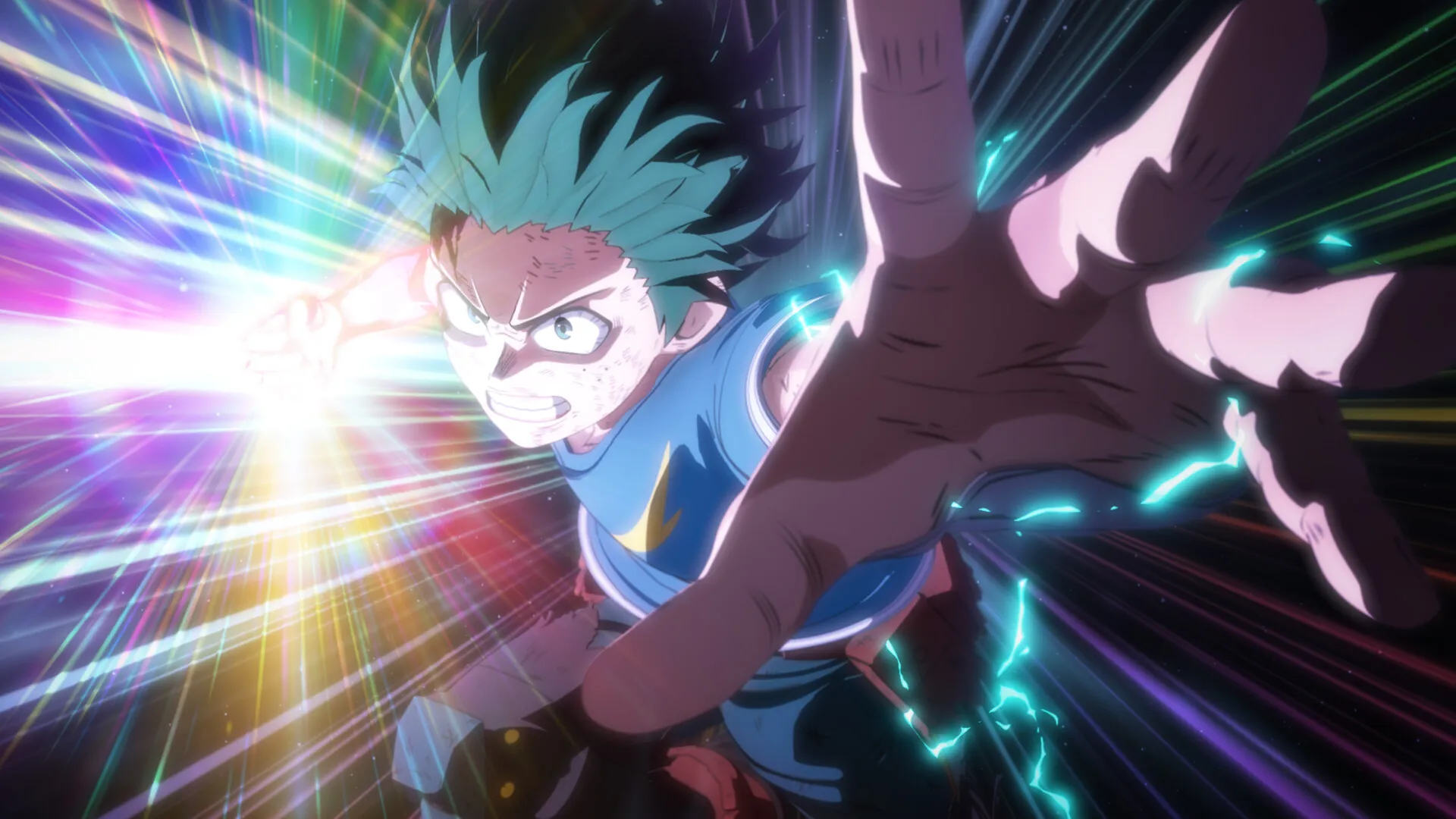
All’s Justice leans into a cel-shaded look, with sharp character models that align closely with the anime aesthetic. Arenas show clear destruction as Quirks tear through the environment, and that damage helps each hit feel heavier.
Voice options include English and Japanese tracks, and the Japanese performances often sit comfortably alongside subtitles. Customization runs through the Customize menu, where rewards can be spent on palette swaps and accessory variations to tailor the roster’s presentation.
Some issues remain visible on modern hardware. Frame rate drops can pop up during chaotic moments with intense environmental destruction, and rare freezes can break the flow. These rough spots stand out even if they do not dominate the experience.
Visually, the game reads as a major step forward for the series, using current systems to support a cleaner, more responsive fighting feel. Sound design reinforces impact through punchy hits and heroic themes, matching the energy expected from a franchise finale.
The Review
My Hero Academia: All's Justice
All’s Justice provides a mechanically sound finale for fans of the franchise. The massive roster and refined tag-team systems offer significant depth for those who enjoy technical 3D brawlers. While the hub exploration and static story segments feel somewhat limited by production constraints, the core combat remains fast and rewarding. It captures the energy of the source material through impressive visual effects and accurate character representation. This title stands as a competent tribute to the series that prioritizes satisfying fight mechanics above all else.
PROS
- Extensive roster of 68 unique fighters.
- Fast and responsive 3v3 tag combat.
- High-quality CGI cutscenes for major battles.
- Fun character-specific traversal mechanics in the hub.
CONS
- Inconsistent story presentation using static images.
- Occasional technical freezes and frame rate drops.
- Repetitive mission objectives in the VR simulation.
- Significant difficulty spikes during late-game boss fights.