


















![Kingdom Hearts Collection [I-III] Review](https://gazettely.com/wp-content/uploads/2026/10/Kingdom-Hearts-Collection-I-III-1-360x180.webp "Kingdom Hearts Collection [I-III] Review: KHII Holds Steady as Newer Entries Fluctuate 37")



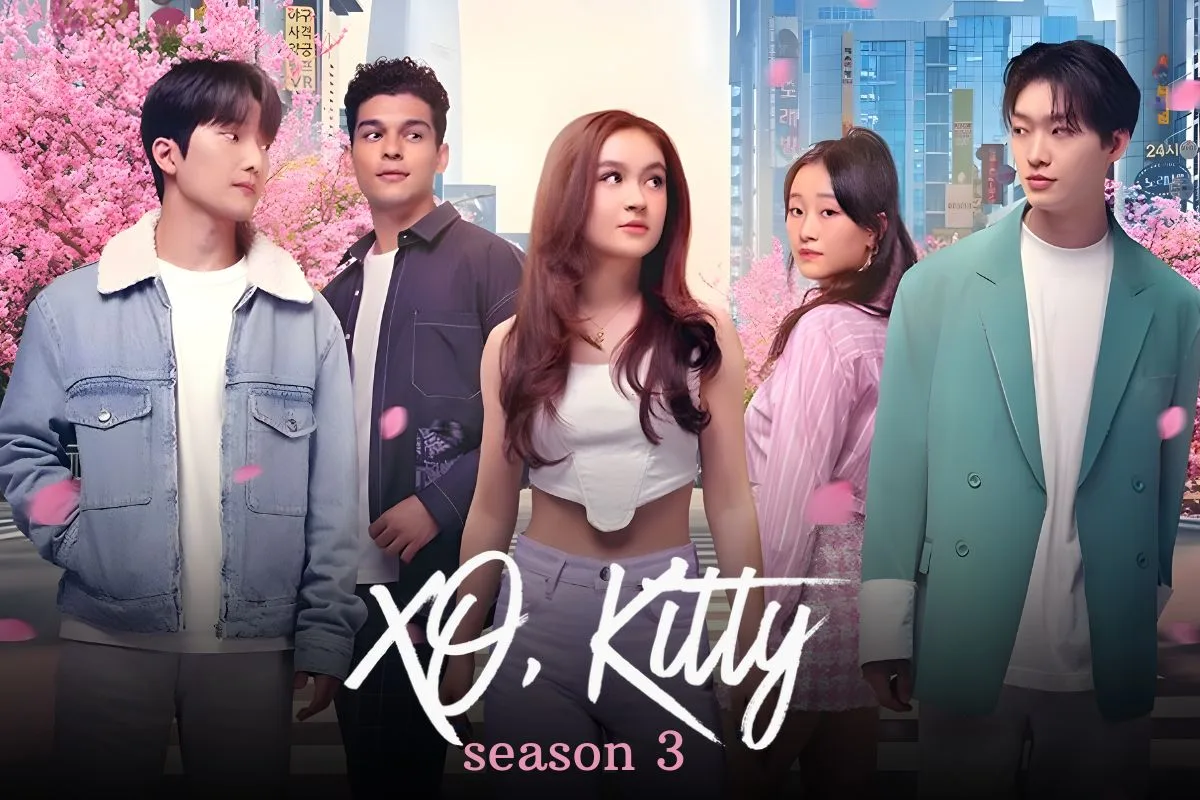

XO, Kitty arrived on Netflix as a spinoff of the beloved To All the Boys I’ve Loved Before trilogy, following Katherine “Kitty” Song Covey (Anna Cathcart), the youngest and most gleefully chaotic of the Song Covey sisters, as she traded Portland for a seat at the Korean International School of Seoul (KISS). Two seasons of romantic entanglements, heritage discoveries, and found-family warmth later, Season 3 lands as the presumed final chapter of both the spinoff and the wider franchise, releasing all eight episodes on April 2.
Kitty returns to KISS for senior year with a “Sunset List” of goals: real memories with her KISS crew, deeper ties to her Korean family, college decisions, and a defined relationship with Moon Min-ho (Sang Heon Lee). The season opens on the sun-drenched streets of Busan before resettling at KISS, with three new characters folded into an already generous ensemble. Most significantly, Lana Condor returns as Lara Jean, making Season 3 the most explicitly tethered to the original films. The question hanging over every episode is a familiar one: can this final chapter honor the franchise’s warmth and give Kitty the sendoff she deserves?
A Year Worth Savoring, Imperfectly Captured
The “Sunset List” is a smart structural device, lending Season 3 a built-in sense of purpose that the previous seasons lacked. Senior year has weight. It carries expectation. And for a moment, the show seems to understand that. The season opens in Busan with genuine visual freshness: Haeundae Market, Gamcheon Culture Village, and Gwangalli Beach offer a change of scenery the show has earned by this point. The setup of Kitty and Min-ho’s long-delayed romantic tension against this coastal backdrop is fun, culminating in a first kiss set to the spectacle of an accidentally triggered light-up dress, charming and absurd in the best possible way.
Back at KISS, the season adopts a time-skip structure, leaping weeks and months between episodes to land on significant events rather than tracking Kitty’s year with any real continuity. The idea has a certain logic to it, freeing the show from the mundane rhythms that might bog down an eight-episode run. The problem is execution. Viewers are repeatedly dropped into new situations mid-development, requiring hasty explanation before the drama can proceed. The season tells far more than it shows, and for a franchise built on emotional immediacy, that gap matters.
The Chuseok celebration episode stands as the season’s clearest high point, where ensemble energy and warm writing align in a way that reminds you exactly what this show does best. The finale, by contrast, resolves most threads cleanly but without the emotional gravity a closing chapter demands. It feels tidy rather than earned.
The villain question compounds the problem. Past seasons offered a clearly defined antagonist. Marius (Sule Thelwell), introduced as a manipulative presence targeting Q and Jin, with Min-ho and Kitty absorbing collateral damage, arrives painted in cartoonishly broad strokes. The menace is over-signaled, which drains tension rather than building it. A redemption arc arrives, but it is compressed into too little screen time. With dramatic allegiances scattered across too many stories and no clear focal point for audience frustration, the season’s conflicts feel diffuse rather than charged.
The Ones Who Carry It
Anna Cathcart has always been the show’s most reliable constant. Her warmth is genuine, her comic timing sharp, and her emotional range wider than the material often demands. Kitty’s arc this season asks her to move from stubbornness to acceptance, and Cathcart makes that progression feel real. The episodes after the midpoint are where she does her finest work, particularly in scenes where Kitty confronts her own role in her problems. There is an openness to the character, a willingness to admit fault and choose growth, that gives the show its most consistent moral through-line.

Min-ho’s trajectory is a more dispiriting story. Sang Heon Lee was a scene-stealer in Season 1, bringing friction and complexity to a character who could have settled for being a simple love interest. Season 3 flattens him. The edges that made him interesting are smoothed away, leaving something closer to a romantic placeholder than a person. Lee does what he can with constrained material, and the scenes exploring Min-ho’s fraught relationship with his father hint at what this character arc might have been. The persistent miscommunication trope, where a single honest conversation would resolve everything and is constantly derailed by phone calls and poor timing, keeps the romance from finding real emotional purchase.
The supporting cast is where Season 3 finds its most consistent rewards. Yuri (Gia Kim) carries the season’s best arc, losing her family’s wealth to a legal settlement and piecing together a new identity from scratch. Kim’s performance is layered and quietly affecting in a way that outshines the central romantic plot at several points. Q (Anthony Keyvan) drives engagement through the season’s first half, his situation providing genuine suspense while the Kitty-Min-ho story idles. Jiwon (Hojo Shin) receives an expanded storyline that develops into something genuinely moving by the later episodes.
The periphery is a different matter. Madison, Mihee, Praveena, and Juliana drift through scenes, repurposed as plot mechanisms when the writers need a convenient solution: a well-timed party, a quick sale of designer boots, a comedic background gag. The instinct to include everyone is kind; the execution is thin, and the writing’s uncertainty about what to do with them shows.
Season 3 also deserves credit for how it handles its queer characters. Q, Yuri, and Kitty all receive satisfying conclusions to their respective romantic and identity arcs. The season’s very first kiss is between two male characters, framed with warmth and zero fanfare. Set against the real-world context of South Korea, where same-sex marriage remains illegal, that choice carries meaning well beyond the aesthetic.
The Long Shadow of Lara Jean
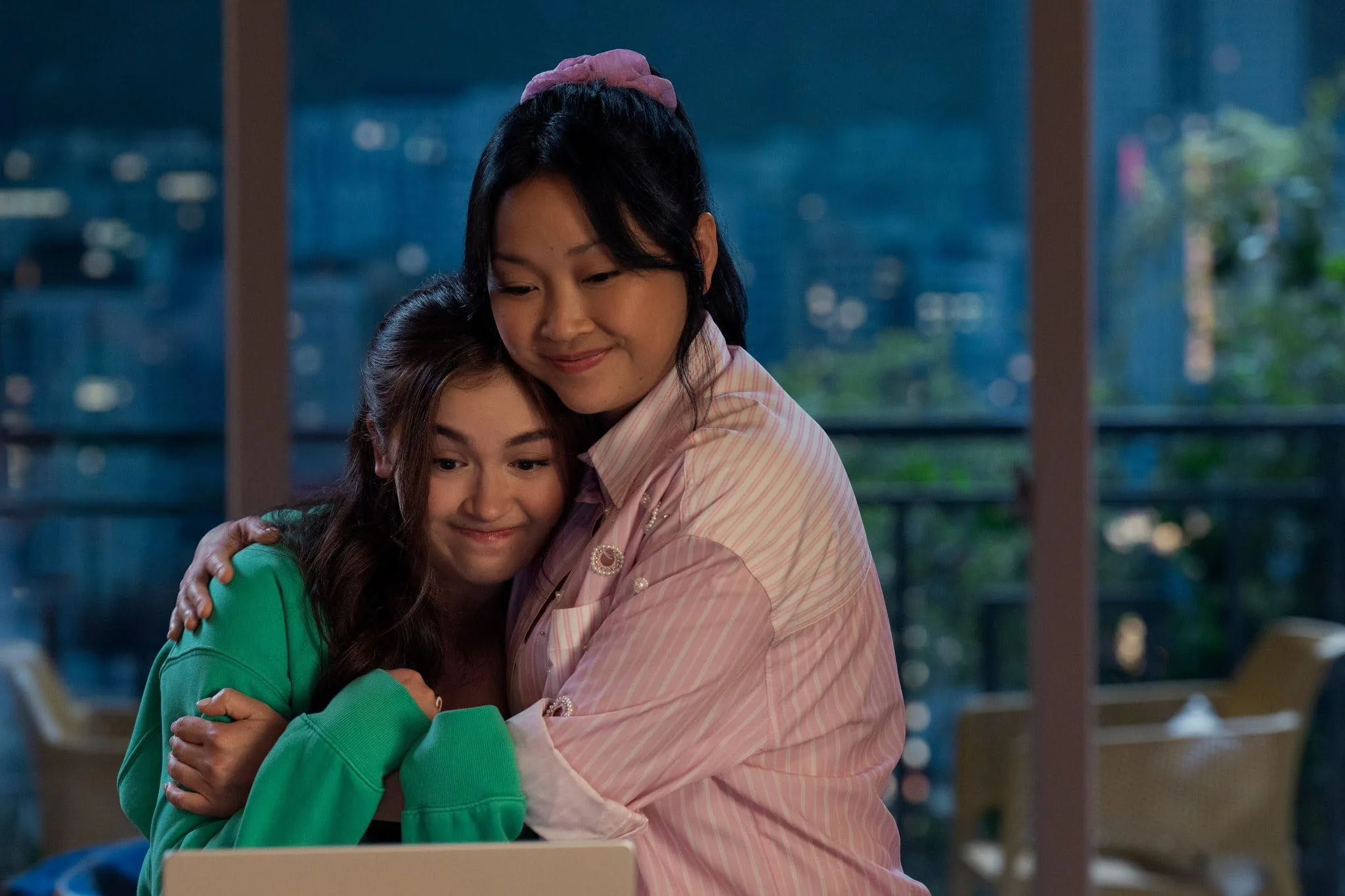
Lana Condor’s return as Lara Jean is Season 3’s most anticipated event, and it largely delivers. The Song Covey sisterhood has always sat at the emotional center of this franchise, and these scenes bring a tenderness that the romantic plots struggle to match. Family, across all three seasons, has been the show’s most reliable emotional resource, and the Covey sisters together tap directly into that.
The callbacks extend past Condor’s presence. Repeated songs, visual stylistic echoes, and specific line references from the To All the Boys films appear with increasing frequency. Some land as affectionate nods for fans who have followed the franchise from the beginning. Others feel like the show reaching backward when it runs short of forward momentum. There is a meaningful difference between honoring your origins and leaning on them for emotional weight you have not independently earned.
The more specific concern is what this does to Kitty’s identity. One of the earlier seasons’ genuine achievements was establishing Kitty as a fully separate protagonist, distinct from her more famous sister. Season 3 occasionally blurs that line, placing Kitty in the visual and emotional register of Lara Jean in ways that feel like regression. The franchise’s audience did not need reminding of where this story began. Kitty’s own world had become interesting enough to stand on its own terms.
The show’s relationship to Korea remains romanticised and self-aware in equal measure. Busan is gorgeous and well-used. The KISS setting continues to function as a world unto itself. K-drama elements the season handles with particular sincerity include parental pressure over children’s futures, the psychological cost of early fame as traced through Eunice’s story, and the way women in Korean families absorb and redistribute emotional support. The cherry blossoms blooming in autumn are a continuity lapse, but the show has never claimed fidelity to realism. Its version of Korea is a constructed world, and within that construction, it operates with consistent internal warmth.
Growing Up Is the Real Romance
Stripped of its romantic scaffolding, Season 3 functions best as a coming-of-age ensemble piece. The senior year framework pulls nearly every character toward questions about the future: college applications, career pressure, identity solidification, and the specific grief of watching a world you love approach its natural end. These threads give the season a more grounded emotional layer than its romantic plots manage to sustain.
The parental pressure motif runs through almost every character except Kitty. This is a K-drama staple the show deploys with genuine sincerity rather than as shorthand. Min-ho’s father pushing him toward talent management, Eunice’s eventual recognition that the demands of fame cannot coexist with the demands of being a teenager, and the various college anxieties rippling through the KISS corridors all land with an earnestness that suits the show’s sensibility.
The season’s most quietly affecting moment involves an unexpected life event in the later episodes, handled through vulnerability and female solidarity rather than drama and judgment. It presents a best-case scenario of family support, and there is something valuable in modelling what that support could look like, even in idealised form.
The music, composed by Jina Hyojin An and Shirley Song with contributions from Girlset, MEOVV, and Wonho among others, remains a genuine asset. The score carries the show’s K-drama sensibility through quiet moments and big ones alike. The beer pong sequence, Yuri’s Seoul Fashion Week runway, and a closing romantic scene scored with delicate K-drama warmth all demonstrate that the show knows how to let music do the emotional work a scene requires. The soundtrack is woven into the show’s fabric, and Season 3 maintains that consistency even when the writing falters.
XO, Kitty Season 3 premiered on Netflix on April 2, 2026, continuing the story of Katherine “Kitty” Song Covey as she navigates her senior year at the Korean Independent School of Seoul (KISS). Following the cliffhanger of the second season, this installment follows Kitty as she manages a complicated relationship with Min Ho while preparing for graduation and her future beyond high school. The season consists of eight episodes and features the return of the original cast along with special appearances by characters from the original To All the Boys film franchise. The series is currently available for streaming exclusively on Netflix.
Where to Watch XO, Kitty Season 3 Online


Full Credits
Title: XO, Kitty Season 3
Distributor: Netflix
Release date: April 2, 2026
Rating: TV-14
Running time: 30 minutes
Director: Sherwin Shilati, Katina Medina Mora, Michael Medico, Anna Mastro
Writers: Jenny Han, Valentina Garza, Jessica O’Toole, Siobhan Vivian, Sarah Choi, Nina Kim, Starr Shapiro, Terrence Coli, George Northy, Deidre Shaw
Producers and Executive Producers: Jenny Han, Sascha Rothchild, Matt Kaplan, Valentina Garza, Bradley Gardner
Cast: Anna Cathcart, Minyeong Choi, Gia Kim, Sang Heon Lee, Anthony Keyvan, Peter Thurnwald, Regan Aliyah, Lana Condor, Sule Thelwell, Hojo Shin, Ryu Han-bi
Director of Photography (Cinematographer): Sandra Valde-Hansen, Michael Bernard
Editors: Lindsay Wolfington, J.D. Sievertson
Composer: Shirley Song, Jina Hyojin An
The Review
XO, Kitty Season 3
Season 3 of XO, Kitty is a warm, imperfect farewell to a franchise that found its best self in the spaces between romance. Cathcart remains a magnetic lead, and the supporting cast frequently outpaces the material written for them. The season struggles with narrative discipline, a flattened central love interest, and an over-reliance on franchise nostalgia, but its genuine affection for its characters carries real weight. Flawed and fond in equal measure.
PROS
- Anna Cathcart delivers her strongest performance across the series
- Yuri's arc is the season's richest, most emotionally complex storyline
- Meaningful, warmly handled LGBTQ+ representation
- Busan opens the season with fresh visual energy
- Family dynamics remain the franchise's most reliable emotional foundation
CONS
- Min-ho is written as a flat romantic placeholder
- Miscommunication trope overused to manufacture conflict
- Time-skip structure leaves the season feeling told rather than shown
- Marius is too cartoonishly written to function as a credible antagonist
- Peripheral characters lack direction and are used as plot devices