



























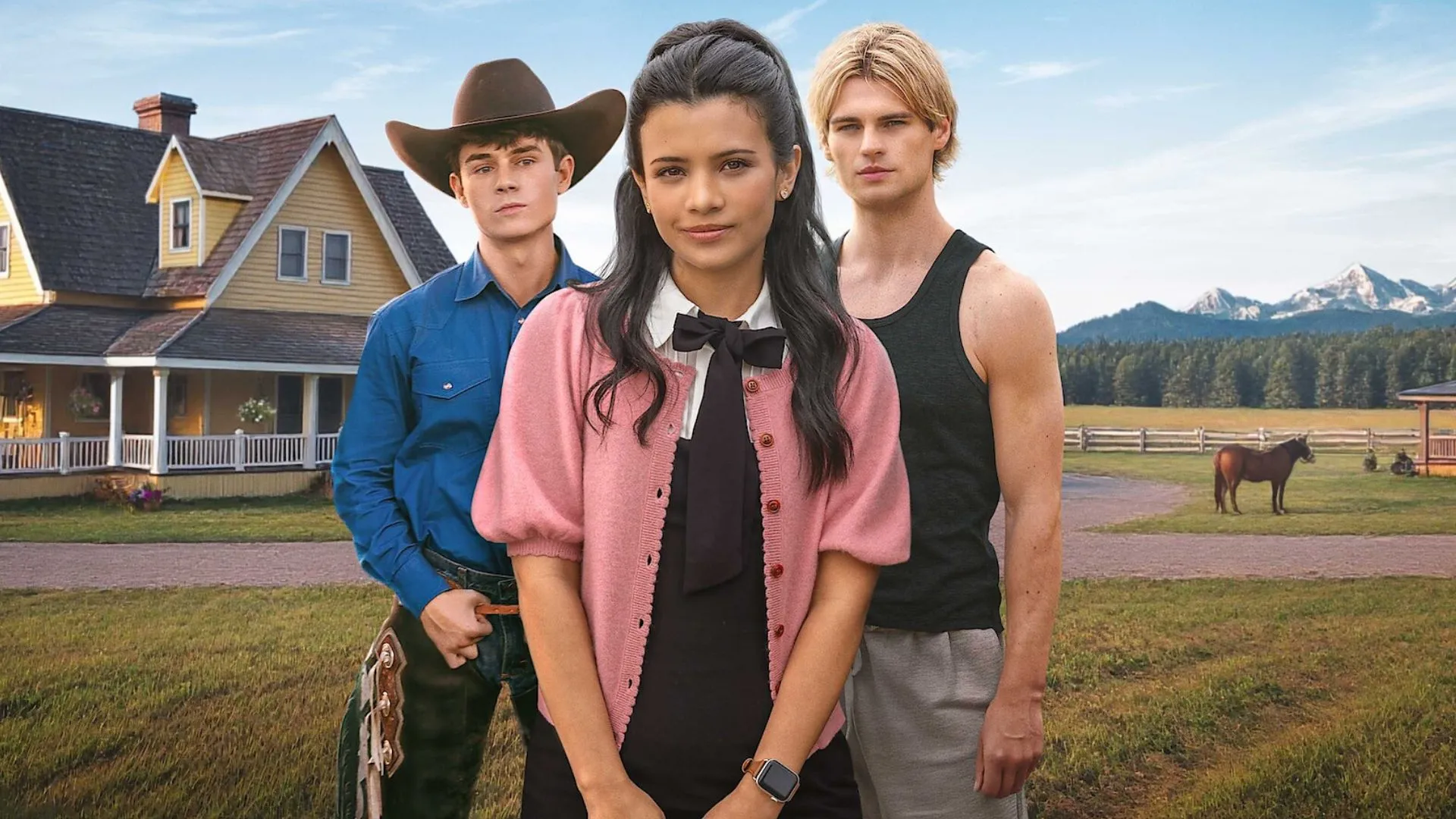

My Life With The Walter Boys returns for its second season by leaning into a narrative structure familiar to global audiences, from American heartland tales to the sprawling family sagas of Indian cinema. The series re-establishes its foundation: Jackie Howard, a sharp Manhattan teenager, is still adapting to her new life on a Colorado ranch. She lives with the Walters, a warm, chaotic, and large family that took her in after a tragic accident.
Season two opens with Jackie’s return from a summer in New York. This homecoming is not a simple one. It is a direct confrontation with the emotional turmoil she fled at the end of the first season. The show immediately frames its central conflict around an unresolved love triangle.
Jackie is caught between two brothers: her ex-boyfriend, Alex, whom she deeply hurt, and Cole, with whom she shared a complicated, spontaneous kiss. Her arrival forces an immediate reckoning with these tangled feelings, setting the stage for a season built on simmering tension and fractured relationships under one very crowded roof.
The Universal Language of the Love Triangle
Jackie’s return places her in a state of emotional limbo, a carefully constructed stasis that defines much of the season’s momentum. She actively attempts to create physical and emotional distance from both Alex and Cole, yet the geography of the ranch house makes this impossible.
The narrative effectively uses the home as a pressure cooker, turning awkward breakfasts, forced car rides to school, and chance encounters in the barn into moments of high tension. Her internal conflict is the story’s engine, a constant push-and-pull between the palpable guilt she feels over hurting Alex and the magnetic, undeniable connection she has with Cole. This dynamic, a cornerstone of Western teen dramas, shares its narrative DNA with the classic do bhai ek ladki (two brothers, one girl) formula that has been a staple in Bollywood for decades.
Unlike many Indian films where such a conflict might be elevated by themes of family honor, duty, or immense personal sacrifice, Walter Boys frames its triangle squarely within the realm of individual desire and unfiltered teen angst. Alex’s reaction to the heartbreak is a full retreat. His coldness and emotional guarding are clear defense mechanisms, and he seeks a new identity on the rodeo circuit.
This choice is symbolic, an embrace of the rugged, hyper-masculine world of the American West that stands in stark contrast to his more sensitive, bookish persona from the first season. The introduction of a new romantic interest, B. Hartford, feels more like a narrative foil than a genuine connection, a plot device to create jealousy rather than a meaningful relationship for Alex.
Cole, in contrast, takes a more direct and persistent approach. With a career in football no longer defining him, his focus shifts toward his future and college applications, a welcome sign of maturity. Yet this newfound responsibility does not temper his pursuit of Jackie. His forwardness stands in opposition to Alex’s withdrawal, creating a classic dynamic of the pursuer and the brooder.
The narrative’s heavy reliance on this back-and-forth, however, is its greatest test. The constant indecision, the repetitive arguments followed by moments of charged silence, risks feeling like a plot device used to stretch the drama across ten episodes.
Where a filmmaker like Satyajit Ray might have conveyed a similar triangle through subtle glances and unspoken tension, this series opts for an explicit, dialogue-heavy approach. The result is a cycle of angst that feels manufactured rather than organic, a common pitfall for this universal story trope.
A Crowded House, A Crowded Narrative
The world of the Walter ranch expands significantly this season, weaving a complex tapestry of subplots that extend far beyond the central romance. This narrative choice mirrors the structure of many Indian television serials or multi-starrer films, where a multitude of secondary stories runs in parallel to keep a large ensemble cast active and appeal to a broad demographic.

Viewers are asked to invest in several other relationships, each at a different stage of development. The established relationship between Nathan and his boyfriend, Skylar, faces new trials with the introduction of a new character, Zach, creating yet another potential love triangle. In a lighter vein, the budding connection between Danny and Erin serves as a less complicated counterpoint to the central drama, offering moments of simple sweetness.
Beyond the romantic entanglements, the story attempts to give depth to its supporting cast through friendship and family arcs. We see Kiley’s personal growth as she moves beyond a long-held childhood crush on Alex and develops an interest in a new classmate, Dylan. This signals her own maturation, a recognition that her world is larger than her immediate friend group.
The youngest Walter daughter, Parker, gets a small but meaningful arc centered on her frustration over Jackie’s unannounced departure at the end of last season. Her feelings of abandonment provide the perspective of a younger sibling who feels forgotten amidst the drama of the older teens.
Adding another layer of conflict, a significant storyline follows the family patriarch, George, and his eldest son, Will, as they pursue an ambitious plan to build a ranch resort. This venture introduces financial pressure and adult disagreements, exploring the classic theme of tradition versus progress. The plan to commercialize a piece of their rustic life creates a tension that is recognizable in stories from around the world that deal with ancestral land and modernization.
The central issue with this narrative approach is balance. While these threads are meant to enrich the show’s world, they often feel underdeveloped. The season struggles to give each story enough screen time for it to be fully realized. Consequently, many of these secondary arcs feel rushed and serve as distractions rather than meaningful additions to the primary emotional narrative.
Finding Authenticity in Archetypes
The success of a story populated by familiar character types rests almost entirely on the cast’s ability to imbue these roles with authenticity and charm. The core trio of My Life With The Walter Boys embodies global archetypes: Jackie is the resilient heroine adapting to a new world, Alex is the brooding, sensitive lover, and Cole is the charming rogue with a hidden depth.
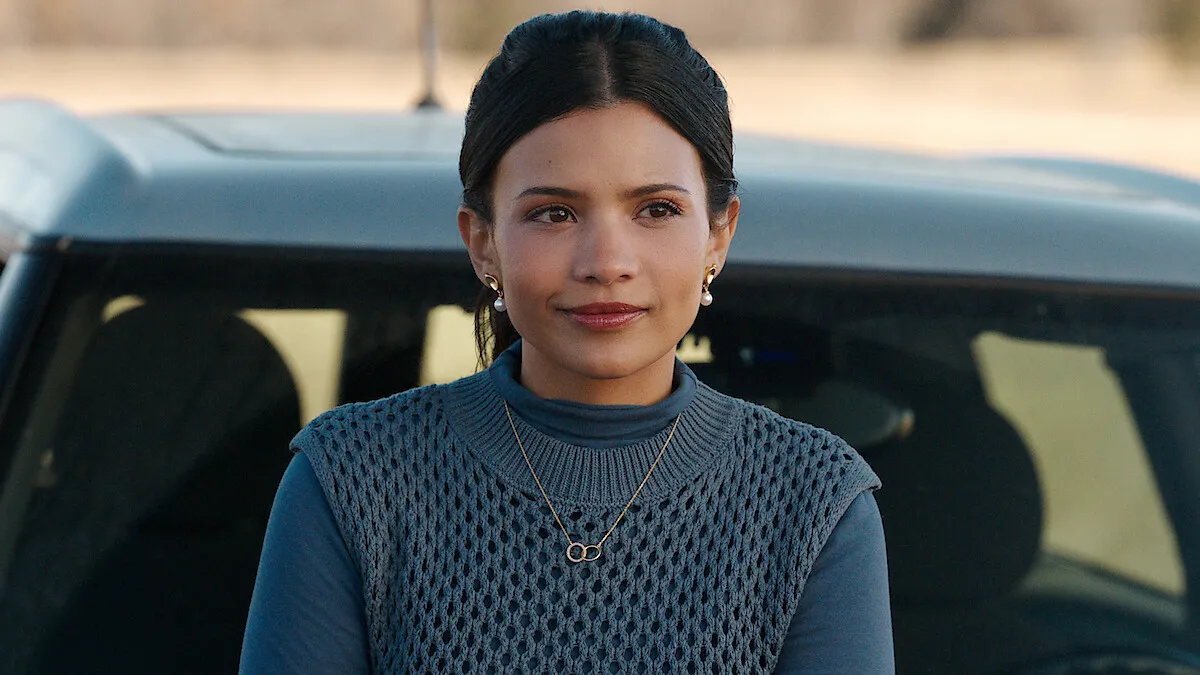
Nikki Rodriguez carries the show with a convincing performance as Jackie, skillfully portraying the character’s mix of fierce independence and deep-seated vulnerability. Ashby Gentry gives Alex a quiet, simmering pain that feels genuine, communicating much of his hurt through non-verbal cues. Noah LaLonde effectively captures Cole’s easy charisma and the underlying insecurity that drives him. The chemistry between the three leads remains a primary draw, making their tangled relationship feel consequential.
As the matriarch Katherine Walter, Sarah Rafferty provides a grounding warmth that anchors the entire chaotic household. Her character functions as the emotional center of the family, a figure of stability and unconditional love that is reminiscent of the archetypal “filmi Ma” (movie mother) in Bollywood, who often serves as the story’s moral compass.
The new cast members, however, struggle to make a significant impact. Characters like B. Hartford and Zach feel more like plot functions than fully formed people, a result of both limited screen time and writing that fails to give them compelling motivations.
The season also presents a mixed and sometimes frustrating picture of character progression. There are tangible signs of growth. Jackie learning to drive is a powerful and necessary symbol of her gaining independence in this sprawling, rural environment where she was previously reliant on others. Cole’s serious approach to his college applications shows a welcome attempt at maturity.
At the same time, the characters often seem trapped in repetitive behavioral patterns. The cyclical nature of the central love triangle actively undermines the individual growth shown elsewhere, frequently resetting the characters to their initial emotional positions for the sake of drama. This questions how much they have truly evolved.
The Aesthetics of Comfort Television
The show’s production is highly polished, leaning into a specific visual style that firmly establishes it as “comfort television.” This aesthetic offers viewers a form of gentle escapism. The cinematography consistently employs a warm, soft-focus look, with many scenes bathed in the golden-hour light of a Colorado sunset.
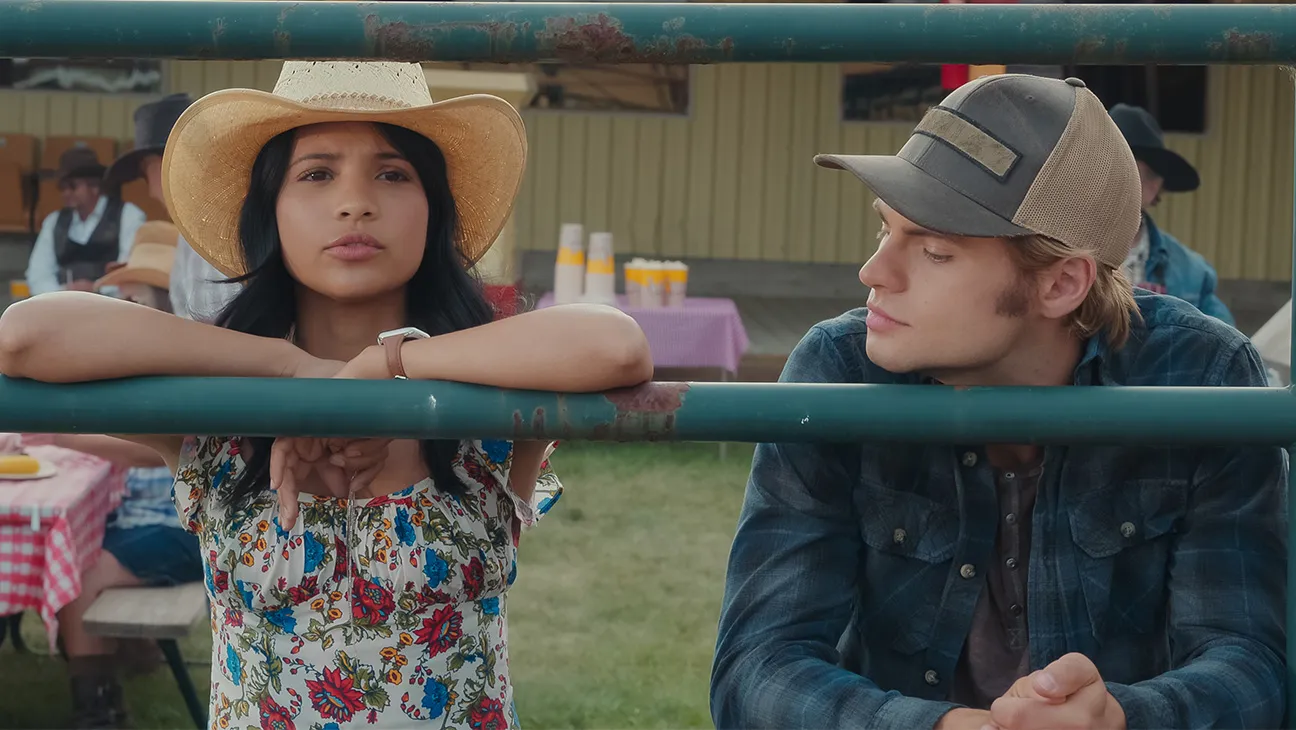
Wide, sweeping shots of the mountain landscape are paired with cozy, cluttered interiors of the ranch house. These are all deliberate directorial choices meant to create a mood of safety, warmth, and rustic nostalgia. This visual language is a stark contrast to the hyper-stylized, vibrant aesthetic often used in mainstream Bollywood romances, which aim to create a larger-than-life, aspirational fantasy. Walter Boys aims for a fantasy that is grounded and relatable.
The direction, however, struggles with consistent pacing. Emotional scenes are frequently stretched beyond their natural limit through the use of slow-motion gazes, pregnant pauses, and repetitive arguments. These choices slow the narrative momentum to a crawl in certain episodes. This creates a disjointed viewing experience where individual plot points move very slowly, yet the overall timeline seems to jump forward erratically.
The show ultimately delivers on its central promise of teen romance and family drama, effectively satisfying the expectations of its core audience. Its predictability is its biggest weakness and also its key appeal, offering a low-stakes emotional journey.
The story ends on a dramatic cliffhanger, a technique common in serialized storytelling designed to ensure viewership. It is an open question whether this final twist is a bold choice that will push the characters in a new, more mature direction, or simply a cynical ploy to reset the same patterns for another season.
Full Credits
Directors: Jason Priestley, Audrey Cummings, Monika Mitchell
Producers and Executive Producers: Melanie Halsall (showrunner and EP), Ed Glauser (EP), Becky Hartman Edwards (EP), Jason Priestley (producer)
Cast: Nikki Rodriguez, Sarah Rafferty, Marc Blucas
Composer: Brian H. Kim
The Review
My Life With The Walter Boys Season 2
My Life With The Walter Boys Season 2 successfully delivers on its promise of a comforting, romantic drama for its established audience. The chemistry of the core cast remains a significant strength, and the warm aesthetic makes for an easy watch. The season is held back by a highly predictable narrative, an overreliance on its repetitive central love triangle, and a collection of underdeveloped subplots that clutter the story. It is a pleasant but ultimately unchallenging series that chooses to perfect a familiar formula rather than explore new ground.
PROS
- Engaging chemistry between the three lead actors.
- Warm and comforting visual aesthetic.
- Effectively satisfies the expectations of the teen romance genre.
CONS
- Narrative is highly predictable and formulaic.
- Central love triangle often feels repetitive.
- Numerous secondary characters and subplots are underdeveloped.
- Pacing can be inconsistent and slow.