













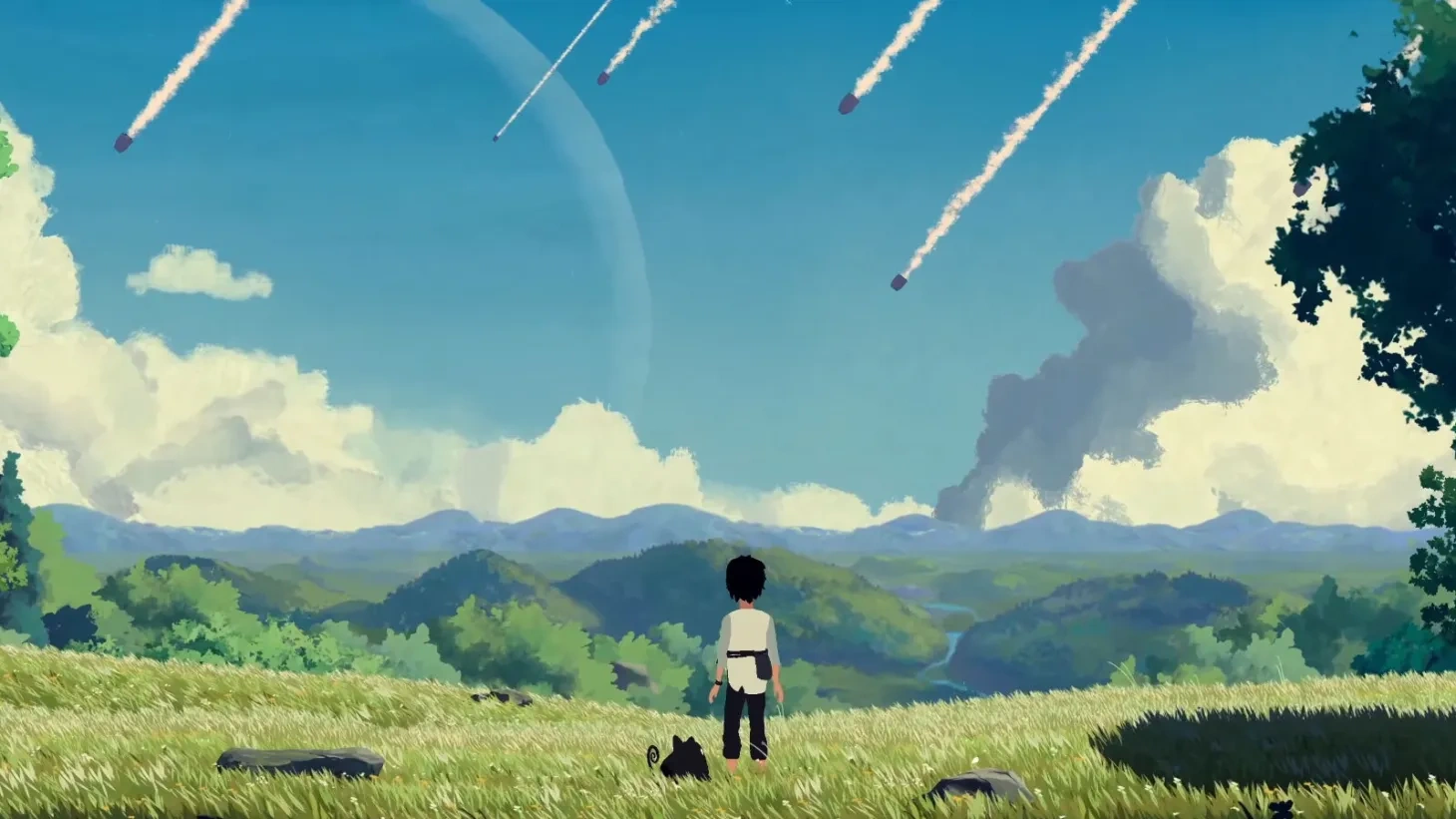
Returning to Novo means entering a world shaped by repair. Two years have passed since the mechanical invasion ended, and Lana now lives with Mui in a quiet fishing village where domestic calm has replaced open crisis.
Humans have begun using repurposed robot parts for labor and farming, a practical reuse of the wreckage left by a machine occupation that carried the shape of colonial violence. The peace breaks with the arrival of the Dijinghala tribe from the north. Their presence brings sophisticated technology, and a crystal leaking toxic green gas poisons Lana’s younger sister.
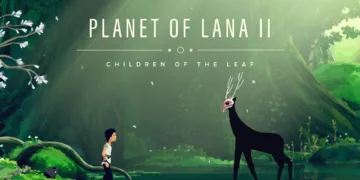
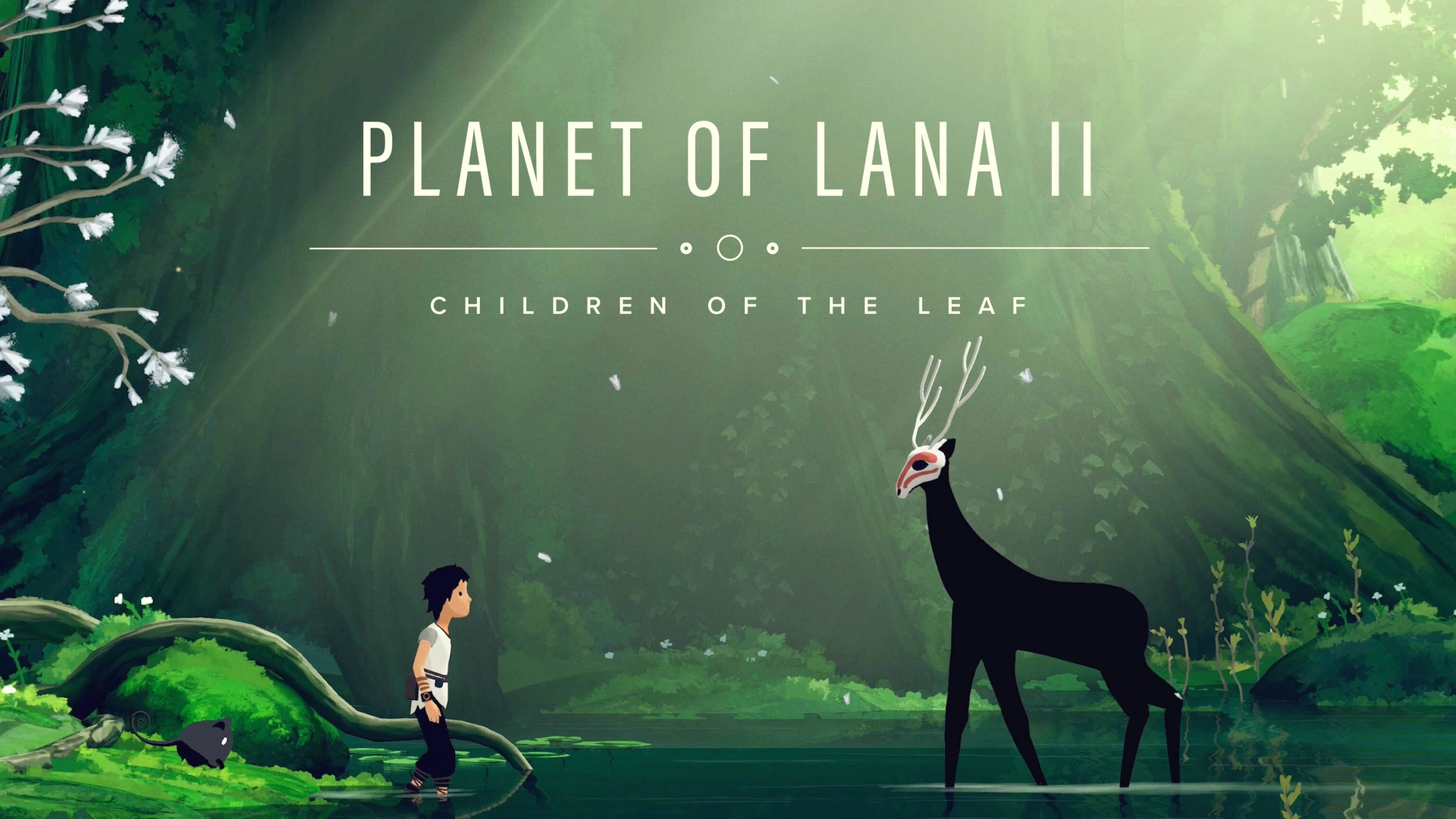
The 2.5D perspective preserves the sensation of a moving painting, while the hand-painted art style softens the harder industrial imagery. That softness matters because the world is full of metal remnants, altered landscapes, and communities learning to live with the debris of conflict. Lana looks older now, and her movement carries the memory of experience.
Her role has changed from a child searching for safety into a protector searching for a cure. That change gives the sequel a sharper concern with innocence lost inside a transformed environment. Novo feels inhabited, marked by history and daily labor. Lana moves through familiar spaces with new urgency, and her personal growth reflects the changes taking place across her community.
A Shift in Narrative Maturity
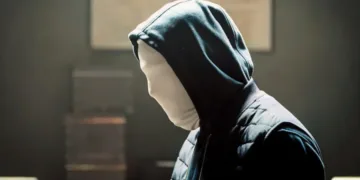
The story moves into a more mature thematic frame. The first conflict dealt with a struggle against mindless machines. This sequel places human villains at the front of the danger. The Dijinghala tribe carries a mysterious history, and a masked leader directs its expansion. That human-driven threat follows a cinematic pattern in which danger grows from social fracture, ambition, and inherited violence.
Meaning arrives through an invented language. Players read intent through posture, gesture, facial response, and vocal tone. The method asks for emotional literacy, giving communication a cultural and bodily texture. Lana and Mui’s bond gives the story its emotional anchor. Their closeness, shared reactions, and silent timing communicate a trust built across earlier hardship. The result is a form of storytelling that treats companionship as action, with feeling carried through movement and response.
Novo’s geography has expanded. Tropical regions lead into frozen mountain peaks, and the orchestral score adjusts with those shifts. Brass instruments create a heavy, grounded sound that places the player inside the mood of each region. The visual design stresses the gap between the planet’s lush natural life and the cold residue of industrial scrap. Rusting machine hulls rest among green foliage, creating images of technology and ecology locked in an uneasy coexistence.
The aesthetic choices bring out the beauty of reclamation. Each area has a distinct atmospheric identity, shaped through color, sound, terrain, and old damage. The Dijinghala introduce a technological threat rooted in human ambition, giving the mission stronger dramatic weight. The game’s cultural imagination sits in the tension between recovery and repetition, between a world healing from mechanical domination and new figures arriving with tools that may reopen old wounds.
Mechanical Synergy and Cooperative Growth
The mechanical design depends on the partnership between Lana and Mui. Lana has new physical abilities. She can sprint, slide, and jump off walls, which gives exploration a quicker rhythm and expands her agency. She can also hack specific neutral worker bots. Mui gains fresh powers, using an electromagnetic pulse to power doors and machinery. Mui can hypnotize other animals, helping Lana move across the terrain. Soot balls leave flammable trails, and ink fish become part of the puzzle language.
These environmental puzzles build a logic of cooperation. The systems ask for careful planning, with character animations carrying an intentional delay that makes every movement feel measured. That rhythm keeps the game away from frantic action and pushes the player toward observation, timing, and patience. The challenges work best when the player treats the environment as a shared space, where each creature, machine, and movement pattern has a possible role.
A boss puzzle near the end of the expedition layers different skills to raise the challenge. Players combine hacking, hypnosis, and precise movement, drawing on the full language of the game’s systems. Frequent save points support experimentation without harsh punishment. The interaction between Lana and Mui creates a feeling of shared responsibility, and the mechanical growth supports the narrative of emotional growth.
Lana and Mui move with a synchronization shaped by their history. The puzzles become physical expressions of their bond, since each solution needs the specific strengths of both characters. Cooperation defines the main experience.
The new platforming elements let Lana move with greater confidence, while hacking turns remnants of the invasion into tools for survival. That mechanical design reflects Novo’s cultural shift. The characters have moved from fleeing technology to engaging with it, learning its patterns, and using it for survival. The result carries a post-colonial reading: a wounded community repurposes the tools of domination and folds them into daily life.
Biomes, Performance, and Technical Clarity
The quest crosses four main biomes as Lana searches for medical ingredients. During the second half, the experience turns toward deeper lore, and players learn the origin of the technology on Novo. Underwater sections introduce mini-submarines. Chapter 3 has a different pace, since these underwater puzzles move more slowly and some interactions repeat. Pushing open submarine doors occurs several times, giving that stretch a more deliberate rhythm with visible repetition.
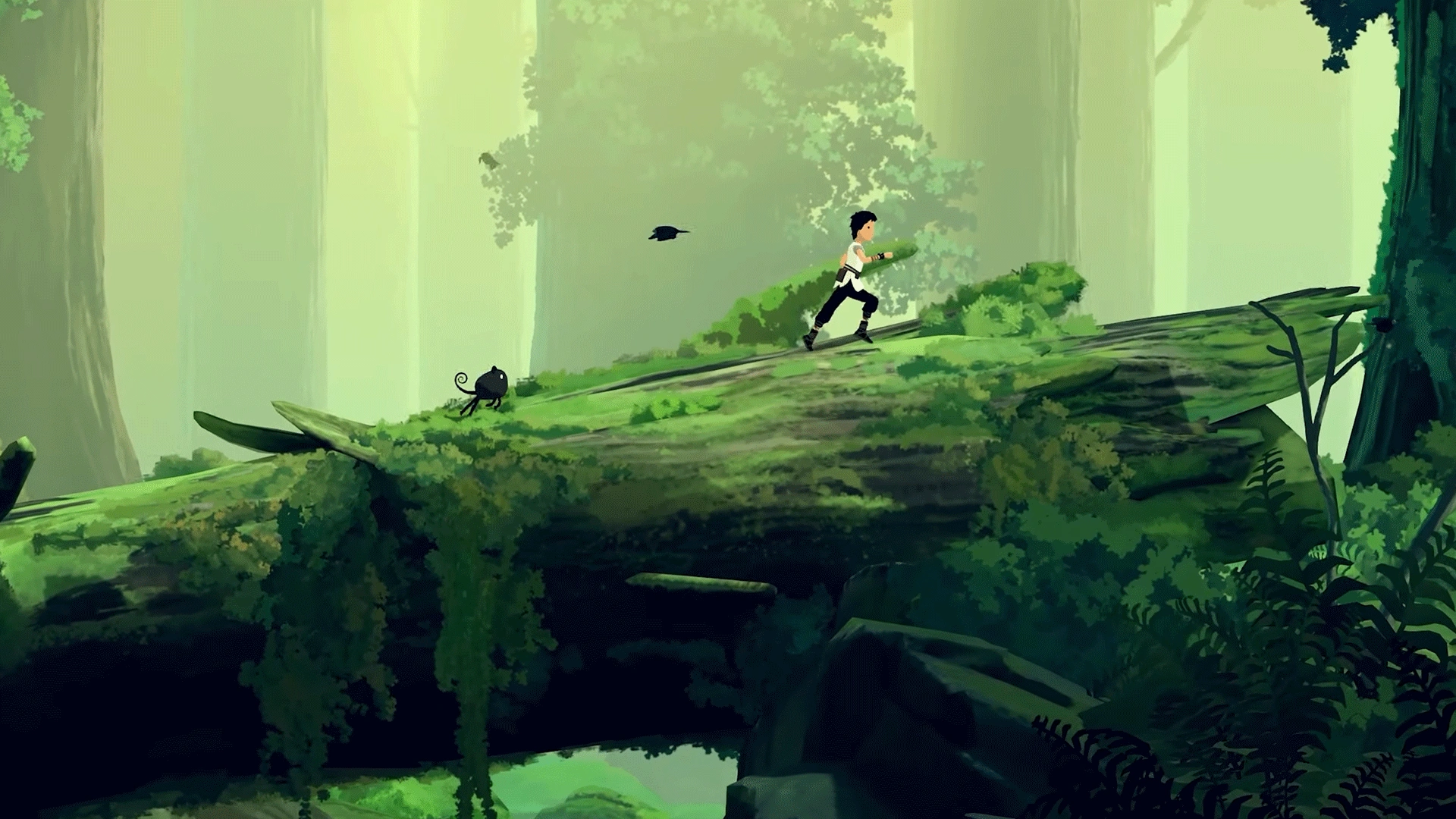
The technical side shows clear improvement. The Nintendo Switch version performs well, while the Switch 2 version reaches a higher standard with a 60fps frame rate and 1080p resolution on newer hardware. Visual outlines appear sharp, and that clarity strengthens the hand-painted aesthetic. The technical refinement helps the artistic direction remain readable, letting small details, background animations, and environmental textures stand out.
The ending features a tense cliffhanger that points toward a future entry. The final areas bring back previous mechanics and test the player on the full set of learned skills. The movement between biomes gives the world a wider physical scale, while the story leaves several questions open and hints at a larger conflict. The experience balances the intimate goal of saving a family member with the planetary reach of technological discovery.
That narrative shift rewards players who remember the history of the previous title. The structure emphasizes the linked nature of Novo, with each biome presenting a different facet of the planet’s ecology. Environmental storytelling remains strong throughout. Technical stability lets the artistic details register clearly, while small background animations give the world a sense of daily life beyond Lana’s immediate path.
The audio design remains a major strength. Subtle underwater sounds create a different sensory space from the sharper tones of the Dijinghala machines. The cliffhanger lands with high tension and keeps the future of Novo open. The pacing builds expectation for the next chapter, leaving Lana’s world suspended between recovery, discovery, and the threat of another technological rupture.
The Review
Planet of Lana II: Children of the Leaf
Planet of Lana II expands its scope with a focus on human conflict and technological adaptation. The cooperative mechanics between Lana and Mui feel refined. The hand-painted aesthetics remain a high point. While the third chapter suffers from slow underwater pacing, the narrative revelations provide a satisfying payoff. This sequel maintains a strong artistic identity while introducing meaningful mechanical growth. It provides a thoughtful exploration of a world in transition.
PROS
- Exquisite hand-painted visuals.
- Refined cooperative puzzle design.
- Thoughtful wordless storytelling.
- Meaningful character growth.
CONS
- Repetitive underwater sequences.
- Slight input delay in movement.
- Abrupt cliffhanger ending.