









Courtney A. Kemp’s first project under her solo Netflix deal landed at the top of the streaming charts within hours of its May 14 debut, giving the creator of the “Power” franchise her most commercially immediate opening since Ghost’s first night in New York.
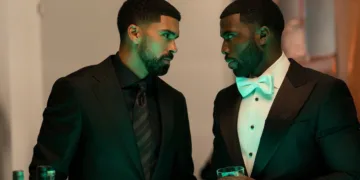
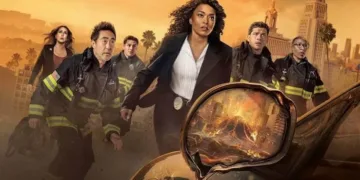
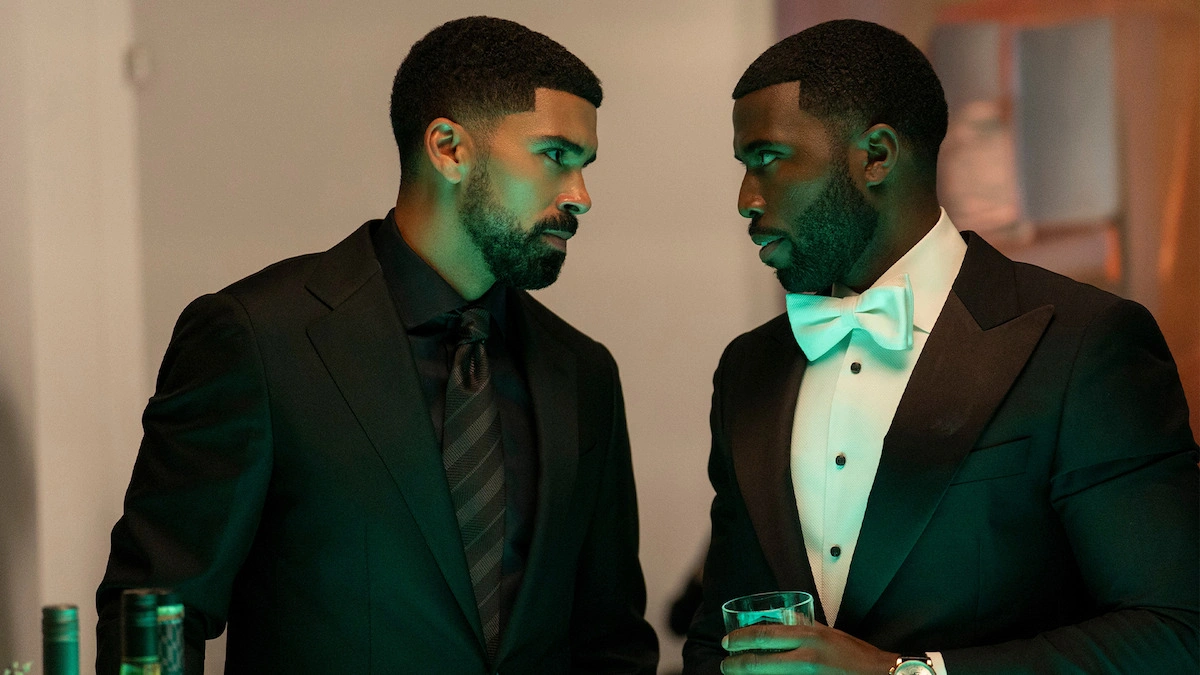
“Nemesis,” the eight-episode L.A. crime drama Kemp co-created with Tani Marole, pits LAPD detective Isaiah Stiles (Matthew Law) against Coltrane Wilder (Y’lan Noel), a charismatic real-estate businessman who moonlights as a precision thief. The series entered Netflix’s top-three U.S. rankings on its first day and climbed to the top six globally, carrying an 89 percent score on Rotten Tomatoes. Critics drew immediate comparisons to Michael Mann’s 1995 film “Heat,” a parallel Kemp did not shy away from, though she frames the reference as a conscious dialogue rather than imitation.
Where “Power” built its identity around New York and an unrelenting pull toward self-destruction, “Nemesis” plants itself firmly in Black Los Angeles — View Park, Baldwin Hills, neighborhoods that rarely appear outside freeway-adjacent establishing shots in most network dramas. Kemp said that decision was personal and political simultaneously. “Production needs to come back to L.A.,” she said. “I want to make shows here. I want to help people pay for college here.” She shot “Nemesis” in the same city where she lives, a first in her career, and filmed right before the 2026 L.A. wildfires complicated production timelines.
The show’s co-creator Marole, a feature writer, brought a perspective Kemp said shifted the series toward something warmer than “Power” ever allowed. “Nemesis has a lot more hope in it,” Kemp explained. “Power was very much about driving into darkness.” The collaboration also sharpened her thinking about the structural differences between cable and streaming storytelling. On Starz, cliffhangers were designed to sustain a week of speculation. On Netflix, each episode must close with a question urgent enough to override sleep. “The end of every episode should have ‘what the f*ck happens now,'” she said.
Kemp and Marole deliberately avoided replicating “Power,” choosing to match its energy rather than recreate its architecture. Coltrane, she insists, is a fundamentally different character from Ghost — “Coltrane is a good man,” she said flatly. She envisions at least two additional seasons and described the finale she wrote alone as a conscious compromise, suppressing a darker final scene in favor of something more emotionally complete.
Mario Van Peebles directed the first two episodes and served as executive producer.