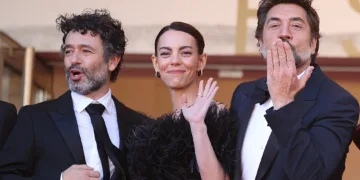












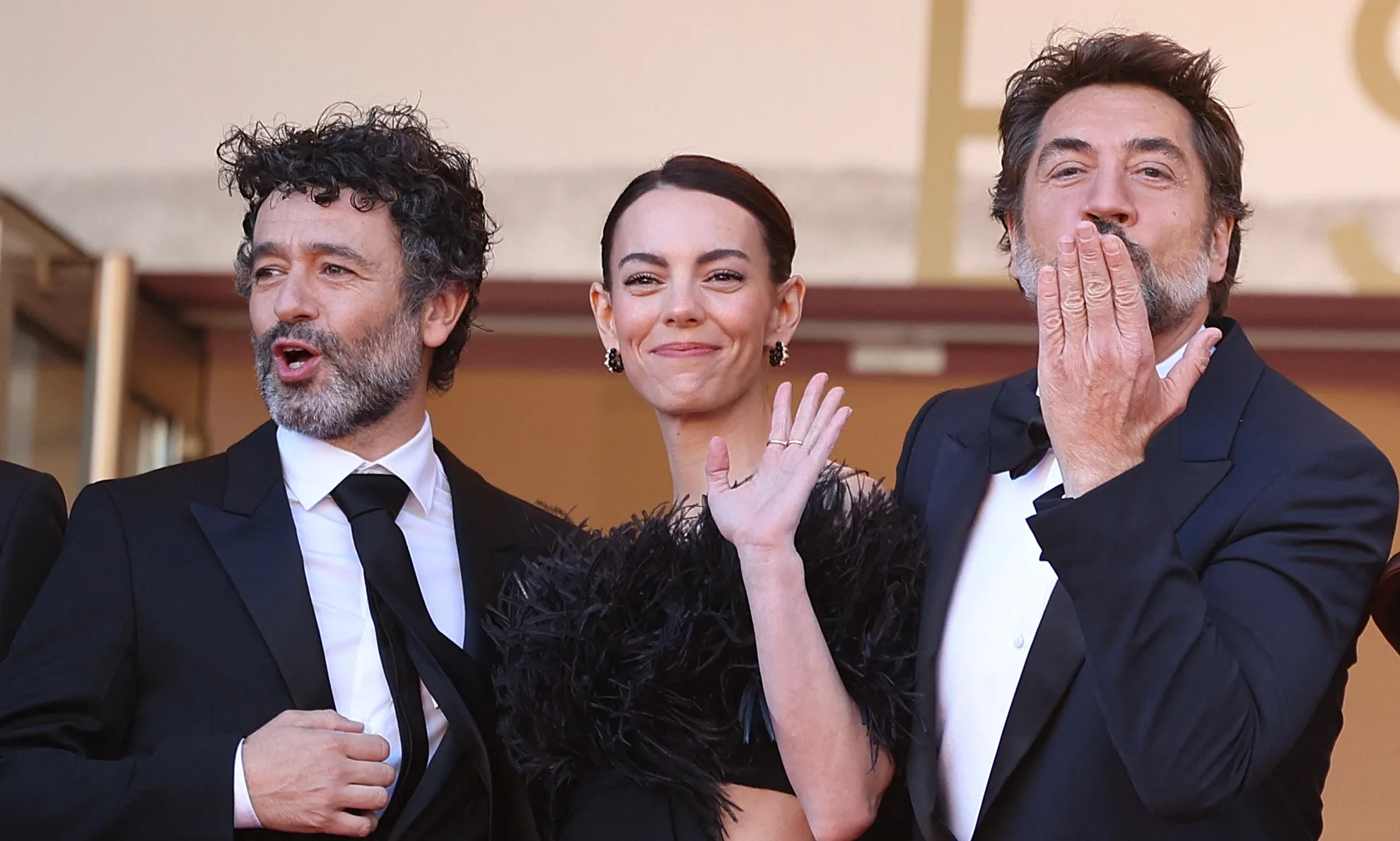

Javier Bardem used a Cannes Film Festival press conference on Sunday to attack Donald Trump, Vladimir Putin, and Benjamin Netanyahu by name, calling their conduct a display of “toxic masculinity” responsible for mass death — while also insisting that Hollywood’s quiet pressure campaign against pro-Palestinian voices is backfiring.
The Oscar-winning Spanish actor, 57, was speaking at a press conference for his new film “The Beloved,” directed by Rodrigo Sorogoyen, which had premiered the night before to widespread critical praise. The film earned a seven-minute ovation from the Palais audience — a reception that lent added weight to the political storm Bardem sparked the following morning.
In an expletive-laden outburst, Bardem tied the character flaws of his on-screen alter ego to a pattern he sees playing out on the world stage. “That problem also goes to Mr. Trump and Mr. Putin and Mr. Netanyahu,” he said, describing powerful men using aggression as dominance. He added that such behavior was “creating thousands of dead people.”
Bardem then called the situation in Gaza a genocide and drew a hard line. “If you justify it with your silence or your support, you are pro-genocide,” he said. “Those are facts, for me.” Israel denies genocide; its military campaign in Gaza followed a Hamas attack that killed 1,221 people, according to an AFP tally based on Israeli figures.
The remarks extend a pattern of public defiance. At the March 2026 Oscars, Bardem wore badges reading “No to war” and the Spanish equivalent, presenting the best international feature award alongside Priyanka Chopra Jonas and declaring, simply, “No to war, and free Palestine” — drawing cheers from the audience.
Asked Sunday whether he feared career consequences, Bardem said fear was real but not decisive. “You have to be able to look at yourself in the mirror,” he said, adding that his mother had shaped his willingness to speak. He acknowledged he could not verify specific blacklisting but said he remained fully prepared to accept the fallout.
Also Read




His position appears to be holding commercially. Bardem told AFP he was “getting more work than ever,” attributing the shift to younger audiences demanding accountability. He predicted that those compiling so-called blacklists would ultimately face public exposure themselves.
Cannes jury member and Scottish screenwriter Paul Laverty echoed Bardem’s defiance earlier in the festival, calling out Hollywood for blacklisting actors including Susan Sarandon and Mark Ruffalo for their Gaza positions, and calling such figures “the best of us.”
Bardem also raised alarm about the proposed Paramount and Warner Bros. merger, warning that increasing media consolidation threatened the diversity of information reaching younger audiences.