











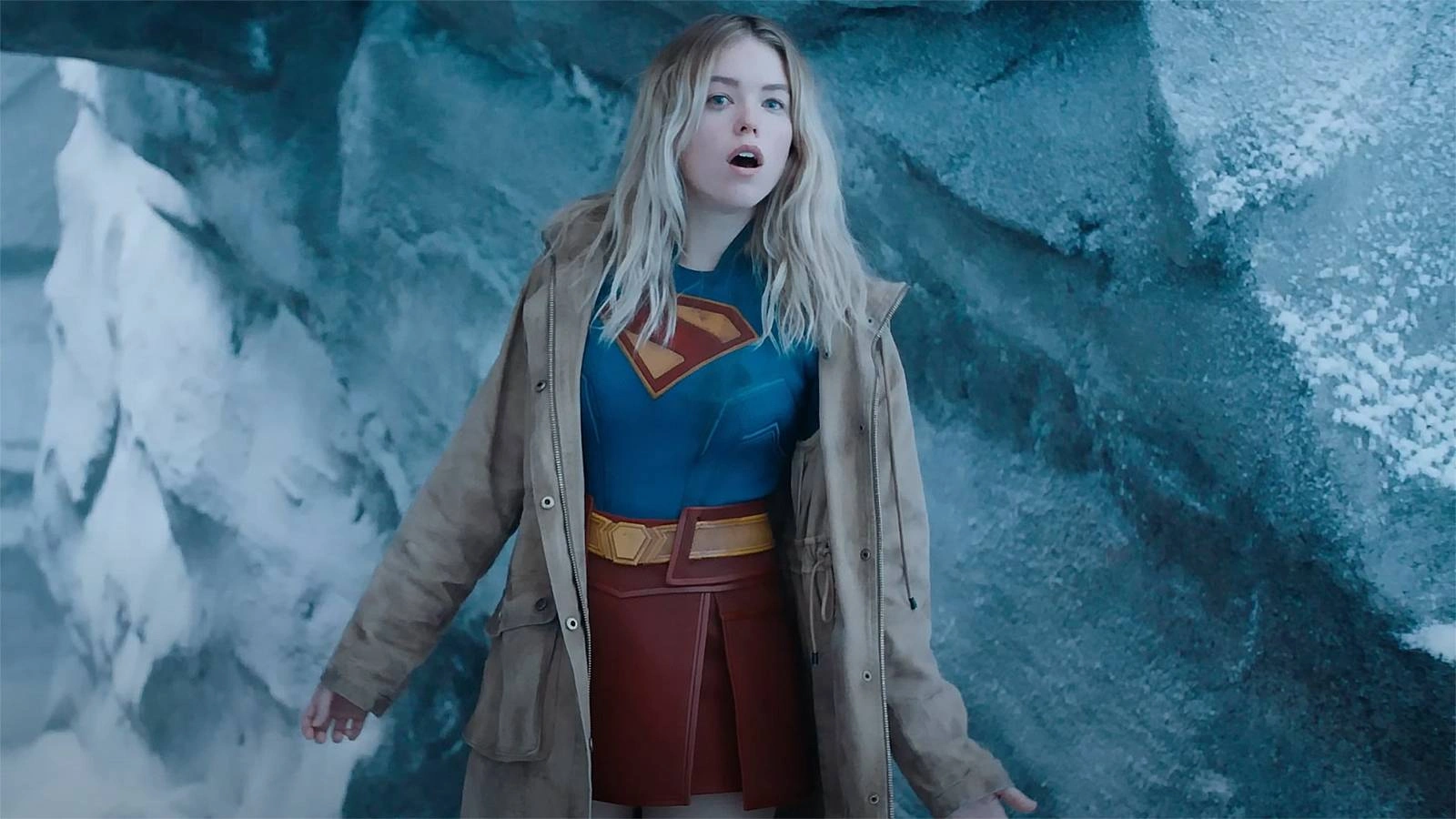

DC Studios pitted two competing cuts of “Supergirl” against test audiences during a tense final stretch of post-production, ultimately choosing a version assembled by the studio over one from director Craig Gillespie, according to The Hollywood Reporter. The rare bakeoff, held in March, capped months of friction between Gillespie and DC Studios co-head James Gunn that insiders describe in starkly different terms — some calling it ordinary studio pressure, others saying the two sides were simply not aligned.
Filming wrapped in May 2025, and concerns reportedly surfaced quickly. A December test screening drew a lukewarm response, prompting Gunn and producing partner Peter Safran to take a heavier hand in the edit. Writer Jeremy Slater joined to help shape new scenes for a nine-day reshoot, while original screenwriter Ana Nogueira stayed involved. Two editors then worked in parallel: Tatiana Riegel, a longtime Gillespie collaborator known for “Cruella” and “I, Tonya,” cut the director’s version, while Fred Raskin, who edited the “Guardians of the Galaxy” trilogy for Gunn, built the studio’s alternative.
The differences ran deeper than pacing. Gillespie’s cut ran 11 minutes longer and gave villain Krem, played by Matthias Schoenaerts, additional screen time. The two camps also disagreed on music: an earlier screening featured Cyndi Lauper’s “Girls Just Want to Have Fun” over a pivotal scene, before Gunn swapped it for a cover of Jimmy Eat World’s “The Middle” — a choice that drew online criticism after release.
Neither cut tested especially well. Scores hovered in the 60s and topped out around 70 out of 100, and the studio’s version edged Gillespie’s by only two points. From that point, Gillespie reportedly had to push for any further changes he wanted made.
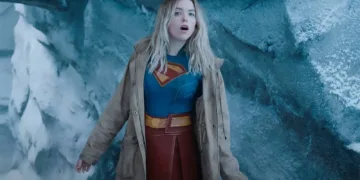
“Supergirl” opened June 26 with Milly Alcock making her debut as Kara Zor-El, and the film has struggled commercially since, grossing under $85 million worldwide against a production budget near $170 million and a marketing spend of roughly $120 million. Industry estimates suggest DC Studios could lose close to $100 million once the run ends. Alcock is already committed to Gunn’s “Man of Tomorrow,” now filming for a 2027 release.