














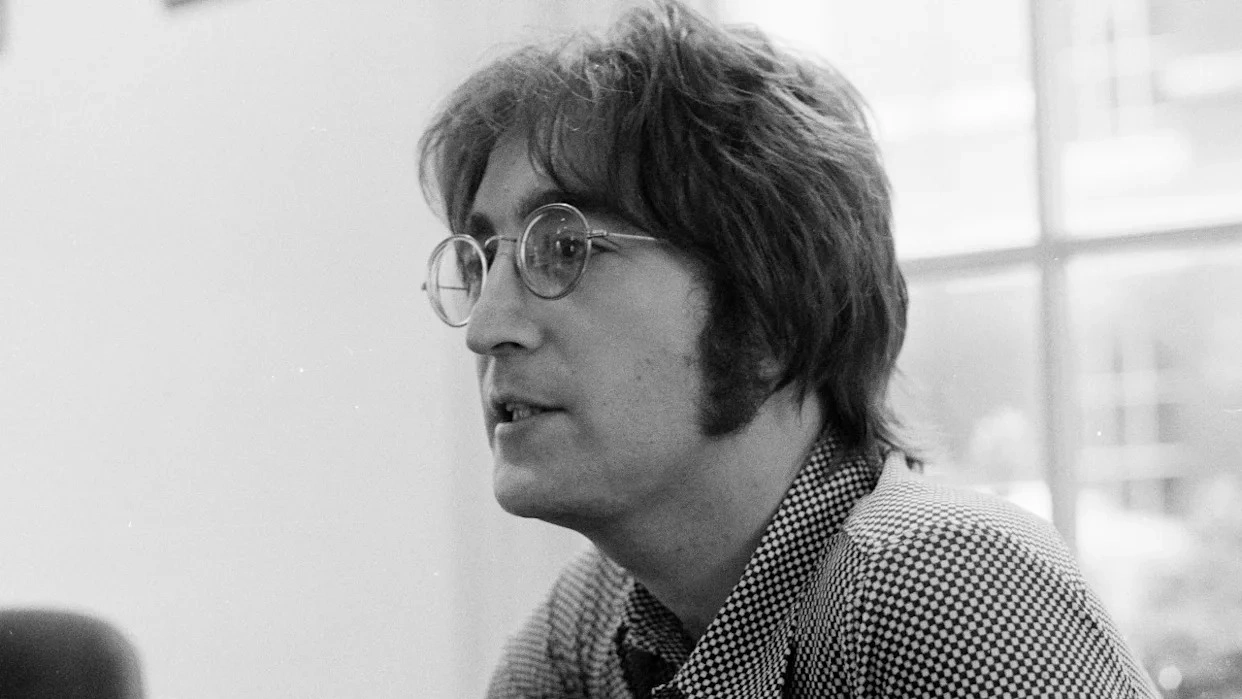

Steven Soderbergh’s John Lennon: The Last Interview rises from a ghost without shape. Its frame depends on a radio cassette recorded on December 8, 1980, a strip of sound carrying a terrible afterlife. That winter afternoon, a San Francisco KFRC crew, Dave Sholin, Laurie Kaye, and Ron Hummel, entered the Dakota apartment building in New York for a promotional conversation with John Lennon and Yoko Ono about Double Fantasy.
They arrived for publicity. They left with the last recorded echo of a life. The tape carries historical weight with almost physical pressure, since these bare voices were captured hours before Lennon was assassinated outside his home. Listening to him speak inside his present tense feels uncanny, like hearing someone breathe beside an open abyss. The film holds the viewer inside those last hours, preserving a human presence already touched by disappearance.
Domestic Geometries and Fatal Optimism
In the recording, Lennon speaks about ideology with an earnest force that approaches prophecy. He reflects on his five-year withdrawal from public life to raise Sean, taking pride in the word househusband. A quiet tension appears as his praise of domestic care meets the actual conditions of a household supported by hired nannies.
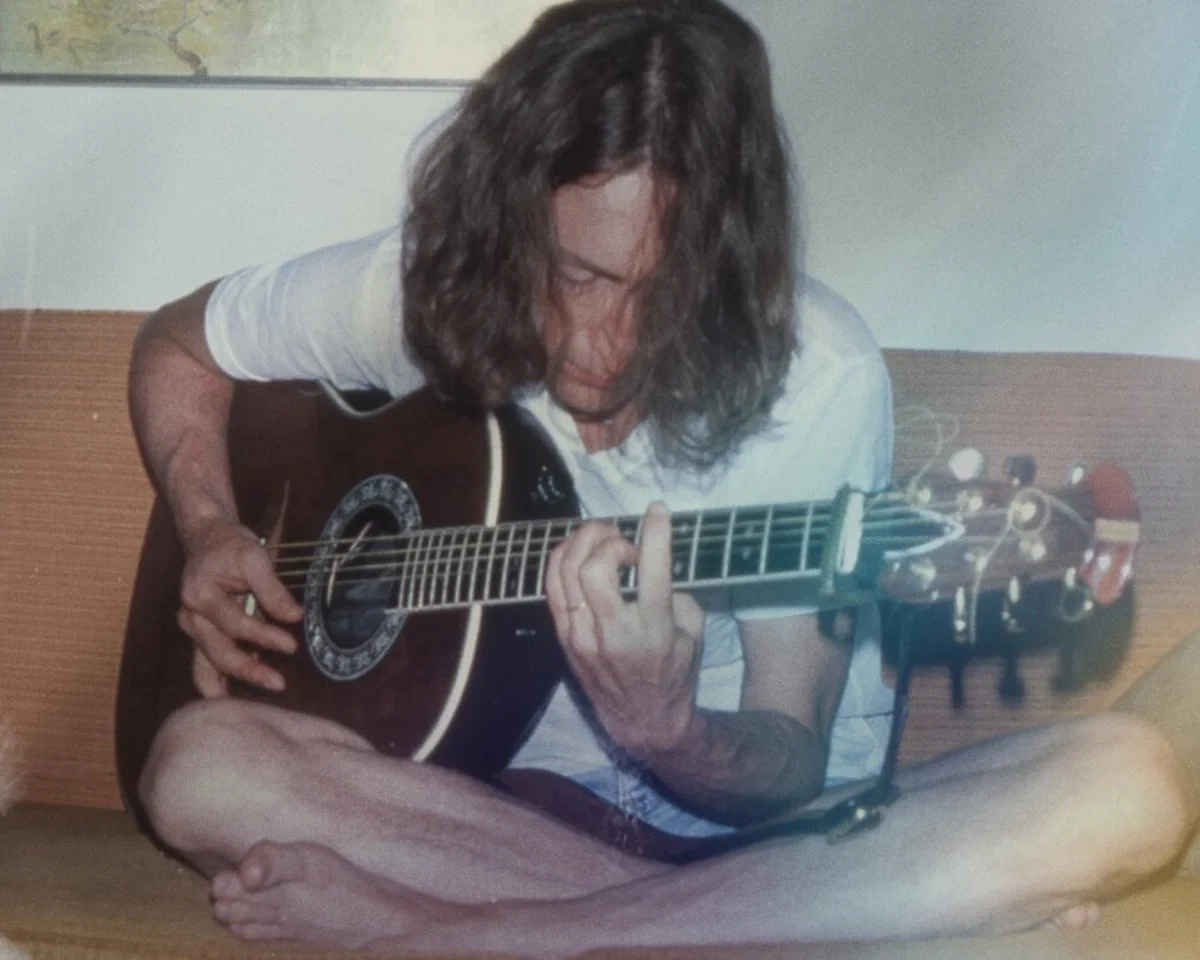
The contradiction lingers, human and privileged, neither resolved nor hidden. He widens his philosophy through “(Just Like) Starting Over,” reading the song as a large prayer for gender reconciliation after the fractures of third-wave feminism.
His mind moves toward his creative partnership with Ono, his uneasy peace with his own musical ancestry, and his surprising fondness for contemporary new wave and disco. He welcomes the changing sound of the period and rejects fixed musical categories.
A harsh dramatic irony darkens every relaxed phrase. Lennon speaks with open confidence about his safety and his plans for performing in the coming decade. He trusts the future with almost serene conviction, while the viewer knows that future is already closing around him. The conversation becomes an artifact of human possibility cut short.
The Formalist Retrieval of Lost Presence
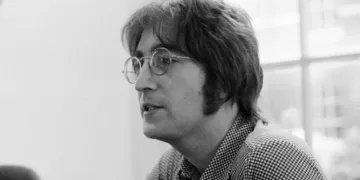
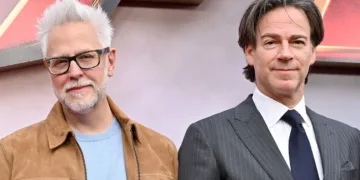
Soderbergh tries to build a cinema of spoken thought, working as cinematographer under the pseudonym Peter Andrews beside editor Nancy Main. Their task carries a paradox: turning a sound recording into a feature-length visual experience. The film uses over one thousand archival photographs and historical clips to give the cassette a body.
Its pacing is fast, nearly breathless, with images cut against individual words and musical beats. Old materials receive heavy digital treatment. The screen flickers with watercolor effects, synthetic flashes of light, and artificial color frames around aging images. This kinetic method can tire the eye, turning memory into a fevered mosaic. The soundtrack adds sixty-four musical selections to keep the tape in motion.
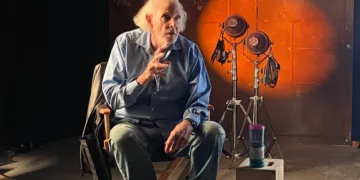
Between these archival passages, the surviving KFRC staff appear in present-day interviews. Soderbergh places these older journalists against stark white backdrops, removing nearly every trace of environment. The choice separates living witnesses from the dream haze of the past, creating a severe divide between those who remember and the dead figure suspended in amber.
Algorithmic Surrealism and the Ghost in the Machine
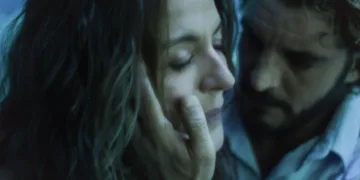
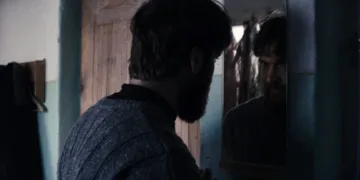
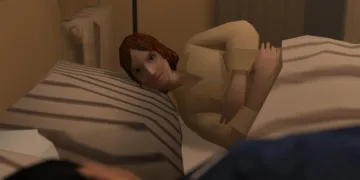
The film’s most disputed formal decision lies in its use of artificial intelligence video generation software developed by Meta, which fills roughly ten percent of the runtime. Soderbergh applies these algorithmic images to abstract philosophy, away from documented historical events and literal archival work. The sequences move into strange theatrical surrealism.
The software produces heavily muscled cavemen to mock traditional masculinity, crying infants dressed in counterculture clothing, and blooming floral patterns meant to suggest traditional theatrical dance formations. Their artistic value remains uncertain, perhaps even fragile. A troubling friction forms between technological ease and real aesthetic feeling. By choosing automated generation over hand-drawn animation or live performers, the film enters a barren visual territory.
These passages often feel emotionally thin, at times close to disposable internet media. The artificial images do little to deepen Lennon’s philosophical questions. They place a cold synthetic veil between voice and viewer, raising a darker question the film never fully answers: can memory be rebuilt by code without losing the soul that made it worth preserving?
John Lennon: The Last Interview premiered yesterday on May 16, 2026, at the Cannes Film Festival as a Special Screening. The project is currently seeking official theatrical and streaming distribution in the United States and global markets, meaning a wider commercial release format remains unannounced. Viewers can keep an eye on festival circuits or forthcoming streaming announcements from sales agents to watch the completed documentary.
Where to Watch John Lennon: The Last Interview (2026) Online
Title: John Lennon: The Last Interview
Distributor: 193, CAA
Release date: May 16, 2026
Running time: 97 minutes
Director: Steven Soderbergh
Writers: Steven Soderbergh
Producers and Executive Producers: Nancy Saslow, Steven Soderbergh
Cast: John Lennon, Yoko Ono, Laurie Kaye, Dave Sholin, Ron Hummel
Director of Photography (Cinematographer): Peter Andrews
Editors: Nancy Main
Composer: John Lennon, Yoko Ono
The Review
John Lennon: The Last Interview
John Lennon: The Last Interview captures a voice dancing on the edge of the abyss. The vocal archival recording stands as a haunting monumental relic, radiating human warmth against the cold finality of fate. Soderbergh honors the speech with structural precision, yet the visual choices obscure the poetic aura. The artificial imagery creates a hollow distance, transforming sacred memory into automated artifice. It is a piece wounded by its own experimental tools.
PROS
- Intimate, deeply moving audio material from Lennon's final hours.
- Rich collection of rare historical photographs and archival family snapshots.
- Strong, emotional contemporary reflections from the original KFRC radio crew.
- Fast, rhythmic editing choices that maintain oral momentum.
CONS
- Jarring and aesthetically unappealing artificial intelligence video sequences.
- Literal-minded illustrations of abstract conversational philosophies.
- Synthetic imagery creates an awkward distance from the human subject.
- Heavy visual manipulation of still photographs occasionally exhausts the eye.