




















![Kingdom Hearts Collection [I-III] Review](https://gazettely.com/wp-content/uploads/2026/10/Kingdom-Hearts-Collection-I-III-1-360x180.webp "Kingdom Hearts Collection [I-III] Review: KHII Holds Steady as Newer Entries Fluctuate 33")





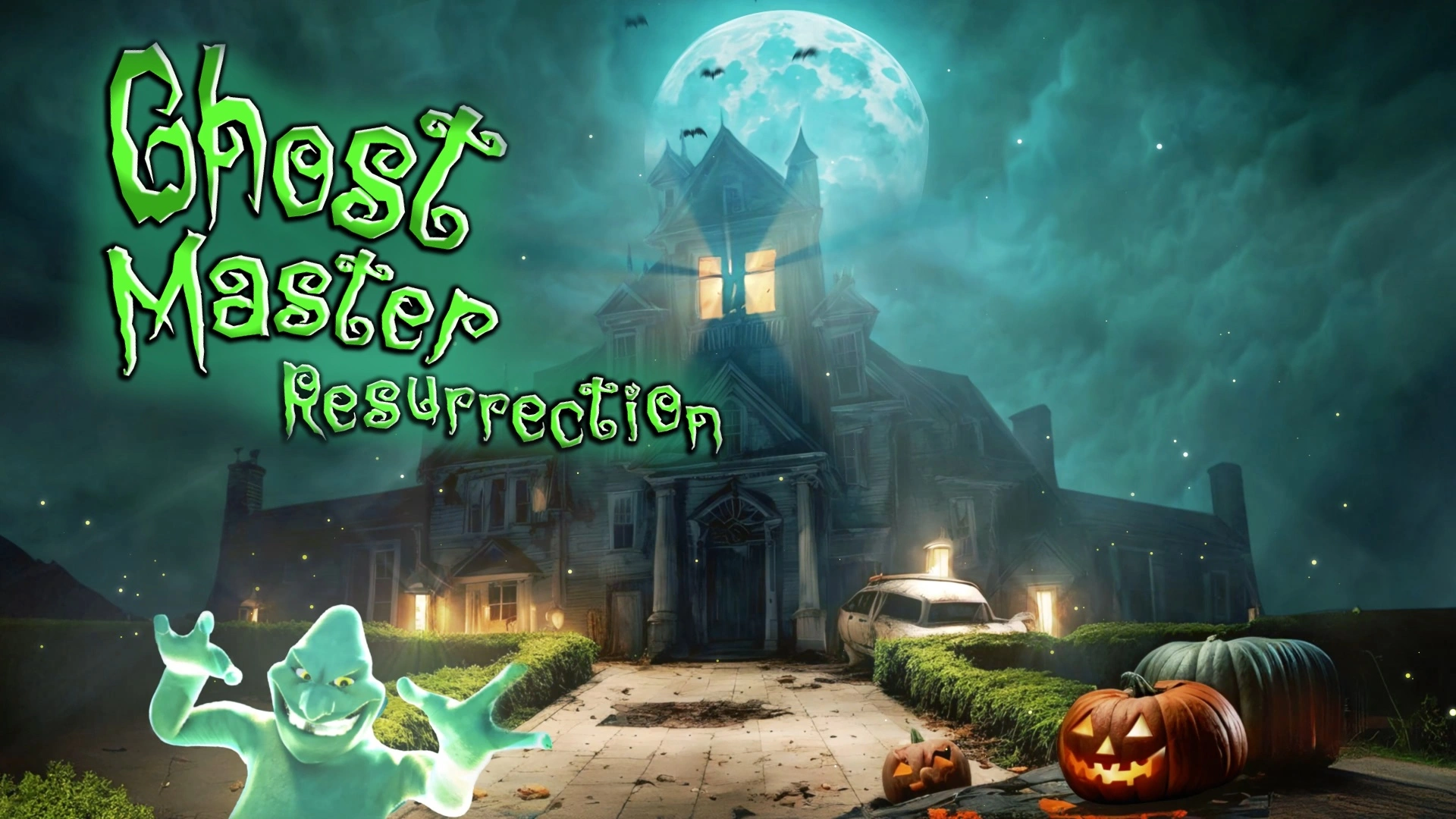

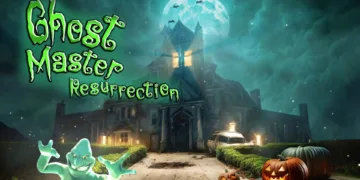
Ghost Master: Resurrection walks into 2026 with a full remake of the cherished 2003 puzzle-strategy game. Developed by Mechano Story Studio and published by U&I Entertainment, the release brings back a cult favorite that built a loyal audience on PC and European consoles over two decades ago. The player takes command as the Lord of Terrors, a role built around mischievous authority. The task is clean and wicked: direct an army of specters and push the living residents of Gravenville into total panic.
The design works like a reverse-management sim, with tactical haunting taking the place of city construction or resource stockpiling. You send ghosts, screaming banshees, and troublesome gremlins into haunted spaces, then shape each location into a pressure cooker of fear. The appeal comes from watching small systems lock together.
A quiet evening becomes a psychological nightmare through timing, placement, and the careful reading of mortal behavior. Its campy, playful tone recalls classic spooky cinema, where the creatures get the spotlight and the humans supply the reactions. The remake replaces the old engine with a newer foundation, giving a fresh audience access to the odd strategic pleasure of weaponized poltergeist activity.
The Tactical Anatomy of a Haunting
Success here starts with observation. From an isometric view, players study the living residents, track their routines, and decide where each scare can create the greatest emotional shock. The ghost roster gives the strategy its texture. Nimble sprites, heavy elementals, chilling vapors, and terrifying horrors each arrive with different scare talents, so choosing a team before a haunting carries real mechanical weight.
The Fetter system gives that planning a sharp edge. Spirits stay tied to anchors that suit their elemental nature, which turns the environment into part of the tactical interface. A water spirit may need a plumbing fixture. A gremlin works through an electrical grid. Certain horrors belong in yards or specific rooms.
Fear becomes Plasma, the resource that powers spectral abilities through a tiered ladder. A high-level command triggers lower-tier powers automatically, shaped by each ghost’s discipline and behavior. That structure makes every haunting feel like a small systems puzzle, where spectacle depends on setup.
Recruitment expands the environmental play. Trapped spirits hide inside levels, and freeing them works through self-contained puzzles. Players must read conditions, test the space, and release those entities before they join the permanent roster. The tutorial gives basic guidance, then the game asks the player to learn through experiment. As the challenge rises, a single scare gives way to chained reactions. A small temperature drop can combine with a power failure, and that pairing can push a mortal toward madness. The fun comes from treating fear like a design language.
Campaign Architecture and Modern Content Models
The campaign covers 11 core locations, giving Gravenville a spread of vulnerable buildings and spaces. The story is simple and stiff, acting as connective tissue between missions. That approach fits the old-school B-movie flavor, where mood and immediate play matter most.
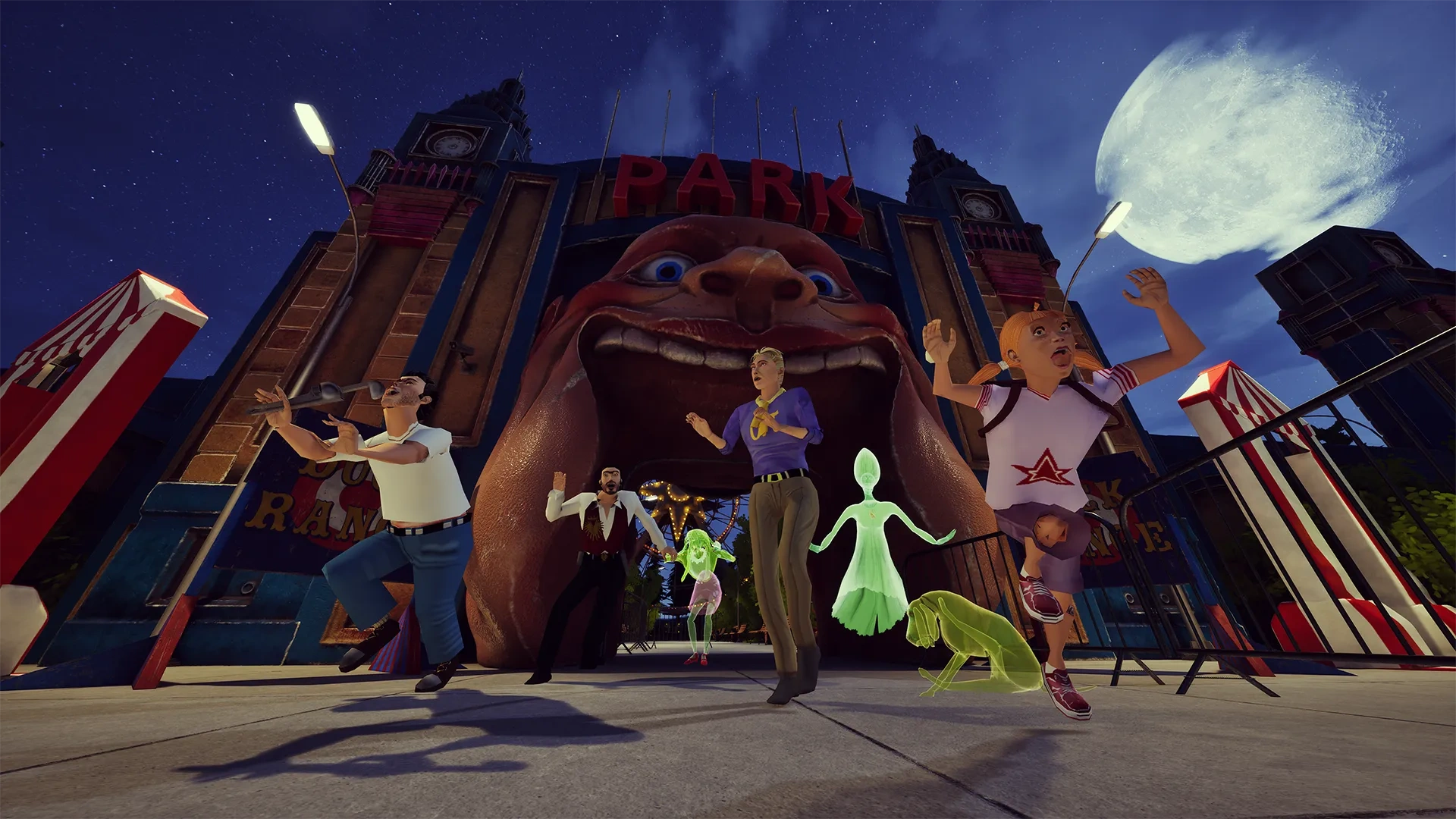
Map layouts return across the campaign, a choice that risks fatigue. The game keeps those revisits active through new goals and changed mortal behavior. Returning to a familiar space with different rules creates a fresh tactical read, especially for players chasing high scores. That structure suits a strategy game built around mastery, because repetition becomes useful once the variables shift.
The Resurrection Core Edition contains the baseline campaign and two bonus formats. Until Dawn creates a fast challenge built around terrifying every mortal before sunrise, pushing the player toward speed, clean routing, and efficient scare chains. Random Play removes predictability by changing ghost lineups, level selection, and human placement, forcing quick adaptation. Both modes make the systems easier to revisit, which matters for a remake of a game whose charm sits in experimentation.
The post-launch plan points to 12 total expansions. A Season Pass will deliver monthly content drops across 2026. This distribution model changes the scale of the revived game compared with the original release, turning a self-contained classic into a tactical experience designed for continued play.
Polished Aesthetics and Technical Friction
The new engine gives the remake sharper textures and stronger lighting, helping the haunted spaces carry an eerie mood. Those upgrades sit beside preserved legacy elements. Character models keep their angular geometry, and animations remain tied to the early 2000s codebase.
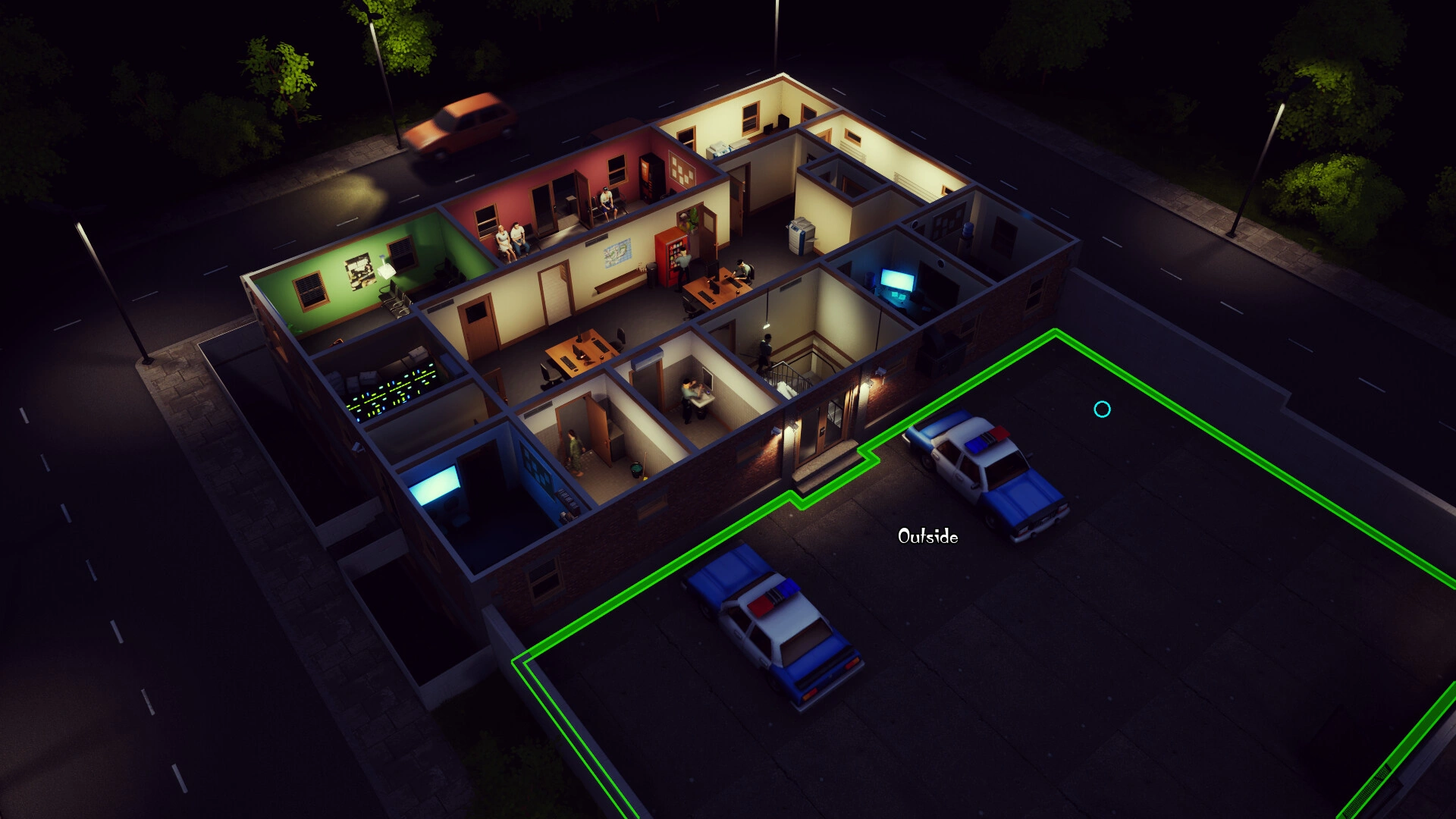
The result has a strange charm: part restoration, part time capsule. By modern standards, it can look dated. That stiffness also keeps the game connected to its old identity. The audio carries much of the personality, with comic pop culture nods to classic horror cinema, catchy background music, and expressive localized voice acting.
The PC version struggles with optimization. Powerful hardware, including an RTX 5080 paired with a Ryzen 7 9800X3D at 4K resolution, can still hit clear bottlenecks, with frame rates falling below 60 frames per second. The game also has a firm 144 frames per second cap, and the menus provide no uncapped frame rate option.
Console versions on Nintendo Switch, PlayStation 5, and Xbox Series X/S have their own issues. The interface began as a mouse-and-keyboard strategy layout, and controller translation feels awkward. Submenu movement depends on clumsy button combinations, which slows tactical action during high-pressure moments.
The Review
Ghost Master: Resurrection
Ghost Master: Resurrection successfully updates a brilliant reverse-strategy formula, preserving the puzzle mechanics that made the original a beloved classic. The Fetter system and spirit synergies remain deeply rewarding for tactical thinkers. However, severe PC optimization flaws and awkward console controller mapping hinder the execution. The outdated animations and paper-thin narrative show the game's age. It remains an enjoyable trip down memory lane for patient tacticians.
PROS
- Clever puzzle-strategy mechanics centered on tactical scaring.
- Improved environmental lighting and sharper texture quality.
- Entertaining variety of distinct ghost types and ability combinations.
- Generous bonus modes included in the base package.
CONS
- Poor optimization causing severe frame drops on high-end PCs.
- Clunky interface navigation and awkward console controller inputs.
- Rigid legacy animations that feel significantly outdated.
- Weak tutorial that leaves complex systems unexplained.