




























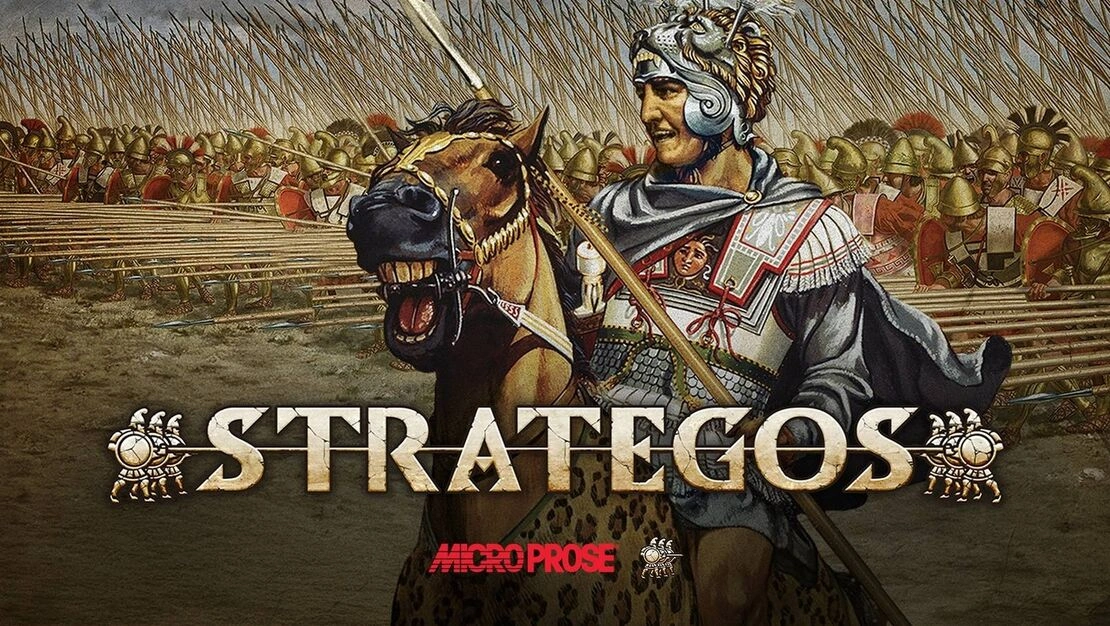

Orders travel through Strategos like objects with weight, speed, and risk. That single design choice does most of the work in separating this Early Access real-time tactics game from the obvious Total War comparison. From a distance, Strategos looks familiar: ancient armies form lines, cavalry waits on the wings, archers test the front, and generals stand behind formations pretending everything is under control. The difference is that control has a body here.
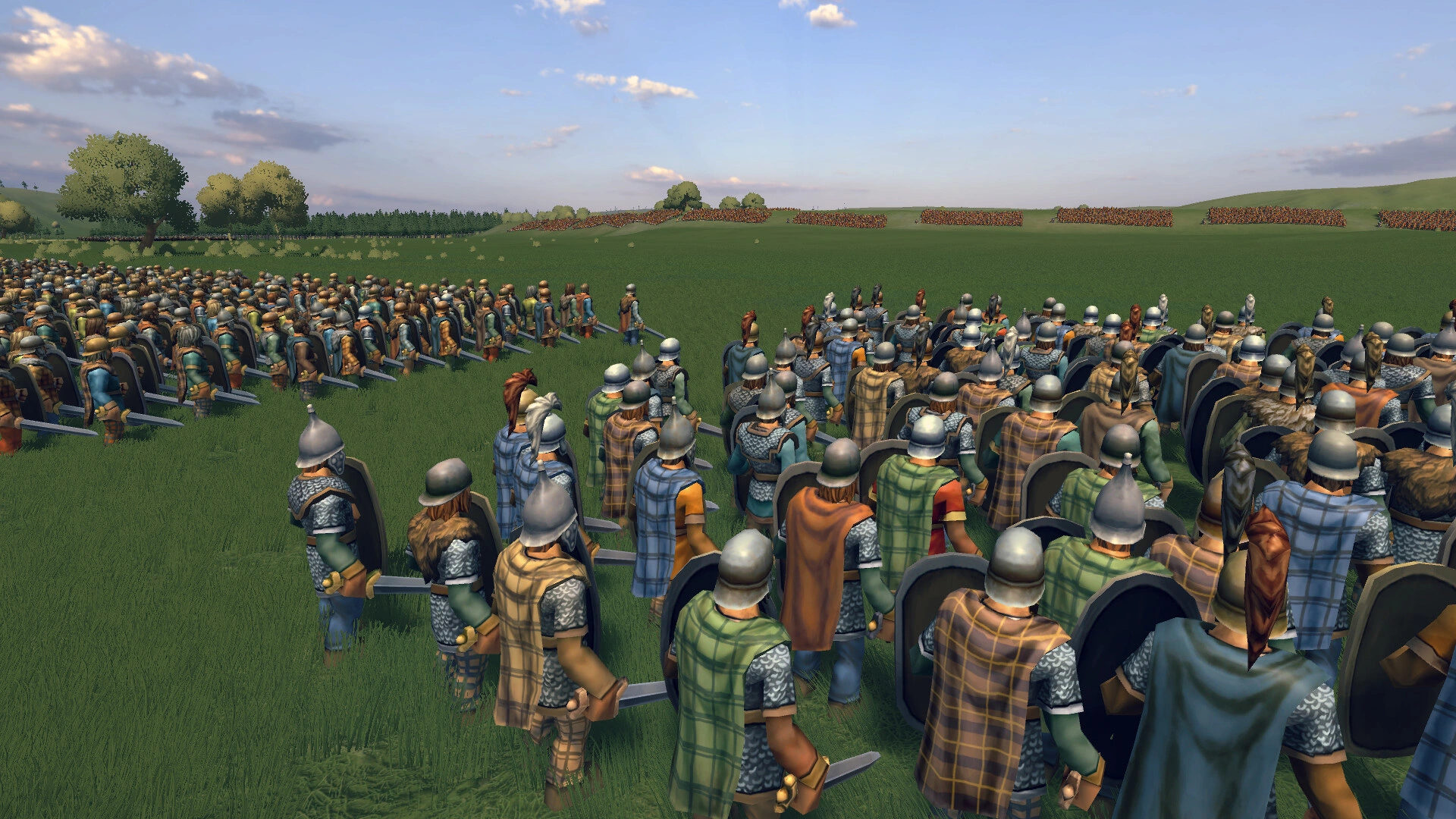
Developed by Strategos Games and published by MicroProse, Strategos is a 3D real-time tactics wargame set in antiquity, with around 120 factions and 250 units. That scale matters, since it gives players plenty of matchups to test, from hoplite-heavy Greek forces to cavalry-led armies that rely on mobility and timing. Yet the size of the roster is less interesting than the way orders move across the battlefield.
Units within verbal range of a commander respond quickly. Units outside that range need a courier. The courier runs the order across the field, and that delay can turn a useful command into a historical mistake. A cavalry reposition that would have saved a flank ten seconds ago might arrive after the infantry line has already bent. A retreat order may reach a unit after cohesion has collapsed. Strategos makes command feel like logistics rather than telepathy.
The General Is the Interface
The smartest system here is the general. In many real-time tactics games, the commander is a morale source, a hero unit, or a buff with legs. Strategos makes him the hinge between intention and action. Keep him far behind the line and he survives, but orders crawl through the courier network. Move him closer and the army becomes sharper, faster, easier to steer. He may also die.
That risk changes the player’s relationship with the battle. You are not simply selecting units and fixing mistakes as they happen. You are deciding which parts of the field deserve immediate attention, then accepting that other parts may drift beyond your grasp.
The best moments come from this pressure. A general placed close enough to coordinate infantry and archers can keep a front together with small, timely corrections. Push him too close to a collapsing flank, and one unlucky engagement can turn the command structure into a mess.
Couriers support this idea without demanding busywork. They are dispatched automatically, and their finite number forces restraint. That is where the design becomes quietly clever. Strategos does not ask you to click faster. It asks you to issue fewer bad orders. The system punishes panic in a way that feels readable: if every unit needs new instructions at once, the problem started several decisions earlier.
Terrain Changes the Conversation
Terrain in Strategos is not decoration. Elevation, vegetation, waterways, soil, forests, hills, and rivers all affect how armies move and fight. Dismounted archers can pass through forested areas with less trouble than cavalry, while mounted units lose their cleanest advantage when forced through trees or difficult ground. A formation sent across awkward terrain may reach the target late, stretched, or exposed.
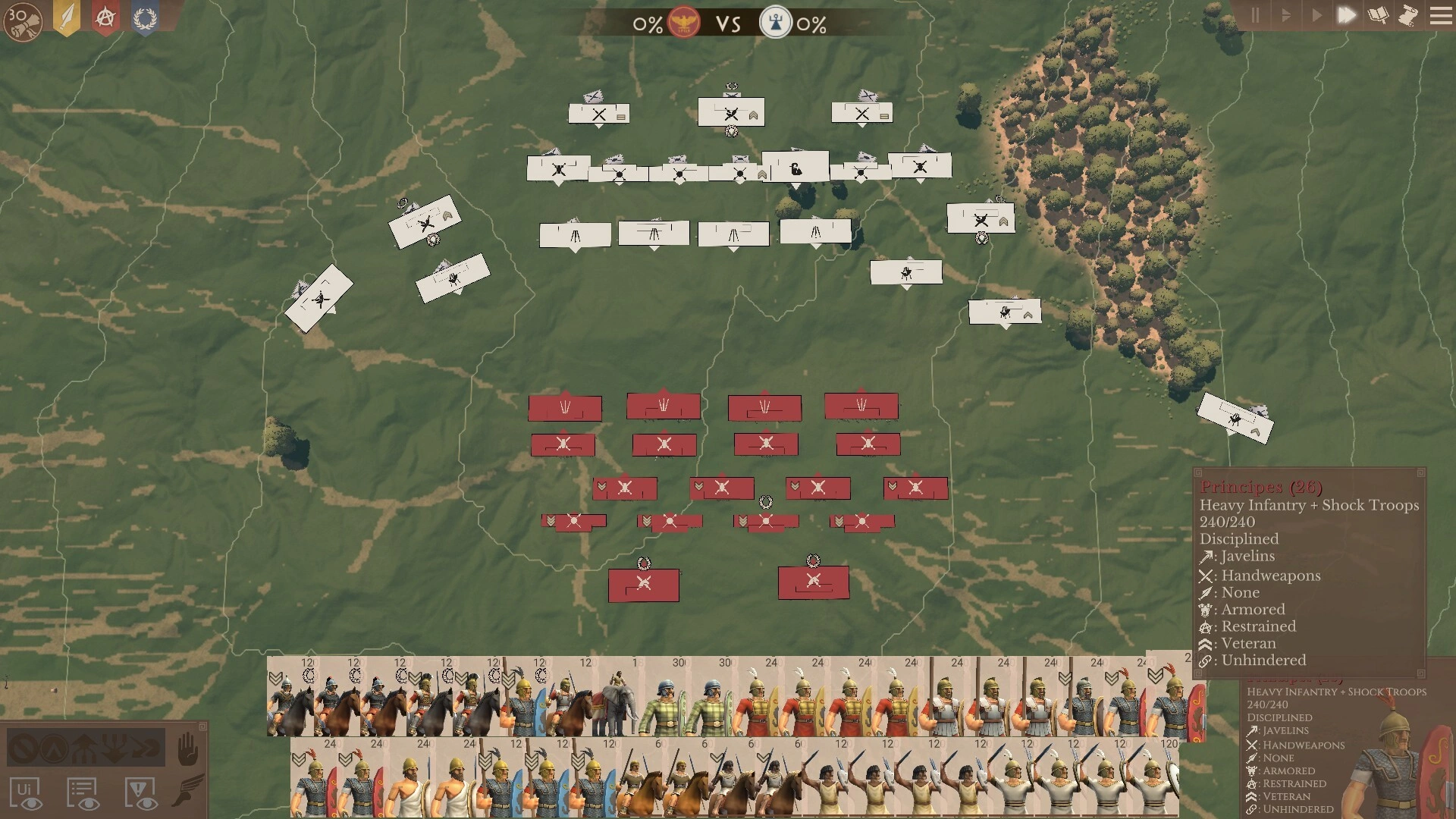
This matters because units have a degree of autonomy once the battle starts. Infantry marching toward a planned position may encounter a concealed enemy and charge to protect itself. That single reaction can break the shape of your line. A flank that looked secure during the staging phase can open because one unit made a sensible local decision that created a larger strategic problem.
For a systems-driven tactics game, this is valuable friction. Strategos lets the player set a plan, then tests how well that plan survives contact with terrain, timing, and unit behavior. The result is less tidy than a traditional RTS, but it gives battles a convincing rhythm. You are not puppeteering every soldier. You are managing an army that has its own habits, delays, and survival instincts.
The Impact Problem
The weakest part of Strategos is not the logic of combat. It is the way combat communicates that logic. When units clash, the game appears to lean heavily on cohesion checks, casualty calculations, and background resolution. The outcomes often make sense. The sensation can feel strangely muted.
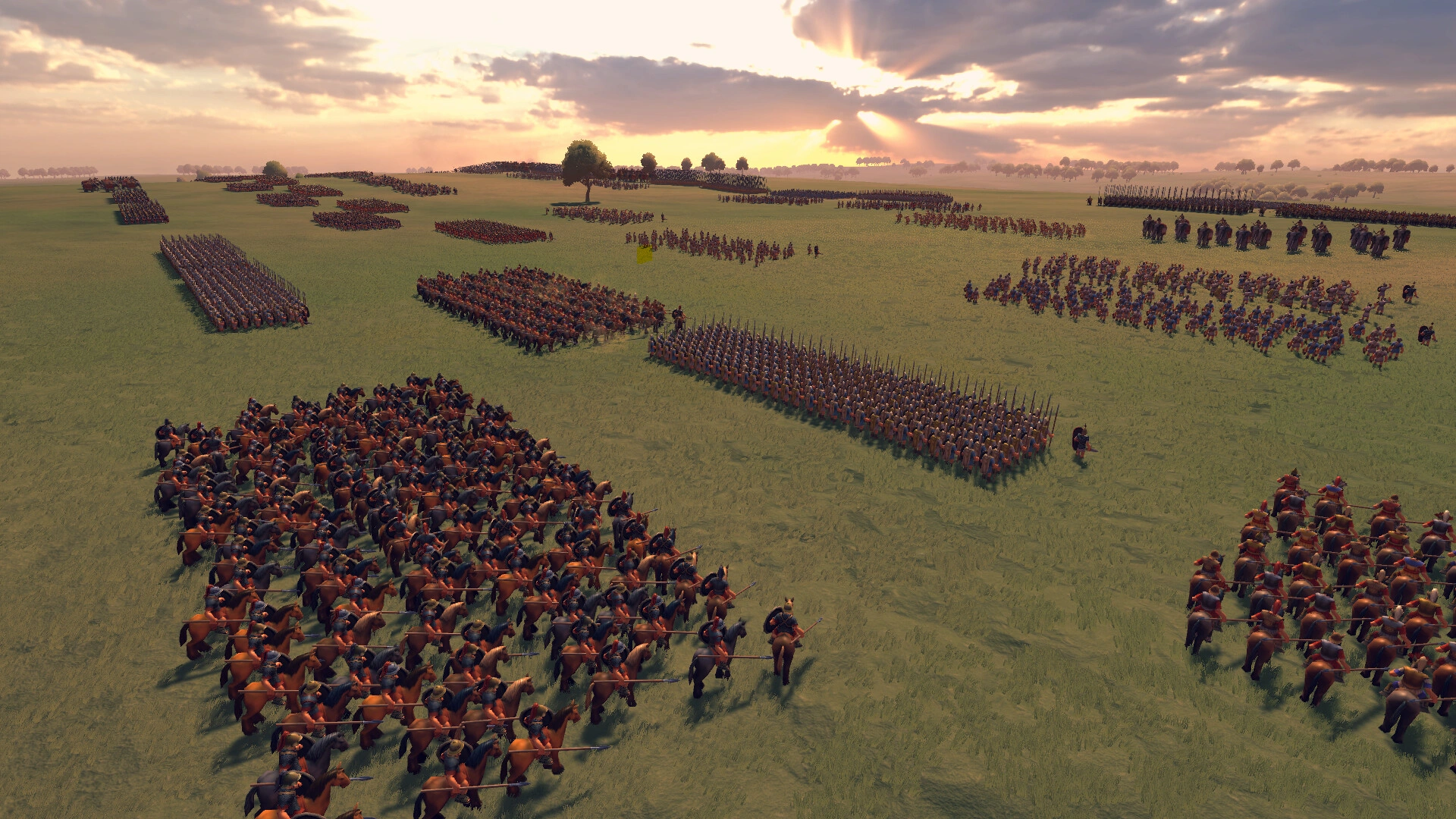
This is clearest with cavalry. A hammer-and-anvil maneuver should be one of the great pleasures of an antiquity tactics game: infantry pins the enemy, cavalry hits the flank, and the formation breaks under pressure. In Strategos, the tactical result can happen, but the visual language does not always carry the force of it. The cavalry arrives, the unit engages, a cohesion result triggers, and the enemy may rout. What is missing is the felt impact of the charge, the physical shock that makes the system’s success satisfying to watch.
That gap matters because Strategos is real-time. If the game asks players to manage timing, positioning, and delayed orders in the heat of battle, the payoff needs to be legible in motion. The current combat model can feel like a strong tabletop engine wearing a real-time skin. For players who value simulation above spectacle, that may be fine. For players drawn in by the visual promise of massed ancient armies, some victories may land softer than they should.
Campaigns Without Continuity
Strategos has campaigns, but they function as linked battles rather than a grand strategic layer. There is no empire management, no diplomacy, no settlement economy. Before certain missions, you can choose between unit options within fixed slots, which gives some room for customization without breaking each army’s identity. The missing piece is continuity.
Losses and unit condition do not meaningfully carry from one mission to the next, so the campaign structure lacks the attachment that can make a tactical force feel personal. If a cavalry unit saves the day at Chaeronea, the game does not build a strong memory around that unit. The next battle resets too much of the emotional ledger.
The tutorial does a solid job introducing the basics, and the Manual tab, oddly tucked under Miscellaneous, contains useful information about unit efficiency and modifiers. That manual transparency helps, since Strategos has enough hidden math that players need reliable reference points.
Presentation is stronger than its budget suggests. Units are colorful, maps are readable, and the tabletop quality gives the game a distinct texture. Animations sometimes look charming, sometimes dated. Performance still needs work, with high-end hardware reportedly struggling to hold smooth frame rates at full anti-aliasing. The audio has music, battle cries, hooves, and steel, but the lack of unit barks makes selection, orders, and routing harder to read than they should be.
The AI already gives Strategos much of its single-player value. It skirmishes, retreats, uses ranged pressure, and punishes isolated formations. Multiplayer feels like the obvious missing mode for a game built around custom matchups and tactical experimentation, but the current AI keeps the battles from feeling like empty drills.
Strategos is at its best when it treats command as a system with limits. Couriers, generals, terrain, autonomy, and delayed reaction all feed into the same design idea: war is not clean control. The rough edges are real, especially in combat feedback and presentation polish, but the structure underneath is sturdy enough to make every successful order feel earned.
The Review
Strategos
Strategos works because its best systems make command feel physical. Couriers, verbal range, finite orders, terrain penalties, and autonomous unit behavior all turn ancient combat into a readable chain of cause and consequence. Its weak spot is feedback: cavalry charges and cohesion breaks often resolve through numbers the player senses rather than impact the player feels. Still, for tactics fans who want battlefield simulation over numbers empire management, this Early Access build already has a strong core.
PROS
- Strong courier command system
- Meaningful terrain effects
- Huge faction and unit roster
- Smart, aggressive AI
- Useful unit autonomy
CONS
- Combat impact can feel muted
- No real grand campaign
- Missing multiplayer
- Performance needs work
- Audio feedback lacks unit barks