

























![Kingdom Hearts Collection [I-III] Review](https://gazettely.com/wp-content/uploads/2026/10/Kingdom-Hearts-Collection-I-III-1-360x180.webp "Kingdom Hearts Collection [I-III] Review: KHII Holds Steady as Newer Entries Fluctuate 37")



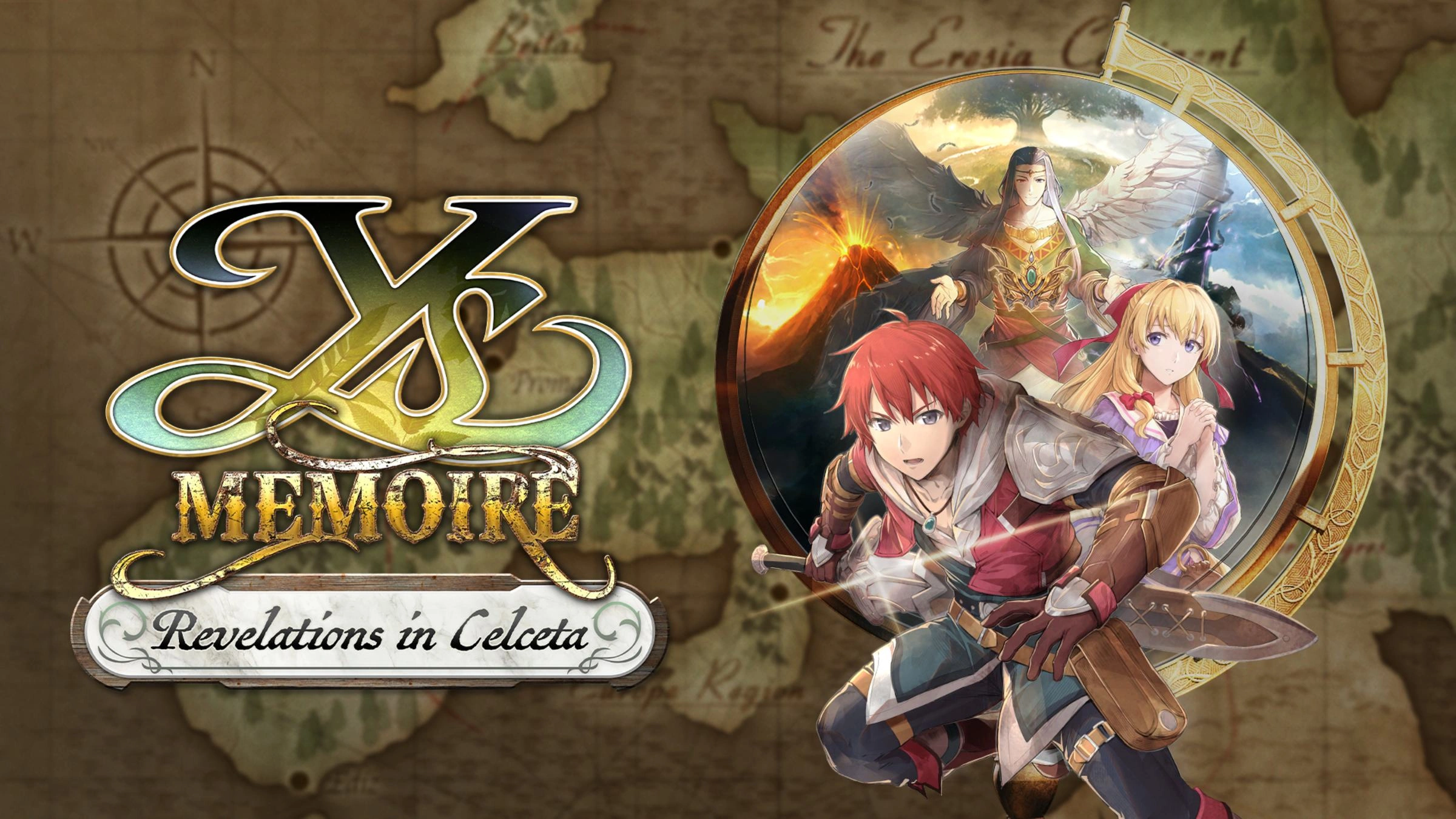

Adol Christin, the red-haired swordsman, arrives in Casnan with his identity and history erased. He has come back from the Great Forest of Celceta, a region known for killing those who enter it. Duren, an information dealer, recognizes him and arranges a meeting with the Romun army’s local governor. She gives Adol the enormous assignment of mapping the uncharted wilderness.
That setup grounds a reimagined version of the fourth chronological chapter in the Ys series. The story follows Adol as he returns to the forest, recovering fragments of memory and uncovering secrets buried in the brush. Along the way, you meet indigenous tribes and recruit a varied cast of companions as the region’s history takes shape. The game moves quickly, avoiding the excess that often slows modern role-playing games.
Its focused structure lasts about twenty hours. That compact scale reflects a Japanese design philosophy built around momentum over size. The amnesia setup works as a mechanical bridge between player and hero. You and Adol enter Celceta with the same lack of knowledge, which makes exploration feel naturally aligned with his personal recovery.
Cartography as Identity and Labor
The main loop focuses on the Map of Celceta. As you move through the undergrowth, the parchment fills in based on your position. The game rewards careful movement through every corner of the terrain. Reaching specific milestones lets you claim currency or rare components from the local administration. This turns wandering into organized work, giving exploration a clear rhythm and material value.
Glowing orbs called memories appear across the landscape. Touching them triggers glimpses of Adol’s past. These sequences provide key story context and give permanent improvements to stats such as health or attack power. The system creates a direct connection between mental recovery and physical growth, which gives character progression a cleaner narrative purpose than simple numbers on a menu.
The world is built from large zones linked through loading screens. Colored monuments allow quick travel between distant points of interest. During these trips, you gather minerals and biological parts that feed the crafting systems. Materials can be refined to improve equipment or create accessories.
These changes extend past basic power gains. Weapons can be infused with status effects such as freeze or poison, giving routine fights a sharper tactical layer. That added depth makes standard encounters easier to manage without slowing the pace. Some municipal tasks are time-sensitive and disappear if the story moves ahead too quickly. That pressure gives the larger mapping assignment a constant sense of urgency, especially as the work of charting Celceta begins to feel tied to authority, territory, and control.
Rhythmic Cooperation and the Action Party
Combat happens in real time with a three-person party. You control one leader as the other two act on their own. The active character can be swapped instantly, which keeps battles fast and reactive. The right analog stick lets you adjust teammate behavior, signaling aggression or total defense.
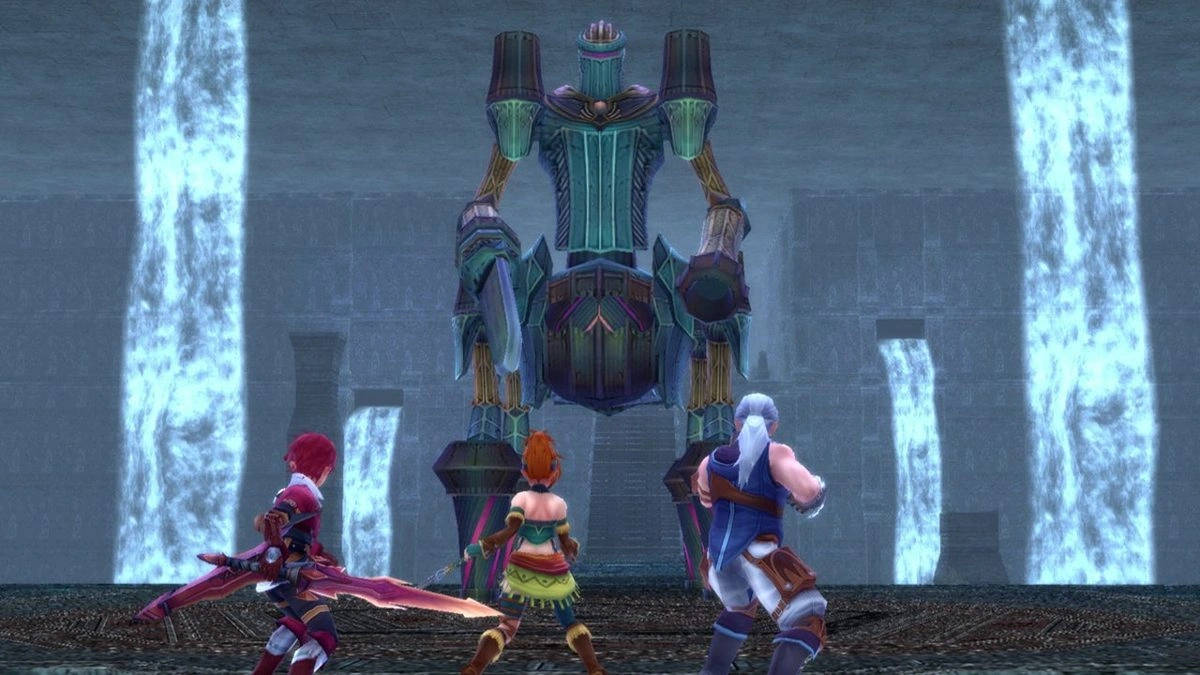
Each fighter uses one of three damage types: Slash, Pierce, or Strike. Most enemies are weak to one of these attributes. Smart play asks you to cycle through companions and exploit those weaknesses as they appear. That system gives the party structure a practical purpose, since each member serves a clear combat role.
Basic attacks build energy for special skills. Four techniques can be assigned to button combinations for quick use. The toughest fights depend on two timing systems: Flash Guard and Flash Move. Flash Guard activates when you block at the exact moment an attack lands. It cancels damage and opens a short window of guaranteed critical hits. Flash Move triggers when you dodge at the last possible second.
Time slows for enemies while your team keeps moving freely. Mastering these reflex-based systems becomes essential in boss fights, where enemies often have large health pools and specific weak points. Some encounters ask you to break a limb before the main target becomes exposed.
The combat style is fast, loud, and messy in a productive way. It rewards positioning, aggression, and speed over the slower calculation of turn-based systems. The result carries the frantic charge of contemporary action cinema. It also keeps player choice grounded in immediate action. Choosing the right party member, reading enemy weaknesses, and timing defense correctly all feed into the story’s larger sense of survival in a hostile wilderness.
Preservation and the Handheld Legacy
This release updates a game first designed for the PlayStation Vita. Its handheld origin remains visible in the simple environmental textures and character models. The image stays clean and readable within those limits. On Nintendo Switch, the software holds a steady sixty frames per second.
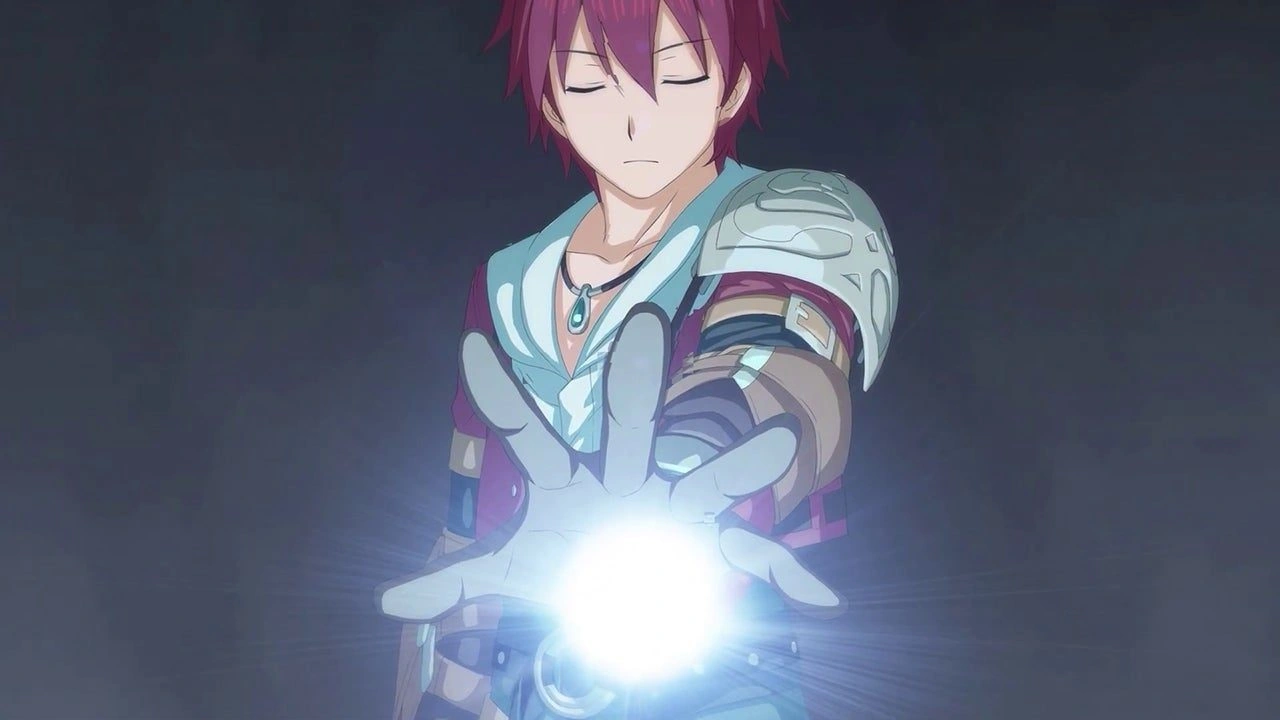
That stability matters because the combat depends on speed, timing, and clarity, especially during intense sequences filled with particle effects. The technical performance supports the mechanical design, allowing Flash Guard, Flash Move, and rapid character swaps to feel dependable.
The audio receives a meaningful upgrade. You can switch between the original score and a newly arranged version. Both versions use the driving rock and orchestral sound that shaped the series identity for decades. Voice acting appears in selective moments.
Major scenes may include full dialogue, while smaller interactions depend on text or short vocal cues. This creates an uneven dramatic texture, since the game shifts between voiced story beats and quieter text-driven exchanges.
Several quality-of-life features are absent. The game lacks auto-save, so progress must be recorded manually at monuments. There is no way to accelerate exploration or dialogue speed. Other recent remasters from the same developer included those tools. The interface works, yet it has no dialogue log, which makes missed plot details harder to recover.
Handheld play gives the game its most pleasing visual form. The smaller screen softens the lower-resolution assets from the original handheld release and lets the clean interface, brisk exploration, and high-speed combat carry the experience with fewer visual distractions.
The Review
Ys Memoire: Revelations in Celceta
Ys Memoire: Revelations in Celceta provides a streamlined experience that prioritizes momentum and mechanical satisfaction. The fast combat and rewarding exploration offset the aging visual presentation and a narrative that lacks significant weight. The absence of modern convenience features like auto-save is frustrating. Still, the core loop remains addictive for fans of the genre. This is a polished return to a classic frontier. It succeeds as a gateway for newcomers and a nostalgic trip for veterans.
PROS
- Fast, satisfying real-time combat.
- Addictive mapping and exploration systems.
- Exceptional rock-inspired soundtrack.
- Consistent 60fps performance on Switch.
CONS
- Dated graphics and character models.
- Missing auto-save and turbo features.
- Inconsistent voice acting quality.
- Weak narrative and villains.







