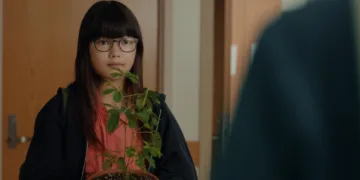

























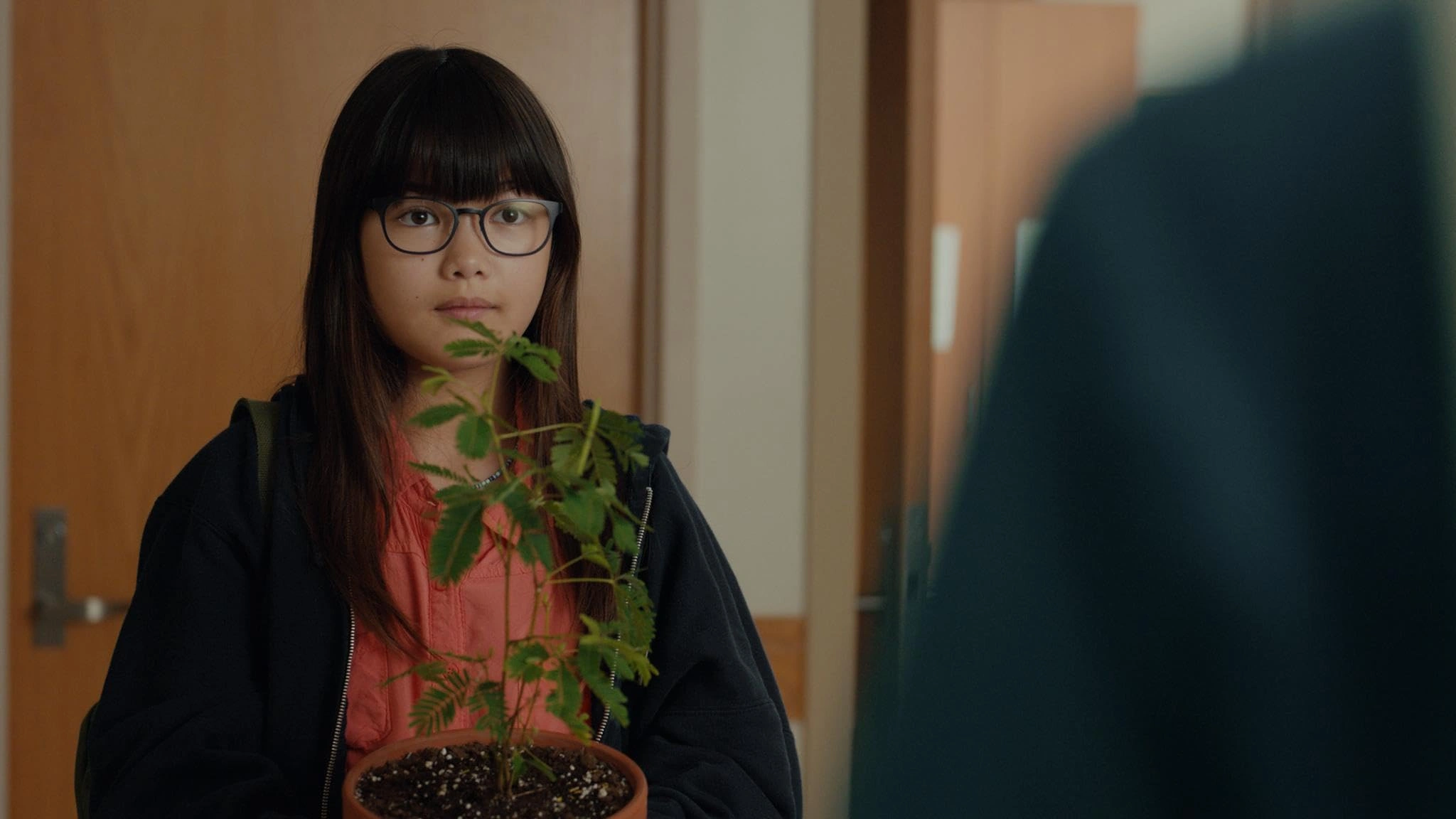

Mabel approaches childhood with a rare patience, treating preteen solitude as a private weather system rather than a problem to be cured. Co-writer and director Nicholas Ma shapes the film around Callie, played by Lexi Perkel, a biracial girl whose attachment to plants carries the weight most coming-of-age stories reserve for first friendships, crushes, or acts of rebellion. Her closest companion is Mabel, a sensitive plant whose leaves fold inward at contact. The image is plain in its symbolism, yet disarming in its accuracy.
Callie’s family move from a wooded Virginia home to a tighter suburban space in upstate New York leaves her emotionally uprooted. The forest gives way to chain stores, cramped yards, and classmates who have no patience for her botanical intensity.
Then Mrs. G, a substitute teacher with a botanist’s mind and a prickly indifference to social ease, appears like a possible answer. Mabel remains gentle in scale, attentive to small wounds and smaller repairs, finding drama in a child’s effort to stay herself while learning how to reach outward.
Callie, Mabel, and the Language of Isolation
Lexi Perkel gives Callie a guarded physicality that feels beautifully unvarnished. She hovers near classmates before speaking, misjudges tone, retreats after rejection, then hardens her face as if embarrassment can be sealed away through willpower. The performance refuses cuteness. Callie can be rude, abrupt, and exhausting, yet Perkel keeps the ache visible beneath the bristles. The film understands that social awkwardness in childhood is rarely charming to the person living through it. It is exposure.
Mabel, the Mimosa pudica, functions as Callie’s mirror without needing much explanation. Its leaves close when touched, an instinctive defense against threat. Callie behaves in much the same fashion. New school, new town, new social codes: each contact feels like a bruise waiting to happen. Plants offer a calmer grammar. They respond to light, soil, water, and pressure. They can be studied. People, by comparison, shift without warning.
The family scenes sharpen this loneliness. Angela, Callie’s mother, is loving but often baffled by the force of her daughter’s fixation. She wants Callie to have friends, to adapt, to be safe in the ordinary ways parents recognize. David’s work absences leave Angela carrying much of that worry alone, which makes every misunderstanding feel heavier. The move itself becomes a quiet violence, replacing Callie’s open, wooded world with a suburban arrangement that feels too neat, too observed, too human.
Mentorship, Friendship, and Uneven Growth
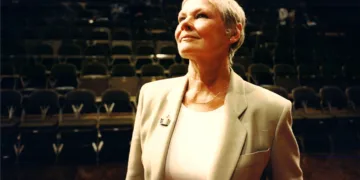
Judy Greer’s Mrs. G enters the film as the kind of adult Callie has been waiting for: severe, curious, uninterested in small talk, alive to the secret intelligence of plant life. She gives Callie access to a language that does not make her feel strange. Through Mrs. G, botany becomes a discipline rather than a quirk, a possible future rather than a social liability. The teacher’s remarks on plant communication and experimentation ignite something in Callie that school has failed to touch.
Yet the film is wise enough to keep Mrs. G imperfect. She is no glowing inspirational figure. Her own withdrawal from people suggests a life narrowed by the very habits Callie romanticizes. In that sense, she becomes both mentor and cautionary shape.
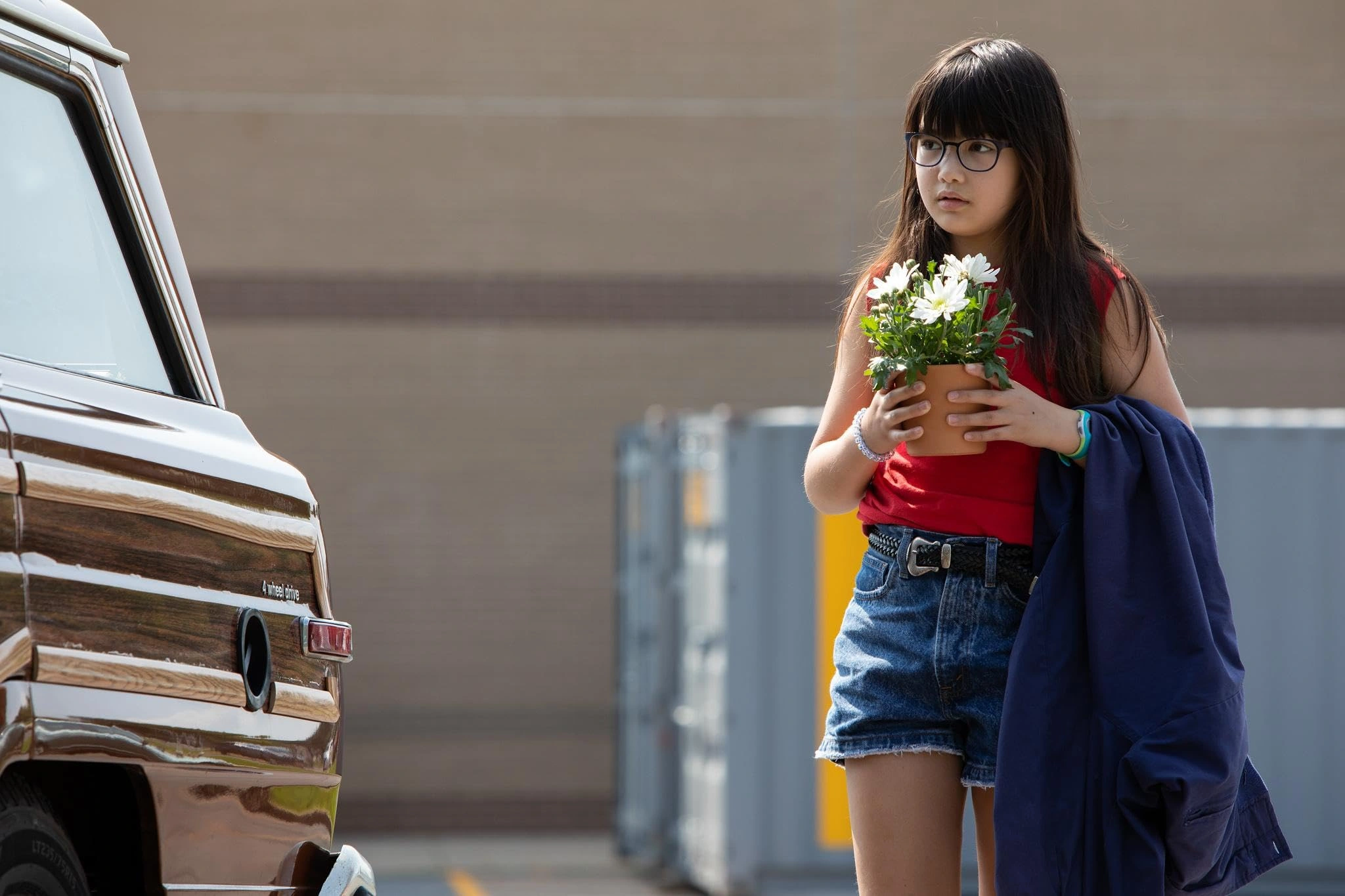
Callie’s chrysanthemum experiment, growing flowers in darkness, reflects this tension. It is scientific inquiry, private obsession, and emotional displacement all at once. Her sneaking into an older class and secretly buying far too many flowers show passion spilling into recklessness.
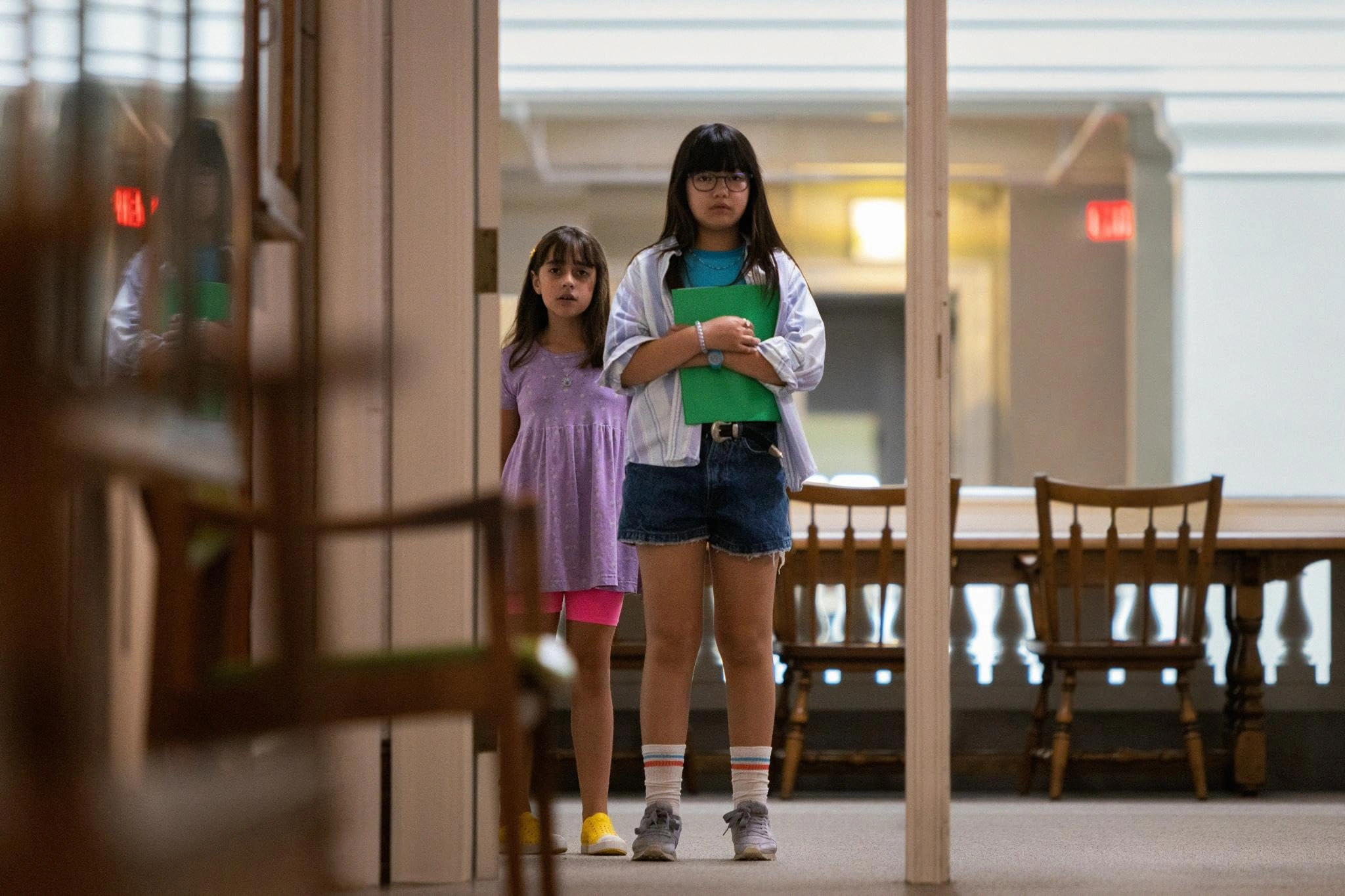
Agnes, Callie’s younger neighbor, brings a softer challenge. Cheerful, open, and eager for friendship, she does not share Callie’s botanical fervor, yet she keeps showing up. Their bond becomes the film’s most delicate human thread because Agnes does not ask Callie to become ordinary. She simply asks to be seen. Callie’s growth rests there, in the difficult act of shifting attention away from her own hunger for recognition long enough to recognize another person’s need.
Green Worlds, Small Sounds, and the Ethics of Growing Up
Ma’s direction has a tender visual logic, aided by Mark Jeevaratnam’s cinematography. The camera studies leaves, stems, soil, petals, insects, and damp textures with the seriousness of portraiture. Macro images give the plant world a sense of motion and interior life, making nature feel emotionally readable through Callie’s eyes. The greenery does not decorate the story. It gives the story its rhythm, its refuge, and its moral vocabulary.
The sound design works with similar restraint. Callie’s stomping through the house, sharpened in the mix, turns frustration into percussion. It is a small choice, yet it captures the bodily excess of preteen anger: the way feeling arrives before language, the way a hallway can become a stage for fury. Mabel is strongest in such sensory details, where childhood is rendered through texture rather than explanation.
The film’s metaphors are direct, especially the sensitive plant’s habit of closing and learning through repeated contact. That plainness suits the material. Childhood does not always arrive wrapped in elegant ambiguity. Sometimes the lesson is visible, sitting in a pot on a windowsill. Mabel respects Callie’s oddness without sanding it down into inspirational polish. Its finest insight is that connection need not require surrender. A child can grow toward others while keeping her strange, necessary roots intact.
Mabel is an American coming-of-age drama film that made its festival debut at the San Francisco International Film Festival on April 28, 2024, before being distributed across the United States by Tribeca Releasing on April 17, 2026. Directed by Nicholas Ma in his narrative feature debut, the story follows Callie, an awkward and isolated pre-teen who struggles to adapt after her father’s job forces the family to relocate to a sterile suburban neighborhood. Finding human communication difficult, Callie seeks comfort in her intense fascination with botany, choosing a small potted mimosa pudica plant named Mabel as her singular companion. When her science teacher introduces her class to the intriguing concept of plant intelligence, Callie builds a secret backyard greenhouse to conduct botanical experiments, an obsession that soon strains her relationship with her mother and challenges her ability to form real-world human friendships. Audiences can watch the indie drama by renting or purchasing it digitally on major platforms such as Amazon Prime Video and Apple TV.
Where to Watch Mabel (2024) Online









Full Credits
Title: Mabel
Distributor: Tribeca Releasing, Tribeca Films
Release date: April 28, 2024 (San Francisco International Film Festival premiere), April 17, 2026 (United States theatrical and digital release)
Rating: TV-PG
Running time: 84 minutes
Director: Nicholas Ma
Writers: Joy Goodwin, Nicholas Ma
Producers and Executive Producers: Helen Estabrook, Luca Borghese, Ben Howe
Cast: Lexi Perkel, Christine Ko, Judy Greer, Quincy Dunn-Baker, Lena Josephine Marano, Jim Santangeli, Marilyn Busch, Erica James
Director of Photography (Cinematographer): Mark Jeevaratnam
Editors: Alex Kopit, Arturo Sosa
Composer: Tom Kingston
The Review
Mabel
Mabel is a tender, perceptive coming-of-age drama that finds quiet power in Callie’s guarded bond with the natural world. Nicholas Ma treats childhood oddness with respect, while Lexi Perkel gives the film a prickly, aching sincerity. Some metaphors are plainly drawn, but their directness fits a story this gentle. With graceful visuals, warm performances, and a sharp sense of emotional displacement, Mabel grows into a small, lovely film about adaptation, friendship, and staying true to one’s strange roots.
PROS
- Lexi Perkel gives a natural, emotionally precise performance
- Judy Greer brings warmth and ambiguity to Mrs. G
- Beautiful nature-focused cinematography
- Sensitive handling of childhood loneliness and social awkwardness
- Strong central metaphor through the Mimosa pudica plant
- Agnes and Callie’s friendship feels tender and believable
CONS
- Some metaphors are very direct
- The story has modest stakes and a gentle pace
- Mrs. G’s arc could have been developed further
- Callie’s social growth outside her small circle feels limited