


















![Kingdom Hearts Collection [I-III] Review](https://gazettely.com/wp-content/uploads/2026/10/Kingdom-Hearts-Collection-I-III-1-360x180.webp "Kingdom Hearts Collection [I-III] Review: KHII Holds Steady as Newer Entries Fluctuate 37")



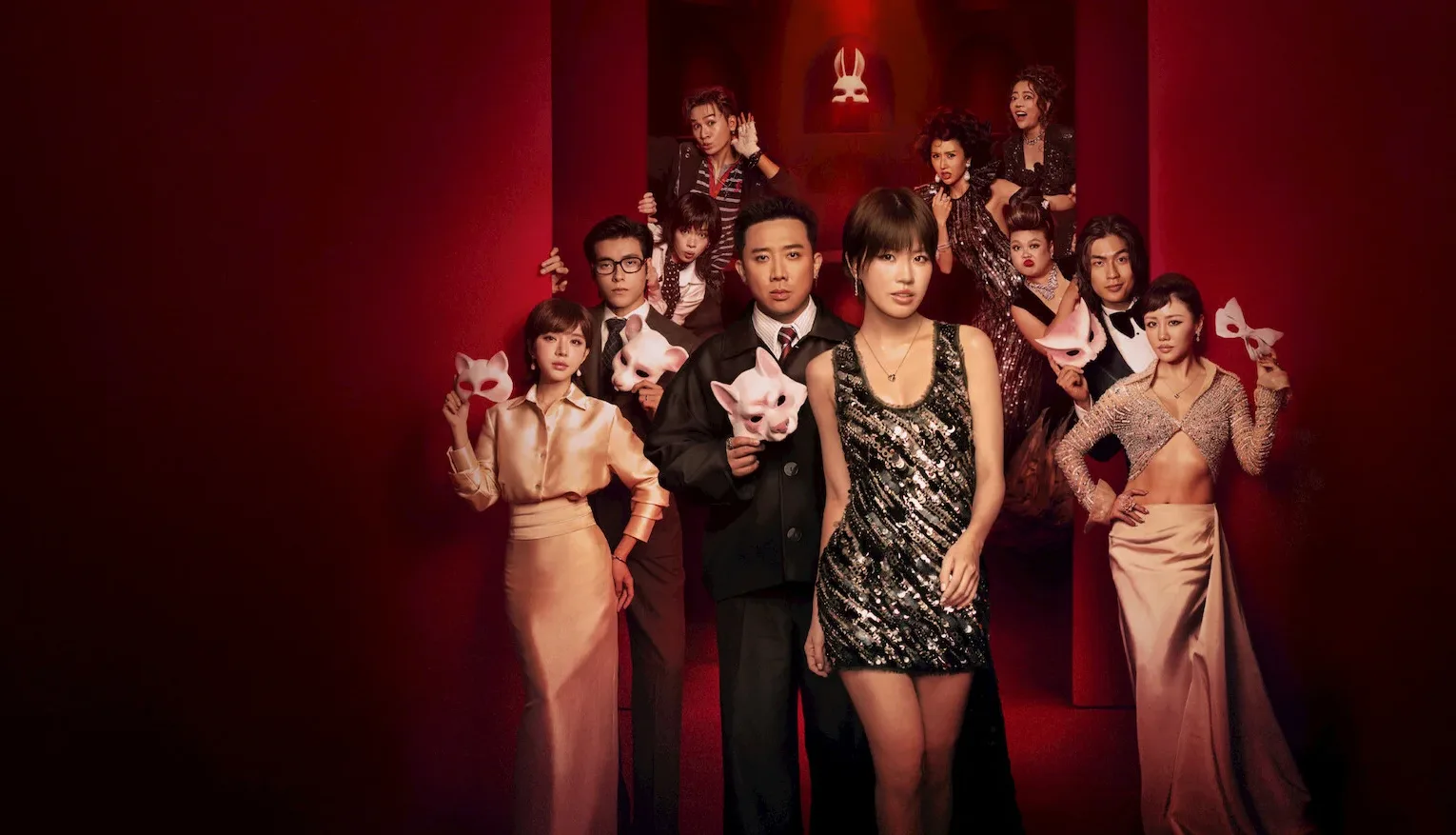

Bunny!! understands that suspicion can alter the shape of a room before anyone speaks a word. Trấn Thành’s psychological thriller places its characters under the harsh lighting of exposure, where every gesture becomes evidence and every confession carries a shadow behind it.
Hải Linh (LyLy) begins as someone who appears to have mastered the language of love. As the host of a relationship advice show, she guides masked guests through their romantic problems while presenting herself as proof that a successful relationship can exist. Her marriage to Thế Phong (Trần Lê Vĩnh Đam), a wealthy businessman, seems carefully arranged around happiness. The film immediately plants a question beneath that polished surface: what happens when the person who teaches others about love loses control of her own story?
The arrival of Nhật Hạ, known as Bunny (Pháo), fractures that image. Her appearance on Linh’s show, followed by the revelation that she may be connected to Phong, turns the program’s artificial confessional space into a personal investigation. The masks worn by the show’s guests become more than a visual choice. They represent the ways people hide within relationships, sometimes from others and sometimes from themselves.
Trấn Thành directs Bunny!! like a psychological chamber where certainty keeps slipping away. The camera repeatedly observes characters from positions that deny easy judgment. Linh is introduced as the betrayed wife, Bunny as the possible threat, and Phong as the husband caught between accusations and denial. Yet the film keeps moving those pieces around. Every revelation changes the moral arrangement. That uncertainty is where Bunny!! finds its strongest material.
The film’s relationship conflicts work because they are not limited to one marriage. Linh’s sister Hải Lan (Văn Mai Hương) and her husband Ngọc Sơn (Quốc Anh) provide a darker reflection of the central couple. Lan’s jealousy and controlling behavior create a different form of emotional violence, one that challenges the audience’s instinct to search for a single villain. The film understands that harm inside relationships rarely arrives wearing a recognizable costume.
Bunny’s own relationship with Trần Trung Kim (Trấn Thành) expands the film’s examination of love and power. Their lives exist far away from Linh and Phong’s comfortable world, and the difference between their environments quietly shapes how the characters understand affection, security, and survival. The film does not fully develop the social divide it introduces, but the visual contrast remains present in the background. The strongest weapon in Bunny!! is its uncertainty. The weakest is also its uncertainty.
Trấn Thành repeatedly rebuilds characters only to pull them apart again. Some revelations deepen the emotional conflict, while others make the shifting identities feel less like psychological discoveries and more like narrative machinery. The screenplay wants every character to carry guilt, innocence, pain, and responsibility at once. That ambition creates fascinating moral tension, though the constant reversals occasionally weaken the foundation beneath it.
The film’s visual language compensates for some of those cracks. Cinematographer Phunam creates a glossy world filled with rich colors and carefully arranged spaces, yet the beauty often feels unstable. The polished surfaces resemble the relationships themselves: attractive from a distance, fractured up close. Small details, such as Bunny’s changing appearance and her visual similarities with Linh, turn style into a reflection of identity and imitation.
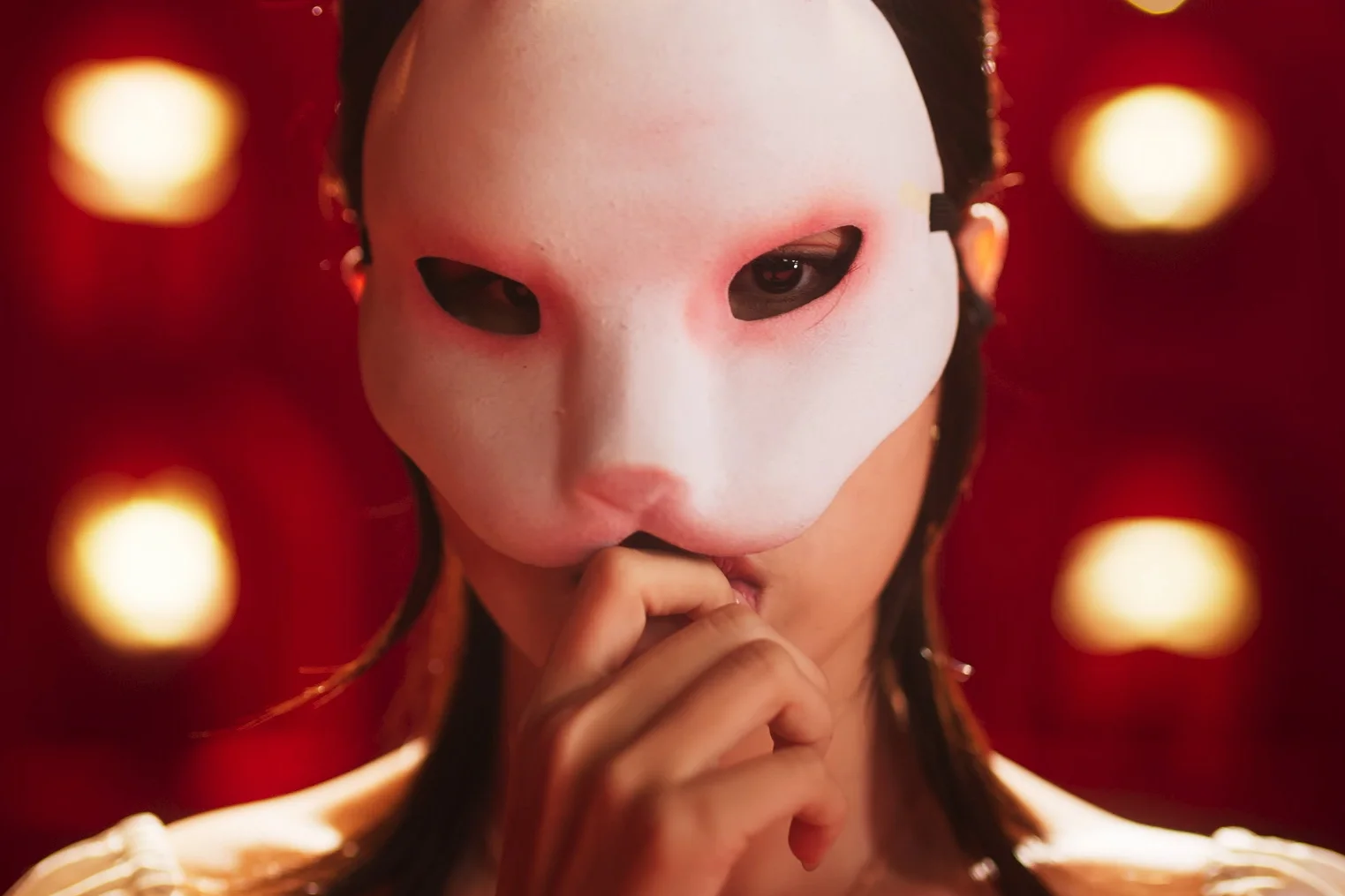
The performances hold the emotional weight. LyLy captures Linh’s collapse from confidence into confusion, allowing small changes in expression to reveal the damage beneath her public persona. Pháo gives Bunny a mixture of vulnerability and mystery, keeping the character from becoming a simple antagonist. Văn Mai Hương brings volatility to Lan, while Vĩnh Đam and Quốc Anh add different shades of emotional conflict. Trấn Thành’s Kim becomes especially memorable during the final stretch, where the film embraces its darkest impulses.
That finale is where Bunny!! fully reveals its personality. The sequence is less interested in quiet psychological resolution than in emotional impact. It pushes characters into a collision of accusations, pain, and hidden truths. The logic may not survive every turn, but the atmosphere does.
The film’s morality lives in the spaces between confession and performance. Bunny!! looks at love through a cracked mirror and refuses to show which reflection is the real one. Sometimes that mirror distorts too much. The distortion remains fascinating.
Bunny!! is a psychological thriller directed by Trấn Thành that premiered in theaters internationally on March 26, 2026, and later became available to stream on Netflix. A popular relationship advice host finds her carefully curated life upended when she meets a guest with a mysterious personal story, taking them both down a rabbit hole that leads to unimaginable consequences.
Where to Watch Bunny!! (2026) Online


Full Credits
Title: Bunny!!
Distributor: 3388 Films, Netflix
Release date: March 26, 2026
Rating: TV-MA
Running time: 2 hours 7 minutes
Director: Trấn Thành
Writers: Thao Nguyen, Trấn Thành
Producers and Executive Producers: Thao Nguyen, Trấn Thành
Cast: Trấn Thành, Pháo, LyLy, Văn Mai Hương, Quốc Anh, Vĩnh Đam, Pháp Kiều, Ali Hoàng Dương, Quang Thắng, Thanh Lam, BB Trần, Đinh Ngọc Diệp, Orange, Gil Lê, Cris Phan
The Review
Bunny!!
Bunny!! understands that a relationship can become a crime scene long before anyone enters the room with evidence. Trấn Thành frames emotional betrayal, suspicion, and identity as shifting shadows, though the film sometimes lets melodrama overpower its psychological precision. Its strongest moments arrive when the camera refuses to declare innocence or guilt, leaving every character trapped in moral ambiguity. The visual craft and performances keep the chaos compelling.
PROS
- Stylish psychological thriller visuals
- Strong moral ambiguity
- LyLy and Pháo’s performances
- Tense third act
CONS
- Overwritten dialogue
- Uneven character reversals
- Excessive melodrama
- Narrative inconsistencies