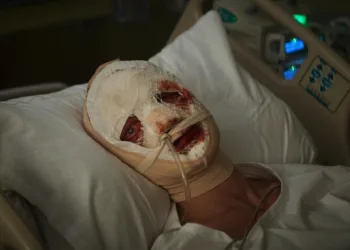

























Marcelo Lazarus wakes with a bullet lodged in his brain, no name he can trust, and fighting instincts that survived whatever erased the rest of him. Wrath, Netflix’s six-episode Brazilian sports thriller, builds its sharpest idea around that imbalance. Memory disappears. Training does not.
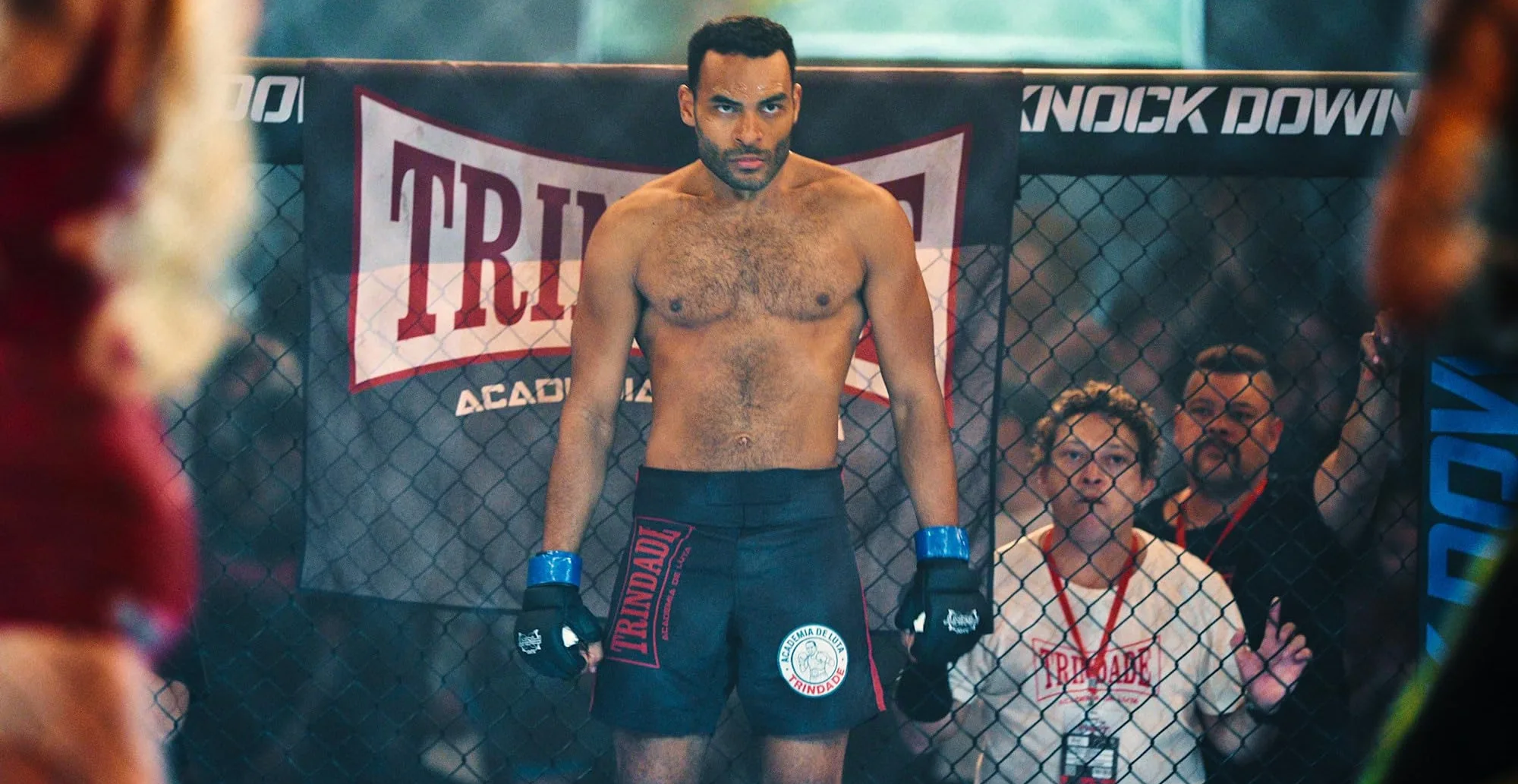
After Marcelo is chased through a rain-soaked alley and dumped among bags of rubbish, struggling gym owner Toni Trindade helps pull him back into the world. Toni gives the stranger his surname-sized second chance after hearing him repeat “Marcelo” and watching him survive a wound that should have killed him. Vinicius Neri plays the character with restless purpose. Marcelo does not sit in the hospital waiting for an identity to arrive. He finds Toni, waits outside Trindade Academy, cleans the gym, and studies every movement inside the cage.
His first sparring session with Catolé confirms what his flashbacks have only suggested. Marcelo understands distance, timing, and leverage. Then he keeps striking after the lesson has ended. The scene turns physical memory into a social problem: the same body that might save Toni’s gym may have learned violence in a place where stopping was never rewarded.
A Gym Against the Market
Trindade Academy is presented as a community institution operating under the language of sport and the economics of crisis. Toni teaches young fighters to respect opponents, yet he cannot protect his own equipment when loan shark Didi arrives to collect collateral. Discipline may shape character, but it does not settle debt. Streaming dramas love an inspirational gym. Wrath is slightly less sentimental about the unpaid bills.
Fábio Lago gives Toni the unstable authority of a man who built his moral code after violating it. He discourages Marcelo from fighting because he recognizes the symbol tattooed on his wrist, a mark tied to Club Zero and to Toni’s own years in underground combat.
His refusal is grounded in fear, guilt, and medical reality. Marcelo still has a bullet in his head. Toni knows another blow could end his life, which makes the later decision to place him in competition ethically compromised rather than purely heroic.
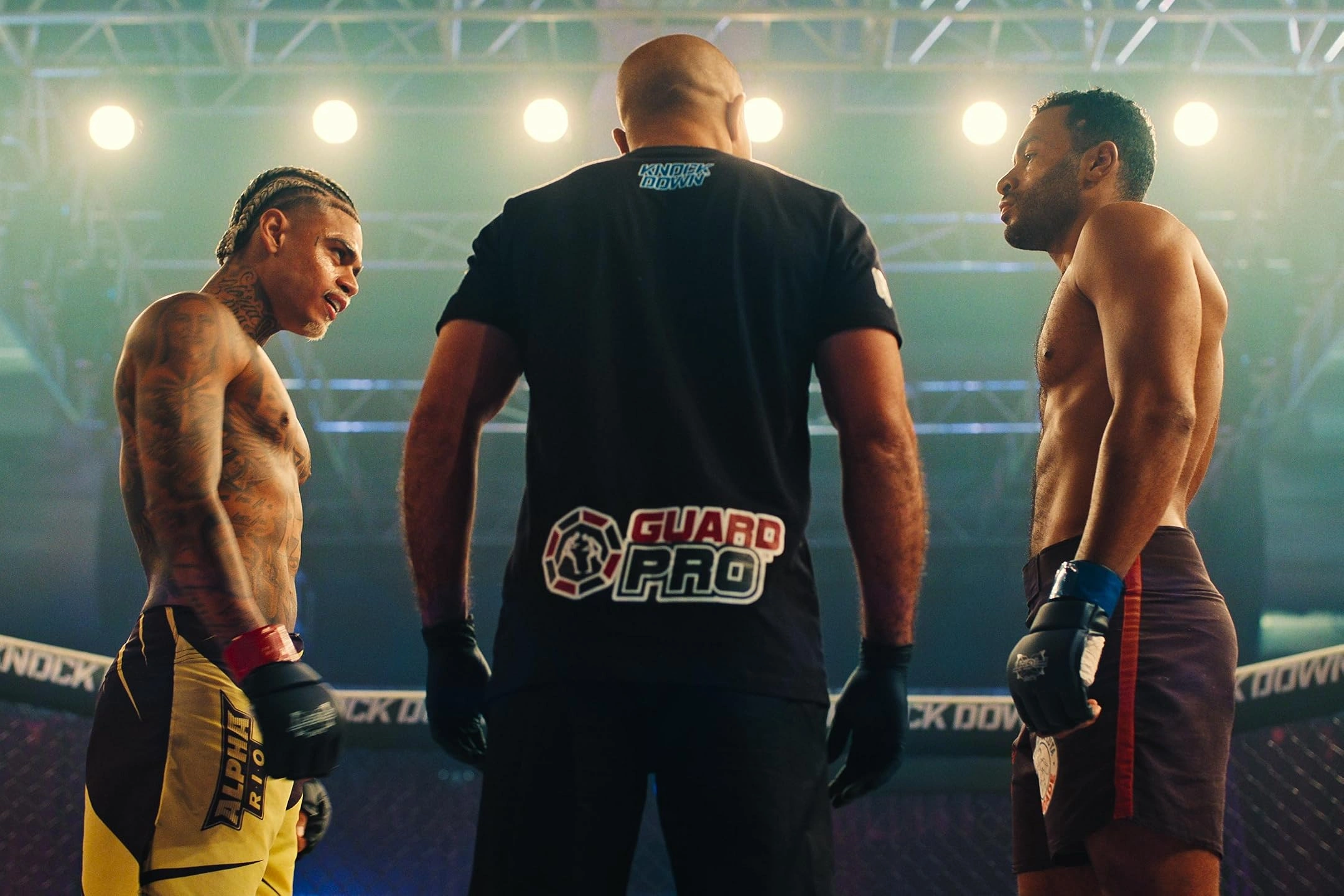
That decision comes after Júnior Malamute leaves for Alpha Rio, a wealthy rival gym run by Yana Novaes. Malamute’s defection initially looks like the familiar betrayal required by sports television, yet his explanation complicates the insult.
He supported Toni and Gabriela during Toni’s alcoholism and believes any debt between them has already been paid. MC Cabelinho gives his resentment a credible youthful edge, especially during the bar scene where he performs karaoke for Gabriela while surrounded by his new teammates. The display is petty, public, and calculated.
Alpha Rio sells fighters advancement through polished facilities and institutional access. Trindade offers loyalty without financial security. Malamute’s choice exposes the limits of treating community as compensation.
Violence With Rules
Gabriela understands Marcelo before her father does because she recognizes the scar near his eye as the mark of a gloved fist. She carries a matching scar and has already left competition to protect her mental health. Alice Carvalho gives the character a directness that cuts through the men’s speeches about honor, yet the series rarely grants Gabriela enough space beyond managing Toni, confronting Malamute, and identifying danger.
The women around the central fighters repeatedly possess knowledge the story needs, then receive thinner arcs once that information has been delivered. Yana rejects her father Henrique’s underground business and refuses to excuse his exploitation of desperate fighters. Didi enters Toni’s gym with enough theatrical force to disturb its masculine solemnity. Both characters suggest richer conflicts than the final episodes provide.
Henrique’s Club Zero turns combat into coercive labor. Fighters are drawn from poverty, illegal networks, and human trafficking, then told their participation was voluntary. That defense gives the operation its ugliest logic. Consent becomes a word powerful people use after removing every viable alternative.
The regulated bouts make this argument through action. Marcelo’s first official victory should restore hope to Trindade Academy, yet he continues beating his fallen opponent until Toni physically pulls him away. The scene asks where competitive aggression ends and conditioned brutality begins. Later matches repeat the same visual vocabulary of heavy impacts, crowd reactions, and sudden surges of rage, so individual fighters gradually lose tactical identities. The cage remains readable. It becomes less expressive.
Too Much for Six Rounds
The first three episodes move with confidence because each pressure point feeds the next. Toni’s debt makes Malamute essential. Malamute’s departure makes Marcelo necessary. Marcelo’s success makes his buried history harder to ignore. The structure keeps sport, money, and identity locked together.
The final stretch breaks that chain by introducing answers faster than the characters can absorb them. Marcelo’s past, Toni’s association with Club Zero, Henrique’s trafficking network, Yana’s rebellion, Didi’s loans, and the rival gyms all compete for resolution. Personal histories arrive through compressed flashbacks and explanatory dialogue, leaving relationships from Marcelo’s former life defined by functions such as wife, son, victim, or enemy.
Neri still gives Marcelo’s recovered memories weight through flashes of confusion and anger, while Lago makes Toni’s guilt visible whenever Club Zero is mentioned. The performances are asked to supply history the scripts have skipped. They often manage it.
The final confrontations punish the villains and clear a path for the sympathetic characters with suspicious efficiency. Complex systems of debt, exploitation, and trafficking are reduced to a group of identifiable bad actors who can be exposed or defeated. Television likes structural violence best when it has a face available for punching.
Wrath is strongest when Trindade Academy and Club Zero stand as competing institutions, each teaching bodies what they are worth. One offers care with few resources. The other offers money by treating desperation as permission. The series has enough force to stage that conflict and too little time to let it bruise.
Wrath is a Brazilian action-drama and suspense television series that premiered on Netflix on July 29, 2026. Set within the intense world of mixed martial arts, the series follows an injured man grappling with memory loss who seeks refuge with an MMA coach and steps back into the ring. Viewers can stream all episodes exclusively on Netflix.
Where to Watch Wrath Online


Full Credits
Title: Wrath (Fúria)
Distributor: Netflix
Release date: July 29, 2026
Rating: TV-MA
Running time: 45 minutes
Director: José Henrique Fonseca
Writers: Gustavo Bragança, Matheus Torreão, Clara Meirelles
Producers and Executive Producers: Fernanda Laignier, José Henrique Fonseca, Eduardo Pop
Cast: Vinicius Neri, Fábio Lago, Alice Carvalho, Eduardo Moscovis, Cláudia Raia, MC Cabelinho, Bianca Comparato, Ricardo Pereira, Babu Santana, Valentina Couto
The Review
Wrath
Wrath turns a familiar rise-through-the-ranks drama into a story about who gets protected by sport and who gets consumed by it. Trindade Academy offers discipline, belonging, and a path away from exploitation, while Club Zero converts vulnerable bodies into disposable entertainment. Fábio Lago gives that conflict a bruised human face, and Vinicius Neri sells Marcelo’s instinctive violence without reducing him to a mystery box. The six-episode structure falters once trafficking, family history, debt, and gym rivalries demand resolution at once. The early promise survives, barely.
PROS
- Fábio Lago’s volatile performance
- Strong Toni and Marcelo dynamic
- Effective early mystery
- Clear, physical fight choreography
- Trindade Academy’s communal identity
CONS
- Rushed final episodes
- Convenient conflict resolution
- Underwritten female characters
- Repetitive later bouts
- Club Zero lacks depth