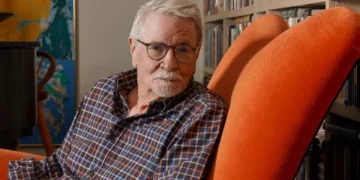

























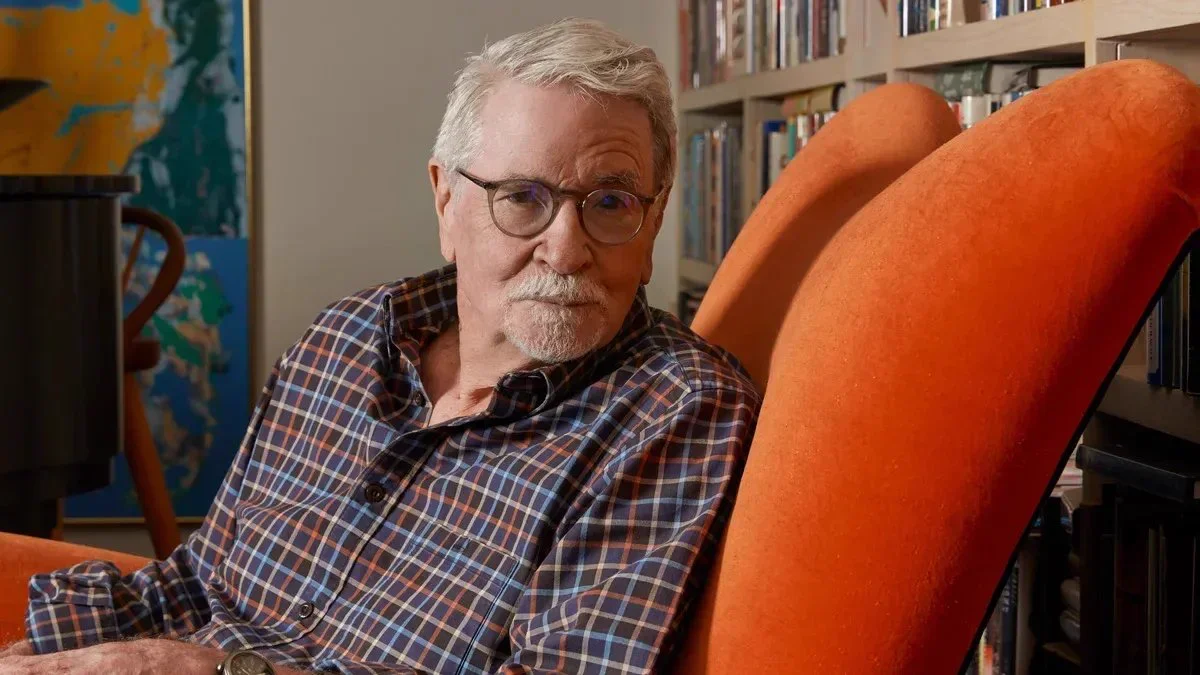

Bruce Davis, who spent more than two decades running the day-to-day operations of the Academy of Motion Picture Arts and Sciences, died Saturday evening in Los Angeles following a battle with leukemia. He was 83. His wife, Joann, confirmed his death.
Davis joined the Academy in 1981 after relocating to Los Angeles to pursue screenwriting, having previously chaired the theater department at Juniata College in Pennsylvania. He was promoted to executive administrator in 1983 and became executive director in 1989, succeeding Jim Roberts, who had held the position since 1971. Davis remained in the role until his retirement in 2011, presiding over a period in which the organization’s staff grew nearly fourfold to roughly 200 employees.
His tenure left a lasting mark on film preservation. Davis worked with the city of Beverly Hills and Academy president Robert Wise to secure the 1928 building that now houses the Margaret Herrick Library, and he later oversaw the acquisition of a 1948 television studio that became the Academy Film Archive. He was also among the earliest internal advocates for a dedicated Academy museum, a vision realized a decade after his departure when the Academy Museum of Motion Pictures opened on Wilshire Boulevard in 2021.
After stepping down, Davis spent 12 years researching and writing “The Academy and the Award,” a history of the organization published in 2022. The book offered new evidence pointing to Eleanore Lilleberg, an early Academy assistant, as the likely source of the nickname “Oscar,” tracing the name to a Norwegian army veteran she had known in Chicago and remembered for his upright bearing.
Reflecting on his three decades with the Academy at the time of his retirement, Davis told the Associated Press he had never once grown bored, and described the rush of stepping onto the red carpet on Oscar night as a feeling that never faded, even though the cameras weren’t pointed at him.
Davis was born in Washington, D.C., on March 10, 1943, and held degrees in English from Juniata College and medieval literature from the University of Maryland. He is survived by his wife and four daughters.