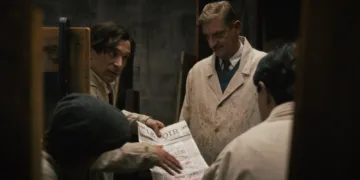




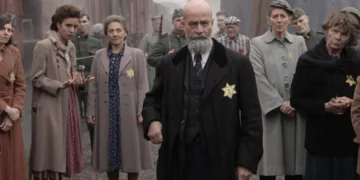











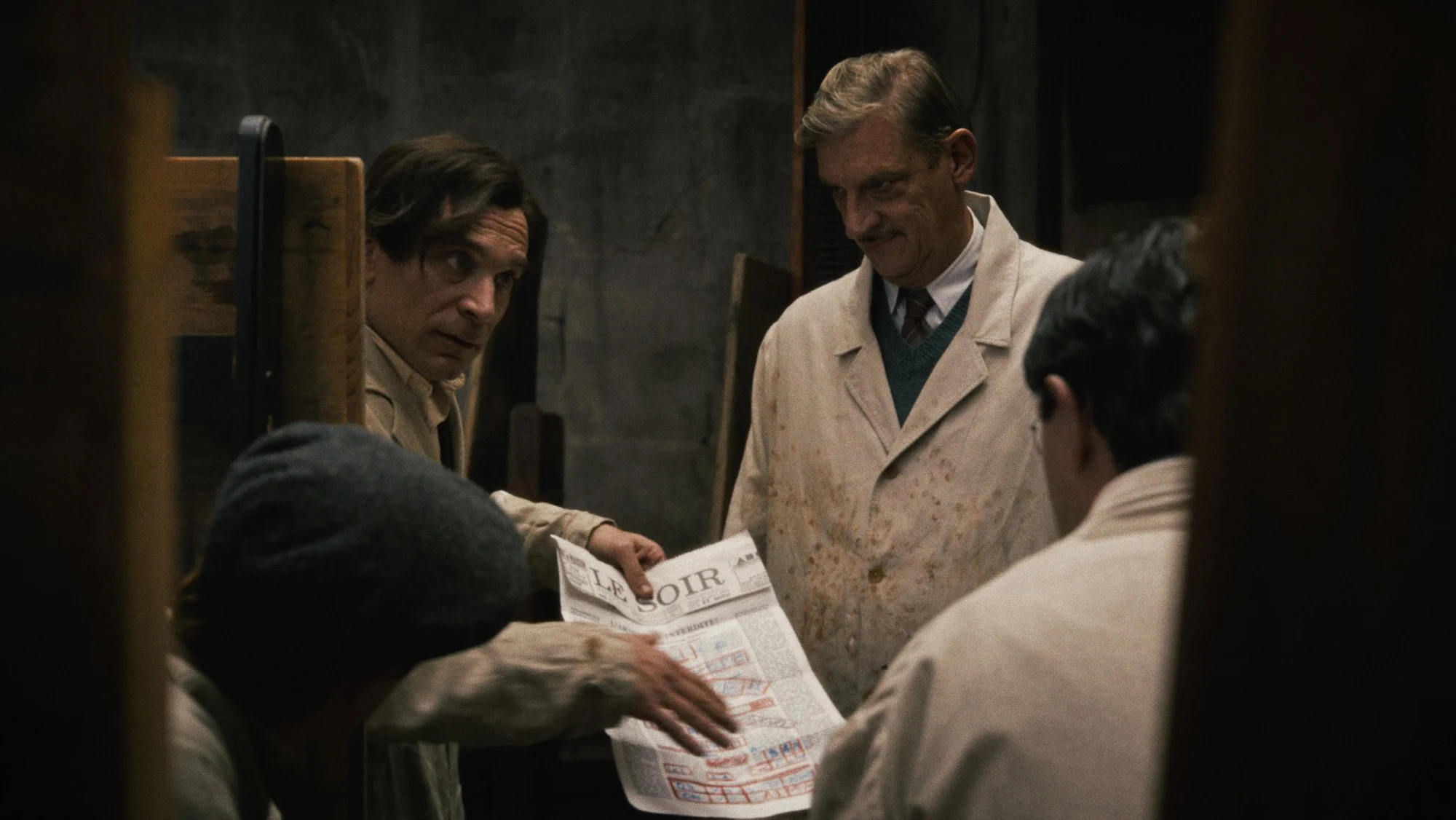

A Belgian film premiering this month at the Toronto International Film Festival dramatizes one of World War II’s strangest acts of defiance: the printing of a fake newspaper edition that mocked German occupiers under their own noses. “Le Faux Soir,” directed by Michaël R. Roskam, recreates the November 1943 operation in which resistance fighters in Brussels intercepted the Nazi-controlled daily Le Soir and replaced it with a satirical counterfeit distributed to unsuspecting readers across the city.
Roskam, known for “Bullhead” and “The Drop,” calls the episode the first media hack in history. The plot centers on Marc Aubrion, an unemployed poet who slipped anti-Nazi verses into library books before resistance leaders recruited him under the alias “Yvon.” Aubrion pitched a bolder scheme: print a full replica of Le Soir, matching its paper stock, nameplate and layout, but filling every page with jokes aimed at the occupying forces. Organizers pulled off the operation in roughly three weeks, printing 50,000 copies with help from printer Ferdinand Wellens and press organizer René Noël.
Roskam told The Hollywood Reporter that writing the satire wasn’t the hard part; publishing it was. He described building the film like a heist picture, comparing it to “Ocean’s Eleven, but with a newspaper,” and said he worked to keep the humor disciplined rather than let the film slide into pure farce.
The consequences proved severe. German authorities eventually traced the printing press, and Aubrion was arrested in March 1944, sentenced to death, then deported to a concentration camp before American forces freed him weeks later. Wellens died in a camp in February 1945.
Critical response at festivals has split. Film Festival Today gave the film four out of five stars, praising its ensemble cast and its ability to find fresh comic ground in exhausted wartime territory. Variety was harsher, calling the pacing sluggish and the caper elements underpowered despite a committed lead performance from Arieh Worthalter.
“Le Faux Soir” closes the San Sebastián Film Festival on September 26 following its Toronto premiere, with Goodfellas handling international sales and Cinéart distributing in Belgium and the Netherlands.