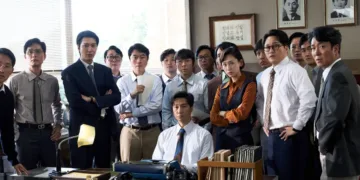







South Korea’s film industry has closed ranks behind the makers of The Assassin(s), a box office leader that has triggered a police complaint, a parliamentary fight and protests aimed at its cast.
The Directors Guild of Korea issued a statement Sunday defending director Hur Jin-ho and his collaborators. The guild said criticism of a finished film is routine, but the response has turned into “attacks on individuals that have crossed the line.” It warned that the hostility now targets the livelihoods of people who worked on the film and includes demands that no such film ever be made again.
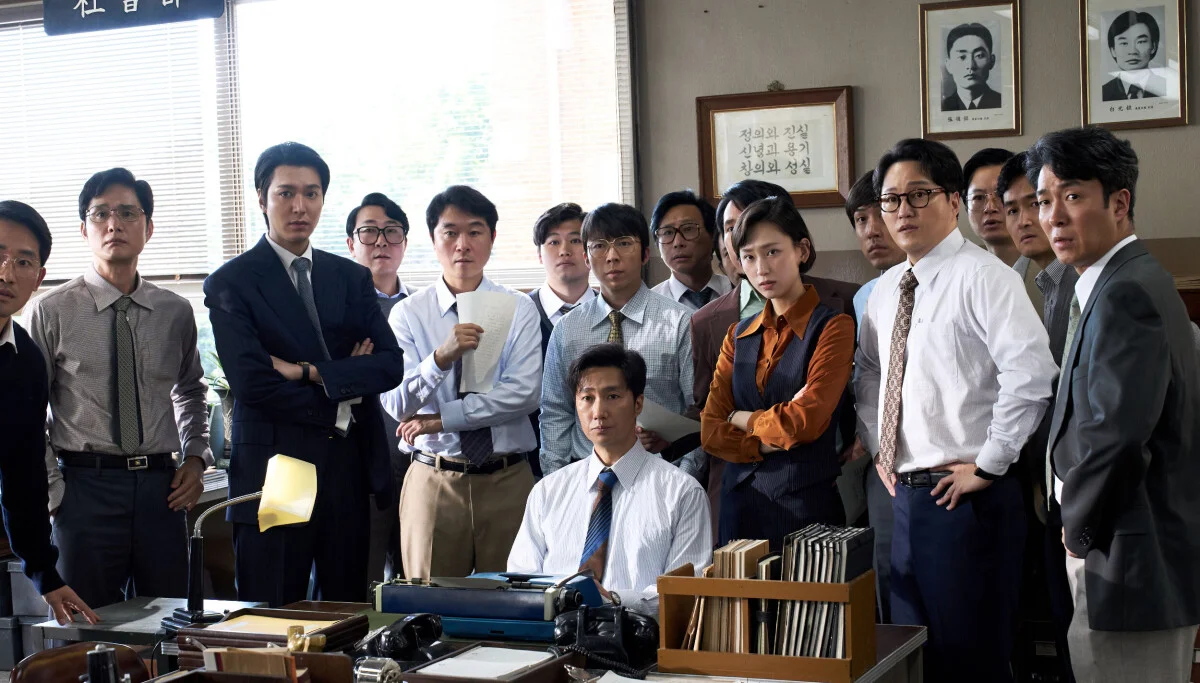
The thriller, which opened September 23, dramatizes the 1974 shooting of first lady Yuk Young-soo. Yoo Hae-jin plays a police inspector who witnesses the attack. The film names no culprit, and critics disagree on what that means. Some point to the plural title, the staging and a closing sequence of real archival footage, and argue they leave the impression that the regime’s inner circle ordered the killing.
Conservative politicians and online critics accuse the film of distorting history. Former Seoul city councilor Lee Jong-bae has filed a criminal complaint with Seoul police naming the production company’s head, the director and the screenwriters, and charging them with defaming the dead. An activist has also filed notice of a rally outside Yoo’s home.
Industry groups have answered in quick succession. The Korean Film Producers Association spoke on October 1, followed by the Producers Guild of Korea and the Korean Society of Cinematographers. A coalition of 19 organizations covering production, distribution and exhibition issued the fifth such statement Monday. It said films about historical events will provoke debate and that the pain of bereaved families deserves respect, but that criticism of a work must stay separate from pressure on individuals.
The film is moving ahead. It will open the 37th Singapore International Film Festival on October 21, with Hur scheduled to attend alongside actors Shim Eun-kyung and Park Sung-hoon. The festival runs through November 1.
Theaters have kept selling tickets throughout the dispute, and the argument over what the film implies has become as political as its plot.