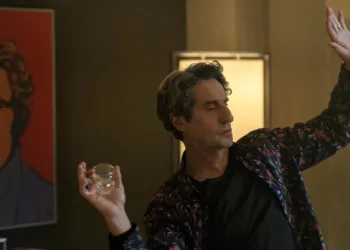




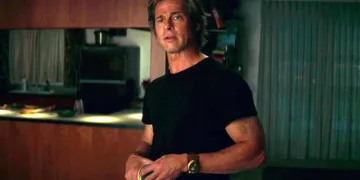
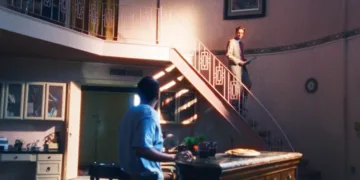










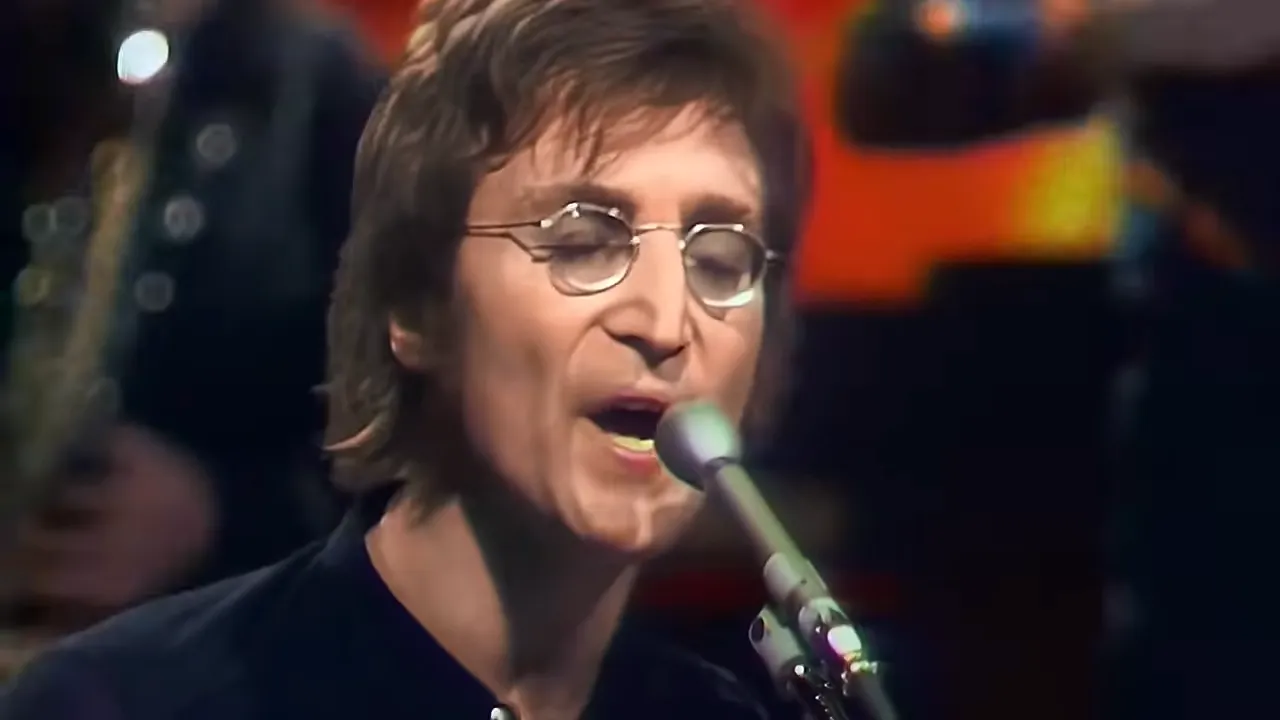
Erik Nelson creates a tapestry of fame and purpose in Daytime Revolution, capturing a fleeting yet important moment in 1972 when John Lennon and Yoko Ono appeared on the platform of The Mike Douglas Show.
Here, the banal fabric of daytime television was converted into a canvas for radical discourse, a space where the personal became political, and entertainment became a tool for change.
Nelson’s documentary is more than just a recital of events; it is a philosophical investigation into how celebrity may serve as a Trojan horse for ideas that challenge the existing quo.
The film alternates between archive material and intimate interviews, contrasting light and shadow, with laughter and activism coexisting. It invites us to ponder if the brilliant lights of celebrity can reveal the darkest corners of societal complacency or if they simply cast longer shadows.
Shadows of Dissent: The Socio-Political Landscape of the Early 1970s
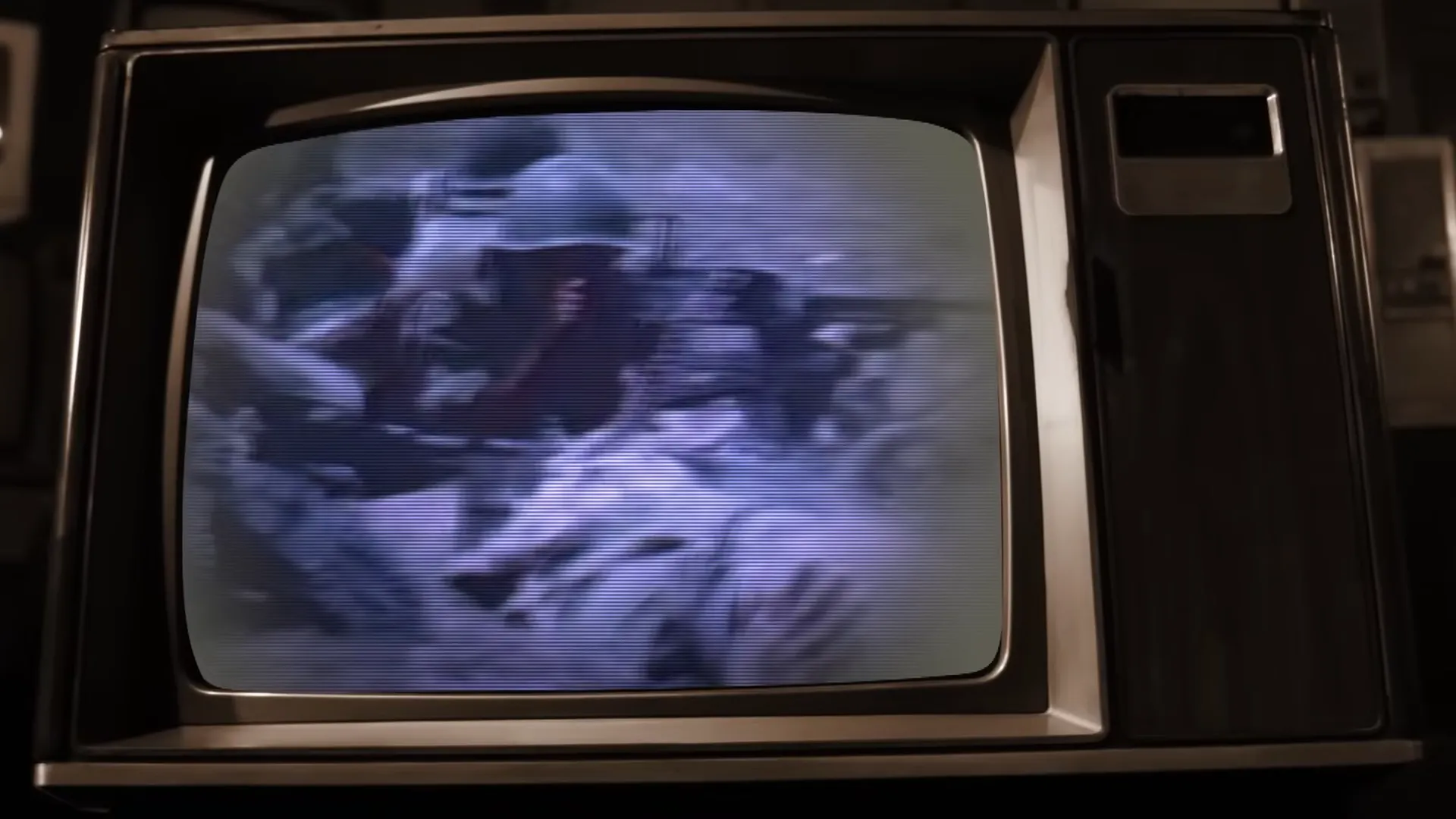
The early 1970s unfolded against a backdrop of upheaval and transformation as the Vietnam War raged on, casting a shadow over American society. This struggle, a black stain on the national conscience, not only killed numerous lives but also sparked a fierce counterculture movement aimed at tearing down the fundamental fabric of complacency.
As soldiers returned home, traumatized by their experiences, the people became increasingly disillusioned; the utopian promises of a “better America” looked like distant echoes in a landscape stained by death and betrayal.
In this volatile environment, Richard Nixon’s presidency loomed big, a phantom of power clashing with the restless spirit of dissent. Nixon saw the counterculture as more than a challenge; it threatened his regime’s stability.
The FBI’s massive surveillance of figures such as John Lennon spoke eloquently about the anxiety that pervaded the halls of power—fear bred from the awareness that marginalized voices could undermine the carefully maintained system. The administration’s efforts to subdue the disturbance were both desperate and revealing, exposing the conflict between the people’s desire for change and the government’s need to keep control.
Nonetheless, 1972 developed as a cultural crucible amidst the tumult. The media, a double-edged sword, had an important role in influencing and reflecting popular attitudes. Programs like The Mike Douglas Show became odd forums for radical ideas, providing a window into the hearts and minds of a generation on the verge of upheaval.
As the mainstream dealt with the radical, a question arose: in an increasingly polarized society, could the flickering light of media be used to highlight the deeper truths of human existence? Would it serve as a bridge or a barrier, uniting middle America’s anxieties with the aspirations of the counterculture?
The Gentle Host: Navigating the Currents of Change
Mike Douglas, whose affability concealed deeper depths, rose from the ranks of music to become a talk show host who spanned the gap between entertainment and discourse.
His transition from crooner to conversationalist was more than just a job change; it reflected a larger societal transformation. In the early 1960s, Douglas discovered his voice in a quickly changing America when the lyrical strains of the past gave way to the chaotic rhythms of counterculture.
Douglas’ interviewing style was a delicate tango, marked by an unusual level of openness for the time. He had an uncanny ability to bring out the humanity in his visitors, creating an environment where unconventional ideas could thrive, if only for a moment.
His approach was less confrontational and more connection-oriented, and he carefully negotiated the hazardous waters of political discourse. This made him more than just a host; he became a dialogue facilitator, enabling audiences to confront hard facts while remaining safe in the safety of their homes.
The Mike Douglas Show, with its mix of music, humor, and philosophy, provided a forum for varied debates, challenging the limits of what daytime television could be. It was a platform where the banal and the radical coexisted, where Ralph Nader’s sincerity and George Carlin’s laughter could coexist.
In this unique format, the show became a mirror reflecting the intricacies of a changing society, prompting viewers to ponder the fragility of their ideas amid the noise of change. However, in this reflection, one must consider whether such a space for free dialogue exists in our increasingly polarized world.
Voices of Dissent: A Tapestry of Perspectives
Within the intimate confines of The Mike Douglas Show, a constellation of guests illuminated the screen, each symbolizing a thread in 1972’s complicated sociopolitical tapestry. Ralph Nader, with his passionate cries for consumer advocacy, and Bobby Seale, embodying the fierce spirit of the Black Panther Party, combined with George Carlin’s humor, whose keen wit blasted down layers of societal complacency.
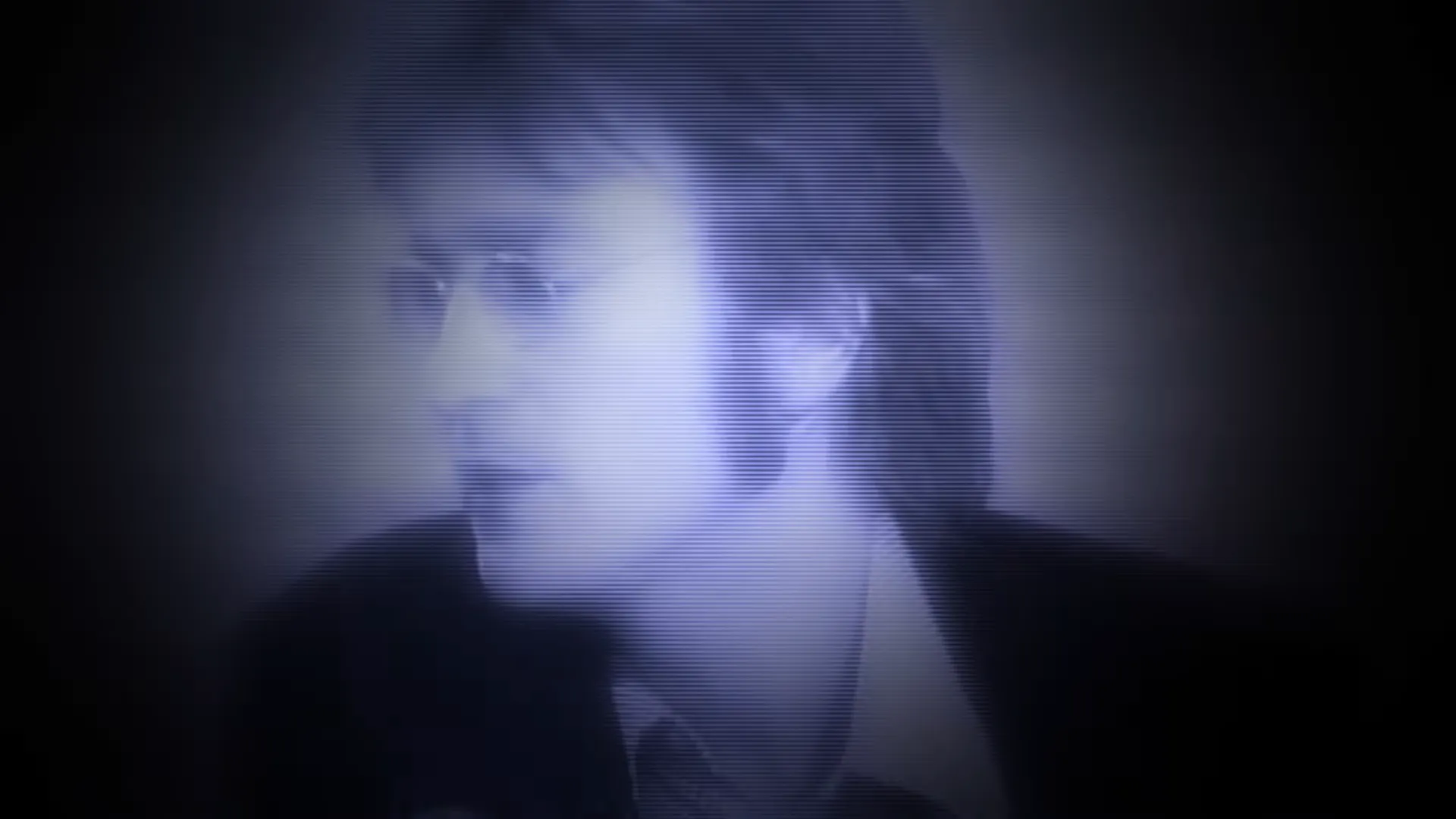
These different voices produced a symphony of dissent that resonated with both urgency and vulnerability, with each speaker serving as a reflection of the many struggles that shaped American consciousness.
The themes discussed during this week of unorthodox television were more than just chats; they were existential encounters with the reality of civil rights, war, and the pervasive power of activism. Nader’s views about the need for accountability in consumer activities reflected a generation dissatisfied with corporate apathy.
Seale’s strong comments on racial injustice served as a vivid reminder of the ongoing struggle for equality. Carlin’s rebellious humor prompted audiences to challenge the absurdity of societal norms, challenging the fundamental fabric of what it meant to be American during a time of change.
These discussions were not isolated; they were intertwined with the burgeoning counterculture movement, reflecting a society struggling with its identity. Each dialogue was a tribute to the radical ideas of the time, capturing the essence of a moment when hope and despair coexisted in a delicate balance.
However, amid this rich discourse, one must ponder: in a society increasingly driven by sound bites and superficial conversations, can such depth of conversation ever genuinely exist again? What does it mean for a society to engage with its shadows and confront the difficult truths beneath the surface of its collective psyche?
The Avant-Garde Duo: Challenging the Norms of Media
In the dazzling but tense landscape of 1972, John Lennon and Yoko Ono emerged not just as co-hosts of The Mike Douglas Show but also as forerunners of a larger ideological revolution.
Their aspirations, rooted in a desire for peace and social justice, went beyond the limitations of traditional television. With each segment, they woven their messages into the fabric of mainstream media, hoping to raise awareness and stimulate dialogue about subjects frequently pushed to the margins of public discourse.
Lennon’s deep voice, both a balm and a battle cry, along with Ono’s avant-garde sensibility, offered a unique platform for activism to thrive amidst the banality of daytime television. Their performances and talks were incredibly moving, challenging spectators to confront the harsh realities of war, inequality, and the urgent need for societal change. In this space, they questioned television norms and the fundamental essence of engaging with the world.
Their participation had a tremendous cultural impact, reverberating through society’s fabric like a stone tossed into placid waters. By embracing their roles as peace activists, Lennon and Ono challenged the established quo, challenging audiences to reconsider their complacency and confront the darker facts of existence.
However, amid this turmoil, one must wonder: can the merger of art and activism, so vividly expressed by Lennon and Ono, ever gain traction in a media world that increasingly favors sensationalism over substance? As the echoes of their influence reverberate across time, what legacy does a generation striving for change leave behind?
The Art of Memory: Weaving Time Through Film
Erik Nelson’s Daytime Revolution brilliantly weaves historical video into a narrative that shifts between the past and the present, creating a visual tapestry that invites reflection.
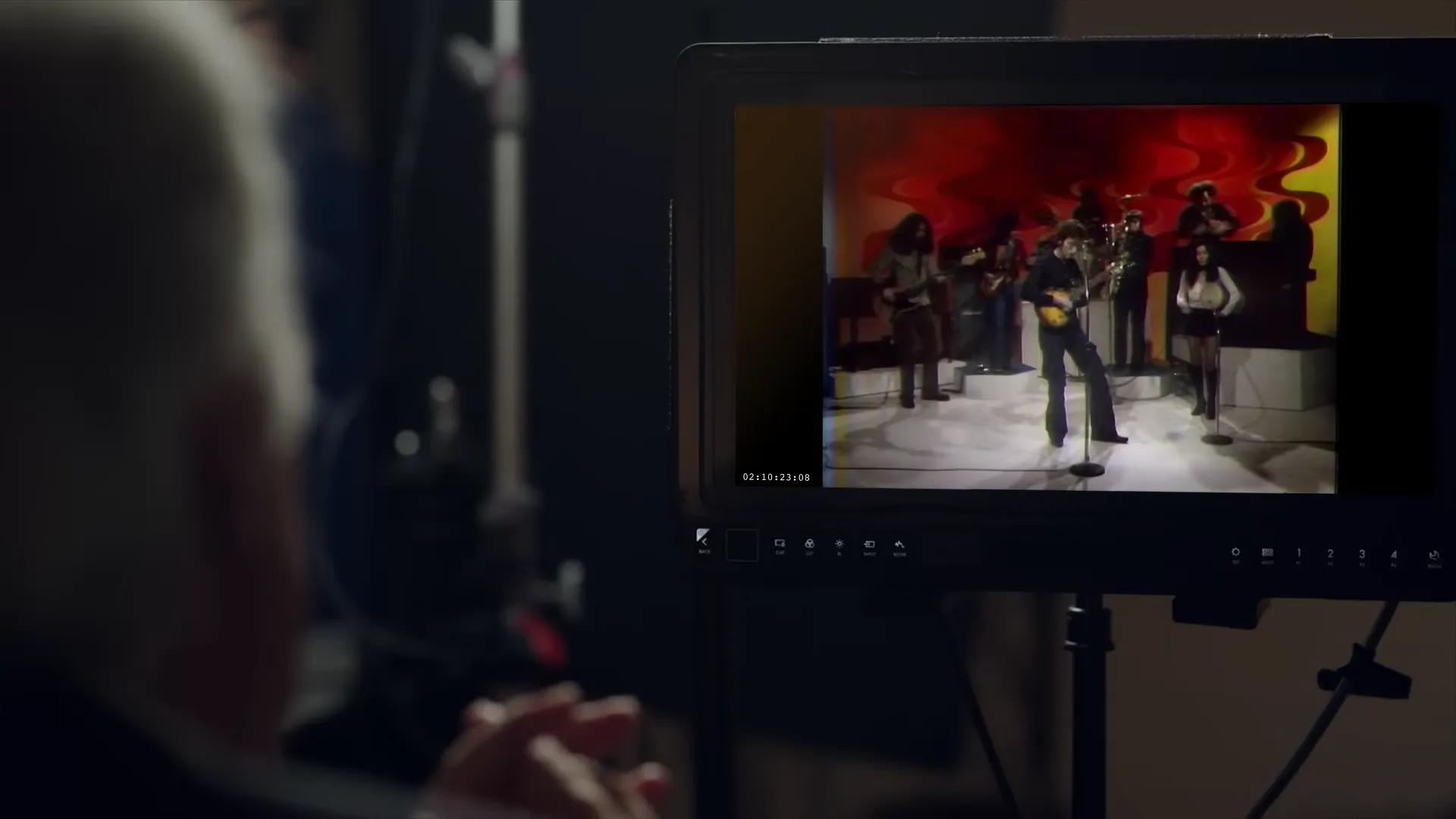
The smooth transition between footage from The Mike Douglas Show and modern remarks produces an echo chamber of ideas, with the weight of history reverberating through the voices of today. This editing approach acts as a backdrop and dialogue partner, highlighting the documentary’s activism and societal change themes.
The film’s methodical yet fluid rhythm reflects the ebb and flow of discussion—moments of silence broken by bursts of understanding, allowing viewers to process the profound implications of the dialogues. Each frame exudes a sense of urgency, urging us to confront the profound concerns that hang in the air: What progress has been made? Which battles remain?
Interviews with surviving visitors today add layers of intricacy to the narrative. Their reflections serve as a bridge across time, revealing the lasting significance of those debates. However, amid their nostalgia and wisdom, there is an undercurrent of uncertainty—an acknowledgment that past struggles resound in the present, forcing us to ponder: Are we genuinely any closer to the principles that once inspired such great hope?
Echoes of Dissent: Themes and Takeaways
Daytime Revolution emerges as a moving reflection on the interconnected themes of peace, activism, and the often-overlooked power of the media. At its root, the documentary is a siren call to introspection, asking viewers to ponder how the voices of dissent, once loud and bold, might become muffled in the face of societal apathy.
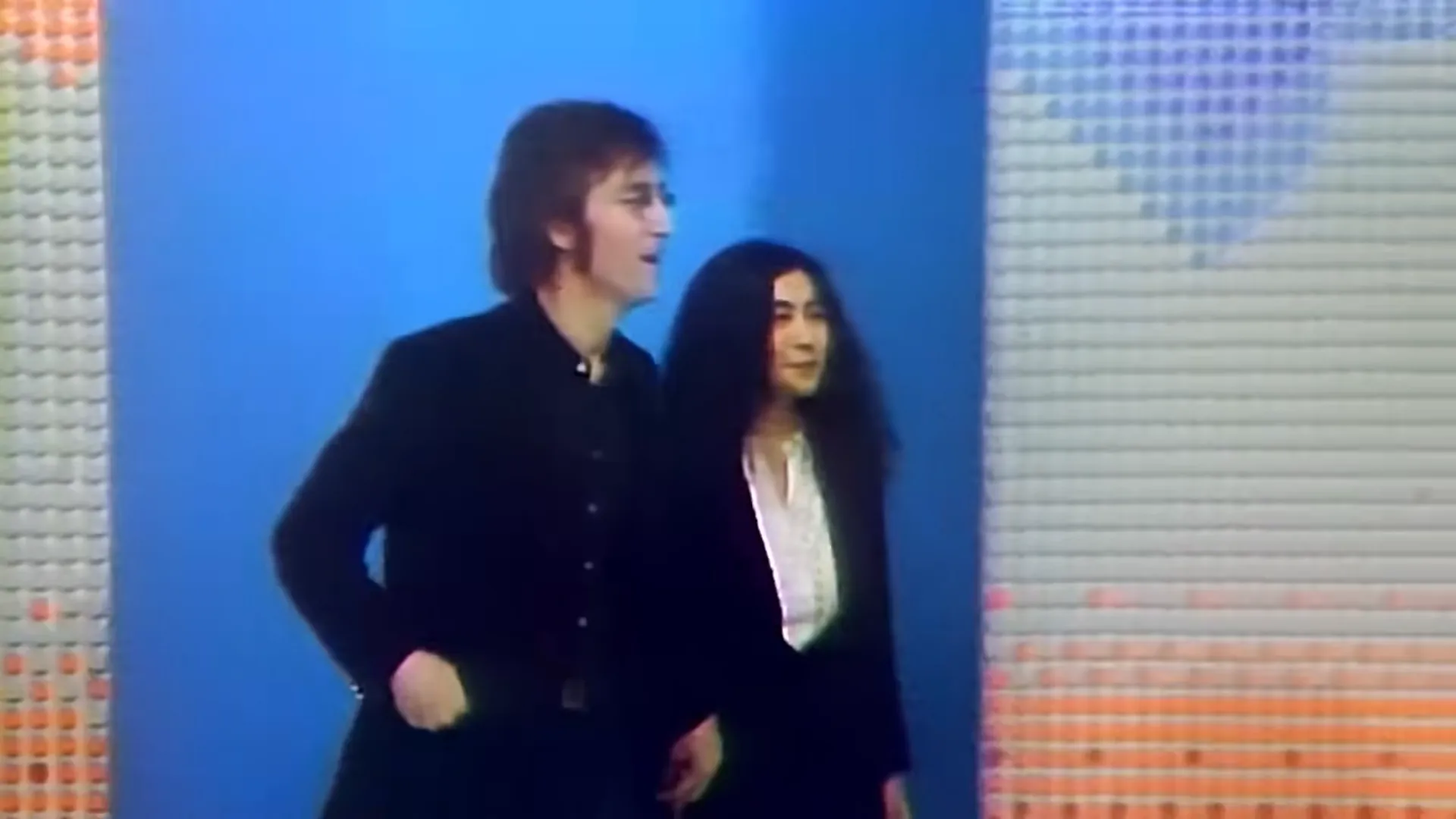
The video examines the fragility of hope and the unwavering pursuit of justice through the lens of John Lennon and Yoko Ono’s bold participation, demonstrating how art can catalyze change.
As the narrative progresses, it becomes evident that the concerns present in 1972—war, injustice, and the struggle for civil rights—are still tragically pertinent today.
The video challenges us to consider the cyclical nature of activism, in which the same battles reemerge under new guises. This resonance raises existential questions: Are we, as a society, bound to repeat past mistakes, or can we learn from these echoes to create a more egalitarian future?
Furthermore, the documentary encourages us to reconsider the role of media as both a dialogue platform and a possible tool for manipulation. In a world saturated with sound bites and shallow narratives, the Daytime Revolution serves as a reminder of the immense influence that honest speech may have on collective consciousness.
However, as we wrestle with yesterday’s lessons, one can’t help but wonder: in an age of short attention spans, can we revive the zeal for change that once blazed the path to progress?
The Review
Daytime Revolution
Daytime Revolution is a gripping examination of the relationship between media, activism, and societal change during a watershed moment. The documentary's incisive blend of archival material and modern commentary emphasizes the ongoing relevance of the struggles for peace and justice. It acts as a historical document and a call to action, encouraging audiences to confront hard truths while embracing dialogue's power. In an age where dissenting voices are frequently silenced, this film reignites the spark of hope and emphasizes the importance of ongoing activism.
PROS
- Engaging archival footage that enriches the narrative.
- Thought-provoking interviews with surviving guests.
- Strong themes of peace and activism relevant to contemporary issues.
- Creative editing that blends past and present effectively.
- Insightful exploration of media's role in shaping public discourse.
CONS
- Some may find the pacing slow in parts.
- A focus on specific events may overlook broader contexts.
- Certain historical figures could have been explored in more depth.