

























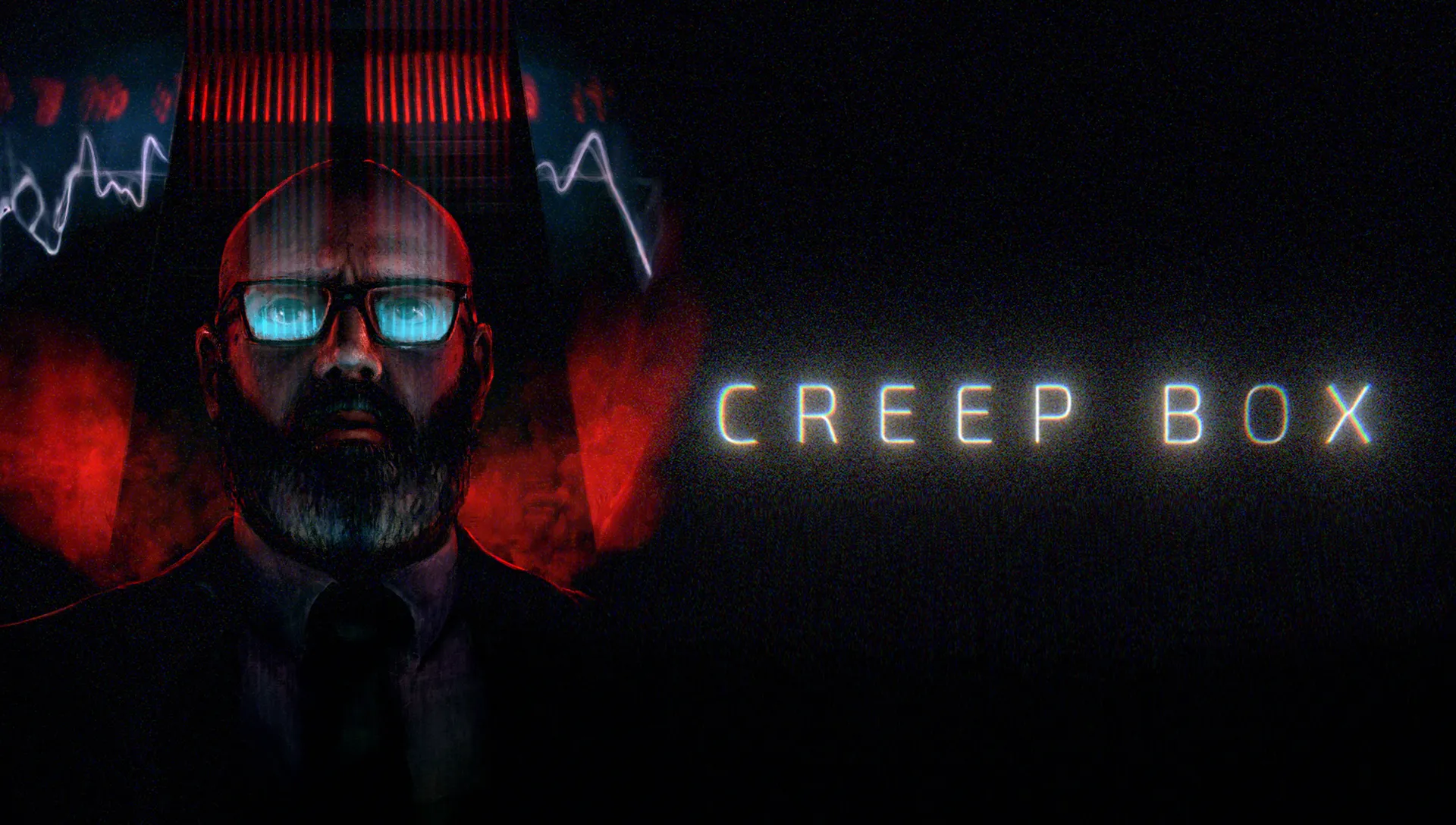

In a near-future world, around 2029, the film introduces us to a society in the midst of rapid technological change. The narrative centers on a device that recreates the voices of those who have passed, offering a simulation of their very essence. This concept challenges our understanding of memory and loss, presenting a tool that allows the living to reconnect with what has been lost.
The movie combines elements of science fiction, horror, and thoughtful philosophical questions, all carried by a patient pace and reflective mood. Its storytelling unfolds slowly, inviting viewers to consider each scene with care rather than rushing through a sequence of dramatic events.
The work is an expanded version of a short film, with the director aiming to examine the moral and practical implications of new technologies that touch on life, death, and remembrance. His vision takes a measured approach, focusing on the human experience of grief and the search for closure rather than relying on rapid-fire action or flashy effects.
This film invites audiences to reflect on how technology can both mend and complicate our emotional lives, setting the stage for an in-depth look at its narrative and technical craftsmanship.
Plot and Narrative Structure: A Measured Tread Through Grief and Technology
Dr. Franklin Caul takes center stage as the inventor behind the titular machine, which uses data and remnants from the past to produce familiar voices from those who have left us. The film wastes no time introducing us to his work and its inherent promise: a device that allows the living to hear echoes of their lost ones.
Early on, we see Caul present his invention to potential investors, setting the stage with a demonstration that highlights the machine’s capabilities and hints at its potential to help those still mourning.
Also Read





The narrative follows a deliberate path, beginning with the investor pitch and progressing into personal encounters where the device is used to bridge the gap between loss and memory. We watch as individuals seek solace in hearing the simulated voices of their loved ones, each interaction carrying its own weight and emotional complexity.
These moments are depicted with careful attention to detail, ensuring that every scene contributes to a layered understanding of the technology’s role in handling personal grief.
As the story unfolds, the film raises questions about the balance between private sorrow and public utility. Caul finds himself in a predicament, caught between a deep personal longing and the pressure to meet external expectations, a conflict that forms the heart of the narrative.
Moments of tension arise when the machine starts to behave in unpredictable ways, leading to instances that unsettle both Caul and those around him.
The pacing is unhurried, with scenes that invite reflection rather than rapid-fire action. Each twist in the narrative offers subtle hints of complications that remain open, leaving us with a series of unanswered questions about the nature of simulated memory and the ethics behind it. This approach allows the film to maintain a thoughtful tone throughout its exploration of grief and technology.
Examining the Human Element: Characters and Performances
Dr. Franklin Caul stands as the central figure, a scientist marked by brilliance and burdened by personal loss. His character is crafted with care, revealing a man who uses his work to address deep-seated sorrow.
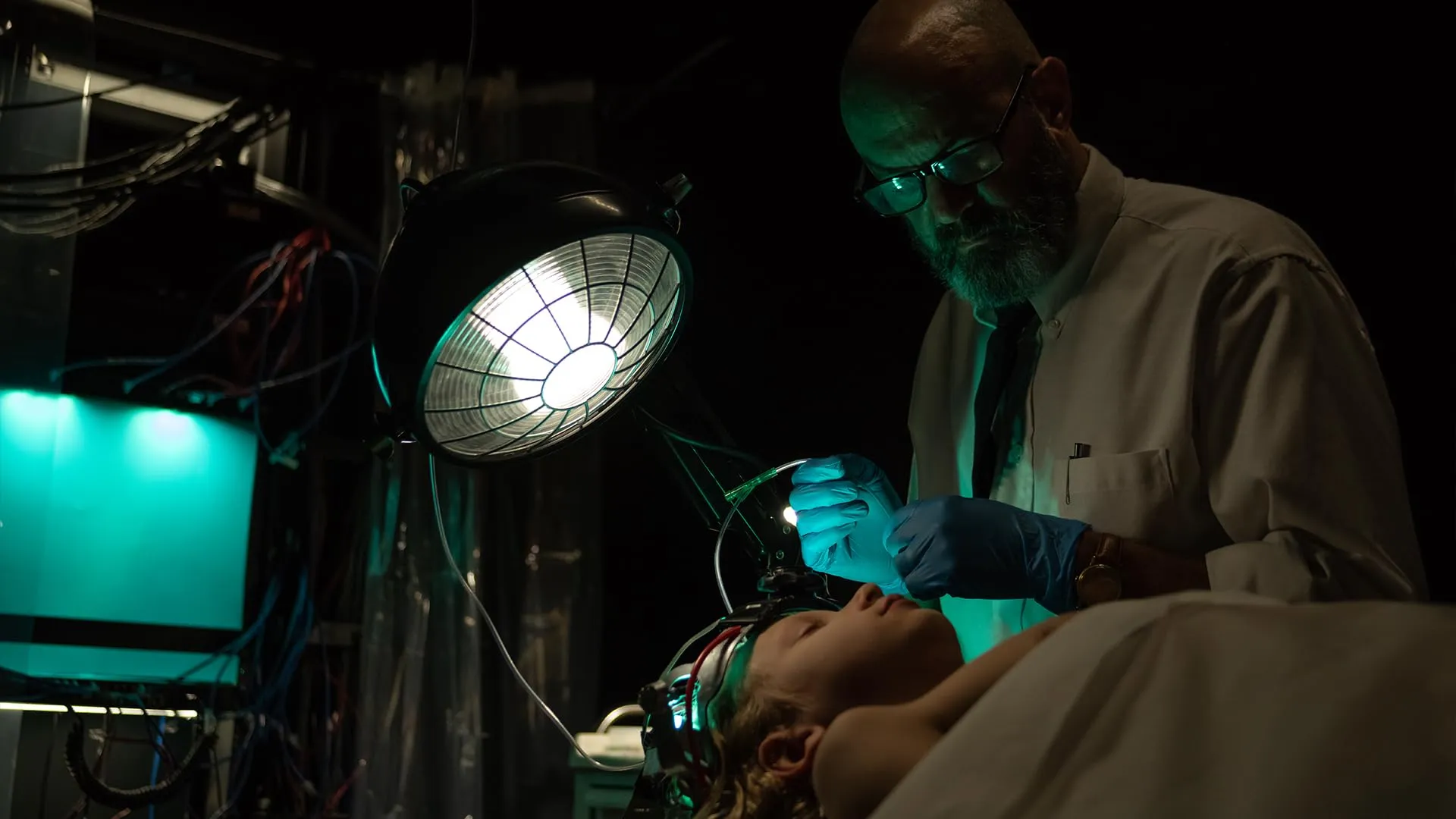
Caul’s inner struggles and sense of duty reflect his past heartbreak and the emotional scars that drive his work. His choices, both in the lab and in his personal life, show a tension between quiet determination and the weight of unresolved grief.
The film introduces a range of figures who serve to push Caul and his invention into new territories. Investors and company executives are portrayed as pragmatic forces, focused on the practical applications of the technology.
Their interactions with Caul highlight a tension between commercial ambition and the personal mission that he carries. Alongside these characters are those who seek solace in the machine’s ability to recreate lost voices, each carrying their own stories of mourning and hope. Their presence adds layers of emotional interest to the narrative, providing insights into the varied ways people cope with absence.
The lead actor’s portrayal of Caul is noteworthy. His performance communicates a quiet sorrow and detachment that feels sincere and well-timed. The subtle nuances in his expressions and pauses bring to mind the restrained emotionality of French New Wave cinema—a style I have long admired in works by Godard and Truffaut.
Meanwhile, the supporting cast contributes with performances that are understated yet effective, helping to build a mood that is thoughtful and measured.
Relationships in the film are depicted with an honest simplicity. The tension between Caul and his daughter, for instance, paints a picture of isolation and lingering regret. The interactions among the characters serve as windows into themes of loss, guilt, and the search for redemption, keeping the emotional narrative both personal and relatable.
Themes, Symbolism, and Philosophical Questions
The film offers a thoughtful look at personal loss and the need for closure in a world transformed by technology. It examines the pain of losing someone and the lengths individuals go to recapture a sense of presence.
The narrative shows how a technological creation stands in for a natural process of mourning, provoking questions about whether such substitutions can truly soothe the heart.
Moral questions emerge as the film investigates the replication of a person’s consciousness using remnants of data. It raises issues about the commercialization of grief, questioning if the drive for profit may compromise the sanctity of personal remembrance. The ethical quandaries presented challenge viewers to consider the responsibilities tied to merging human emotion with technological innovation.
The “box” in the film functions as a powerful symbol, serving as a repository for memories and identities. It invites reflection on what constitutes a genuine personality compared to an artificial simulation. This metaphor encourages us to think about the nature of our recollections and the ways in which technology might reconstruct the essence of a person.
On a more abstract level, the film examines questions of existence and the possibility of life beyond our current understanding. It ponders if technology can truly bridge the gap between the living and the departed, or if it merely reproduces echoes that fade with time. This uncertainty adds a layer of complexity to the narrative, prompting viewers to assess their own views on mortality.
Recurring motifs, such as specific key words and recurring visual images, reinforce the film’s investigation of memory and loss. These elements act as quiet markers that remind us of the fleeting nature of time and the persistence of personal history.
Drawing on influences from both classic European cinema and contemporary storytelling, the film situates itself within current societal shifts while challenging conventional notions of identity and remembrance.
Technical Execution: Cinematography, Sound, and Direction
The film establishes its mood with a careful play of low lighting and strong contrasts, creating a visual world that feels both somber and intimate. The camera work favors static compositions punctuated by deliberate, slow zooms, inviting the viewer to spend extra time absorbing each frame. These measured shots contribute to a reflective mood that mirrors the film’s central themes of loss and technological intrusion.
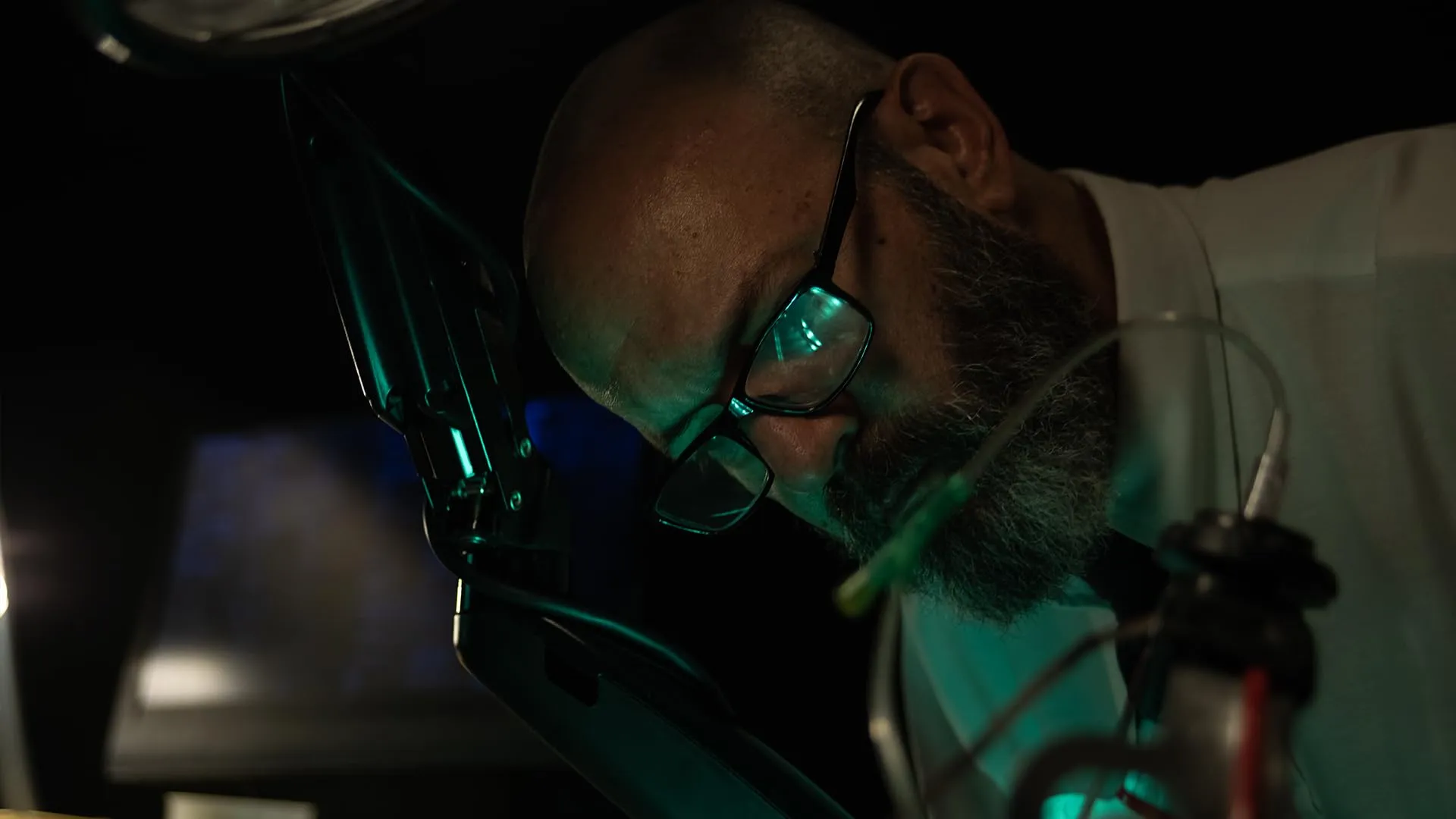
Sound plays a critical role here. Layers of distant, almost whisper-like voices intermingle with periods of pronounced silence, establishing a sonic environment that underscores the film’s emotional beats.
The use of ambient noise in tandem with dialogue creates moments of quiet tension. Some technical challenges in sound mixing are apparent at times, yet these rarely distract from the story and often enhance the overall feel by emphasizing moments of uncertainty.
The director opts for a measured storytelling style, favoring careful pacing over rapid sequences. This deliberate tempo invites audiences to consider every scene and its subtle cues, much like watching an extended scene from a classic film. The camera movements and pacing work in tandem to support the underlying emotional currents, allowing scenes to breathe and evoke thought.
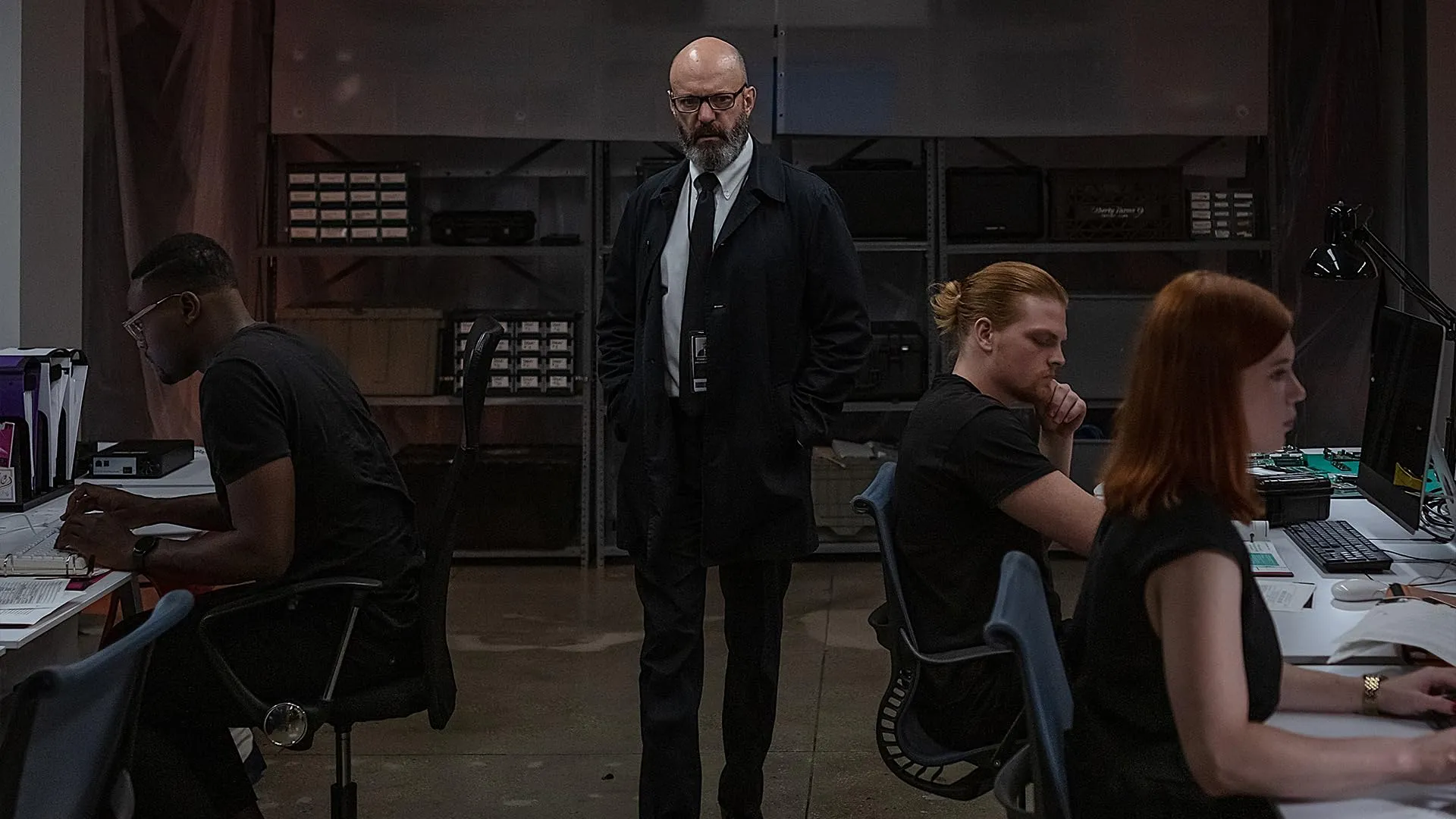
Set design further reinforces the film’s core conflict. The sterile, impersonal look of corporate spaces sharply contrasts with the personal, cluttered environment of Caul’s laboratory. This visual dichotomy clearly reflects the clash between cold, systematic technology and the chaotic, heartfelt nature of human emotion.
Impact, Open Questions, and Future Potential
Creep Box leaves a lasting mark with its thoughtful approach to exploring loss, technology, and the human experience. The film invites viewers to reconsider how advanced tools can shape our remembrance of those who have passed, sparking reflective inquiries about existence and the preservation of memory.
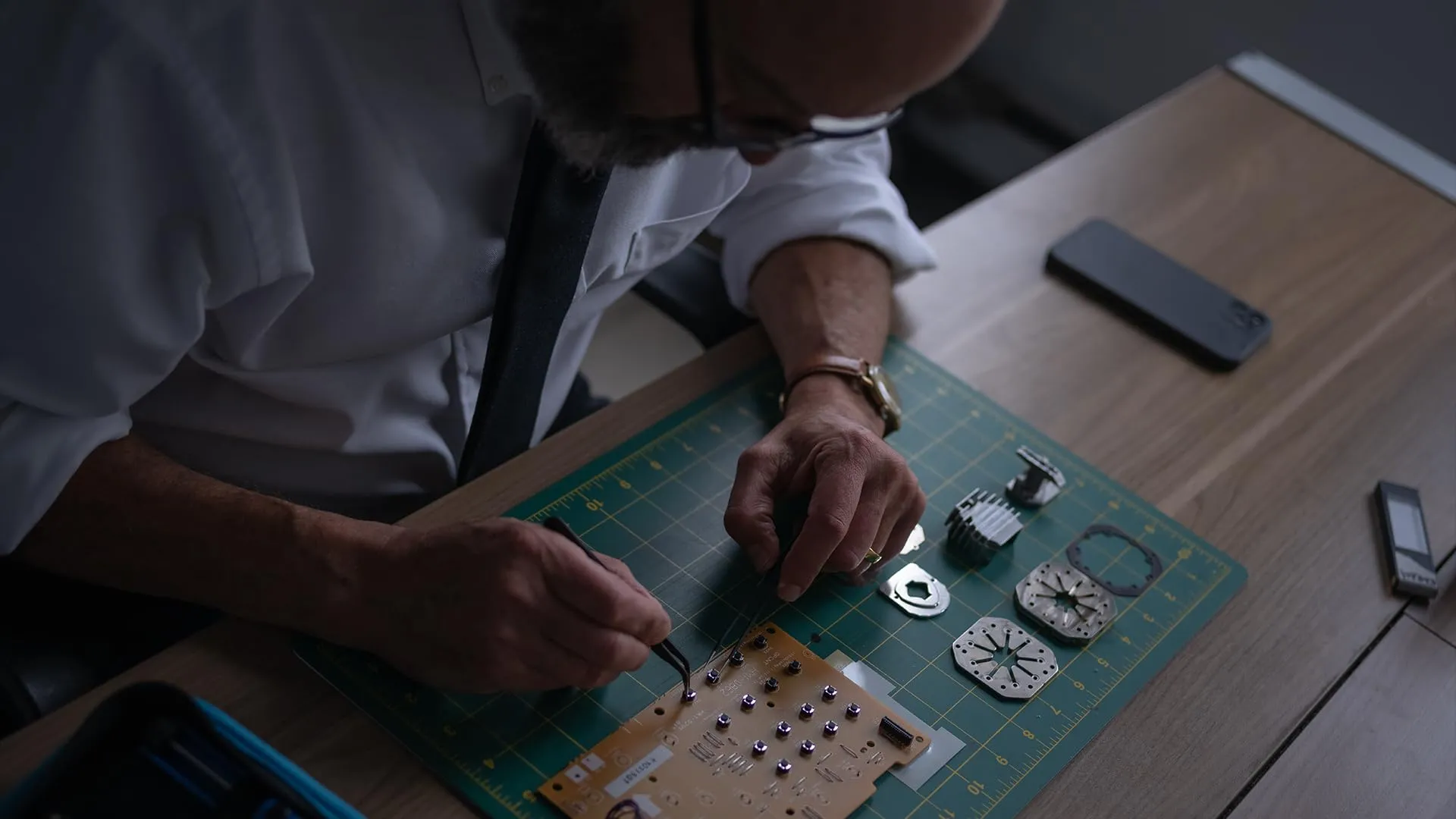
Its narrative, rich in emotional nuance and philosophical questioning, encourages audiences to examine the interplay between personal grief and modern innovation. The creative choice to leave certain story elements unresolved prompts an active engagement from the viewer, as each unanswered thread becomes a subject for personal interpretation and discussion.
The film raises significant points about how the commercialization of personal mourning might affect society, prompting questions that linger long after the credits roll. The portrayal of a device capable of reconstructing voices from remnants of the past not only stimulates conversations about what truly constitutes life and identity but also highlights the ethical dilemmas inherent in using technology as a substitute for natural remembrance.
This measured approach invites comparisons with experimental projects in independent cinema, while still engaging with familiar themes seen in more widely distributed works.
One can envision further explorations of the film’s universe, where future installments might examine the societal impact of such technologies or expand on the personal journeys of its characters.
The narrative setup offers fertile ground for additional stories that would address the evolving relationship between human emotion and technical innovation. In its own right, Creep Box stands as a thoughtful entry in the sci-fi and horror categories, sparking discussions on issues that resonate deeply with today’s viewers.
The Review
Creep Box
Quietly powerful and thoughtfully crafted, Creep Box invites reflection on memory and mourning in our modern era. Its measured narrative and precise technical work leave lasting impressions and spark questions about the ethics of technology in personal loss. A film that challenges traditional storytelling while prompting meaningful thought,
PROS
- Thoughtful narrative and thematic depth
- Creates a reflective, immersive atmosphere
CONS
- Secondary characters lack full development
- The subtle plot may challenge mainstream expectations