





























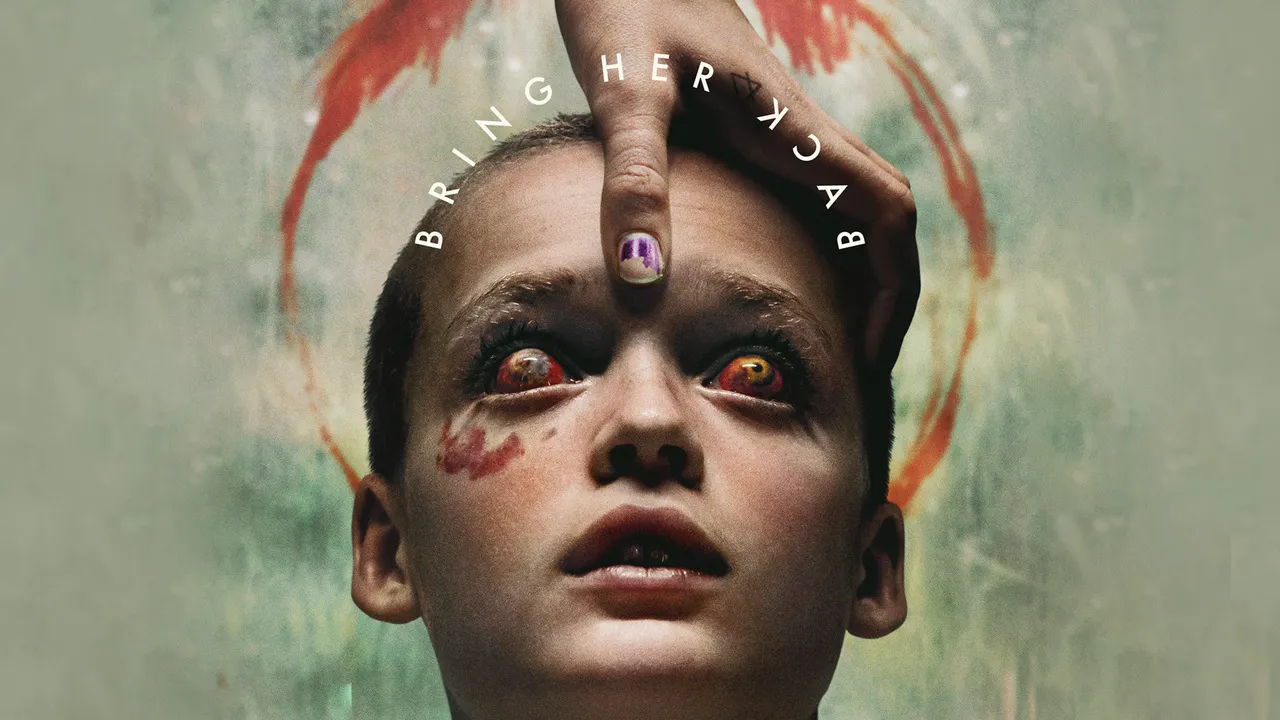

Bring Her Back unfolds in sun-washed suburbs that feel anything but safe, as two mourning siblings arrive at a foster home where kindness masks darker intent. Danny and Michael Philippou direct this 104-minute Australian horror, starring Sally Hawkins as Laura, Billy Barratt as Andy, Sora Wong as Piper and Jonah Wren Phillips as Oliver. Rated R, the film situates itself in a tradition of “trapped-in-a-house” terror infused with occult hints and visceral body-horror moments.
The Philippous root their story in cultural soil shaped by Australia’s gothic isolation and its emerging place on the global horror map, inviting comparisons to J-horror’s creeping dread and European folk-ritual narratives. Story unfolds as Andy, newly orphaned, vows to protect Piper, whose partial sight is rendered through shifting focus and misted lenses, while Laura’s initial warmth—an echo of Down Under neighborliness—gives way to ritualistic hair-snipping and silent ceremonies around an empty backyard pool.
From the first shot of rain-slicked pavement to the ominous living-room tableaux, the filmmakers test how visual storytelling can transmit both local folklore echoes and universal fears. Hawkins’s bright-eyed courtesy conceals a mother’s warped devotion, and what begins as sanctuary becomes a crucible of competing loyalties. Under that calm surface, each frame pulses with the question: how far will grief drive us when love turns lethal?
Narrative Rhythm and Ritual
From the opening frames, Bring Her Back establishes its stakes with classic dramatic economy. After their father’s sudden death, Andy assumes the role of protector while Piper leans on him to navigate daily life—an emotional bond rendered through lingering close-ups and gaze-based cuts that echo the hand-holding sequences in Japanese cinema, where visual intimacy signals unspoken ties. A social worker’s offhand warning about sibling separation introduces real-world systems into the narrative, grounding the horror in lived bureaucratic tension familiar to audiences from both Western and East Asian family dramas.
Laura’s arrival marks the inciting incident with a tonal shift reminiscent of a quest-giver NPC entering a game’s hub world. Her warm-but-quirky façade conceals the promise of deeper challenges: the introduction of Oliver mirrors the silent, enigmatic companion character seen in cult European thrillers. Signing the foster-care papers plays like accepting terms of engagement, binding Andy and Piper to Laura’s escalating trials.
As tension mounts, Laura’s ritual gestures—snipping hair at the funeral, whispering cryptic lines beside a blood-soaked pool—function like scripted side missions that slowly reveal world-building lore. Piper’s distorted point-of-view shots, achieved through shallow focus and handheld steadicam, serve as both a narrative device and technical gameplay mechanic, simulating limited vision in a way that recalls accessibility features in indie games exploring sensory difference. Meanwhile, Oliver’s silent self-mutilation haunts background frames, much like environmental storytelling in Nordic horror titles that layer visual clues to reward attentive viewers.
At the midpoint, a back-to-back confession scene flips trust into dread—akin to an unexpected boss phase in action-RPG design—where familiarity becomes disorienting. The first gory shock, triggered by sudden camera whip cuts, accelerates pacing as dramatically as a level-up threshold in gaming.
In the climax, Laura’s true motive (a dark attempt to resurrect her daughter) unfolds in a sequence of rain-soaked corridors that challenge the siblings’ unity. Their frantic flight through labyrinthine hallways channels the escape levels of survival-horror games, where spatial memory and split-second decisions define success. The final confrontation teeters between escape and entrapment, leaving the audience to ponder which cultural rituals of grief demand repetition—and which deserve release.
Faces of Loss and Obsession
Hawkins embodies a maternal archetype that feels both familiar to Anglophone viewers and tinged with folkloric dread reminiscent of Scandinavian grief tales. Her bright warmth recalls the comforting presence of family matriarchs in British dramas, yet subtle shifts in her posture—tilted head, idle fingertips ghosting a lock of hair—echo the ritual precision of Japanese horror. Beneath her easy smile lies a calculation born of a mother’s broken heart; each controlled gesture traces invisible lines between devotion and desperation.
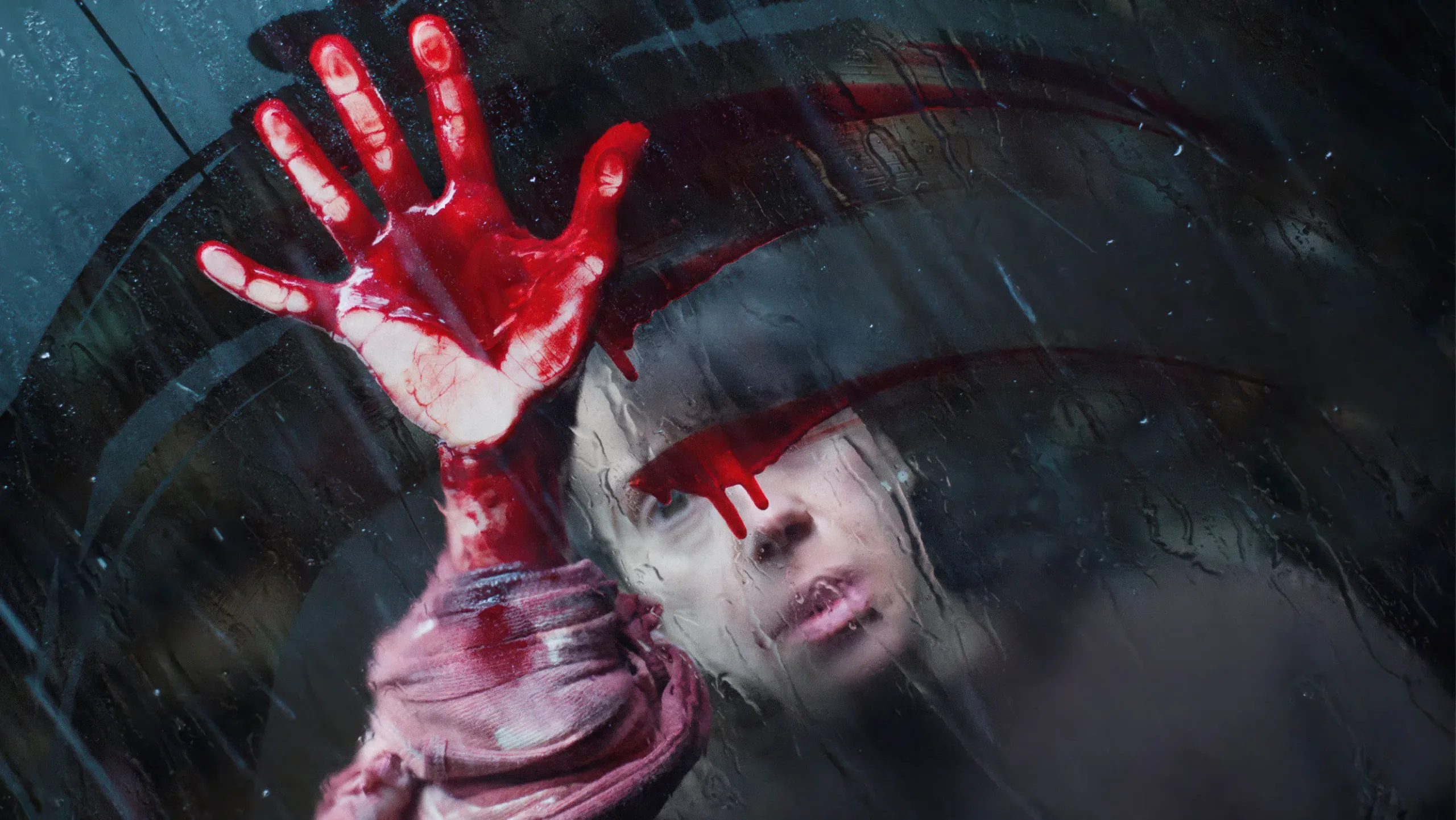
Barratt channels a youth caught between rites of passage common to coming-of-age stories worldwide. He carries the weight of family duty, a trope seen in Korean films about filial piety, yet his guilt-fueled protectiveness sparkles with the rebellious flair of Australian indie protagonists. His journey moves from silent burden-bearer to active challenger of Laura’s designs, mirroring gameplay arcs where players first observe rules before rewriting them.
Wong’s portrayal brings genuine sight-impaired perspective into the cinematic frame, nodding to inclusive design practices in modern indie games that adapt visuals for varied users. Moments when Piper describes shapes and sounds tie into audio description techniques in both Western art-house and Bollywood’s song-and-dance sequences, forging empathy across cultures. Her bravery surfaces in scenes where she navigates shadowed hallways on her own, claiming agency despite sensory limits.
As a near-silent presence, Oliver channels the haunting stillness of German expressionist children while enacting body-horror transformations that recall Latin American magical-realism violence. His physical shifts—bloodied fingertips, flesh-distorting makeup—stand in for Laura’s inner fracture, offering a living allegory of grief’s corrosive power.
The Philippous set this story within a home that feels at once quintessentially suburban and eerily primordial, like the mossy villas of Celtic folklore relocated to sun-drenched Australia. Dripping ceilings, tight corridors and relentless rain become visual motifs, each drop reflecting character turmoil and cultural climates where weather often symbolizes inner unrest.
Rituals of Loss and Perception
Bring Her Back traces grief’s global grammar, showing how sorrow can twist devotion into violence. Andy and Piper’s bond channels sibling loyalty common to Korean family dramas, where protectiveness feels sacred, while Laura’s mourning echoes European tales of maternal trauma, in which love becomes a dark rite. The film stages confrontations between these two modes of grief, suggesting that personal loss may fracture care into something unrecognizable.
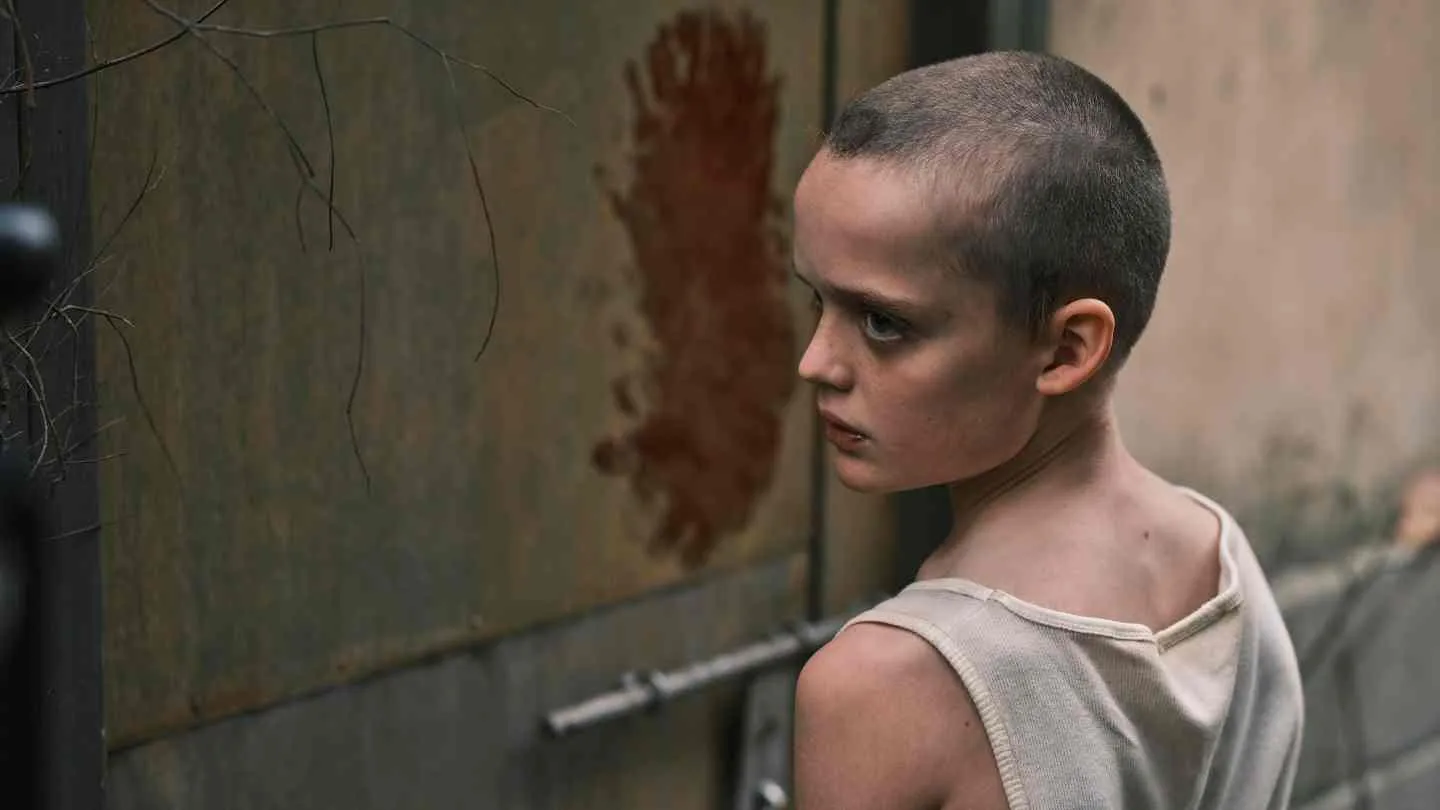
Laura’s fierce desire to reclaim her daughter reflects a mythic impulse found in West African and Latin American folklore, where bereaved parents attempt resurrection through secret ceremonies. Her caregiving rituals—hair clippings at dawn, an empty pool consecrated at dusk—invert nurturing gestures into sacrificial acts. This distortion of maternal instinct taps into shared anxieties about creation and destruction, turning daily comfort into a site of terror.
Piper’s limited sight becomes a narrative device and a cultural metaphor. Her point-of-view sequences recall the subjective camera work in Japanese cinema, inviting viewers to inhabit her partial vision as truth, even as the omniscient lens reveals hidden horrors. That tension between what she perceives and what we know underscores the gap between lived experience and imposed narratives, a theme familiar to postcolonial literature exploring who gets to tell the story.
The foster home’s damp corridors feel at once like an Australian suburban setting and a universal liminal space, where displacement intensifies vulnerability. The siblings’ isolation recalls immigrant tales of adaptation, their only true companion each other in a world that insists on separation. What begins as shelter mutates into a labyrinth of threat.
Through subtle symbols—a blood-stained baptismal gown, unmarked talismans tucked into walls—the Philippous weave occult undertones without spelling out their mythology. Viewers are invited to connect these fragments across cultural rituals of mourning, leaving them to wonder which rites heal and which bind the living to the dead.
Crafting Dread Through Design
Aaron McLisky’s cinematography channels Australia’s stark contrasts—sunburnt exteriors dripping rain—while borrowing framing techniques from Korean thrillers, where shallow focus locks onto eyes to convey inner turmoil. Close-ups on Laura’s steady gaze recall the intensity of European art-house horror, yet cutaways to Piper’s blurred periphery evoke the immersive POV mechanics in accessibility-focused indie games. Low-light interiors swell with claustrophobia, as each frame feels calibrated to tease out both local textures—mold-speckled walls, timber floors—and universal unease.
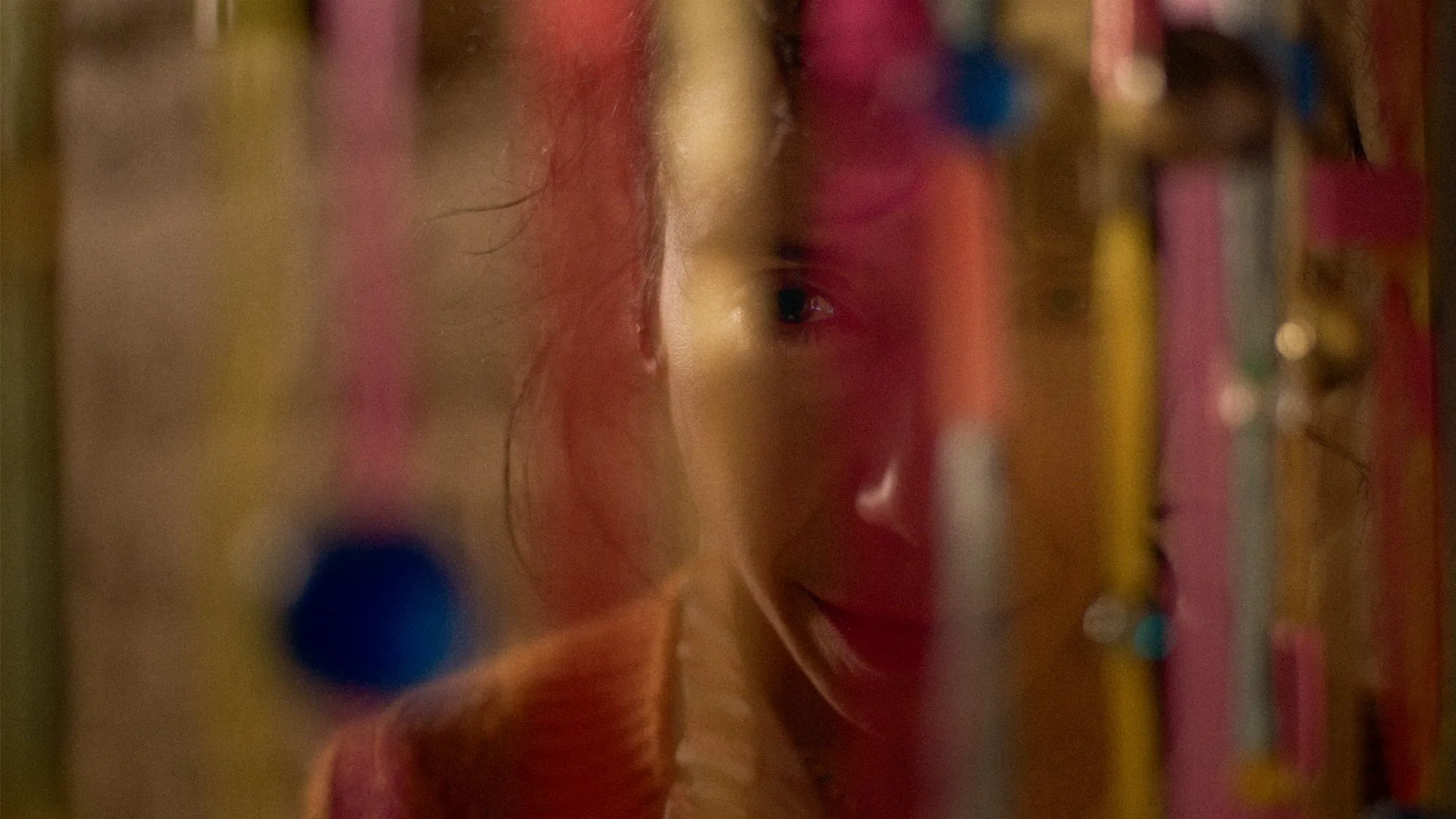
Production design uses the Philippous’ family home as a living artifact. Cathy’s faded photographs rest on damp mantels, their presence nodding to Mexican Día de los Muertos altars that honor lost loved ones. Piper’s pale school uniform, crisp and clinical, contrasts with Laura’s almost festive cardigan, suggesting a cultural clash between institutional order and personal ritual. Makeup and costume here serve narrative: Laura’s carefully pressed attire hides ritual scars, while Piper’s unadorned look grounds her in realism, much like character skins in role-playing games that reflect backstory at a glance.
Cornel Wilczek’s score drifts between ambient drones and sudden silences before shock moments, echoing Japanese sound design that uses quiet as a weapon. Leitmotifs tied to each character—Oliver’s faint hum, Laura’s muted lullaby—function like in-game audio cues that signal boss encounters or hidden lore.
Practical effects amplify corporeal terror: flesh tears, rainwater mixing with blood on camera lenses, and knifepoint distended skin scenes recall the tactile horrors of body-mod RPG monsters. Editors pace the film like a survival-horror playthrough, beginning with measured tension that snaps into rapid cross-cuts between siblings, each cut forcing a shift in perspective and ratcheting suspense. This fusion of visual precision and technical craft situates Bring Her Back at the crossroads of regional tradition and global genre innovation.
Echoes of Unease and Empathy
Small moments of tension—Laura’s quiet humming in the hall, a stray hair on the dinner plate—layer until fear blooms into full-fledged horror. Each whispered exchange and sideways glance compounds, much like minimalist indie games that drip-feed scares rather than fling them outright.
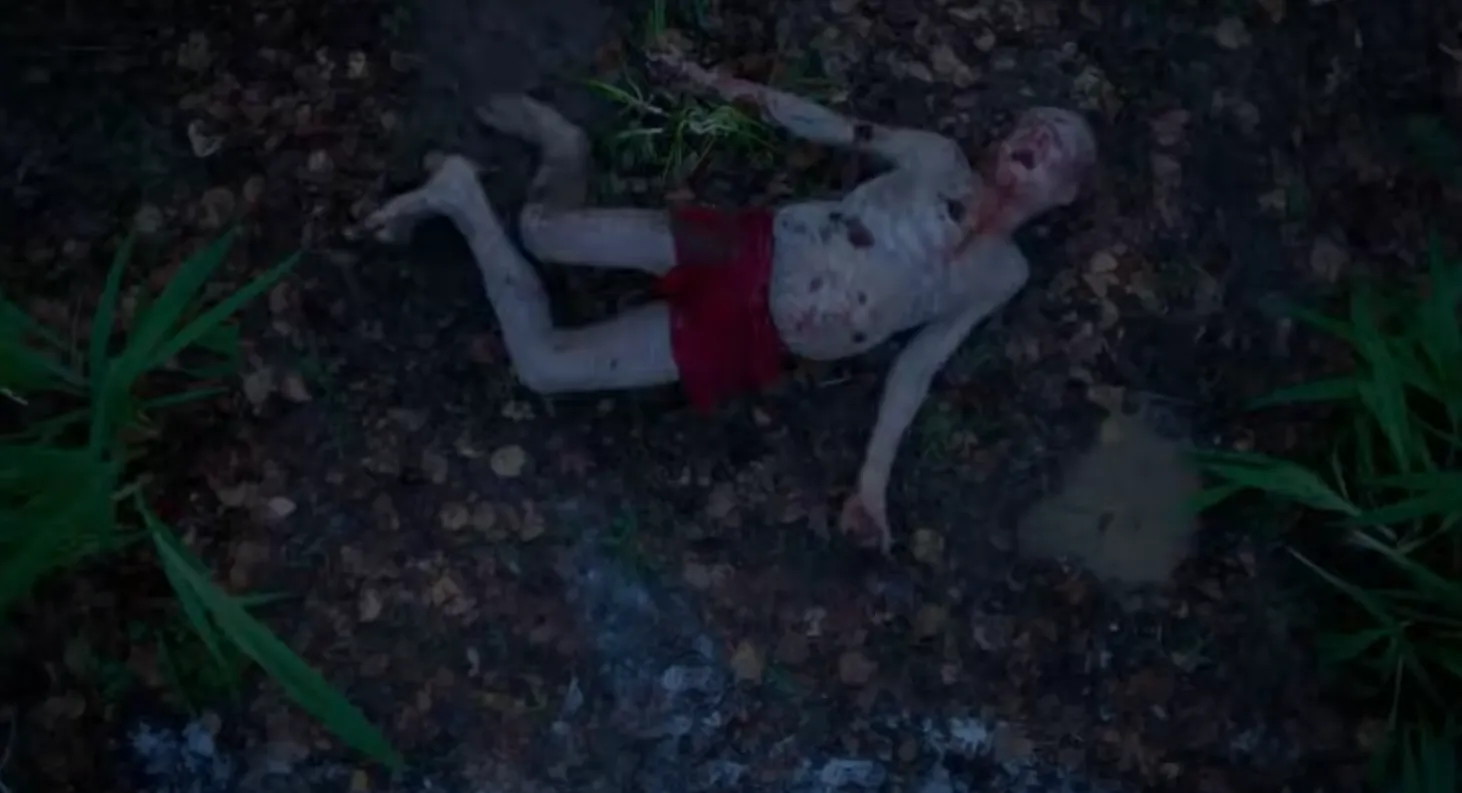
Audiences find themselves torn: compassion for Laura’s shattered grief warps into horror at her actions. Hawkins’s gentle tone undercuts each violent gesture, creating a push-pull dynamic where we care and recoil in equal measure. This duality recalls European psychological thrillers, where sympathy and dread live side by side.
Shock relief arrives in jolts: the precise snip of hair at dawn, Oliver’s first self-harm reveal, the sudden surge of water in the empty pool. These jolts function like well-timed boss fights in survival games—brief respites followed by fresh waves of panic.
Piper’s vision-limited POV sequences stand out as a rare nod toward inclusive design. By sharing her partial sight, the film honors accessibility while heightening suspense, echoing how some modern titles adapt mechanics for players with sensory differences.
Long after the credits roll, the hush of rain against windows lingers. Viewers carry questions about what they saw—and what remained hidden—like breadcrumbs leading back into that claustrophobic house of secrets.
Full Credits
Directors: Danny Philippou, Michael Philippou
Writers: Danny Philippou, Bill Hinzman
Producers: Samantha Jennings, Kristina Ceyton
Executive Producers: Danny Philippou, Michael Philippou, Salman Al-Rashid, Sam Frohman, Daniel Negret
Cast: Sally Hawkins (Laura), Billy Barratt (Andy), Sora Wong (Piper), Jonah Wren Phillips (Oliver), Sally-Anne Upton (Wendy), Stephen Phillips (Phil), Mischa Heywood (Cathy), Olga Miller (Macia), Liam Damons (Isaiah)
Director of Photography (Cinematographer): Aaron McLisky
Composer: Cornel Wilczek
Bring Her Back is scheduled for theatrical release in the United States on May 30, 2025, distributed by A24.
The Review
Bring Her Back
Bring Her Back harnesses the Philippous brothers’ gift for slow-burning dread and Hawkins’s quietly chilling performance to explore grief’s darkest depths. Its deliberate pacing yields moments of visceral shock, while Piper’s limited perspective draws viewers into a tense, sensory experience. Though some plot turns land more neatly than imagined, the film’s technical flair—haunting score, immersive cinematography—and emotional rawness deliver a relentless, haunting journey.
PROS
- Atmospheric dread sustained through precise pacing
- Sally Hawkins’s performance balances warmth and menace
- Visual storytelling immerses viewers in both clarity and distortion
- Piper’s viewpoint sequences offer genuine accessibility insight
- Sound design and score amplify tension without overstatement
CONS
- Some plot threads resolve too neatly
- Occasional reliance on familiar horror tropes
- Piper’s impairment occasionally used for easy suspense
- Midsection pacing slows before final surge







