










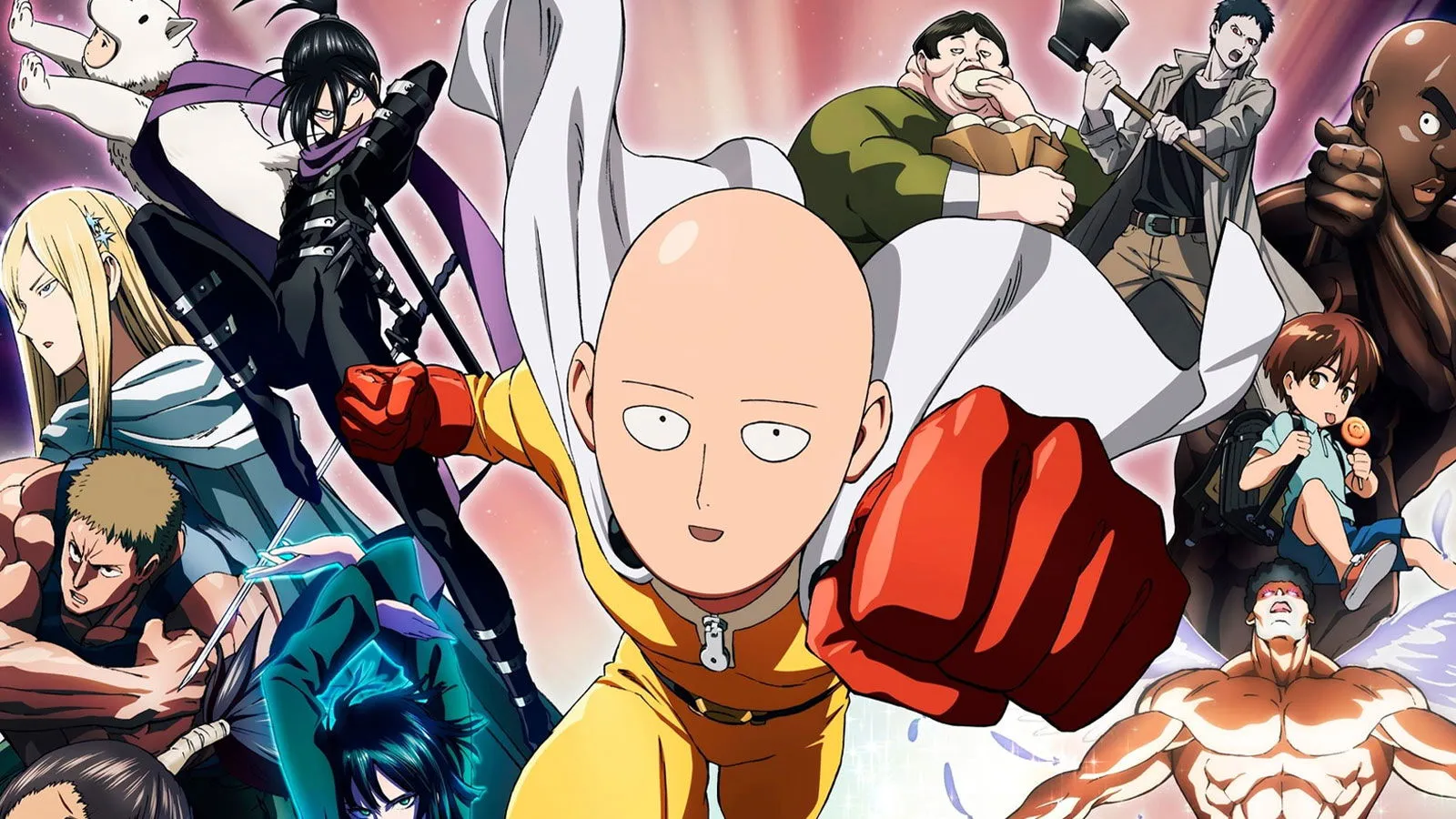
One Punch Man follows Saitama, a hero whose plain look hides a staggering gift: every fight ends with a single punch. That absolute strength drains challenge from his life, which turns the series into a sharp, funny study of power, purpose, and what heroism means. The hook comes from a precise pairing of spectacle with boredom. City-levelling clashes sit beside dry, existential humor, and the contrast gives the show its snap.
The new season steps back into a world under strain. The story zeroes in on the growing clash between the Hero Association and the increasingly organized Monster Association. This run adapts the Monster Association Arc, a major stretch of the source material with sweeping stakes. The pressure tightens fast with the rise of the “Hero Hunter,” Garou, who finds a place among the monsters. The Hero Association faces crisis conditions after a key financier’s son is kidnapped, and leadership moves to mobilize S-Class heroes for a broad campaign. The stage is set for a war that stresses institutions, egos, and ideals all at once.
From my seat, this premise feels like a snapshot of our current pop culture appetite. Audiences gravitate toward stories that scrutinize systems while still delivering big action. One Punch Man fits that moment. It treats heroics as a workplace, a media product, and a moral riddle, then lets Saitama puncture the hype with a shrug.
Strategic Delay and Narrative Structure
The premiere of One Punch Man Season 3 uses a structure closer to a geopolitical thriller than a standard action opener. Dialogue, strategy sessions, and boardroom scenes dominate the runtime. The emphasis on exposition serves a clear purpose. The season plans a multi-front war, so the episode places each major figure and faction with care.
Much of the hour follows the Hero Association machine. We see the administrative side of hero work, where executives argue over plans, budgets, and optics. Pressure from figures like Nariniki, who demands swift action to rescue his son, adds moral and financial weight to each choice. S-Class heroes such as Tatsumaki, Atomic Samurai, and Puri-Puri Prisoner receive early assignments, their collective power arrayed for an operation with many unknowns.
Also Read



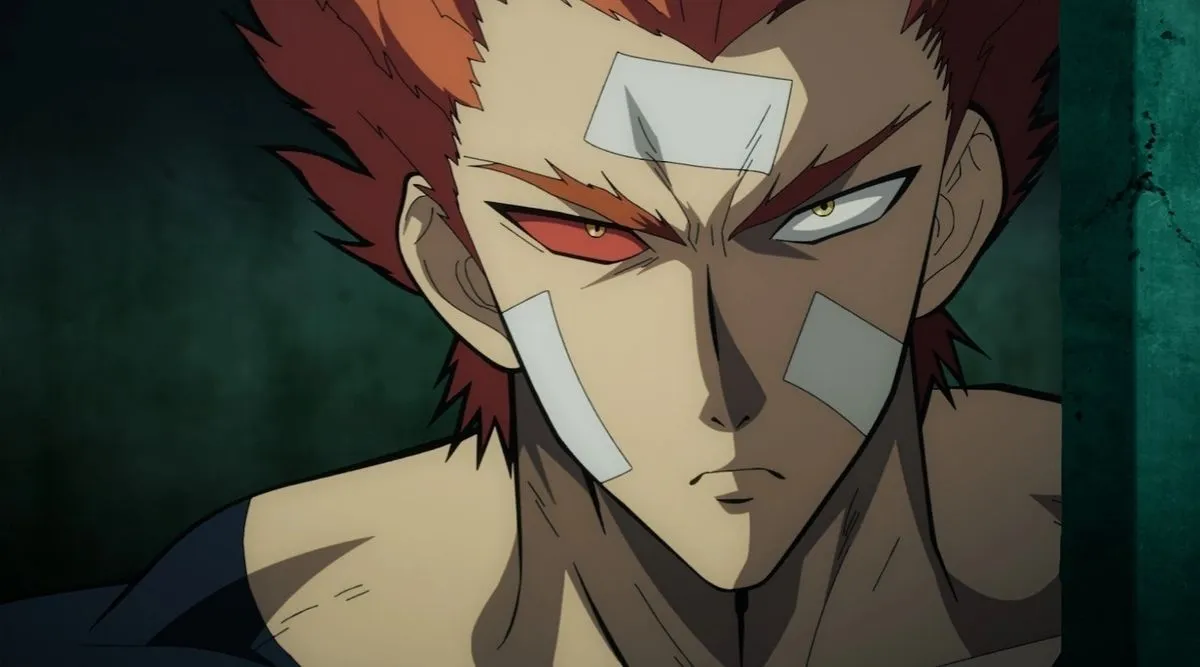
In parallel, scenes inside the Monster Association Headquarters map the other half of the chessboard. Faces like Orochi and Gyoro-Gyoro set a cooler, more tactical mood. The episode also tracks Garou’s recruitment. He wakes in the monsters’ lair and receives a brutal test of loyalty. These beats lock in a story about organization, doctrine, and ambition on both sides.
The pacing favors patience over instant thrills. Viewers looking for immediate fireworks may feel a lull. I read that lull as intentional. The episode trades short-term impact for a sense of scale, and the war it promises feels larger because of it. By holding back early, the show assigns weight to the battles that follow.
Character Dynamics and the Satirical Edge
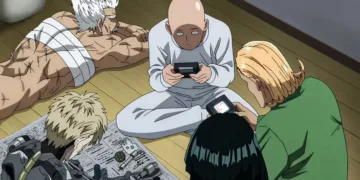
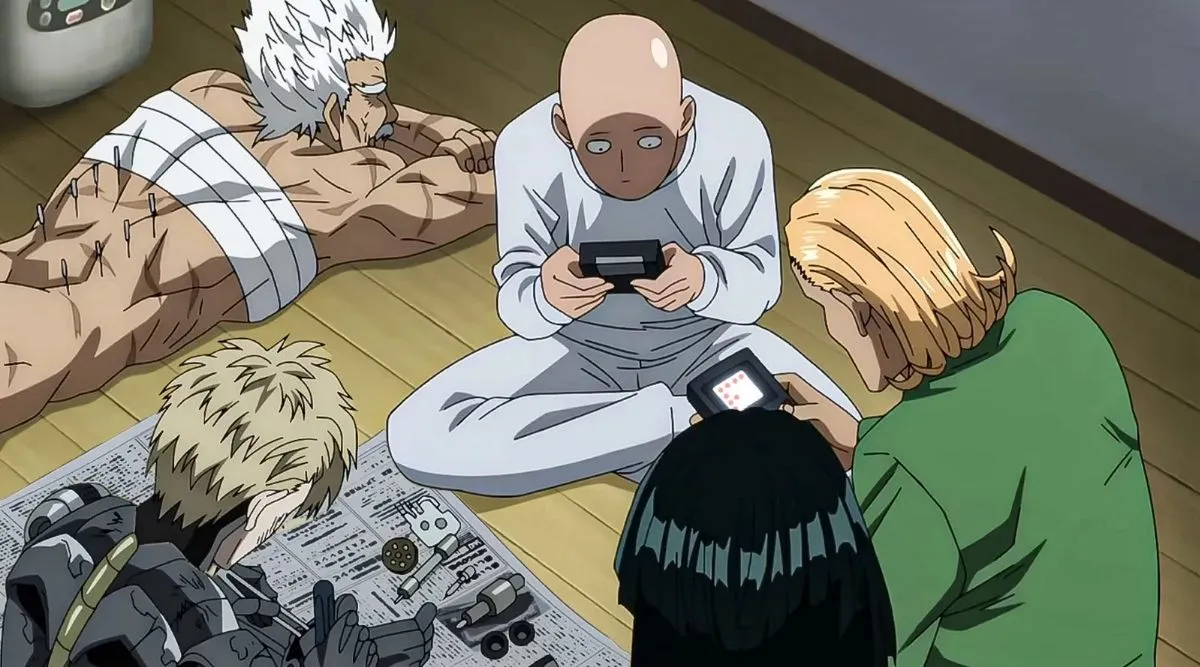
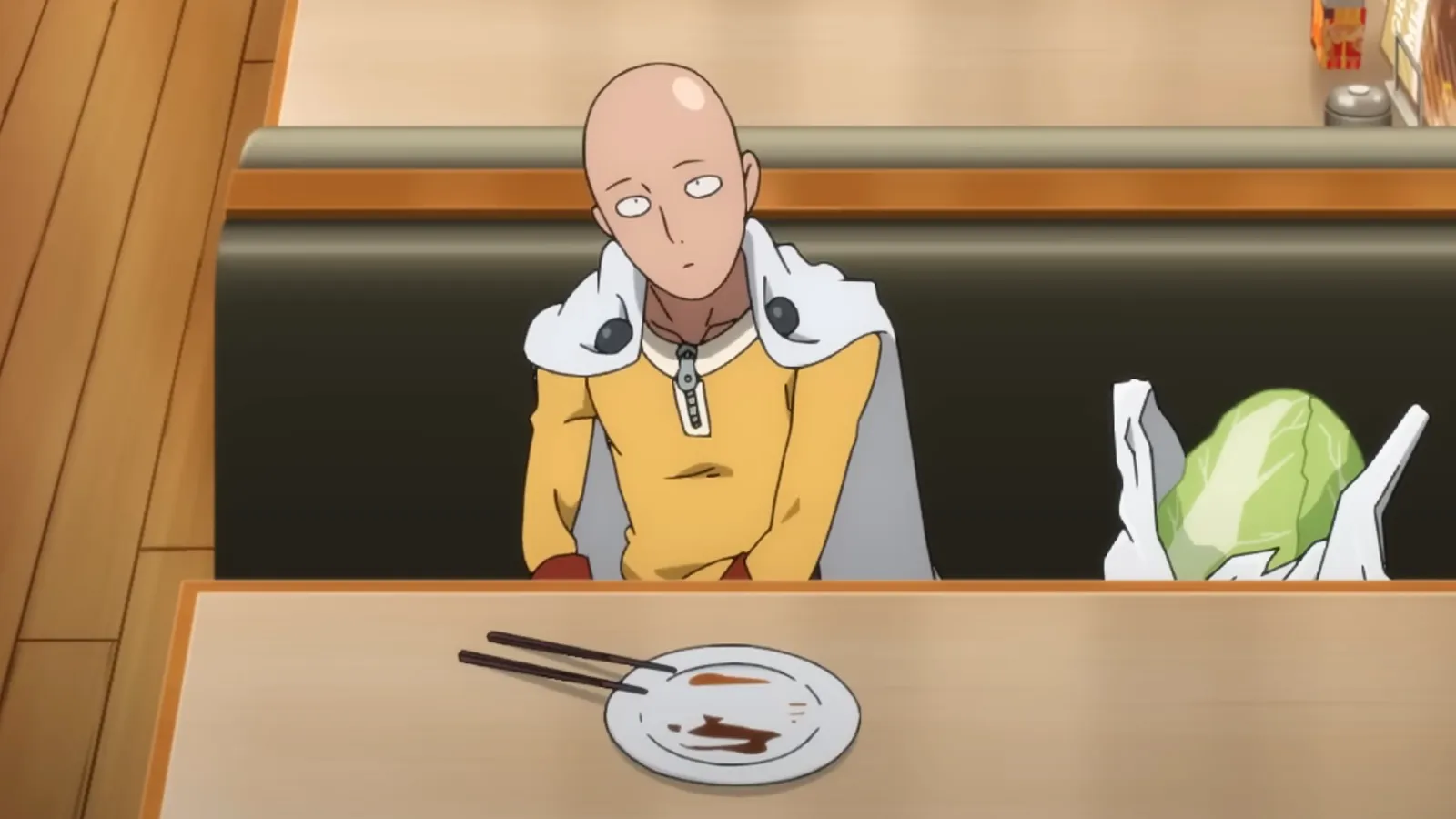
Saitama appears only briefly, yet his scenes anchor the tone. He sits apart from the crisis outside his apartment, unmoved by the alarms of the age. He plays a monster-raising video game with King, and the smallness of that moment lands as a perfect gag. A domestic scene cuts against S-Class urgency and resets the series’ comic rhythm. Saitama’s indifference functions like a mirror held up to the culture of hero worship. Unlimited strength leaves little to chase, which turns his quiet into punchline and philosophy at once.
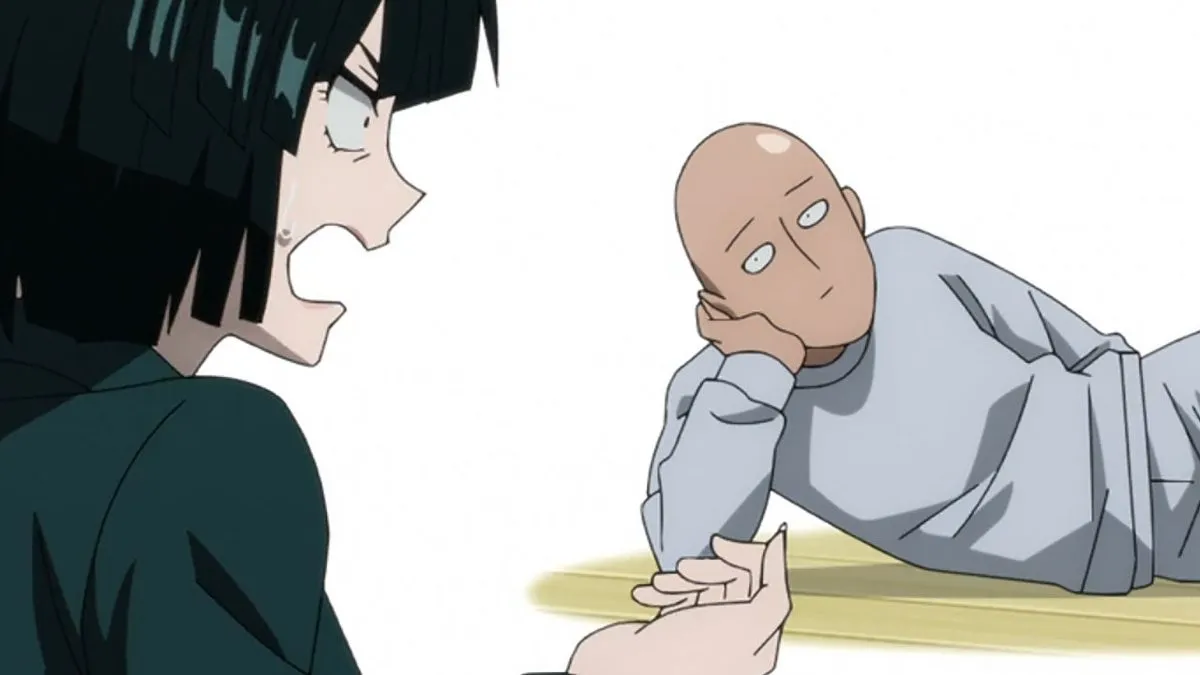
Comedic timing survives the planning focus because the core relationships stay lively. The visit from Fubuki to Saitama and Genos stands out. A B-Class leader tries to enlist the strongest man alive for a formal push, and the awkwardness sings. These interactions keep the episode light on its feet and keep the meeting-room material from drying out. A quick bit with Speed-o’-Sound Sonic and mention of Monster Cells adds another laugh and reminds us that side players still churn in the background.
The premiere also raises Garou’s profile. He becomes a focal point for the show’s central question: who counts as a hero, and who becomes a monster. His turn toward monsterification and his choice to fight with the enemy sharpen that question. The writing frames him as a layered anti-hero, which gives the season a strong moral hinge. I respond to that thread because it fits the series’ habit of poking at rigid labels. The humor remains intact, even as the build-up points toward heavy conflict.
Visual Fidelity and Production Reality
One Punch Man carries a reputation for visual fireworks, and the premiere respects Yusuke Murata’s detailed manga art. Character designs look distinct and carefully shaped. S-Class physiques read as monumental, while monsters twist into bold silhouettes. That attention to form brings the page to the screen with care.
Conversation-driven scenes show tighter limits. When the camera stays in rooms and tracks talk, motion reduces, and some shots flatten out. The choice fits an episode built on exposition, yet the drop from the first season’s legendary fluidity is noticeable. The direction works to add shape to static exchanges, and the effort lands in fits.
Backgrounds show another constraint. Spaces like the Monster Association Headquarters lack depth and atmosphere. The sets feel simple, and that simplicity trims the sense of weight in quieter scenes. A textured environment can do a lot of storytelling. The thin backdrops make the world feel smaller than the stakes suggest.
These pressures reflect the challenge facing the team at J.C.Staff. A new studio and director, Shinpei Nagai, carry the burden of a high bar set years ago. Expectations rest on the stretch of story this season adapts. The real test sits in the battles that approach. If the action lands with clarity and speed, the exposition will feel like a smart investment. If it does not, the early limits will stand out even more.
Verdict: A Necessary Pause Before the Storm
The One Punch Man Season 3 premiere makes a measured play. It lays down sturdy groundwork for a sweeping conflict, keeps the humor sharp, and preserves character designs that honor the manga’s aesthetic. Key players and factions take their marks, and the stakes read as high.
Weaknesses sit in plain view. The pace leans heavily on dialogue, and the animation inside those talky stretches feels limited. The story needs this setup, yet the absence of early action means the season’s quality hinges on what comes next. The outcome rests on how fluid and readable the large fights look on screen. This arc carries a reputation for action, and the production must match that energy. For long-time viewers, the premiere plays like quiet air before a storm. It maps the battlefield, sketches the loyalties, and asks for a bit of patience. I’m ready to see if the coming episodes cash the check this opener writes.
One-Punch Man Season 3 is the continuation of the anime television series based on the webcomic and manga by One and Yusuke Murata, which follows the superhero Saitama who can defeat any opponent with a single punch. The third season, animated by J.C.Staff and directed by Shinpei Nagai, premiered in Japan on October 12, 2025. The season focuses heavily on adapting the highly-anticipated Monster Association arc, where the Hero Association is forced into a large-scale war against the monstrous villains, continuing the storyline of the “human monster,” Garou. You can watch the series streaming on platforms like Hulu (in the United States), Disney+ (in Canada), and Crunchyroll (in Europe and the Middle East).
Full Credits
Director: Shinpei Nagai
Writers: One, Yusuke Murata, Tomohiro Suzuki
Producers and Executive Producers: Atsushi Fujishiro, Chinatsu Matsui, Yuji Matsukura
Cast: Makoto Furukawa, Kaito Ishikawa, Hikaru Midorikawa, Aoi Yūki, Hiroki Yasumoto, Kazuhiro Yamaji, Kenjirō Tsuda, Saori Hayami
Director of Photography (Cinematographer): Yuki Hirose
Editors: Masahiro Gotō
Composer: Makoto Miyazaki
The Review
One Punch Man Season 3
The premiere of One Punch Man Season 3 is a patient strategic setup for the series’ most ambitious storyline. It successfully retains the deadpan humor and satirical heart while adhering closely to the source material's visual designs. The choice to prioritize exposition results in a glacial pace and frequently stiff animation. This is a deliberate, albeit cautious, start that places immense pressure on subsequent episodes to deliver the spectacular action and visual fluidity the franchise is known for.
PROS
- Faithful story adaptation and narrative setup.
- Effective return of the series' satirical humor.
- Detailed, accurate character designs.
- Sets the stage for the series' biggest arc.
CONS
- Very slow, dialogue-heavy pacing in the premiere.
- Noticeably limited animation fluidity in non-action scenes.
- Background art and environments often appear simple.
- High expectations remain unmet by the episode's scope.