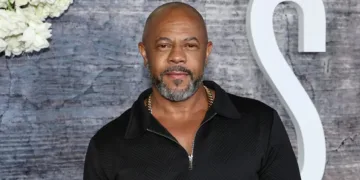



























A Los Angeles jury on Saturday found that “9-1-1” actor Rockmond Dunbar was not unlawfully discriminated against when Disney’s 20th Television ended his employment in 2021 after he declined to comply with the studio’s COVID-19 vaccination policy. The panel unanimously sided with the company following a weeklong trial centered on Dunbar’s claim that he was denied a religious exemption and wrongfully pushed off the drama, where he played Michael Grant for five seasons.
Jurors were asked first whether Dunbar held a sincerely held religious belief that conflicted with vaccination; they answered no, a finding that undercut his primary claim under Title VII and ended deliberations in the studio’s favor. The verdict also validates 20th Television’s handling of its 2021 mandate, which allowed for medical and religious accommodations subject to verification.
The case had narrowed significantly before trial. In earlier rulings, a federal judge dismissed multiple counts, including race discrimination and retaliation, leaving only the religious-discrimination claim for a jury to decide. The court also removed The Walt Disney Company as a defendant, focusing the dispute on 20th Television, the show’s producer.
Dunbar’s lawsuit, filed in 2022, alleged he sought both medical and religious accommodations and was unfairly characterized in the press after his exit. He sought monetary damages and contended that his request—citing beliefs associated with the Congregation of Universal Wisdom—should have been honored. 20th Television countered that his submissions did not meet policy standards and that production logistics and on-set safety required consistent adherence to the mandate at the time.
The dispute drew attention as one of the most prominent entertainment-industry tests of pandemic-era workplace rules, with observers noting the implications for how studios evaluate exemption requests while maintaining health protocols. With the verdict in hand, 20th Television avoids potential liability and preserves a legal blueprint that other employers have cited as they defend similar mandates in court.