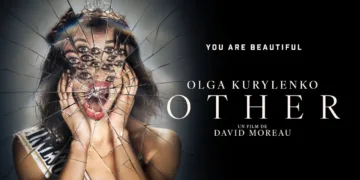















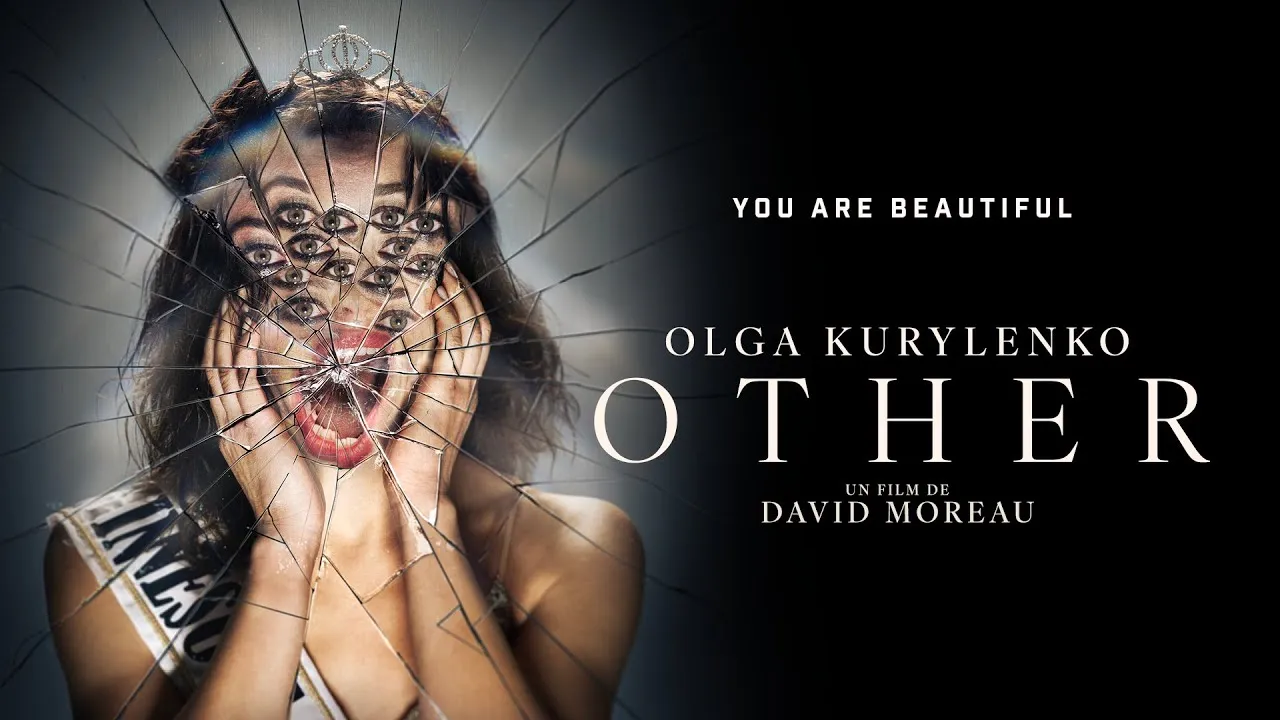

A phone call announces a death, and the frame holds on Alice’s (Olga Kurylenko) eyes in the rearview mirror. The close, unwavering composition sets the film’s terms: a contained portrait of psychic reckoning. Director David Moreau, whose credits include the propulsive MadS and the tight, homebound terror of Them, brings Other with the air of a bold genre experiment.
Alice returns to the cold, modern shell of her childhood home after the violent, mysterious death of her estranged mother. The space offers no refuge. Surveillance hardware maps her movements, and each corridor reads like a corridor of memory. She carries the weight of a brutal past shaped by beauty pageants and a domineering parent.
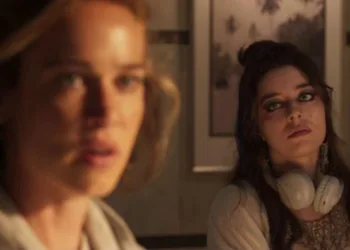
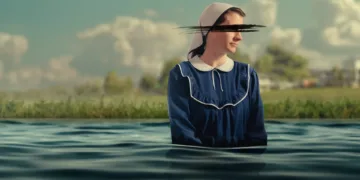
A presence circles the edges of her perception. The title’s “other” links to the mother’s secrets and the estate’s foreboding design. Moreau makes a striking formal wager: across the film, Alice’s face is the sole image in sharp focus. Everyone else appears blurred, masked, or occluded, which engraves her isolation into every shot.
Trauma and the Broken Mirror
The conflict grows from Alice’s abusive upbringing. The house functions as a mausoleum of pain, and glitching VHS tapes trigger submerged recollections. Those recordings archive a regime of cruelty built on impossible beauty rules and total control. Moreau threads large and loaded ideas through this single storyline: grief, trauma, gender coding, body image, paranoia, and the liturgy of modern surveillance.
The ambition spreads the film thin and keeps any one idea from taking root with real emotional force or philosophical bite. Beauty masks and cosmetic rituals recur as a symbolic “evil,” yet the device feels stale beside recent body horror that treats similar material with richer shading. The treatment of motherhood lands without conviction. Visually, the film fights itself.
A drive toward grounded fear rubs against stylized bursts of found footage and a quicksilver, almost Lynchian rendering of trauma-struck delirium. The choice to shoot in English adds friction; stretches of dialogue sound stiff or awkward, and that stiffness undercuts the sincerity that the images work to build.
Performance in Solitude
The structure leans on Olga Kurylenko to sustain the current. She supplies a clear emotional axis, holding the screen with crisp authority in both silent dread and unguarded collapse, including a drunken whirl in an old pageant gown. The film becomes a showcase for her ability to transmit layered hurt without speech. Moreau finds pockets of true tension as well.
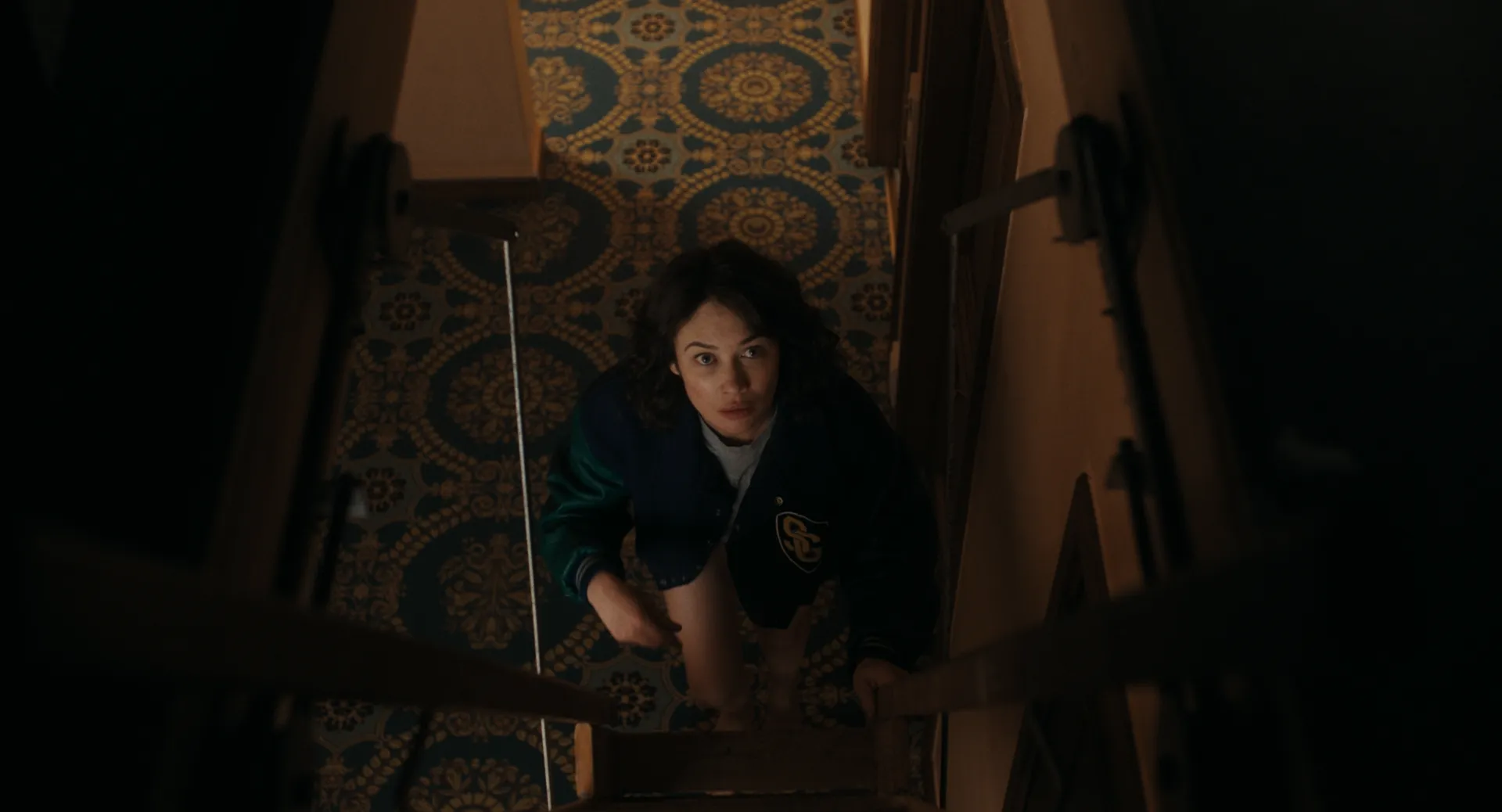
The sound design keeps a steady thrum of unease and presses the audience into Alice’s rising panic. A night vision sequence manipulates light and shadow with finesse and lands a sharp jolt. The body horror arrives with convincing heft and sickly detail. Repetition and ragged pacing in the middle section sap that charge. Elaborate set pieces chase a “cool” concept, then stumble in execution, which breeds frustration.
The creature appears mostly as teasing silhouette and slivered glimpses. Moreau treats the premise with straight-faced seriousness, a choice that lets odder beats sit inside the film’s reality, including a moment where the figure pockets car keys. The scene reads as strange, yet it fits the absurd logic already established.
The Hollow Payoff
The plot assembles itself by degrees. Flashbacks arrive in shards, breadcrumbs hint at the creature’s origin, and the faceless framing sustains a patient mystery through the first stretches. The third act cannot cash the check the film has written.
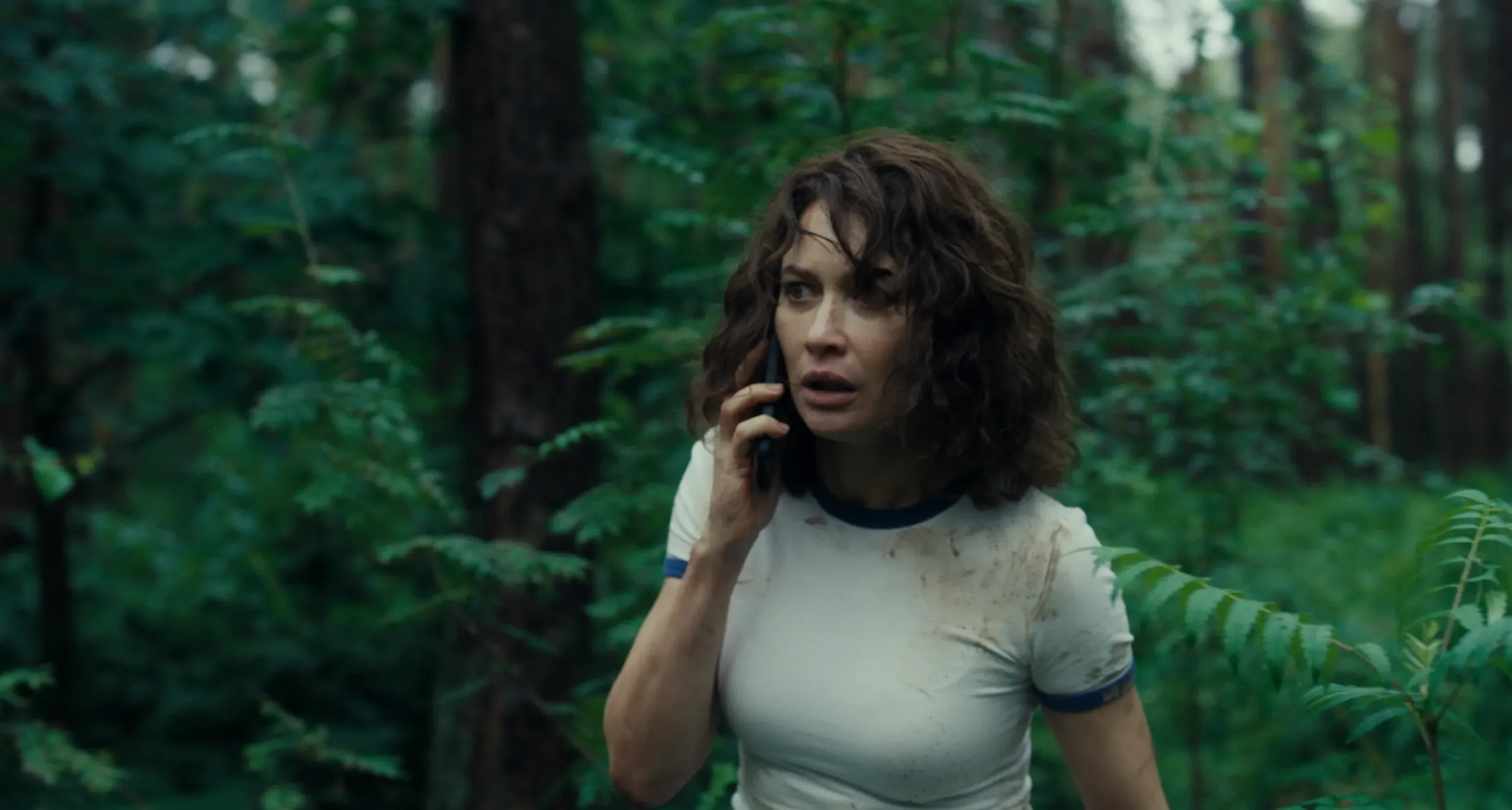
After so much carefully rationed uncertainty, the payoff lands soft. The last reveal, startling on its face, rests on a single plot device: one VHS tape that suddenly contains every needed answer. The convenience works like a trapdoor, dropping the story toward a mechanical fix.
The device feels grafted onto the film, not grown from it, and it leaves a cluster of questions hanging in the air. The ending cannot validate earlier detours or shaky choices, and the final beat narrows the film’s potential for a second viewing.
Other, a French psychological thriller, was released in the US on October 17, 2025, and is available to stream on Shudder. Directed by David Moreau, the film follows Alice as she returns to her estranged mother’s home after her death, only to find the house rigged with hidden surveillance. Alice is forced to confront her traumatic childhood memories as a mysterious and sinister presence stalks her every move, driving her toward a terrifying truth. The film blends psychological suspense with domestic horror, using the house itself as a character and a representation of buried family trauma.
Credits
Director: David Moreau
Writers: David Moreau, Jon Goldman
Producers and Executive Producers: Clément Miserez, Matthieu Warter, Bastien Sirodot, Cloé Garbay, Laurent Jacobs, David Giordano
Cast: Olga Kurylenko, Jean Schatz, Lola Bonaventure, Jacqueline Ghaye, Sacha Nugent, Philip Schurer, Anne-Pascale Clairembourg, Julie Maes
Director of Photography (Cinematographer): Julien Ramirez Hernan
Editors: Stéphane Roche
Composer: Nathaniel Méchaly
The Review
Other
Other showcases a mesmerizing lead performance from Olga Kurylenko and moments of intense technical horror, particularly in its sound design and gruesome effects. The core narrative of trauma and control holds initial promise. Ultimately, the film is weighed down by a lack of thematic focus, awkwardly executed stylistic clashes, and a final act that resorts to weak, convoluted storytelling. It is a visually arresting misstep from a talented director, collapsing under the ambition of its own ideas.
PROS
- Olga Kurylenko’s committed, powerful central performance.
- Effective use of dread-inducing sound design.
- The striking visual concept of only the protagonist having a clear face.
- Moments of genuinely scary, well-executed body horror sequences.
CONS
- A sprawling, unfocused narrative that juggles too many themes (trauma, gender roles, surveillance).
- The commentary on beauty standards is tired and superficial.
- Erratic pacing and repetitive frights in the middle section.
- A contrived, underwhelming third-act revelation based on weak storytelling.