





























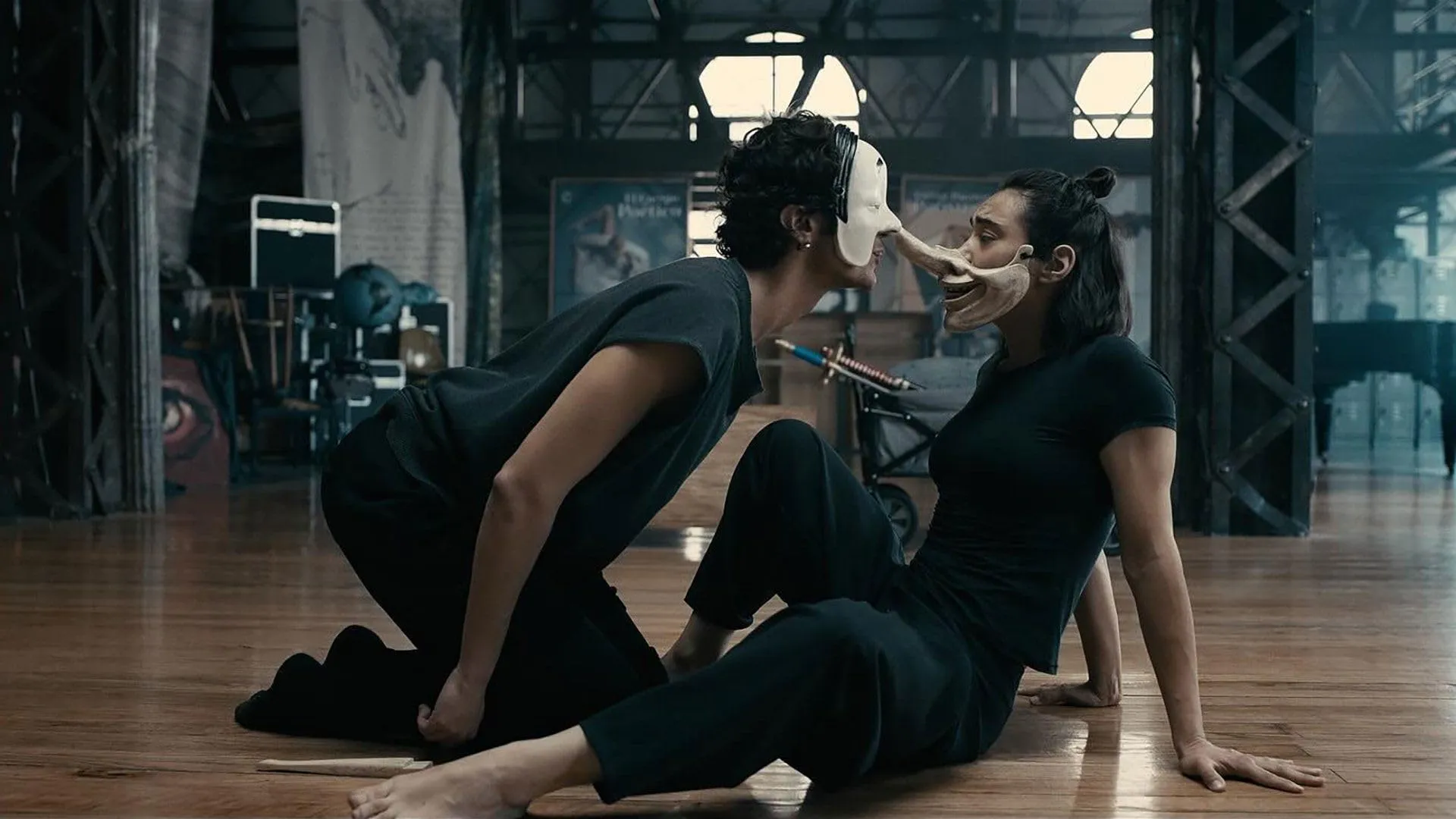

Rodrigo García’s new film, The Follies (Las Locuras), is an immersive Mexican drama that plays out across a single, emotionally charged day in Mexico City. García is known for a signature style that stays intimate and rooted in character-driven emotional storytelling. Here, he follows multiple lives, primarily women, as they move toward moments of self-confrontation.
The idea is clear from the start: internal constraints, family duties, and relentless social pressures converge, forcing people to face who they genuinely are. Presented as an anthology with subtly intersecting storylines, the film feels like a shared held breath, waiting for an emotional release. It is concerned with profound vulnerability and the messy, human reality of holding on until you cannot.
The Art of the Pressure Cooker Narrative
The most striking element of The Follies is its narrative architecture: a single-day, time-compressed structure. This choice gives the film a pressure-cooker rhythm, stripping away detours and keeping the characters locked inside their crises. With the clock running, their deepest anxieties surface fast.
The effect is like a high-stakes instant stretched to feature length, where every decision carries visceral weight. The stories intersect through atmosphere and thematic resonance more than through grand plot mechanics. For me, it calls to mind ensemble films that track internal earthquakes, with little interest in external spectacle.
The film keeps its attention on emotional strain and identity, showing how self-imposed limits and survival instincts sit just beneath ordinary routine. It speaks directly to the societal constraints placed on the feminine. García critiques the expectation that women remain composed, then shows how true feeling or distress is dismissed as “madness” or follies, a term historically used to invalidate female agency. The film champions a vital idea: a crisis, even an emotional breakdown, can be the catalyst for breakthrough, leading to liberation and self-recognition.
Cinematic Density in Mexico City
García’s direction operates with quiet psychological precision. He maintains an intimate, composed style that trusts the cast, grounding the drama in psychological realism. The approach is built from micro-moments, a long take, a charged silence, a glance, each one capturing internal conflict while keeping the tone clear of melodrama.
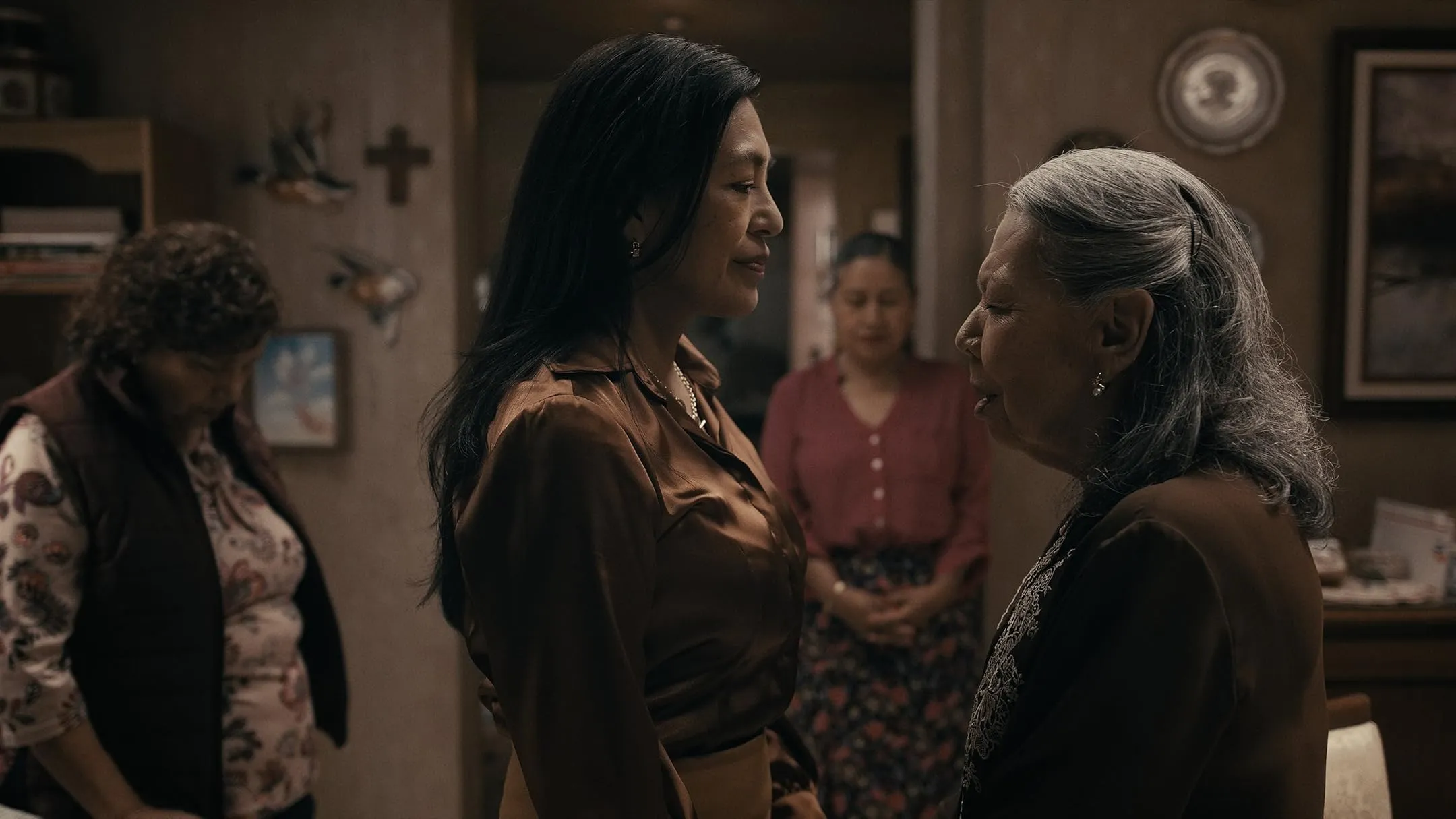
Mexico City is far from a simple location. Its urban density, chaos, and unpredictable spirit mirror the characters’ inner storms, creating a sense of emotional claustrophobia. This environment amplifies their isolation and raises the stakes of the day.
Visually, the film uses fragmentation in its mise-en-scène, showing isolated gestures and silhouetted bodies that make tension palpable without turning it into spectacle. As emotional instability increases, the editing shifts from longer observational takes to shorter cuts. Careful lighting and shadow work alongside that shift, hinting at internal crises without overstating them. The technical choices serve the emotional truth, a familiar strength of strong independent filmmaking.
A Powerhouse Ensemble of Authenticity
The ensemble cast is the film’s engine, giving it a deeply human, recognizable pulse. The performers embody their roles with raw honesty, letting feeling come through action, hesitation, and weariness, with few lengthy speeches. The performances feel lived and immediate.
Cassandra Ciangherotti, playing Renata, a mercurial figure under house arrest, anchors the film’s emotional mosaic. She captures Renata’s intellectual chaos and intelligence, embodying a woman who refuses to be ignored or categorized. Adriana Barraza and Ilse Salas deliver a tense mother-daughter dynamic strained by family expectations and buried truths.
Elsewhere, Naian González Norvind portrays a woman confronting death in her profession while struggling with personal limits. The film succeeds because this cast commits to nuance and authenticity in these flawed individuals. They create a portrait of humanity at a breaking point, showing vulnerability as a powerful act.
The Follies is a powerful Mexican anthology drama directed and written by Rodrigo García. It follows multiple characters whose lives intersect over a single, emotionally intense day in Mexico City, as they confront and rebel against personal confinement, self-censorship, and overwhelming family and societal pressures. The film had a limited theatrical release in Mexico starting in September 2025. It will be available for a worldwide audience to watch on Netflix starting November 20, 2025.
Full Credits
Title: The Follies (Las Locuras)
Distributor: Netflix (Worldwide), Pimienta Films (Mexico)
Release date: September 18, 2025 (Mexico theatrical), November 20, 2025 (Netflix worldwide)
Rating: TV-MA
Running time: 121 minutes (2 hours 1 minute)
Director: Rodrigo García
Writers: Rodrigo García
Producers and Executive Producers: Pablo Zimbrón Alva, Gerardo Gatica González
Cast: Naian González Norvind, Adriana Barraza, Ilse Salas, Cassandra Ciangherotti, Mónica del Carmen, Raúl Briones, Natalia Solián, Alfredo Castro, Fernanda Castillo, Ángeles Cruz, Daniel Tovar, Juanki Durán
Director of Photography (Cinematographer): Igor Jadue-Lillo
The Review
The Follies
The Follies is a fiercely authentic and cathartic drama. Rodrigo García uses the single-day structure to create a powerful, intimate study of societal and internal pressures, particularly those facing women. The film avoids easy answers, favoring emotional honesty and realism. Supported by a masterful ensemble, the movie demands patience due to its atmospheric pace, but rewards the viewer with a profound sense of recognition and liberation. It is a vital and psychologically resonant piece of cinema.
PROS
- Performances feel deeply authentic and lived-in.
- The single-day, time-compressed format generates sustained tension.
- It offers a piercing commentary on female identity, social expectations, and burnout.
- García’s intimate, observational style avoids melodrama while maximizing emotional impact.
CONS
- The film’s deliberate rhythm may feel ponderous to some viewers.
- The heightened, raw emotions can feel overwhelming at times.
- Some storylines offer only a "peek at emergency" without traditional plot resolution.