




























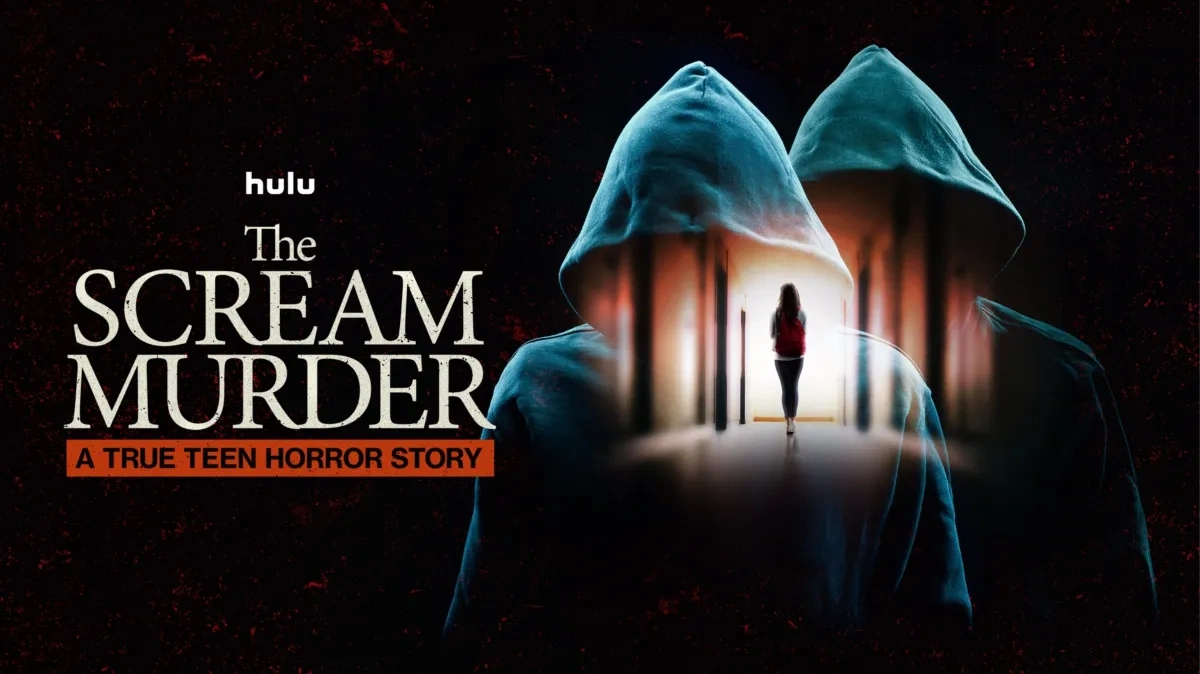

ABC News Studios and Hulu bring a cold slice of American horror to the screen with The Scream Murder: A True Teen Horror Story. Directed by Lisa Quijano Wolfinger and Conor McCarthy, the three-part series studies the 2006 killing of sixteen-year-old Cassie Jo Stoddart in Pocatello, Idaho.
The place matters. Pet-sitting in a remote house should have been a dull weekend task, the sort of teenage errand that ends with snacks and a ride home. Stoddart was found stabbed to death. Her classmates, Brian Draper and Torey Adamcik, soon became the main subjects of interest.
The production avoids the usual reenactment-heavy cable true-crime machinery. Its force comes from archival interrogation footage, grainy and blunt, placed beside polished interviews recorded in 2025. That structure gives the series its chill.
The past talks back to the present, and the edit lets the gap between boyhood and adulthood do much of the damage. The directors introduce the horror with restraint, giving the lost life its weight before the story moves into the machinery of investigation and punishment.
The Reel Evidence
Police work often starts close to home. Investigators first examined Stoddart’s boyfriend, Matt Beckham, who faced polygraph tests and sharp questioning. His alibi held. Attention moved to Draper and Adamcik as their stories began to split at the seams. They claimed they spent the night at a local theater watching the horror film Pulse. Asked to describe the plot, they came up empty. A tip for future criminals: if a movie is your alibi, learn the third act.
That blank spot caught the attention of officials such as John Ganske and Roger Schei. Draper eventually broke under pressure and led authorities to a hidden cache in the Idaho wilderness. The discovery plays like a prop list from a nightmare: a Sloan knife, a larger Rambo blade, and various masks.
The most damning item was a partially scorched videotape. It settled the question of intent with awful clarity. The pair had filmed their own rehearsals for the murder, named Stoddart directly, and recorded themselves in a car minutes after the crime. They laughed. They bragged. They became their own archivists, tracking the move from students to killers with a precision that feels almost bureaucratic. Evil loves paperwork, apparently.
Sins of the Sons and Stories of the Parents
The documentary studies the shadow thrown by popular culture. Draper and Adamcik shared a fixation on the original Scream film and admired the perpetrators of the Columbine massacre. The fixation had real-life shape: a hit list of peers and surveillance of classmates such as Dani Dixon. Former friends Kirsten Barta and Miranda Chacon describe the pair’s social collapse. Adamcik, once remembered for humor, became defined by knives.
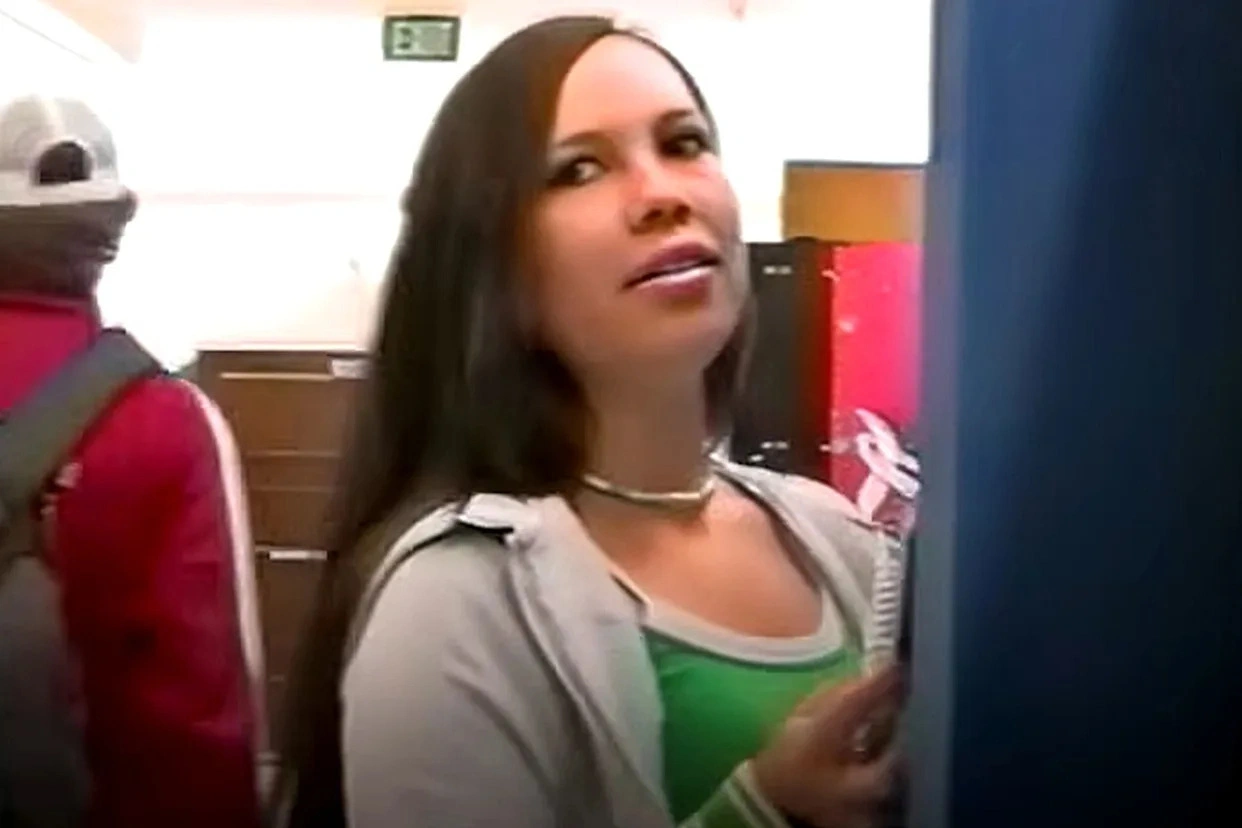
The series gives major space to the killers’ parents, a choice that makes the viewing experience squirm. Kerry Draper supplies the project’s emotional weight, speaking through visible grief and saying he would trade his freedom for his son’s.
The mothers present a guarded front. Pam Draper points toward the influence of the other boy. Shannon Adamcik remembers her son as a gentle child. Their testimony fits a familiar true-crime tension, the search for a reason where reason keeps slipping away.
The direct voice of Stoddart’s family is absent, and that absence leaves a painful gap. The narrative stays with the people who raised the murderers. The viewer is left to weigh parental anguish against the silence surrounding the victim, a silence that grows louder with every interview.
The Long Shadow of a Sixteen-Year-Old Decision
The final episode turns to prison life and the long legal tail of a teenage decision. Both boys were tried as adults and received life sentences without the possibility of parole. The 2025 interviews at the Idaho State Correctional Center show the men they became. Torey Adamcik speaks with unusual openness. He discusses his teenage struggle with his sexual identity, his rejection of the Mormon faith, and his full participation in the stabbing.
Brian Draper brings a colder rhythm. He claims the person who committed the crime no longer exists. The distance he places between himself and the act feels defensive, a shield polished smooth over time. Expert testimony from Laurence Steinberg explains the science of the developing teenage brain, giving the legal question a scientific frame. The series also examines the Miller v. Alabama ruling and Idaho’s refusal to apply it to past cases. That deadlock keeps both men in prison.
The documentary closes on Pam Draper’s account of a chance restaurant meeting with a relative of the victim. The two families shared a moment of kindness where anger might have been expected. It is a small human beat after three hours of dread, and maybe the hardest one to file away. Can any community close a chapter written in so much blood?
The Scream Murder: A True Teen Horror Story is a haunting three-part docuseries that premiered on February 11, 2026. Produced by Lone Wolf Media for ABC News Studios, the series revisits the 2006 murder of sixteen-year-old Cassie Jo Stoddart in Pocatello, Idaho. It provides a comprehensive look at the investigation, featuring modern-day interviews with the killers, Brian Draper and Torey Adamcik, as they reflect on the “thrill kill” they modeled after the movie Scream. You can currently stream the entire series on Hulu and Hulu on Disney+ in the United States.
Where to Watch The Scream Murder: A True Teen Horror Story Online


Full Credits
Title: The Scream Murder: A True Teen Horror Story
Distributor: Hulu, ABC News Studios
Release date: February 11, 2026
Rating: TV-MA
Running time: 44 minutes per episode
Director: Lisa Quijano Wolfinger, Conor McCarthy
Writers: Lisa Quijano Wolfinger, Conor McCarthy
Producers and Executive Producers: David Sloan, Beth Hoppe, Lisa Quijano Wolfinger, Conor McCarthy, Patrick Rogers
Cast: Brian Draper, Torey Adamcik, Matt Beckham, John Ganske, Roger Schei, Shannon Adamcik, Pam Draper, Kerry Draper
The Review
The Scream Murder: A True Teen Horror Story
The series provides a chilling look at a crime that feels like a script come to life. By focusing on the killers and their families, it reveals the ripple effects of youth violence. The archival footage is the strongest asset. It forces the audience to witness the cold premeditation of the perpetrators. The absence of the victim's family is noticeable. However, the production remains a sharp examination of the link between media and murder. It avoids easy answers.
PROS
- Includes rare, high-quality archival interrogation and planning tapes.
- Features raw, transparent interviews with the parents of the perpetrators.
- Maintains a clear, chronological structure that builds tension naturally.
CONS
- Excludes direct participation from the victim’s surviving relatives.
- Focuses heavily on the killers, which can feel morally lopsided.







