




























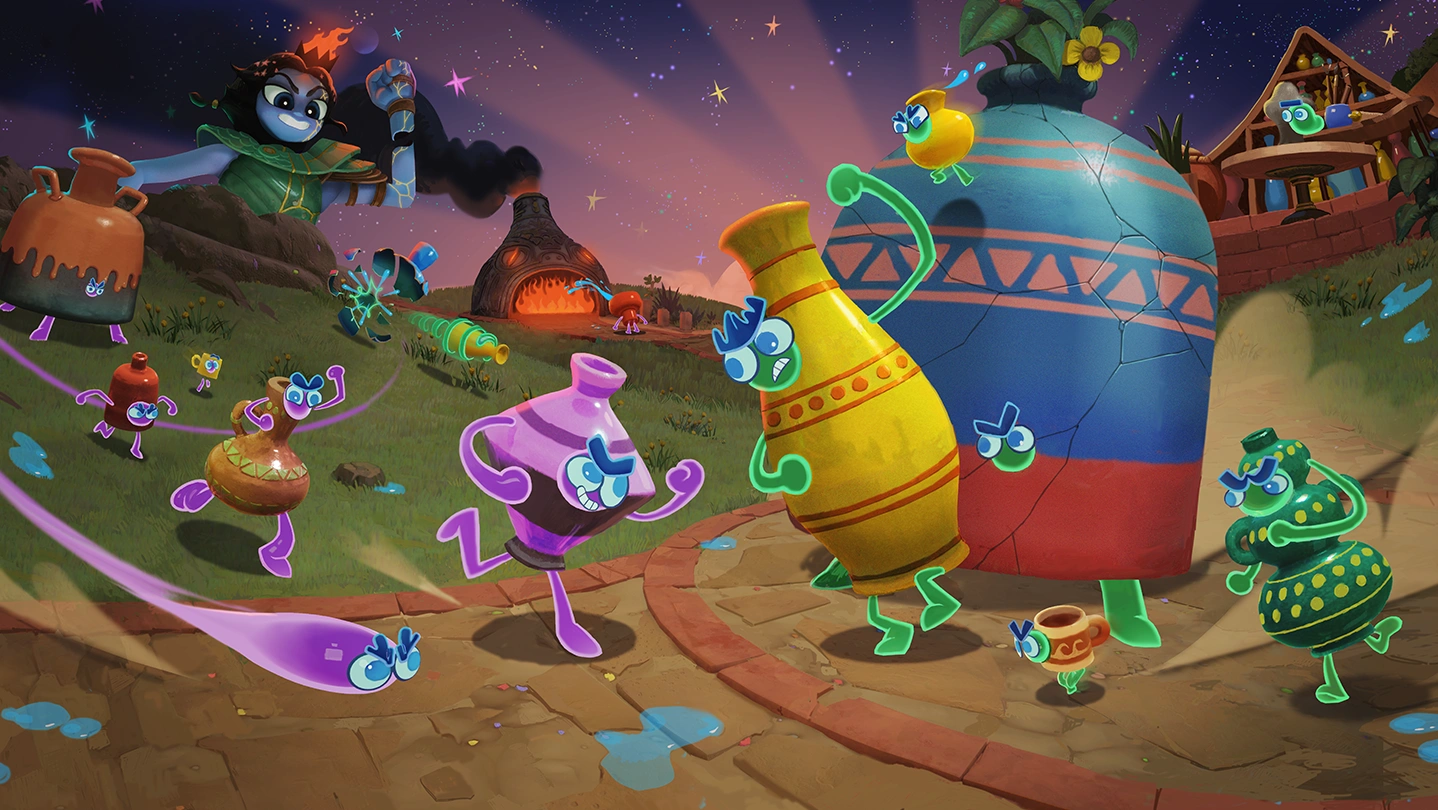

Double Fine Productions brings its usual taste for the surreal into multiplayer with Kiln. Players become small spirits who possess handmade pottery and use those vessels in team-based combat. The game runs on a loop of sculpting, social downtime, and competitive brawling.
You begin in a shared hub, move to a potter’s wheel, and shape your vessel by hand before entering Quench, a 4v4 mode where each ceramic body acts as a hero character. The goal is simple: collect water, carry it across the arena, and extinguish the rival team’s burning kiln three times while protecting your own.
That setup gives Kiln a clear identity. Its priorities sit far from the usual shooter or MOBA template, with tactile creation and wobbly physics driving the experience. The project also marks a smaller, more experimental multiplayer direction for Double Fine. Visually, the game stays colorful and stylized, with the studio’s familiar comic personality still visible to anyone who knows the developers of Psychonauts.
The Physicality of Character Design
The sculpting tool gives players their main form of agency. At the virtual potter’s wheel, you shape a spinning lump of clay by pushing, pulling, and stretching it with your hands. The controls lean into real-world physical behavior, so height, width, thickness, and proportion all feel connected to the act of making the object.
That connection matters because the vessel’s shape affects its role in combat. A wide, hollow pot can carry a large supply of water, though it comes with lower health. A small, thick-walled build moves faster and survives longer, with less carrying capacity. Kiln turns character creation into a mechanical decision before the match begins. The silhouette is the loadout.
Even strange, abstract builds fall into archetypes such as Plates or Cylinders, and those categories decide your special ability. A top-heavy vase may activate a tornado spin. A tall, narrow cylinder can function as a heavy weapon. Between matches, three saved designs sit on a shelf, giving players a small roster they can swap through during respawns. That structure lets a team adjust its needs mid-match, shifting between speed, defense, and water capacity.
Unlockable glazes and hats add personality, yet the body shape remains the key element. Cosmetic identity sits on top of mechanical identity, and the game is strongest when it makes those two feel connected. Sculpting becomes a calm, almost meditative preparation phase where the practical value of a design is visible in every curve.
Fluid Tactics in the Arena
Quench carries the workshop’s creative logic into a messy 4v4 fight. Each team guards a flaming kiln and tries to put out the enemy fire three times. The basic rhythm is easy to understand: find water, fill your vessel, transport it, and survive long enough to pour it where it matters.
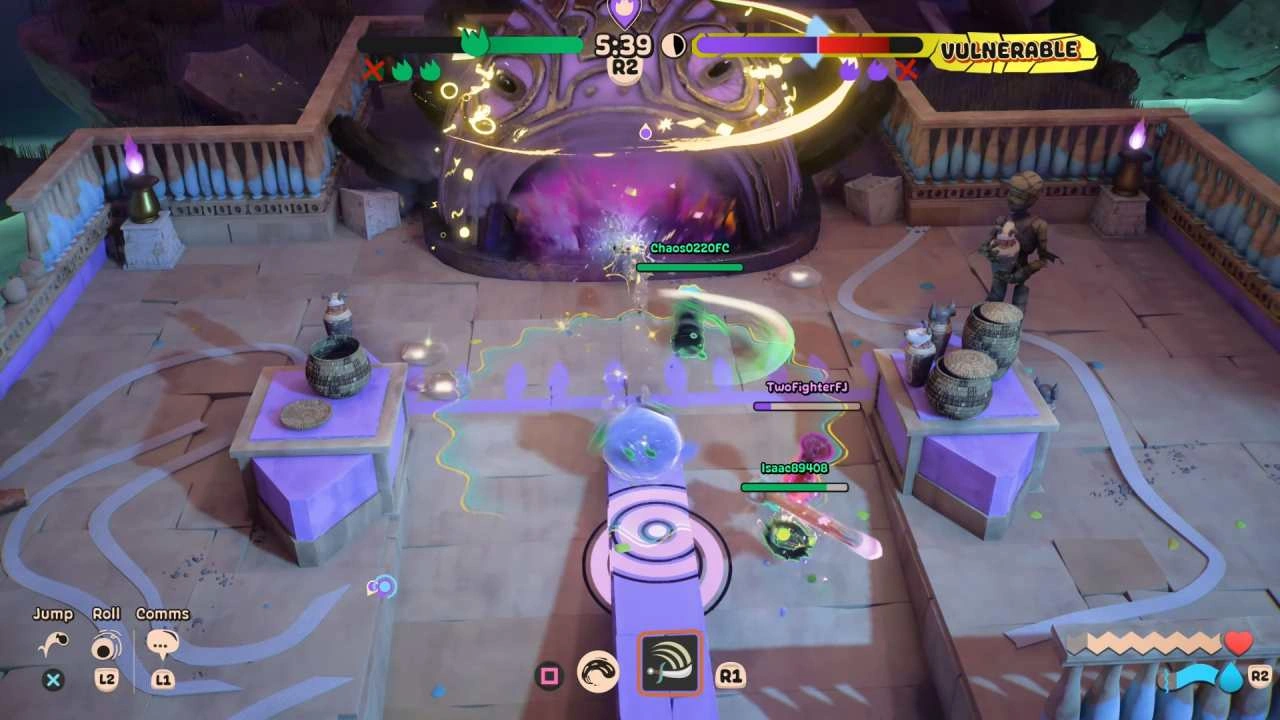
Combat uses straightforward strikes and jumping attacks. Jumping hits hard, yet the landing spills water from your pot, creating a constant tactical tradeoff between damage and delivery. Special abilities run on cooldowns and add disruption during pushes, especially when teams collide near the kiln.
Movement adds another layer of decision-making through a roll mechanic. Rolling gives you a quick escape, and it also leaks water. That small detail captures the design philosophy of Kiln: nearly every useful action carries a physical cost. A player rushing across the map has to weigh survival against mission progress every few seconds.
Team composition becomes important. Fast scouts can harass opponents and slip through openings. Heavier vessels work better as defenders, holding space around the home kiln and absorbing pressure. The arena layouts encourage that role-based play through themed hazards and small environmental tricks. Dionysus’ Boogie Lounge uses dance floors that interfere with movement. The Egyptian arenas rely on floating platforms to divide teams. Sponges can be dampened to block routes, rewarding players who pay attention to the map’s geometry.
The physics keep fights loose and slightly unstable. Encounters rarely feel perfectly clean, which fits the strange premise. At its best, Kiln feels like a clay-streaked multiplayer cousin to familiar arena combat, with a stronger emphasis on shape, weight, and momentum than precision targeting.
The Social Hub and Technical Friction
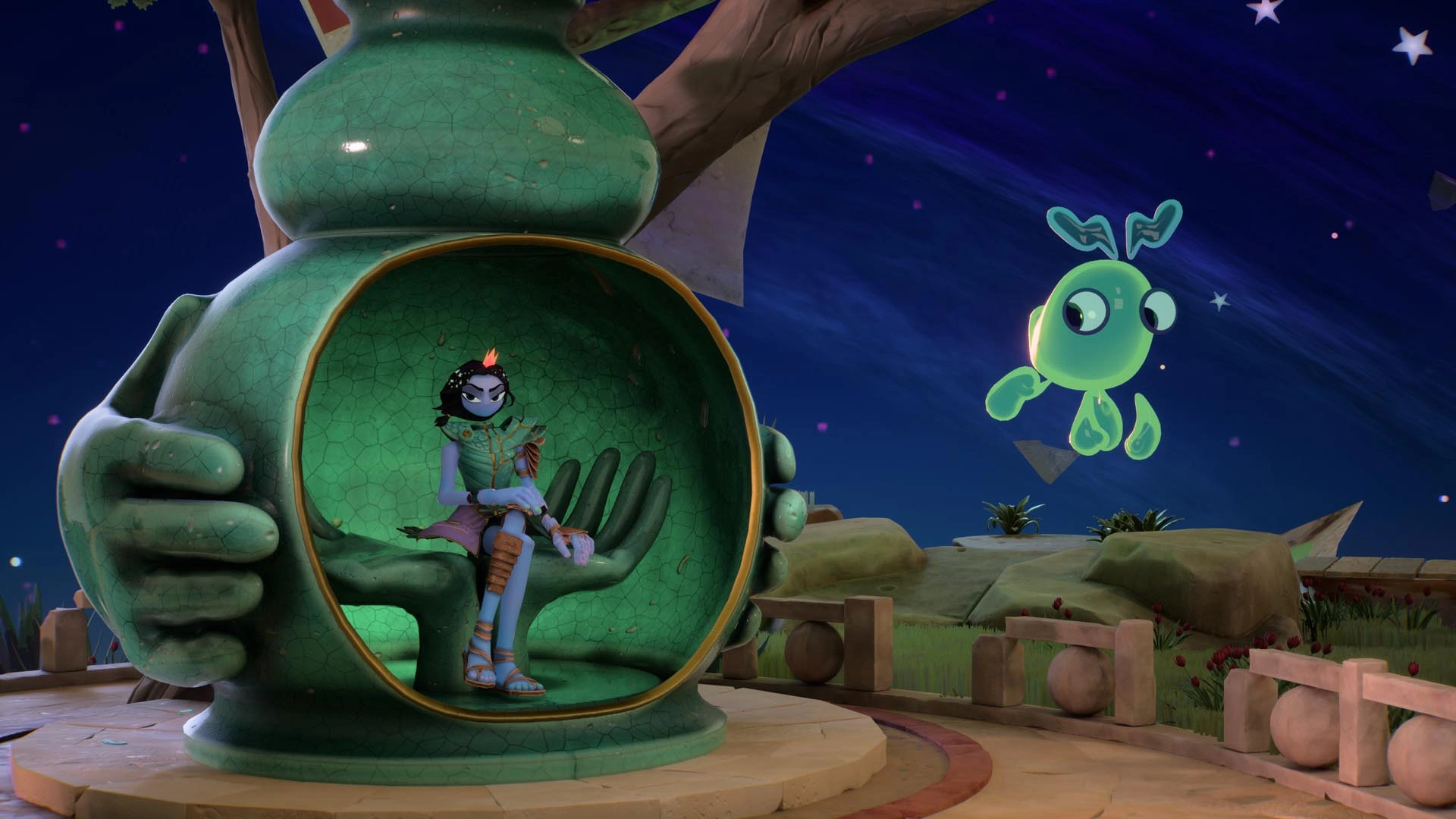
The Wedge works as the social space, giving players room to test pots and meet Slip, the vendor. This hub supports the game’s playful identity, though the progression system places much of the creative depth behind levels. New players begin with a medium amount of clay and basic tools. Higher levels unlock smaller and larger clay blobs, along with more detailed sculpting options.
That structure creates friction because the game’s main appeal is creative freedom. Gating clay sizes and tools makes experimentation feel delayed. A moderated mode for younger audiences replaces custom pots with standard presets, keeping the tone controlled for that audience.
The current package is also thin. Five maps and one game mode make repetition arrive quickly once the pleasure of sculpting loses its first spark. Quench has a clever rule set, yet the limited match variety leaves the same patterns repeating across sessions.
Technical issues create a bigger problem. Fast matches can expose latency problems and uneven hit detection. Attacks sometimes fail to connect when the visual contact looks clear. Busy scenes can also cause performance drops on mid-range hardware. In a game built around timing, movement, and physical contact, those stutters matter.
Double Fine has shared a roadmap aimed at filling content gaps with new modes and arenas. The current version already has a smart idea at its base: handmade characters whose shapes carry real tactical meaning. The friction comes from a narrow content pool, uneven stability, and progression that holds back too much of the toy box. Kiln has the shape of a clever multiplayer experiment, and like any pot fresh from the wheel, it still needs firing, sanding, and a steadier hand.
The Review
Kiln
Double Fine delivers a bold experiment in tactile creativity. The pottery sculpting mechanics provide a rare level of physical agency in character building. However, the thin content library and technical instability hinder the competitive experience. Matches feel repetitive with only a single mode available. Kiln shines as a creative tool but falters as a reliable multiplayer platform. It remains a charming curiosity that requires more polish and variety to sustain interest.
PROS
- Intuitive and rewarding pottery sculpting.
- Physical design directly impacts gameplay stats.
- Whimsical and humorous Double Fine aesthetic.
- Creative physics-based team combat.
CONS
- Significant latency and hit detection problems.
- Lack of variety in game modes.
- Progression systems restrict creative tools.
- Repetitive match flow.