













On October 11, 1985, a pipe bomb detonated at the Santa Ana office of the American-Arab Anti-Discrimination Committee, killing Alex Odeh, the organization’s West Coast Regional Director. Jason Osder and William Lafi Youmans shape their documentary around that assassination and the legal inertia that has stretched across decades.
The film presents Odeh as an advocate devoted to cultural understanding and to correcting the media’s dehumanizing portrayal of Arab people. A television interview about the Achille Lauro cruise ship hijacking becomes the film’s key rupture point. Through a damaging edit, the broadcaster made Odeh’s comments appear sympathetic to violence, transforming a careful public statement into a distorted invitation for extremist hostility.
Osder and Youmans follow the case from California suburbia to Israel’s political terrain, asking why suspects named long ago continue to live beyond prosecution. The result is a study of state interest, racial prejudice, and the slow corrosion of justice.
Frames of Resistance and the Archival Record
Jason Osder and William Lafi Youmans construct the film’s factual spine through an exacting arrangement of news footage from the eighties and nineties. The archival material carries the force of a public ledger, presenting evidence with restraint and clarity.
Alex Odeh emerges from these clips as a tireless advocate challenging ethnic stereotypes in Hollywood and American media. His criticism of popular films such as Back to the Future targets their casual use of the Arab terrorist image, a cliché rendered dangerous through repetition. His work sought to humanize his community and demand equal treatment within American cultural life.
Also Read




The documentary’s deepest wound lies in the irony surrounding his death. The televised interview about the Achille Lauro hijacking, reshaped through a distorted edit, turned a nuanced position into a violent stereotype. The image created by the station placed him in the path of extremists already eager for a target. Osder and Youmans keep the pacing measured, allowing the evidence to accumulate without theatrical excess.
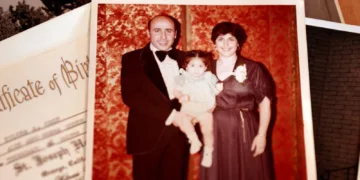
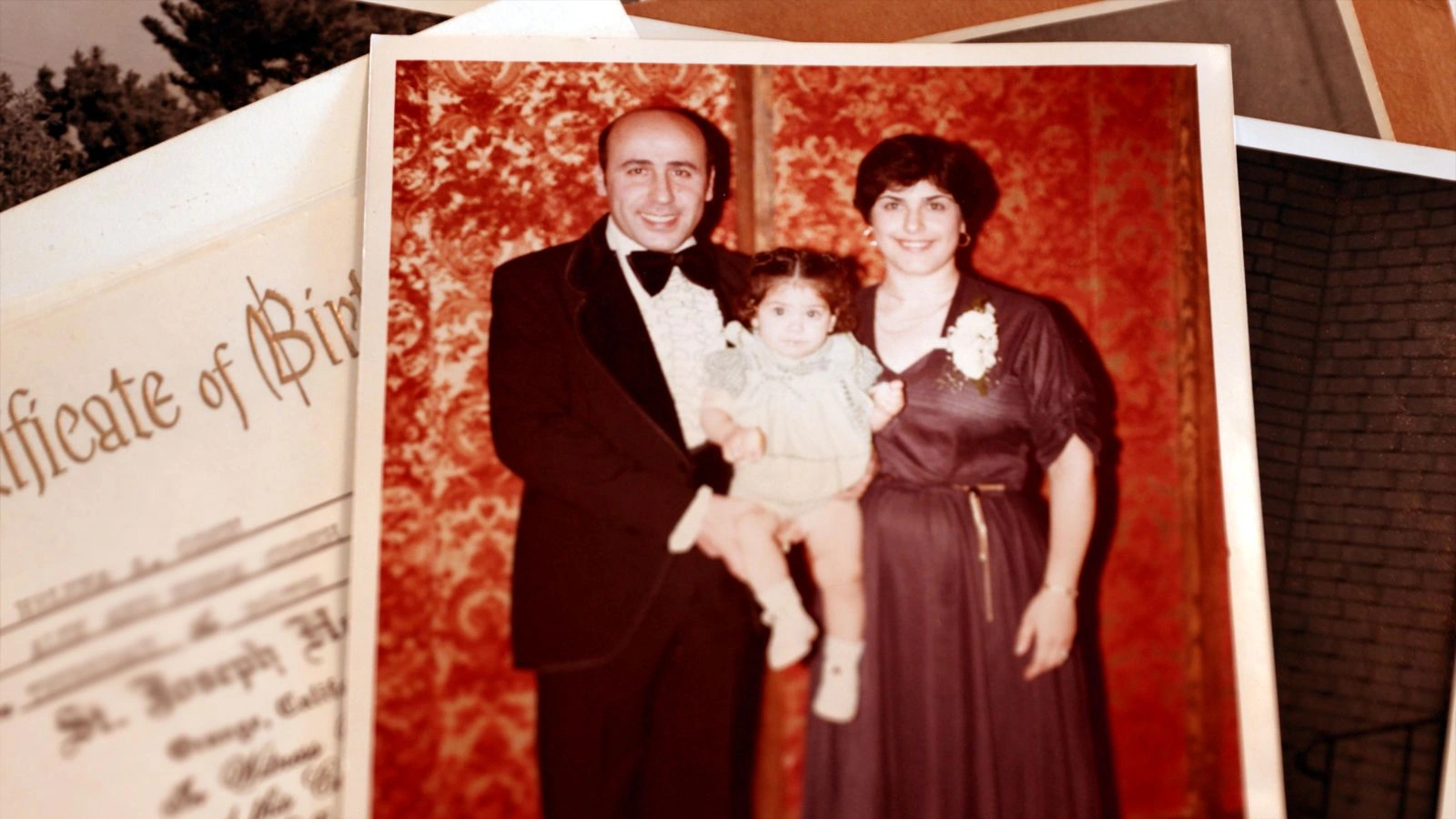
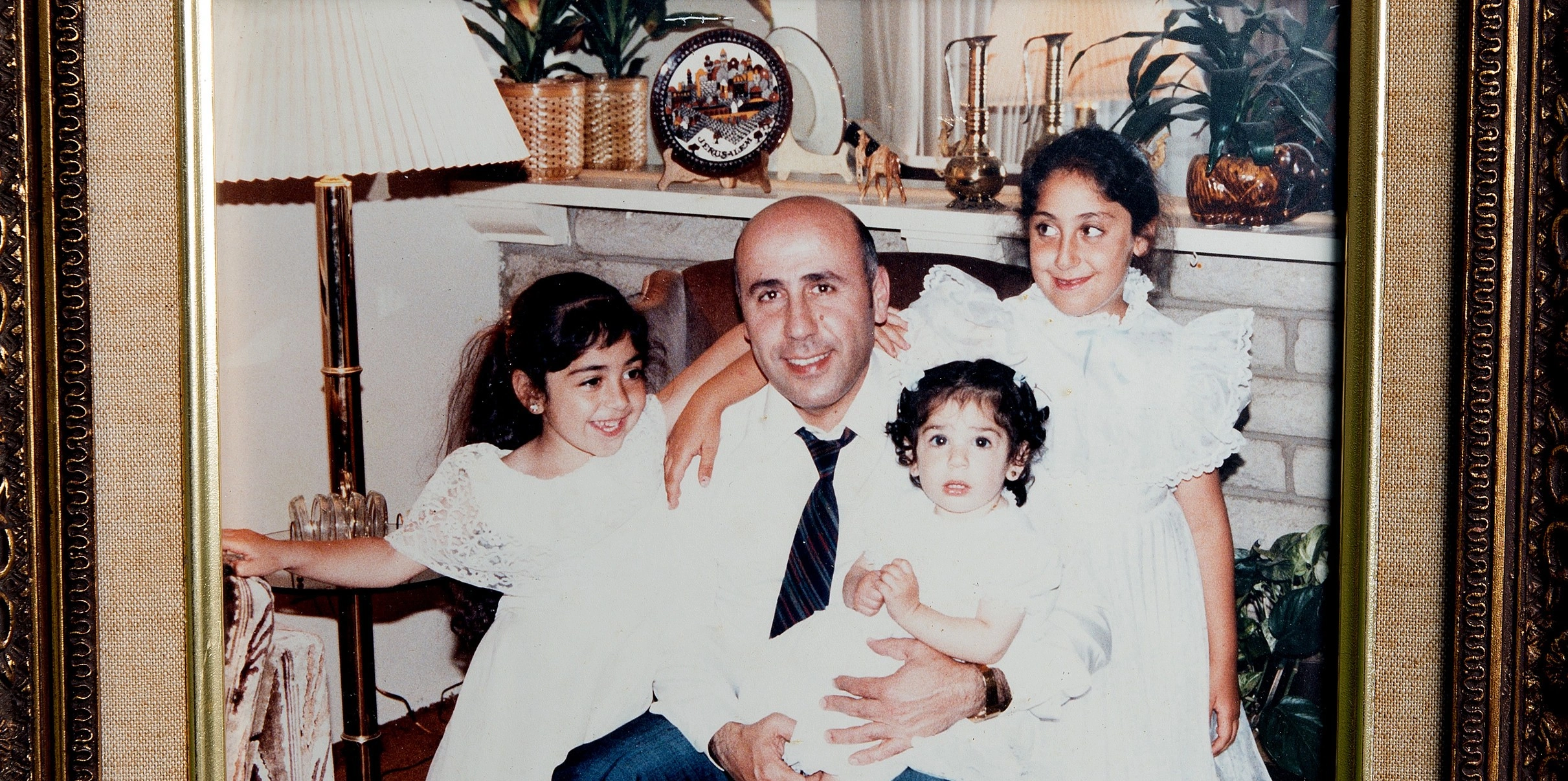
Interviews with Norma and Helena Odeh give the film its emotional gravity. Their memories describe a life lived under threat, where opening a door or checking for explosive devices became an instinctive act of survival. These accounts preserve the human cost without pushing the material into conventional melodrama. The camera lingers on the remnants of an interrupted life: boxes of family photographs, quiet keepsakes, and the charged silence of the family home.
The Far-Right and the Shadow of Extradition
The film moves from historical record into active inquiry through David Sheen, a journalist whose work on the Israeli far-right gives the investigation its sharper edge. Sheen traces the suspects across national lines while examining the history of the Jewish Defense League, founded by Meir Kahane and defined here through radicalization and violent tactics. The documentary identifies Robert Manning, Andy Green, and Keith Fuchs as the principal figures of interest. Manning served prison time for separate crimes. Green and Fuchs fled to Israel to avoid prosecution.
Sheen’s confrontation with Keith Fuchs supplies the film’s most unsettling passage. Disguised to enter a conservative neighborhood, Sheen records Fuchs discussing his violent past with an alarming absence of remorse. The sequence has the stark quality of evidence captured in plain daylight. It reveals how easily suspects can remain visible when ideology, geography, and political shelter align.
The documentary also offers a grim account of why the case stalled for so long. A detective states that pressure from foreign intelligence led authorities to close down the investigation. That claim gives the film its most severe political charge: domestic justice becomes secondary to geopolitical calculation. Osder and Youmans frame impunity as a system with procedures, gatekeepers, and beneficiaries. Extremist violence appears less like a fringe aberration than a force capable of finding refuge near official power.
The Static Silence of an Anti-Mystery
Who Killed Alex Odeh? operates as an anti-mystery because the alleged perpetrators were identified long ago. The drama comes from paralysis, from the FBI’s failure to secure extradition and from the political architecture that keeps accountability suspended. American and Israeli interests intersect here with chilling efficiency, producing a case in which knowledge exists and action remains withheld.
The directors borrow several familiar devices from true-crime filmmaking, including slow-motion archival images and somber music cues. These choices sometimes press too hard, reducing the film’s intellectual force through recognizable genre habits.
At points, the delivery grows dense, moving through information with the stiffness of a data file. That friction matters because the subject itself carries urgency. The facts need guidance, rhythm, and moral pressure, and the film occasionally lets procedure flatten the experience.
Its importance remains clear. The 1985 bombing connects directly to ongoing anti-Arab racism and political violence, giving the documentary a present-tense charge. The killers’ continued freedom reflects a community still denied the basic security that justice is meant to provide.
The absence of resolution becomes the film’s defining form. It carries the Odeh family’s frustration and exposes the stubborn presence of racial bias inside the legal system. The documentary leaves behind a cold, exacting reality: a crime widely recognized, a case long named, and a prosecution still withheld.
Who Killed Alex Odeh? is an investigative documentary that premiered at the Sundance Film Festival on January 26, 2026, where it won the U.S. Documentary Special Jury Award for Journalistic Excellence. The film explores the 1985 assassination of Palestinian American activist Alex Odeh in Santa Ana, California, tracing a 40-year quest for justice that leads from the United States to Israel. It is currently available through select festival screenings and independent distribution platforms such as Watermelon.
Full Credits
Title: Who Killed Alex Odeh?
Distributor: Watermelon, Dogwoof (International Sales), Parked Bus Productions, Naked Edge Films
Release date: January 26, 2026
Running time: 83 minutes
Director: Jason Osder, William Lafi Youmans
Writers: Jason Osder, William Lafi Youmans
Producers and Executive Producers: Dawne Langford, William Lafi Youmans, Jason Osder, Daniel J. Chalfen, Hassan Elmasry, Rasha Mansouri Elmasry, Jim Butterworth, Badie Ali, Hamza Ali, Diane Shammas
Cast: Alex Odeh, Norma Odeh, Helena Odeh, David Sheen
Director of Photography (Cinematographer): Helki Frantzen
Editors: Tyler H. Walk, Anne Alvergue
Composer: Dana Kaproff
The Review
Who Killed Alex Odeh?
Who Killed Alex Odeh? succeeds as a stark examination of political immunity and the enduring nature of racial prejudice. Osder and Youmans move beyond the typical mystery to expose the machinery that protects violent extremists from prosecution. While the filmmaking occasionally relies on familiar tropes, the clarity of its reporting and the chilling archival evidence make it a significant historical document. It offers a frustrating and necessary look at the intersection of state interests and the value of a life.
PROS
- Rigorous use of historical archives to establish a factual baseline.
- Effective investigative sequences led by David Sheen.
- Poignant interviews with the Odeh family that ground the political stakes.
- Exposes a significant and often overlooked chapter of American history.
CONS
- Reliance on heavy-handed documentary tropes like slow-motion footage and dramatic music.
- Information-dense segments that occasionally lack a narrative flow.
- The formal structure can feel formulaic compared to the gravity of the subject.