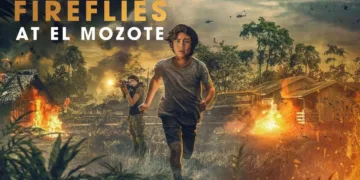





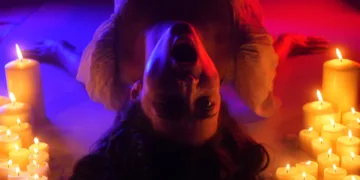
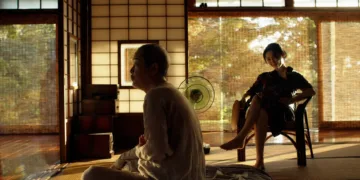
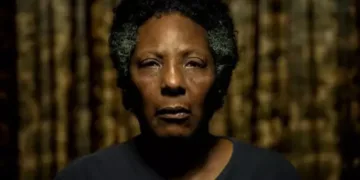

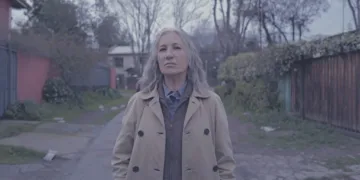



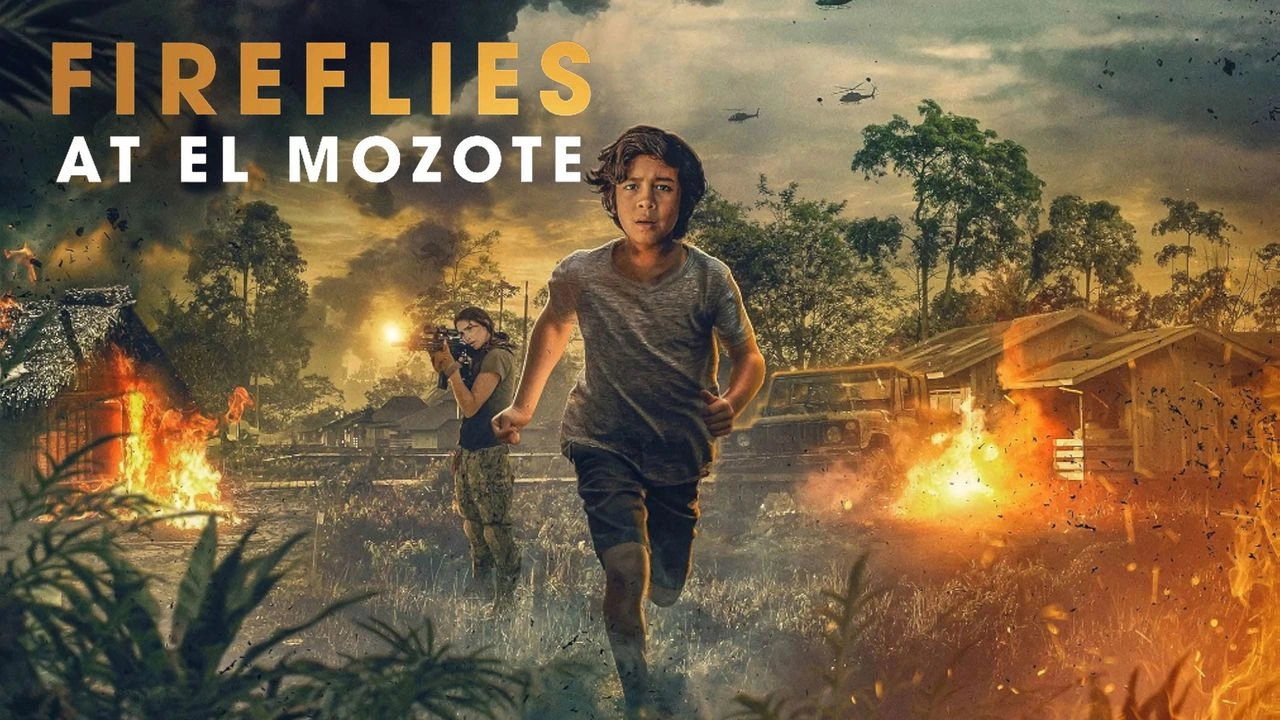

Fireflies at El Mozote, the final work of Salvadoran filmmaker Ernesto Melara, situates itself firmly within one of Latin America’s most harrowing historical moments: the 1981 massacre in El Mozote. Its premiere arrives as a cultural milestone, a rare cinematic project originating entirely from El Salvador, imbued with both local authenticity and the emotional weight of lived trauma. The film is dedicated to victims of war violence, a gesture that frames every scene with the gravity of remembrance.
At the center is José, portrayed with remarkable acuity by young Mateo Honles, a boy who survives the destruction of his village and witnesses the murder of his family. Rather than dissect military strategy or political maneuvering, the narrative channels tragedy through his eyes, rendering the incomprehensible immediately personal. Violence is ever-present, yet the film restrains itself from gratuitous display, often allowing the unseen or partially suggested to speak louder than overt spectacle.
The story confronts grief, injustice, and the elusive pursuit of accountability, threading José’s intimate experience through the broader canvas of civil war. Themes of generational trauma, the fragility of memory, and the responsibility to bear witness permeate the film. It refuses comfort, often disturbing, yet this disturbance is deliberate, a call to acknowledge the persistent shadows of historical atrocities. In this, Melara’s work functions as a vessel for cultural reflection, memorializing both a place and its people.
Through a Child’s Lens: Narrative Structure & Storytelling
The decision to filter history through José’s perspective transforms monumental atrocity into a human-scale narrative. Immediate and intimate, his viewpoint collapses distance between audience and event. Horror becomes empathy, and the complex machinery of war shrinks to its human consequences.
The film’s plot traces a linear trajectory: survival, loss, encounters with guerrilla forces, and an ongoing, sometimes ambiguous, quest for justice. This arc bridges personal grief with historical reality, offering an emotional map across a fractured landscape.
Interwoven with José’s journey are broader wartime currents. Guerrilla resistance movements, underground radio networks echoing real-life Radio Venceremos, and the presence of international journalists contextualize the massacre within civil war dynamics. These elements suggest the interplay of resistance, documentation, and survival, giving the narrative both breadth and weight.
Yet, gaps persist. The film often skirts the explicit causes of the conflict and avoids naming key political actors, which decontextualizes some events and may challenge historical understanding. This omission generates tension: the viewer senses both the enormity of history and the story’s selective framing. Action sequences alternate with reflective pauses, and moments of restraint in portraying violence—focusing on reactions, faces, and aftermath—allow the narrative to maintain emotional honesty without exploitation.
The storytelling achieves immediacy but at the cost of narrative depth. Motives blur, and political nuance occasionally slips from view. Still, José’s experience anchors the story, grounding historical abstraction in the palpable reality of human suffering.
Faces of Survival: Performance & Characterization
Mateo Honles carries the narrative with an astonishing emotional range. Silence and expression often convey more than dialogue; his vulnerability and resilience are constant, conveying the lived aftermath of trauma with authenticity. Every glance, every hesitation registers as a mark of memory, grief, or fear.
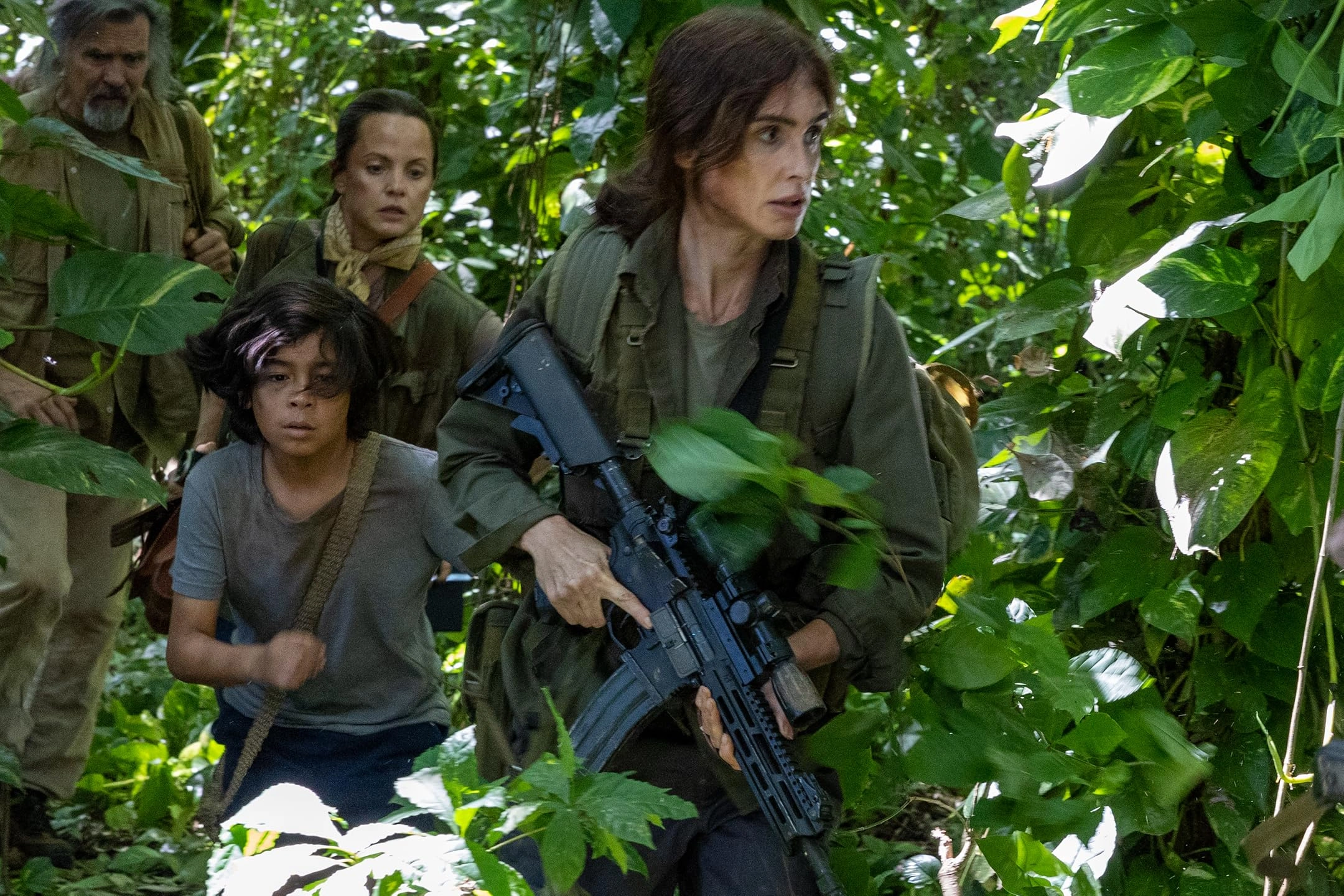
Supporting this anchor is a cast of international and local actors. Paz Vega brings quiet authority as Alma, grounding village scenes with warmth. Juan Pablo Shuk portrays Aurelio with measured intensity, while Jeff Fahey’s Randall Walker embodies veteran authority. Mena Suvari’s journalist, though briefly present, functions as both an external lens and a reminder of global accountability.
Local Salvadoran performers enrich the tapestry, particularly in guerrilla and civilian roles. Their presence lends naturalistic energy, though occasional stiffness in minor parts, such as the radio announcer, interrupts immersion. Ensemble interactions, however, underscore the collective experience of conflict, showing tragedy as shared rather than solitary.
Characterization occasionally falters. Dialogue can feel constrained, pacing can flatten development, and certain emotional beats verge on melodrama. Yet the overall impression is one of authenticity, with performances attuned to historical weight rather than theatricality. No single actor overshadows the story; instead, they converge to articulate the ethical, emotional, and cultural stakes at play.
The Camera’s Eye: Technical Execution & Cinematic Craft
Melara’s cinematography captures El Salvador with both reverence and tension. Rolling hills, sun-scorched villages, and dense forests are framed with precision, at times juxtaposing natural beauty against human horror. Combat scenes and village encounters are composed to heighten immediacy without resorting to visual spectacle alone.
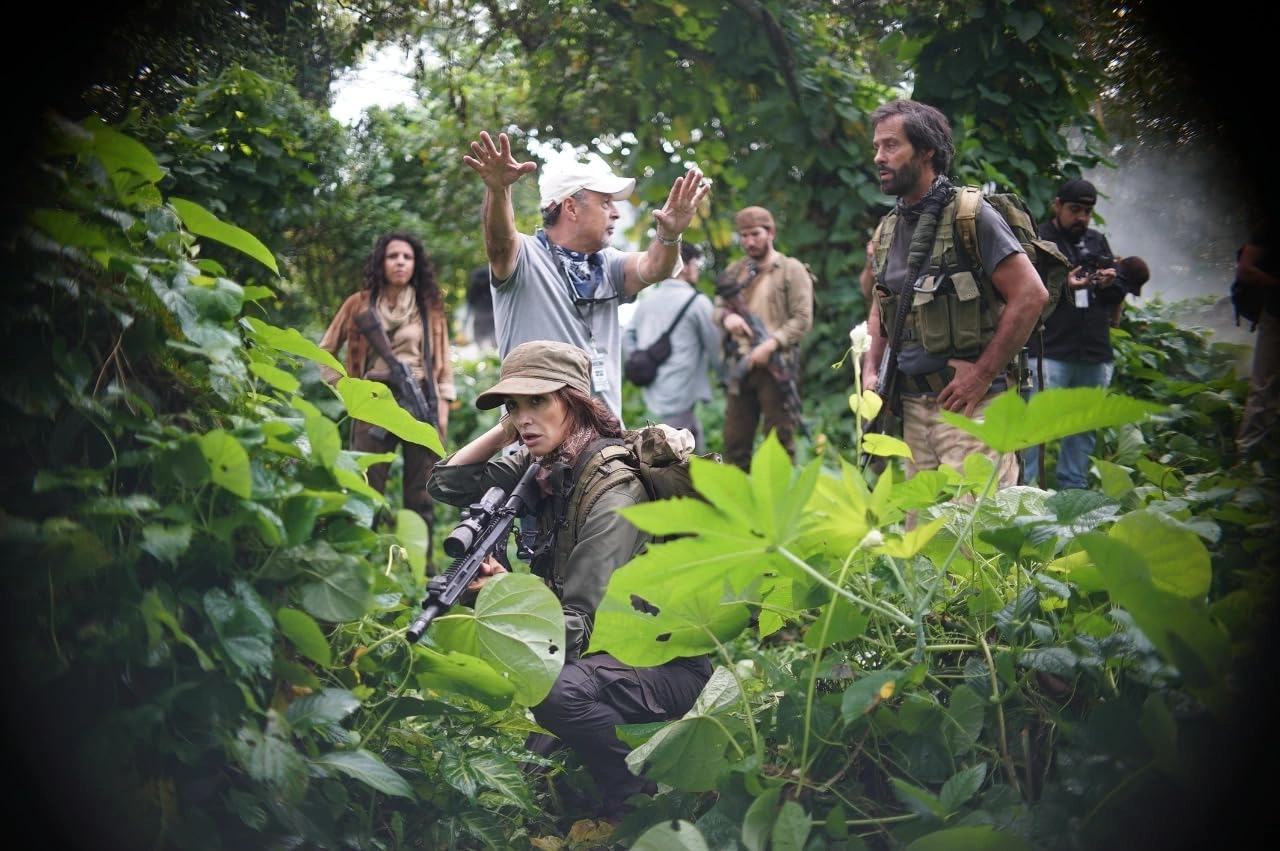
Sound design and score complement these visuals. Ambient noises, period-specific audio cues, and musical motifs underscore both suspense and sorrow, often amplifying unspoken tension. Production design adheres to historical accuracy, from uniforms to domestic interiors, and access to authentic locations, including national parks, amplifies realism.
Violence is depicted with moderation. Massacre and assault scenes focus on reaction, aftermath, and the human cost rather than gore. This approach signals ethical awareness, respecting the lived experiences of victims while maintaining narrative urgency.
Editing and pacing are generally effective, though climactic sequences occasionally rush through pivotal events, undercutting narrative clarity. Minor inconsistencies in performance, scene composition, and technical polish surface, but these imperfections do not overshadow moments of deliberate, affecting cinematic intent. The film achieves resonance through careful framing, audio-visual texture, and the juxtaposition of innocence and atrocity.
The historical drama film Fireflies at El Mozote premiered in the United States on April 17, 2026, with a limited theatrical release. Set against the backdrop of the 1980s civil war in El Salvador, the narrative follows a young boy who survives a brutal military massacre in his village and aligns with a rebel group to seek justice for his family. The film can currently be streamed online by renting or purchasing it through digital platforms such as Apple TV and Plex.
Where to Watch Fireflies at El Mozote (2026) Online






Full Credits
Title: Fireflies at El Mozote
Distributor: Magenta Light Studios
Release date: April 17, 2026
Running time: 1 hour 39 minutes
Director: Ernesto Melara
Writers: Ernesto Melara
Producers and Executive Producers: Elias Axume, Bob Yari, Moctesuma Esparza, Stuart Alson, Chris Quiroa, Kartika Ayu
Cast: Paz Vega, Mena Suvari, Jeff Fahey, Juan Pablo Shuk, Yancey Arias, Mateo Honles, Arturo Ayala, Marlon Pérez
Director of Photography (Cinematographer): Fran Moreno
Editors: Claudia Castello, Federico Krill Granados
Composer: María Magaña
The Review
Fireflies at El Mozote
Fireflies at El Mozote is an emotionally potent yet uneven exploration of one of Latin America’s darkest historical events. Anchored by Mateo Honles’ deeply affecting performance and bolstered by a committed ensemble, the film succeeds in humanizing history and provoking reflection on trauma, memory, and justice. Technical polish occasionally falters, and historical context is selectively framed, but the narrative’s immediacy and moral resonance give it enduring impact.
PROS
- Powerful, intimate performance by Mateo Honles
- Sensitive handling of real-life violence
- Strong supporting international and local cast
- Cinematography captures both beauty and tension
- Sound design and production design enhance historical authenticity
CONS
- Historical and political context is underexplored
- Pacing and editing uneven in climactic sequences
- Minor inconsistencies in performances and scene composition
- Some narrative choices oversimplify complex events
- Occasional lapses in technical polish