















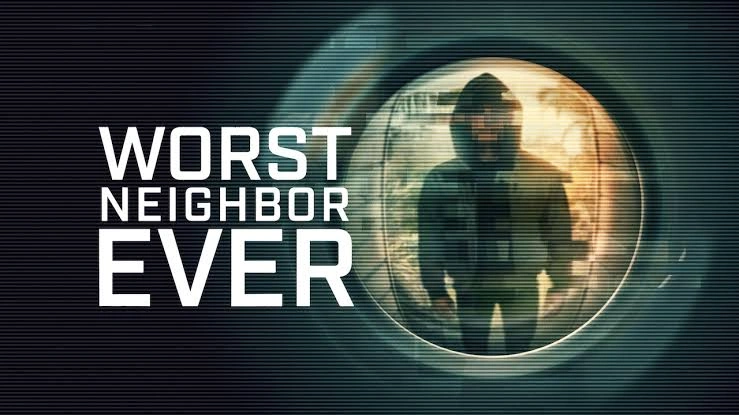

Netflix has turned social proximity into a content category, which sounds absurd until Worst Neighbor Ever makes the front lawn feel like disputed territory. After Worst Roommate Ever and Worst Ex Ever, this four-part true-crime docuseries takes the same franchise machinery and applies it to people separated by a fence, a driveway, a wall, or the thin civic fantasy that living near someone means knowing them.
The premise is brutally efficient. Each episode follows a case where neighborly conflict curdles into violence, fraud, intimidation, or death. Interviews sit beside 911 calls, police material, diagrams, text records, and animated reenactments. The animation, now a house style for this Netflix true-crime lane, keeps the show from hiring actors to approximate terror with bad wigs and suspiciously clean kitchens. Small mercy. It also gives the series a visual rhythm that is easy to consume, which is where its moral problem starts to twitch.
Escalation as Entertainment
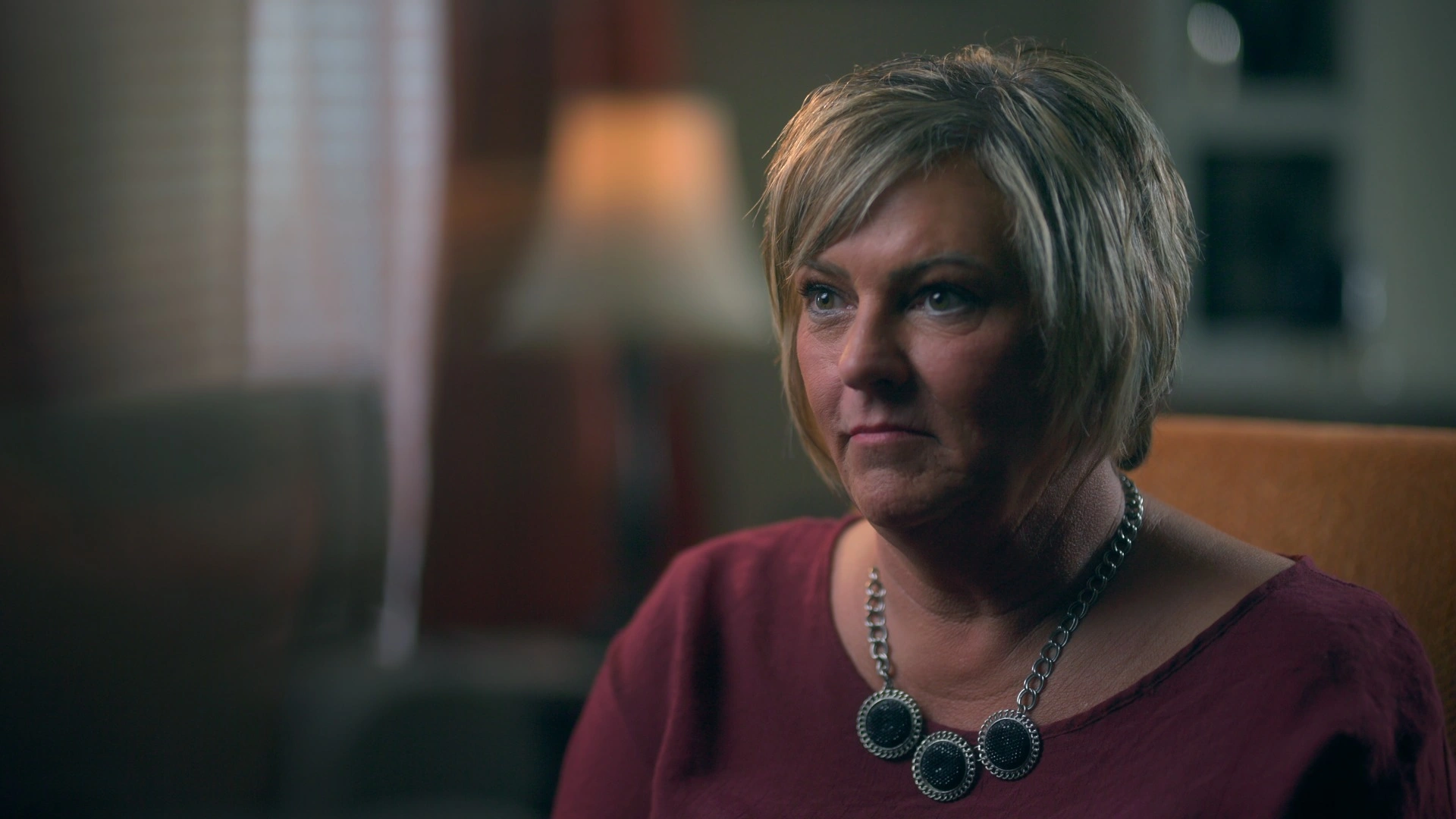
The first episode, “She Finally Snapped,” is the season’s strongest and most disturbing hour because it understands escalation as behavior before it becomes crime. Frances Zaayer first enters Shawna and David Scott’s life as an old family acquaintance in need of help during a divorce. Shawna lets her stay in their home. The warning signs arrive through domestic control: Frances dictating what plays on television, objecting to Shawna doing chores too early, and upsetting the Scotts’ grandson badly enough that the arrangement breaks.
Once Frances moves across the street, the episode becomes a case study in how harassment can weaponize everyday space. A property-line dispute turns into a legal and emotional siege. Frances calls the police repeatedly, accuses Shawna of assault, and uses a court restriction that keeps Shawna from approaching her as a way to bait her from across the street. The show is sharpest when it lingers on this absurd cruelty: Shawna unable to use parts of her own home life normally, Frances performing outrage in public view, the street turned into a stage for provocation.
The racism directed at David, who is Black and works as a deputy jailer, gives the case its ugliest clarity. Frances hurls racist abuse at him and his family, then folds David’s job into a fantasy of institutional conspiracy against her. The episode traces that paranoia to May 26, 2018, when Frances enters the Scotts’ home, shoots Shawna in the face, and kills David with a bullet to the heart. Her later guilty plea for murder, second-degree assault, and wanton endangerment results in a 35-year sentence. The horror here is not sudden. It is rehearsed in plain sight.
Four Cases, One Machine
The remaining episodes vary the shape without escaping the series’ formula. “Midwest Meltdown” moves from personal nuisance to neighborhood catastrophe, following Monserrate “Moncy” Shirley and Mark Leonard toward the Richmond Hill explosion that kills Dion and Jennifer Longworth, injures dozens, and destroys more than 30 homes. The episode’s diagrams and timelines help make sense of the blast radius, both physical and legal, yet the show’s pace keeps dragging the material back toward the next reveal.
“Fear Thy Neighbor” returns to long-term intimidation through Miles and Melina Armstead, who move into Oakland’s Eastmont Hills and encounter Jamal “JT” Thomas after his family’s eviction. The smashed windows, threats, and forced move build a sickening rhythm because the Armsteads do what victims are so often told to do: they leave.
Miles is shot while preparing the house for sale. The episode raises the question of police response and the role race may have played in how seriously the family’s danger was treated, then backs away before the question can inconvenience the format.
“The Executor” is the late-season change of pace the series needs. Detective Mark O’Donnell’s investigation into Charles Wilding’s suspected death and Caroline Herrling’s claims about managing his estate gives the episode a procedural spine.
Instead of another feud moving toward a violent confrontation, the hour becomes an inquiry into absence, money, paperwork, and the strange authority a confident liar can gather around herself. It is less viscerally frightening than the Zaayer case, but it is cleaner television.
What the Show Refuses to Ask
The issue with Worst Neighbor Ever is not that it lacks craft. The editing is brisk, the reenactments are legible, and the interviewees often carry unbearable material with dignity. A 911 call from a neighbor in the Zaayer episode cuts through the polished assembly with the raw recognition of a community that had been watching danger grow for years. The show knows where to place that material. It knows how to make viewers keep watching.
What it does not know, or does not want to know, is how to turn these stories into anything beyond dreadful fascination. The Zaayer episode has racism, legal failure, police repetition, and a woman able to convert grievance into lethal action. The Armstead episode has an alleged pattern of institutional neglect sitting in the open. The Richmond Hill case has greed detonating a community. Again and again, the series finds systems in the room, then edits around them to preserve the franchise shape.
That shape is very good at producing momentum. It is weaker at producing thought. Streaming true crime often behaves as if proximity itself is the thesis: the killer lived next door, the danger shared a driveway, the monster borrowed your hedge trimmer. Worst Neighbor Ever has enough human testimony to be affecting and enough formal polish to be watchable. It also has enough visible social failure to make its restraint feel less like discipline than avoidance. Imagine building a whole series about neighborhoods and treating community as scenery.
The shocking true-crime documentary series Worst Neighbor Ever premiered globally on Netflix on July 1, 2026. Audiences can stream all four installments of the freshman season immediately with an active subscription to the platform. The harrowing docuseries unpacks a collection of real-life suburban nightmares, tracking terrifying neighbor relationships that deteriorated from minor domestic friction into brutal fraud schemes, calculated arson, and horrific acts of violent retribution.
Where to Watch Worst Neighbor Ever Online


Full Credits
Title: Worst Neighbor Ever
Distributor: Netflix
Release date: July 1, 2026
Rating: TV-MA
Running time: 45–62 minutes per episode
Director: Domini Hofmann
Writers: True Life Accounts
Producers and Executive Producers: Jason Blum, Chris McCumber, Jeremy Gold, Mary Lisio
Cast: Shawna Scott, Melina Armstead, Monserrate Shirley, David Scott
Director of Photography (Cinematographer): Production Documentary Team
Editors: Production Editorial Crew
Composer: Blumhouse Television Soundscapes
The Review
Worst Neighbor Ever
Worst Neighbor Ever is strongest when survivors and investigators map how domestic friction mutates into danger, especially in the Frances Zaayer and Charles Wilding episodes. The franchise packaging is efficient, with animation, calls, and timelines keeping each case legible. The failure is political imagination: racism, police inaction, legal loopholes, and neighborhood vulnerability appear, then get folded back into Netflix’s appetite for shock. It watches easily, which may be the most uncomfortable thing about it.
PROS
- Strong firsthand interviews
- Clean episode structure
- Effective animated reenactments
- Chilling Zaayer case
- Procedural lift in “The Executor”
CONS
- Thin systemic analysis
- Race angle underdeveloped
- Familiar franchise formula
- Shock often wins over inquiry