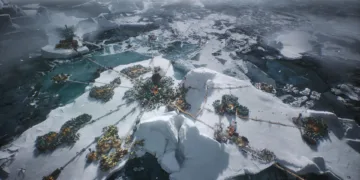























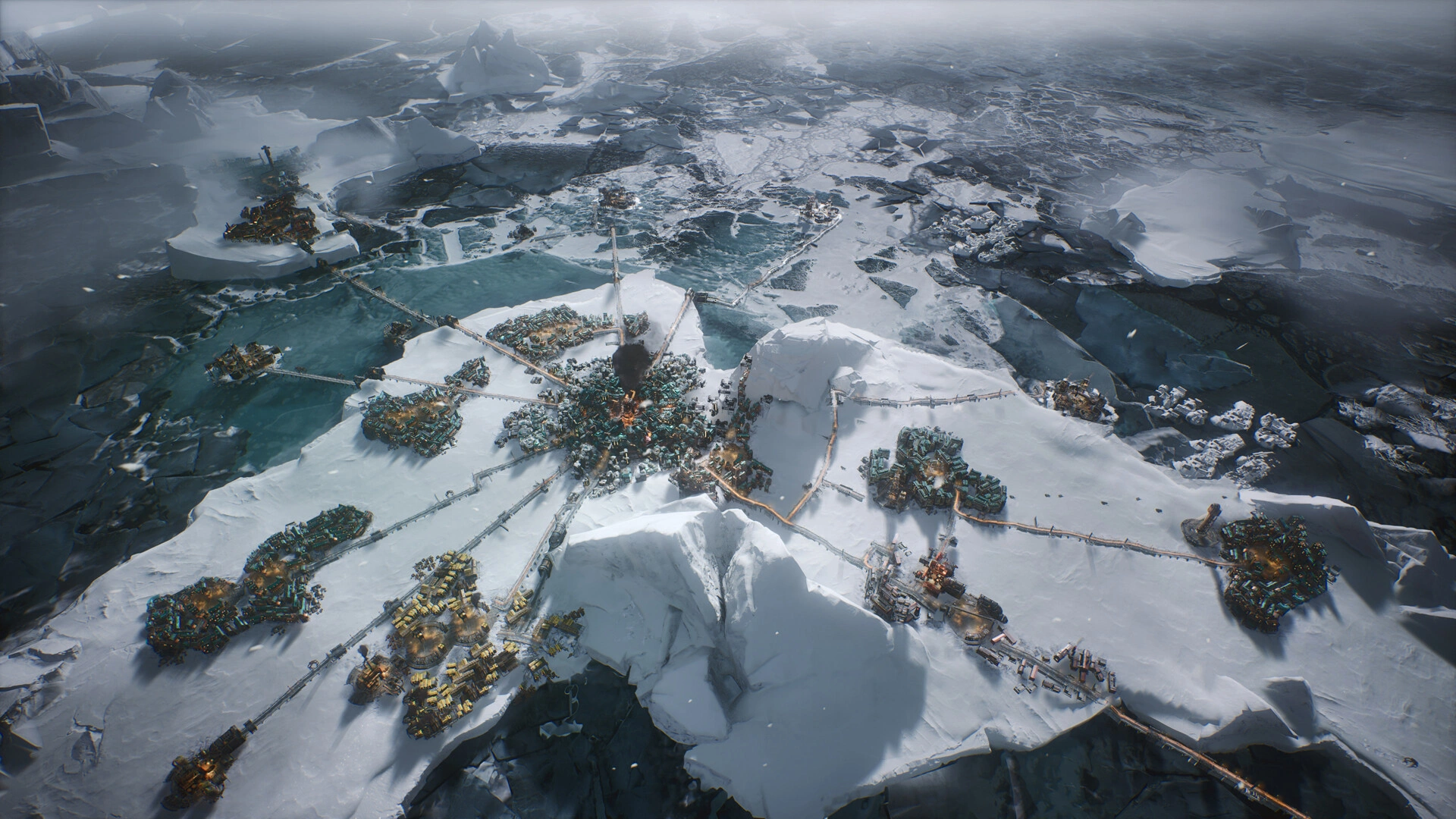

New Edinburgh gives you heat for free and immediately finds three other ways to kill everyone. That swap matters. Frostpunk 2: Breach of Trust, the second major paid DLC after Fractured Utopias, drops the usual opening scramble for warmth and puts the player in charge of a city already living off geothermal energy.
The problem is that years of extraction have destabilized the volcanic caldera beneath it. Earthquakes are coming, food is disappearing, and the previous Captain has taken his own life. By 1927, Aurora, an agricultural colony built on a frozen lake, has also cut ties with New Edinburgh. Aurora has food. You have energy. The obvious solution would be trade, which in Frostpunk language means somebody is about to demand a terrible compromise.
As the newly elected First Citizen, you inherit damaged districts, angry communities, and a crisis already several steps ahead of you. Breach of Trust has no interest in teaching Frostpunk 2 again. It assumes you learned the lesson and brings a harder exam.
The Ground Refuses to Cooperate
The tremor system is the DLC’s best mechanical idea because it attacks the basic logic of city-building. Normally, good planning creates stability. Place the right district, balance production, stockpile resources, and the machine begins to behave. New Edinburgh keeps kicking the machine.
Geothermal activity builds seismic pressure, and earthquakes can damage districts, wreck infrastructure, hit warehouses, or remove a large chunk of your workforce. A food surplus can become an emergency because one tremor struck the storage supporting it. Workers assigned to a critical industry can suddenly become unavailable. The response is rarely elegant. You cut something else and hope the next disaster chooses a less expensive target.
This gives stockpiling a different purpose from the base game. Resources are insurance against damage you cannot reliably predict. Shelters and fisheries support the survival loop, yet the real skill is maintaining enough slack in the economy to absorb a bad event.
The problem is how thin the line becomes between pressure and random punishment. Losing a critical warehouse to an earthquake can wreck a run that was otherwise managed intelligently. Frostpunk has always asked players to live with bad outcomes, but its strongest systems usually let you trace disaster back through your own decisions. Breach of Trust occasionally gives the volcano the controller.
That harshness feeds the story well. After citizens die and production collapses, the political system still expects an answer. A community does not care that the damage roll was unfortunate. It sees hunger, ruins, and a First Citizen asking for another week.
Aurora Across the White
Aurora turns that pressure into a political problem. The scenario presents diplomacy and military force as competing systems, then slowly reveals how differently they are allowed to operate. Negotiation is built around proposals, counterproposals, resource demands, and extended talks.
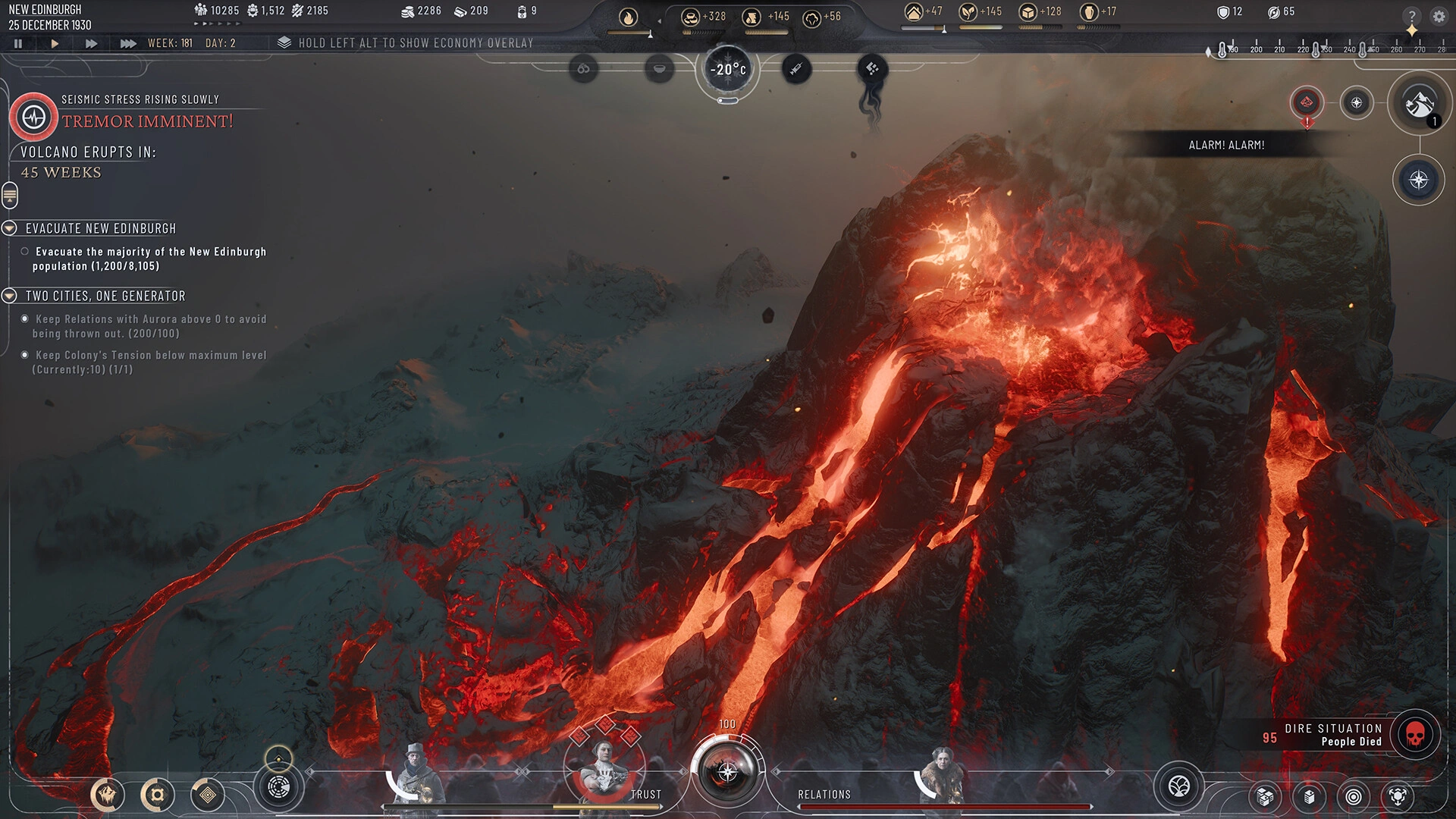
Trading New Edinburgh’s energy for Aurora’s food sounds like the sensible route until the costs rise and Aurora’s needs begin eating into your own recovery plans. Peace does not remove management pressure. It redirects it.
War is much louder. Barracks let you recruit citizens, factories produce heavy weapons, and military expeditions push against Aurora. Battles are resolved through strategic systems rather than real-time combat, so the focus remains on preparation and resource commitment. Sending citizens into an offensive means taking labor from somewhere else. Building weapons means feeding a production chain that could have supported rebuilding.
Occupation introduces the Resistance mechanic, one of Breach of Trust’s sharpest consequences. Sabotage, unrest, and violence can disrupt an economy already under seismic pressure. Military victory does not produce a clean new resource node. It gives you another city full of people who remember what you did.
Five new communities complicate the conflict further, each pushing different positions on Aurora and New Edinburgh’s future. The recurring Vote of Confidence turns public perception into another resource with a deadline. A response to famine may save food while costing political support. A generous reconstruction policy can win trust while draining reserves needed for the next tremor.
This is where Breach of Trust looks ready to become the most reactive Frostpunk 2 scenario. Then the campaign starts pulling both routes toward familiar objectives and similar story beats.
War and diplomacy feel different at the input level. The campaign’s output is much narrower. The same escalations, geological threats, and narrative checkpoints keep arriving. Your choices affect how difficult the route becomes and which problems appear along the way, but the scenario rarely lets the city develop into a genuinely different political machine.
The war system exposes this limitation fastest. Recruiting troops and producing heavy weapons suggests a new strategic branch for Frostpunk 2. Here it revolves largely around one colony conflict. Once Aurora’s role in the story is resolved, the mechanic has little room to grow.
A Crisis With a Short Fuse
The comparison with Fractured Utopias is uncomfortable because that expansion changed how returning players could approach the wider game. Its faction updates brought new buildings, laws, visual identities, and skill trees into Frostpunk 2’s sandbox structure. Breach of Trust mostly keeps its toys in New Edinburgh.
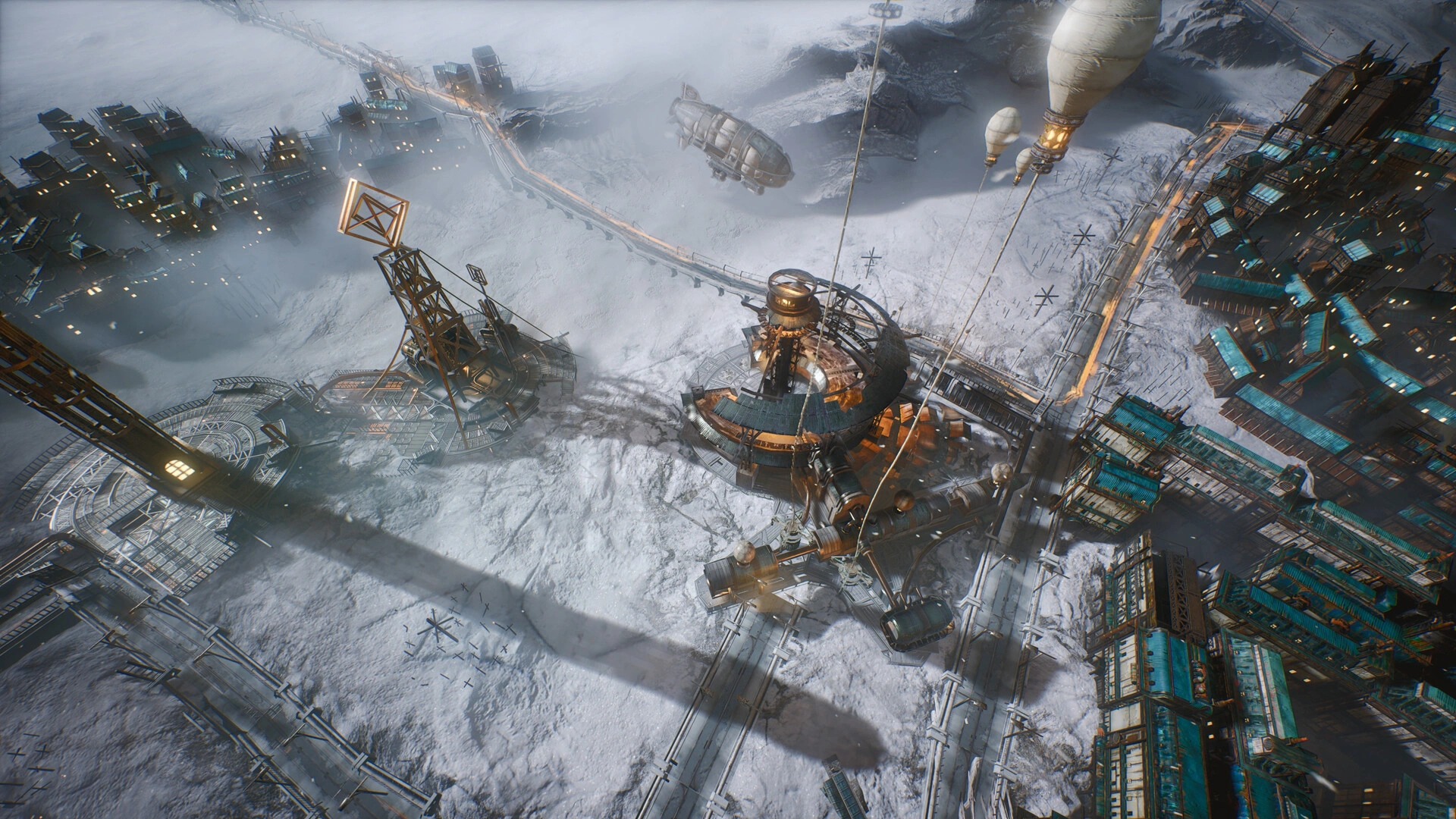
Limited volcanic elements appear in Utopia mode, but the military and Resistance systems are defined by this campaign. That makes the three-chapter structure feel smaller than its best ideas. Across roughly five to eight hours, the scenario races from famine and political fracture into armed conflict, worsening tremors, and evacuation pressure. Major decisions barely have time to settle before another objective arrives.
The audiovisual work carries much of that escalation. New Edinburgh’s geothermal architecture gives the familiar Frostpunk city grid a harsher industrial character, while lighting and sound make tremors feel physically invasive. The city shudders, infrastructure breaks, and the interface asks you to continue governing through it. Minor PC UI roughness can make those moments clumsier than intended, though the scenario avoids the heavier bug problems associated with parts of Fractured Utopias.
Breach of Trust has a frustrating relationship with its own systems. Tremors force better contingency planning. Resistance gives conquest an economic and social cost. Votes connect public anger to resource decisions. Each mechanic suggests a larger expansion of Frostpunk 2. Then the campaign reaches the next scripted crisis and asks everyone to move along.
The Review
Frostpunk 2: Breach of Trust
Frostpunk 2: Breach of Trust gives earthquakes, occupation, and political confidence real mechanical weight, especially when a damaged district starts eating into the resources meant for Aurora. The trouble is that its systems promise branching consequences while the campaign keeps steering war and diplomacy toward similar crises. Resistance is sharp, tremors are merciless, and New Edinburgh is a great pressure cooker. Too many of those ideas disappear once the short scenario ends.
PROS
- Tremors reshape city planning
- Strong Resistance mechanic
- Political pressure affects resource choices
- Distinct New Edinburgh scenario
CONS
- War and diplomacy converge
- Key mechanics remain scenario-bound
- Severe random difficulty spikes
- Short campaign limits decisions