





















The safest part of Elite Force is its action. Once the series steps away from bomb disposal and into family drama, every relationship feels one scene away from announcing exactly what it represents.
Created by Julien Leclercq and Sylvain Caron with cooperation from France’s GIGN, the series centres on senior officer David Caron, played by Tomer Sisley. David is preparing to leave field duty after years of missed family commitments, including his daughter Manon’s piano recital. His retirement plan changes when Max, his godson, earns a place in the unit.
Max is the son of Laurent, David’s former colleague, who died during an operation fifteen years earlier. David promised Max’s mother that the boy would never enter the same profession. That promise has gone about as well as most promises made before the first episode of an action thriller.
The other threat arrives through the theft of CL-20, an experimental explosive taken from a military facility. One shipment is recovered. Another remains missing. From there, the terrorist plot and David’s buried history begin moving toward the same target.
Procedure Creates the Suspense
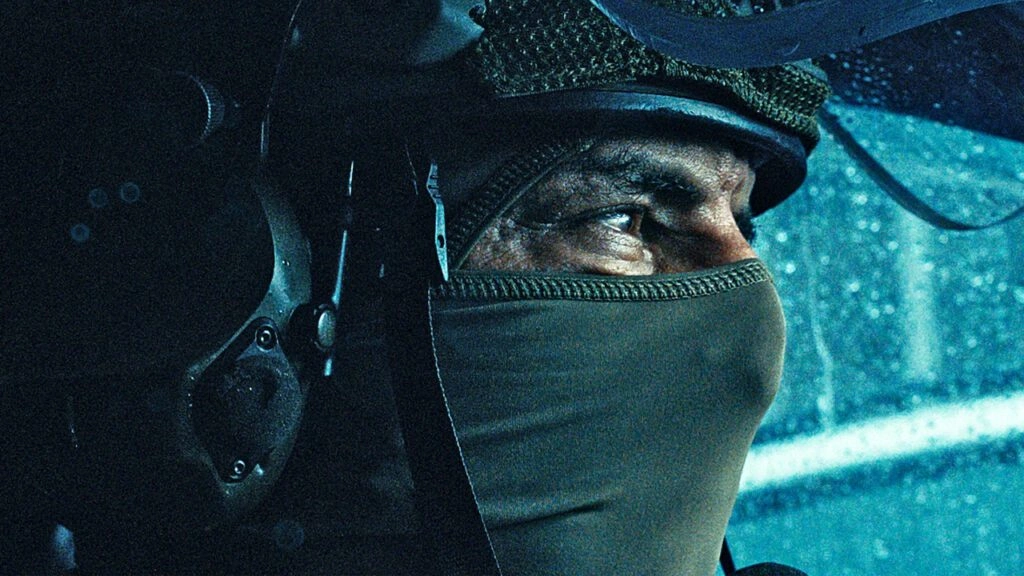
Leclercq stages the opening hostage operation with admirable clarity. Sergeant Osman has been forced to drive a truck carrying CL-20 while holding a dead man’s switch. A school bus sits close enough to turn one wrong movement into mass casualty. David approaches the cab and talks Osman through his panic while Tanya and the explosives team work behind the vehicle.
The scene succeeds because each task has a visible consequence. David must keep Osman calm. Tanya must inspect the payload. The rest of the unit must control traffic, distance, and communication. The sequence does not manufacture tension by hiding basic information from the viewer. It shows the problem, assigns each officer a role, then tightens the time available.
Also Read





That method carries into the later theatre rescue. The team studies schematics, identifies blind spots, interferes with the building’s security systems, and tracks the hostages before entering. Doors, corridors, camera feeds, and lines of fire become part of the storytelling rather than background decoration. When the officers move, the viewer understands why they chose that route.
Laurent Perez Del Mar’s score keeps a low pulse beneath these operations, sometimes continuing into quieter scenes where the danger has technically passed. The music can press too firmly, yet it helps the series maintain continuity between an active mission and the damage that follows it home.
The action occasionally asks for generous belief, especially once personal history begins dictating operational choices. Still, the physical grammar remains clean. Plenty of thrillers spend heavily to make confusion look expensive. This one knows where the door is.
The Retirement That Never Was
David’s proposed retirement forms the season’s weakest structural feint. The script repeatedly presents his departure as a genuine possibility, yet Max’s recruitment makes the outcome obvious. David will not leave his godson inside the institution that killed Laurent, particularly when he believes he carries responsibility for that death.
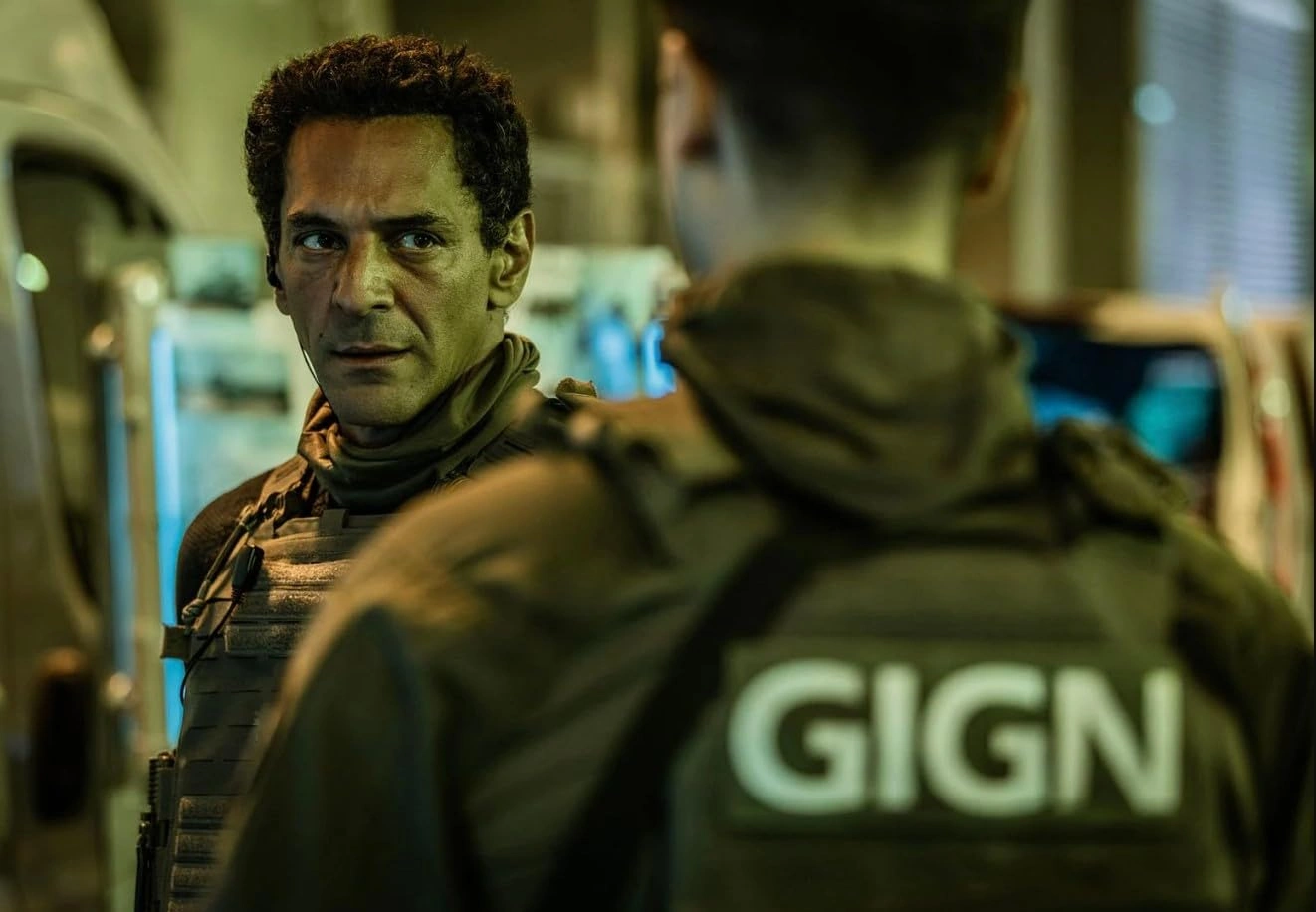
The training material sharpens this conflict. David changes Max’s final trial into a bomb-defusal exercise, hoping the pressure will expose a weakness. Max passes. The scene gives both characters a credible objective: Max wants to prove he belongs, while David wants failure to perform the protective work he cannot accomplish through honesty.
Sisley gives David enough fatigue to keep the familiar setup from collapsing. His best work appears in controlled exchanges rather than speeches. During the truck negotiation, he lowers his voice as Osman’s fear rises. In his conversations with Christophe, his terminally ill mentor, his posture loses some of its authority. Christophe’s later death in a car bombing gives David’s loyalty a fresh wound and makes retirement impossible without requiring another explanation.
Tristan Zanchi plays Max with physical assurance, especially during the recruitment trials and early fieldwork. The writing gives him fewer dimensions. He is talented, determined, prone to defying orders, and trapped beneath his father’s reputation. Later revelations concerning his parentage alter the meaning of David’s protection, though they arrive through a genre mechanism the series has been preparing with suspicious neatness.
Jessica and Manon carry the cost of David’s choices. Jessica considers a job in Singapore. Manon has learned to expect her father’s absence. Their frustration is clear, yet both characters spend too much time waiting for David’s arc to make use of them.
A Squad Built from Job Titles
The compact season gains speed once the stolen explosives, attacks on GIGN personnel, and secrets surrounding Laurent’s death begin converging. The first episodes repeat information about CL-20 and devote substantial time to recruitment. Once the threat turns inward, each operation changes the next one. Injuries, suspicions, and compromised loyalties remain active rather than disappearing between episodes.
That momentum exposes the supporting cast problem. Tanya repeatedly proves herself during bomb-disposal scenes, yet the series rarely gives her a life beyond competence. Cédric commands the team with steadiness but remains defined by rank and reliability. Jessica and Manon represent home. Christophe represents mentorship and mortality. Each character performs a clear structural function. Few are allowed to become inconveniently human.
Commander Saint-Juste creates useful friction because she examines David’s conduct instead of admiring his intentions. Her questioning scenes test his belief that guilt gives him special authority. As his decisions drift toward vigilantism, the series finally places resistance inside the institution rather than reserving it for anxious family members. Elite Force can map a hostage site, distribute a tactical team, and escalate a threat with confidence. Ask it to map the private lives of that team, and several rooms are still missing.
Elite Force premiered on Netflix on July 22, 2026, offering viewers a fast-paced French action thriller experience. The narrative follows a high-ranking tactical officer who leads a final perilous mission after an unprecedented attack cripples his unit.
Where to Watch Elite Force Online


Full Credits
Title: Elite Force
Distributor: Netflix
Release date: July 22, 2026
Rating: TV-Y7
Running time: 30 min
Director: Julien Leclercq
Writers: Julien Leclercq, Hamid Hlioua
Producers and Executive Producers: Julien Leclercq, Julien Madon
Cast: Tomer Sisley, Guillaume Gouix, Tristan Zanchi, Thierry Neuvic, Judith El Zein
Director of Photography: Jean-François Hensgens
Editors: Jeremie Rouffio
Composer: Jean-Jacques Hertz, François Roy
The Review
Elite Force
Elite Force builds its strongest tension from procedure: the dead man’s switch, the bomb-defusal trials, and the theatre rescue all show a director who understands where every body and doorway belongs. Its emotional structure is less exact. David and Max carry a familiar legacy plot, while Tanya, Cédric, Jessica, and Manon remain supporting functions. Tomer Sisley gives the material authority and fatigue, helping the series survive its blunt exposition and predictable turns. The machinery works. Some of the people inside it still need assembling.
PROS
- Clear, disciplined action staging
- Strong lead performance
- Convincing tactical detail
- Effective escalation
- Tense bomb-disposal sequences
CONS
- Thin supporting characters
- Familiar family secrets
- Heavy early exposition
- Uneven domestic drama