
























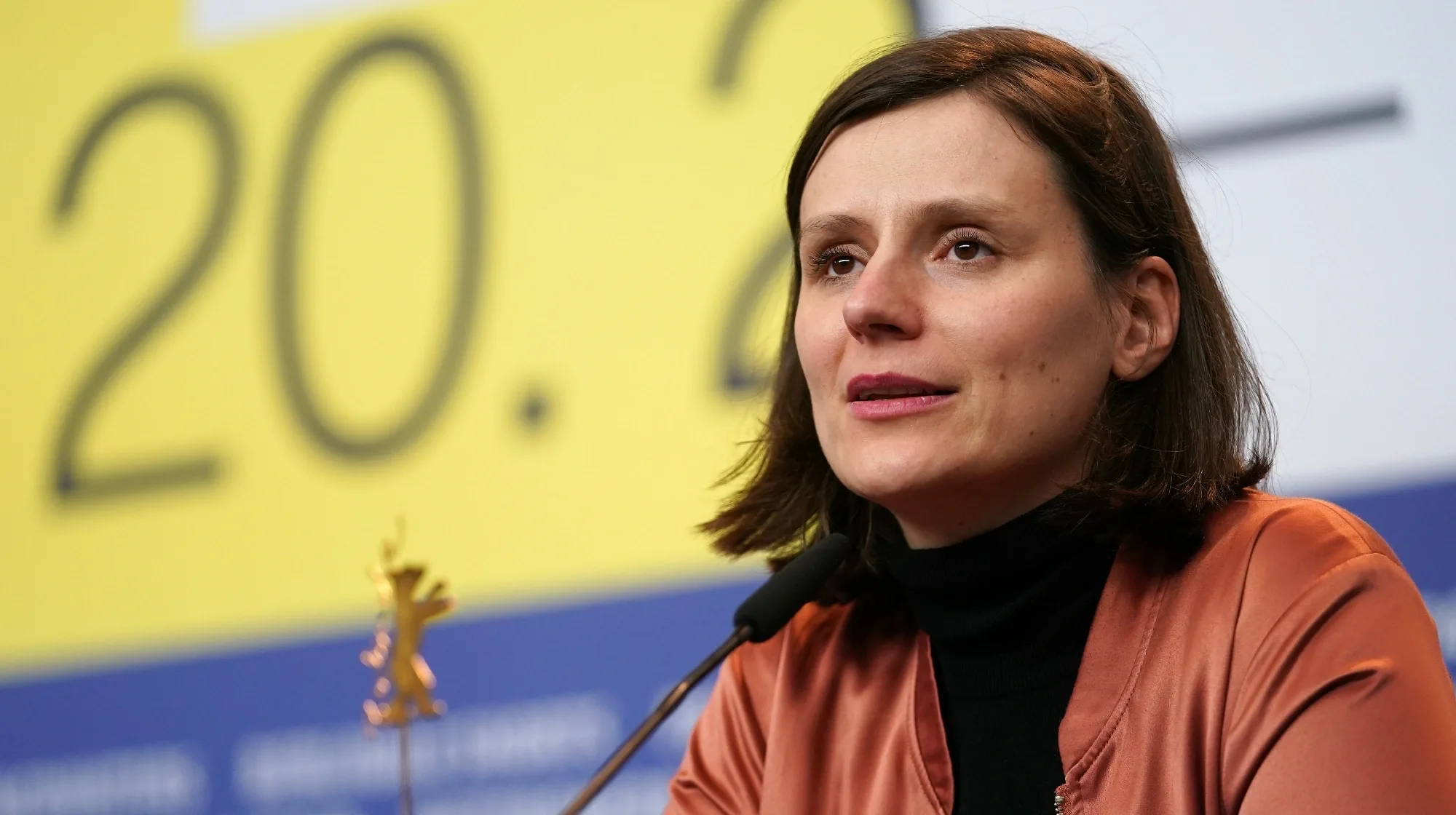

The Austrian director’s third feature, “Everytime,” took the top prize in Un Certain Regard in May, her first film to screen at Cannes. Three months later, it’s playing in competition at the 32nd Sarajevo Film Festival, running through August 21, and Wollner says the response feels distinct from the Croisette. “The festival being founded during the siege in 1995, I think that’s very powerful,” she told The Hollywood Reporter from the Bosnian capital’s National Theatre. “You can still feel something of that history here.” A radio interview the day before, she said, revealed a regional sensitivity to trauma and loss that shaped the questions she was asked.
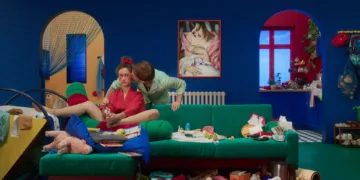
“Everytime” stars Birgit Minichmayr as a mother traveling to Tenerife with her surviving daughter, played by Lotte Shirin Keiling, and a teenage boy connected to the family’s dead eldest daughter, Jessie, played by Carla Hüttermann. The trip is meant as a delayed reckoning with grief, and Wollner lets past and present slide into each other as the characters travel. At a Sarajevo press conference, she described her interest in how “grief and guilt contaminate each other,” a theme that has run through her earlier work, including the android drama “The Trouble With Being Born.”
Wollner brought her partner and one-year-old daughter to Bosnia, and family, she said, has changed how she thinks about her career. She’s weighing a Hollywood name for a future project while remaining grounded in European filmmaking’s smaller economics. “I don’t think culture is an ‘added value,’ a kind of luxury item,” she said. “It’s part of how a society understands itself.”
The Sarajevo competition, chosen from 1,215 submissions, is presided over by a jury led by Emily Watson, with a €16,000 prize awaiting the best narrative feature. Wollner’s film arrives as one of nine works representing Southeast Europe in the section, competing against directors including Florin Șerban and Kosara Mitić for a prize that, unlike Cannes, speaks directly to an audience Wollner says still processes its own history through the screen.