

























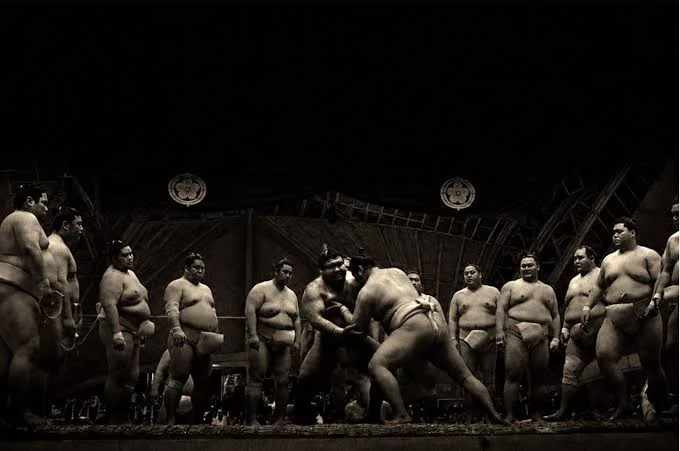

The first surprise of “Sumo: Spirit Weighs Nothing” is how quickly the bodies stop being the main story. Sumo arrives in many viewers’ minds as an image: enormous wrestlers, a brief collision, a tradition that feels distant from everyday life. Erik Shirai spends the documentary carefully removing that distance. The sport becomes a collection of human decisions, each one carrying a different mix of ambition, fear, pride, and sacrifice.
That shift works because Shirai understands that the emotional weight of sumo does not come from the matches alone. The strongest moments happen away from the dohyō, inside the Sakaigawa stable where wrestlers train, eat, recover, and prepare for a future that demands almost everything from them.
A simple pledge from the young wrestlers about responsibility, kindness, and courage sets the tone. Then the film cuts to the practical reality of their lives, including trainees hanging their freshly washed garments to dry. The contrast is quietly funny and deeply human. These are people living inside an ancient tradition while still dealing with ordinary routines.
The documentary follows several wrestlers at different points in their relationship with sumo. Hiradoumi represents possibility. At 24 years old, he carries the expectations placed on a potential future champion, a young wrestler who could represent a new generation of Japanese talent. Yonezawaryu represents uncertainty. His talent is clear, yet the physical demands of the sport force him to question how long he can accept this life. The film understands that commitment is not always a heroic decision made once. Sometimes it is a choice repeated every morning.
Kosei’s story might be the film’s most surprising thread. The teenage wrestler does not fit the common image associated with sumo, and that becomes the point. His progress shows that the sport depends on technique, timing, and determination alongside physical strength. Watching him compete changes the way the audience understands what makes a successful wrestler. Size creates an expectation. Skill breaks it.
Then there is Terunofuji, the reigning yokozuna whose presence changes the mood of the entire film. His success looks like the dream every wrestler is chasing, yet his body tells another story. Years of competition have left him dealing with serious physical problems, and his reflections on the cost of sumo give the documentary its most painful moments. The idea that a career can bring honor and achievement while shortening a person’s life creates a difficult contradiction. Shirai does not force an answer. He allows the question to remain uncomfortable.
That restraint is one of the documentary’s greatest strengths. “Sumo: Spirit Weighs Nothing” does not turn these athletes into symbols of suffering. It shows why they continue. The wrestlers are not simply enduring hardship. They are protecting something they believe matters. The film captures the strange emotional space where admiration and concern exist together.
The physical side of sumo is presented with the same honesty. The training is intense, the eating requirements are extreme, and the process of building a wrestler’s body carries obvious risks. Scenes of wrestlers struggling to consume enough food create a different understanding of athletic preparation. Gaining weight is usually viewed as the opposite of discipline, yet here it becomes another demanding skill. The film finds the humanity inside that contradiction.
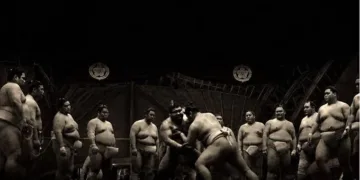
Shirai’s filmmaking approach strengthens this feeling of intimacy. The camera rarely pushes toward spectacle. Training scenes unfold with patience, allowing small details to become meaningful. The preparation of the dohyō, the careful movements before competition, and the quiet moments inside the stable all receive the same attention as the matches themselves. The result is a documentary that makes routine feel significant.
The visual style plays a major role in that transformation. The monochrome tournament footage gives the matches a timeless quality, while the warmer tones of other scenes create a more personal atmosphere. Wrestlers are often framed with a sense of dignity, their bodies treated as evidence of years of work rather than something unusual to be observed. The restrained score follows the same approach, adding emotion without telling viewers what to feel.
The film’s focus comes with limitations. It spends little time examining the larger issues surrounding sumo, including controversies within the sport, the exclusion of women, and the challenges facing its popularity in modern Japan. Those questions remain outside the frame. For viewers looking for a complete portrait of sumo as an institution, that absence may leave gaps.
Yet the narrow focus gives the documentary its strongest quality. Shirai creates a connection with people who are often viewed from the outside. By staying close to the wrestlers’ daily lives, the film finds the emotional reality beneath a tradition that can seem impossible to understand from a distance. The quiet routines inside the stable, the exhausted bodies after competition, and the dedication behind every movement become the details that define the experience.
Sumo: Spirit Weighs Nothing had its world premiere at the 83rd Venice International Film Festival on September 3, 2026. The sports documentary grants a rare, inside look into the rigorous and private world of professional sumo wrestling in Japan.
Full Credits
Title: Sumo: Spirit Weighs Nothing
Distributor: The Walt Disney Company / ESPN Films
Release date: September 3, 2026 (Venice International Film Festival)
Rating: Not Rated
Running time: 1 hour 39 minutes (99 minutes)
Director: Erik Shirai
Writers: Erik Shirai
Producers and Executive Producers: Sigrid Dyekjær, Yusuke Kamata, Teddy Leifer, Erik Shirai, Sam Stanley, Carolyn Hepburn
Cast: Terunofuji Haruo, Hiradoumi Yūki, Yonezawaryu Daiki, Kosei Motomura
Director of Photography (Cinematographer): Hiroshi Hara, Erik Shirai
Editors: Frederick Shanahan
Composer: Rutger Hoedemaekers
The Review
Sumo: Spirit Weighs Nothing
“Sumo: Spirit Weighs Nothing” finds emotional power in the quiet routines behind one of the world’s most demanding sports. Erik Shirai’s patient documentary connects viewers with wrestlers whose dedication comes with admiration, uncertainty, and physical sacrifice. Its narrow focus leaves some larger questions unexplored, yet the human stories and graceful filmmaking create a memorable portrait of commitment.
PROS
- Intimate look at wrestlers’ daily lives
- Strong emotional connection to its subjects
- Patient, elegant visual style
- Honest portrayal of physical sacrifice
CONS
- Limited exploration of wider sumo issues
- Some institutional questions remain unanswered